From Craving Chocolate to Paving New Roads
Waleska is a mom with 2 part-time jobs who had a love for chocolate. Despite the time constraints and sweet temptations, she lost over 60 pounds!

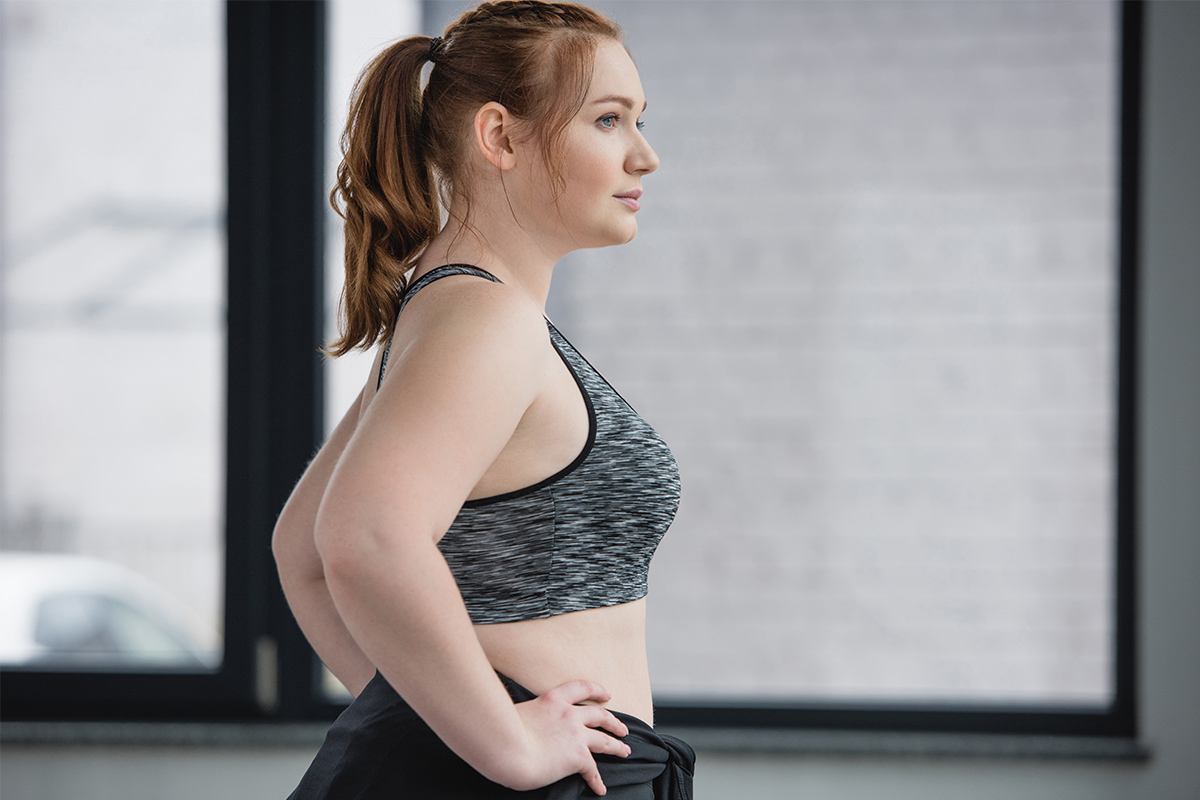
In the coming weeks, people everywhere will take the first steps towards their new commitments. Whether it’s a commitment to acts of kindness, to visit your parents more, to do your laundry every week, or to take better care of your health, the start of a new year acts as a perceptible starting point.
It’s kind of like the most celebrated Monday of the year. “I’ll start Monday” simply becomes “In the new year, I will…” Except there is usually a lot more motivation in the new year because you are not alone. Everyone else is talking about their own goals and the energy can be contagious.
For many, hitting the gym is on the resolution list. If you’re doing so for the first time ever or getting back to the gym after a long time away, this guide is for you. We’ll tackle some real concerns like “It’s going to be too crowded,” “I don’t want to be judged,” “I don’t know how to use the equipment,” and “I don’t want to get sucked into a sales pitch.”
We understand. This is your personal guide for how to navigate your first visit to the gym.


When you first walk into your local LA Fitness, this is what you can expect:
If you already have a membership, simply check-in at the front desk using your mobile app. They will scan your digital Member ID for you, and you can proceed inside.
If you don’t have a membership, you can visit our website here to sign up for a Complimentary 5-Day Pass. You will need to provide your name, email address, phone number, and zip code, and will need to sign a waiver. Your Complimentary Pass will then be emailed to you.
Your first visit activates your free pass and it will stay active for 5 consecutive days. Be sure to check out this list of Gym Bag Essentials so you are prepared for your workout.
If you check-in with a Membership, you may not be asked if you would like a tour because it’s likely you’ve already had one. If you need a refresher, feel free to ask! Then, head down to the locker room to pack your items in a locker (don’t forget your padlock) and get ready to workout.
If you check-in with a Complimentary Pass, you’re in good hands. You will be taken care of by a member of our team who will give you a tour of the facility and chat with you about your fitness goals. Yes, you may be asked if you’d like to sign up for a membership, but there is no obligation to do so. You can simply decline and choose to stick to your Complimentary Pass. Once you’re done with that, you’re free to head in and enjoy your workout!

Each LA Fitness location has the same general layout, but according to the size and structure of the building, the equipment may be located in different areas. One thing you can always expect to be the same, is that the equipment is grouped by type. The cardio equipment (the treadmills, ellipticals, etc.), the weight training equipment (bench press, shoulder press, etc.), will always be grouped together.
If your club has a pool, it will usually be located by the locker rooms. This makes getting to the showers a lot more direct.
If your club has a juice bar, it’s usually located near the entrance. This makes grabbing your pre- or post-workout shake easy and accessible.
The Kids Club is also typically located near the entrance.
It can be easy to let your mind run off with worries about what other people see in your workout. Are they judging you for your routine or for how much or how little time you spend on a machine? Are they impatiently waiting on you to figure out a machine they already know how to use and are waiting for?
Every single person in that gym was once a “first-time gym goer.” No one has ever walked into a brand-new environment and instantly understood everything about it. Bear that in mind and let the fear that someone is watching you melt away. This is your space too.
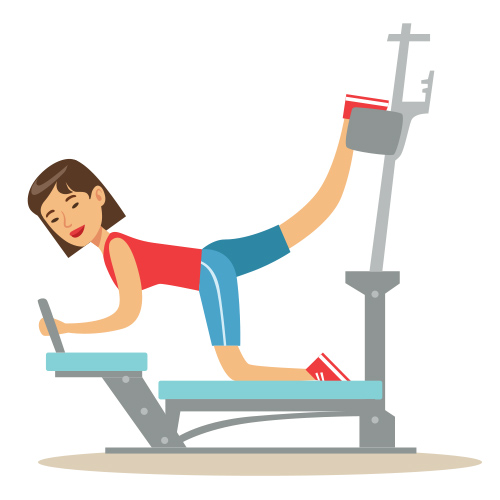
All the options can be overwhelming. Narrow things down by choosing which muscle group you’d like to work on and then finding the workout space that will help you meet that need. Take a look at some of these articles for help deciding on some workouts:
You can also browse through our LA Fitness YouTube Channel to watch how-to videos and get a better feel for what the gym offers.

Go with a friend who can show you the ropes or ask any of our Pro Results® Personal Trainers how to use the machine you want to work on. If they are not currently in a training session with someone, they will be glad to assist!
You can also ask someone on a machine nearby. Not everyone is actively working out at the same time. Some will be taking a brief rest period in between sets. Some are just arriving to set themselves up on a piece of equipment. Others are moving on from one machine to the next. There tends to be at least one available person who can help answer your question. However, try not to ask someone who will need to stop mid-workout to help you.
“I’ll stick to the treadmill. It’s familiar and at least I know how to use it.” That’s exactly what everyone else thought. So, the cardio section is probably going to be the most crowded area in the gym.
It’s also this kind of thinking that will get you stuck. Adhering to the familiar means you’re more likely to get bored, and more likely to miss out on everything else the gym makes available to you. Take advantage of your access to a fully stocked gym!
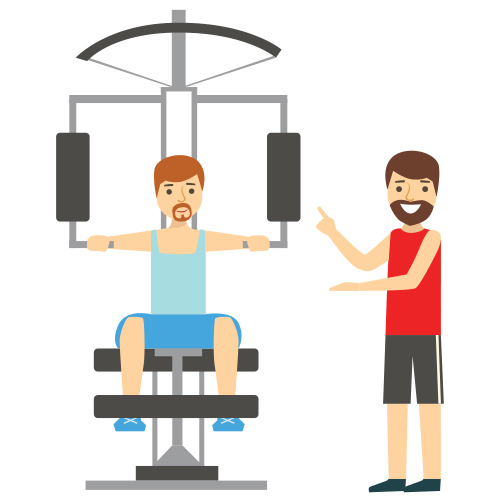
Just like there are Do’s and Don’ts in nearly every public space, there are Do’s and Don’ts at the gym. Here are a few:
Do wipe down equipment if your workout left it sweaty.
Don’t ignore time limits especially during peak hours. Signs are usually posted asking guests to limit their usage of certain machines when others are waiting.
Do allow others to “work-in” (to share the equipment with you) if you plan to take long breaks between your sets. Don’t feel obligated to say yes. It’s nice if you are able to share the space, but if you don’t want to share someone else’s sweat, you don’t have to. Decline politely and let them know approximately how much time you still need.
Do communicate your interest in a machine that you’re waiting for. Doing so kindly lets the current user know that someone is waiting. Don’t hover over the person or make them feel rushed.
Do return movable gym equipment (like free weights and resistance bands) so others may easily find and use them. Don’t use movable equipment in walkways or in front of doors where you may risk your safety or someone else’s.
Any new environment can be a little bit intimidating, but don’t let that keep you from using the resources you have available to you. For more helpful information and to access our monthly blog post highlights, subscribe to our newsletter. See you in the gym!

As children, we don’t have much choice in the foods we are provided and the habits we are taught to cultivate. This is why changing our diet is so difficult; you have to retrain your taste buds. Fortunately, this is completely doable, even if it’s a bit difficult.
We’re taking things step-by-step to help you transition to a healthier style of eating. Read on for your complete guide on how to love the taste of health foods!
01.
Before you can build new habits, you need to look at your current eating patterns. Make a food log and, over the course of a week, write down everything you eat and when you eat it. If you like, color-code your information so you know which foods were meals, which were snacks, and maybe even which ones you ate when you knew you weren’t hungry.
02.
The reason we’re going through this step first is because we’re planning on introducing new foods. To avoid adding additional calories to your day, it’s probably a good idea to replace calories that you would have typically eaten anyway.
03.
There are a lot of options here and many of them are shunned for their acidic, bitter, pungent, or seemingly tasteless profiles. Examples include: Lemon, vinegar, kale, spinach, arugula, quinoa, plain yogurt, and fatty fish.
04.
Instead of forcing yourself through a plateful of kale, start training your taste buds to like the type of flavors in your chosen foods. For example, introduce more sour, bitter, and umami flavors into your diet. If you’re unfamiliar with umami, it’s the distinct taste you can find in foods like seaweed, miso, salmon, and hard cheeses like parmesan.1



Start adding sour foods that you do enjoy to your diet.
If you want to eventually enjoy vinaigrette on your salad but you don’t like the acidity and sourness of it, regularly eating sour foods that you do like can build your tolerance for sour flavors. Here is a list of nutritious sour foods: 2,3



Following the same principle as before, start incorporating bitter flavors that you do enjoy.
Here is a list of nutritious bitter foods.3,4 Choose one you’re comfortable with and slowly push the boundaries of what you’d normally eat until you arrive at a tolerance (and hopefully enjoyment) for the level of bitterness you want to achieve.



Start Incorporating umami flavors
The umami flavor comes from a compound extracted from dry kelp.3 It is this flavor, and others like it, that have the savory taste you’ll find in many Oriental dishes. Here is a list of nutritious umami foods5 that you can add to your diet.
Another tactic is to learn to make your favorite dishes in ways that are healthier. Slowly substitute an ingredient or two, each time you make it, until you’ve crafted a healthier version of the same recipe! Here are some substitutions, straight from the Mayo Clinic, for commonly used recipe ingredients. For the full list, visit their post on Healthy recipes: A guide to ingredient substitutions.
|
Original Ingredient |
Substitution |
|
Breadcrumbs |
Rolled Oats/Crushed Bran Cereal |
|
Butter/Margarine/Shortening/Oil |
Applesauce/Prune Puree |
|
White Rice |
Brown Rice/Bulgur/Pearl Barley/Wild Rice |
|
Whole Milk |
Reduced Fat Milk/Fat Free Milk |
|
Ground Beef |
Lean Ground Beef/Ground Chicken/Ground Turkey |
Ultimately, you have to change your mind-set before you can change your taste buds. Food is what fuels your body. The more nutritious that fuel is, the better your body will feel and the more easily it can process what you put in. Gradually learning to enjoy flavors found in health foods is the key. So, take it slow, and work your way to a more nutritious lifestyle.
For help creating a meal plan, read our registered dietitian’s post on How to Create a Meal Plan. If you need help catering to picky kids and teens, read her post on How to Get Your Kids to Eat Right. To access our monthly blog post highlights, subscribe to our newsletter today!
Sources

Evidence Based
There are a lot of reasons a person would consider exercising on an empty stomach. Many people simply like to exercise first thing in the morning. Then we have trending diet plans like Intermittent Fasting that make it difficult to schedule exercise around food consumption. Others incorporate fasting into their lifestyle for faith-based reasons. All the while, our exercise routines continue according to or despite our nutritional timing.
So, what happens when you exercise on an empty stomach? Is it good or bad for weight loss? Does it help you burn more fat or does fasting negatively impact your workout?
Let’s tackle these questions one by one. Here’s what you need to know if you’re considering working out while fasting:
When we say “fasting” we typically mean you’ve gone 8 to 12 hours without food. This would be like waking up in the morning after a good night’s sleep and deciding to work out before you have your first meal. If you participate in Intermittent or Prolonged Fasting, you may be going without (or with very little) food for 12, 16, 48, or even 72 hours.1 Here’s what’s happening in your body when you fast:
By 6-8 Hours – Your body is still burning through its glycogen supply.2 This is the most readily available form of energy.
By 12 Hours – You enter the metabolic state called ketosis in which your body begins to break down fat.1
By 18 Hours – You’re now in “fat-burning mode.” Your body is generating more ketones which tell your body to reduce inflammation and to make repairs to damaged DNA.1
By 24 Hours – Your body starts a process called autophagy. This means your cells work harder to recycle old components and to break down misfolded (damaged) proteins. Misfolded proteins are connected to Alzheimer’s and other diseases.1
If you’re interested in learning what happens once you hit 48, 54, and 72 hours of fasting, check out this article on the 5 Stages of Intermittent Fasting. For the purpose of this article, we don’t need to delve that far.

Now that we know what’s happening on a biological level while fasting, let’s take a look at what happens when exercise is added to the equation.
As you exercise, your body starts by using glycogen for energy. You typically have enough stored up to last you about 24 hours.3 If you manage to deplete your glycogen stores (say you’re an endurance athlete running a triathlon and you haven’t been replenishing your energy as you go), you’ll hit exhaustion. Your body still has plenty of energy stored as fat, why doesn’t it use it when glycogen levels are low?
The body is not adapted to this. However, it can be trained! Following a low-carb diet or exercising while fasting can teach your body to draw energy from your fat-stores.3 Before this all starts to sound too good to be true, let’s define what we mean by “drawing energy from your fat-stores.”
A terrific example by Dr. Jason Fung in his article on Fasting and Exercise, starts to illustrate this concept pretty well: Imagine that your glycogen supply is like energy stored in the refrigerator. It is ready to use but the supply is limited. Your fat is like energy stored in the freezer; it takes a greater process to make it usable but you can store a larger supply.
Over time, exercising while fasting increases the production of fat-metabolizing proteins.3 Our muscles essentially become more efficient at breaking down fat in order to use the energy. It’s all part of how the body adapts to its circumstances.

So, what does other research have to say about this? An article from the Strength and Conditioning Journal reviewed the results of multiple studies on the subject.
The review found that endurance trained individuals who performed moderate to high-intensity cardio (while fasting) break down significantly more fat than the body can actually use.4 So, yes, the body does break down that fat, but what isn’t immediately used goes back to its original form.4 The ultimate conclusion was that the net effect of exercising while fasting was negligible and may even have negative effects on muscle strength and growth.4
Another study examined body composition changes between a group that fasted before exercise and a group that did not. Their findings showed no difference between the two groups! They both lost significant amounts of weight and fat mass but fasting seemed to have no implication on the results.5
So, the evidence seems to lean in two directions. The body is clearly responding to the need for energy but there are split conclusions on whether this response is beneficial. Until more research is done, fasting before exercise may come down to a matter of preference. If you’re still seeking some answers and still interested in giving it a try for yourself, let’s find out a little bit more.

A study on exercising in the fasted state hypothesized that exercising on an empty stomach would increase calorie intake throughout the day. They were surprised to find that not only did their participants eat less, they were also more motivated to work out.6 These results are promising if you’re worried about your hunger causing you to overeat on days you both fast and exercise.

Well, it depends what you’re doing. If you’re working out on an empty stomach, keep in mind that your body has been running on its glycogen stores while you fasted. It will pull from those same stores when you exercise, at least until you run out. If you’re doing steady cardio, you’re likely to be just fine.
High-intensity exercises, however, rely on glucose for muscle contraction.7 If your energy stores are low because you’ve been fasting, your body might break down your lean muscle to get you through your workout.7 If you recall, this was the same concern that came up in the article from the Strength and Conditioning Journal.
Clearly, this subject merits further research before any definitive conclusions can be drawn. Evidence can be found to back both sides of the argument. Some athletes swear by it, and there is science to prove that something is in fact happening to release and utilize your fat stores, but is it all enough to make a difference and are there significant adverse effects?
With the research at your fingertips, it remains up to you to decide whether you want to fast or feast before your workout. Which do you prefer? Let us know in the comments below!
For more thought provoking posts, check out What Happens to Your Body When You Stop Working Out, or, read this post to debunk some big Muscle Building and Fat Burning Myths. To access our monthly blog post highlights, subscribe to our newsletter, today!

The start of the winter season is on Saturday, December 21st this year and we’re gearing up for a cold season. Many states have already seen record lows! If, like us, you don’t plan to slow down your fitness endeavors, you need to be prepared for working out in the cold.
We’ll be covering the warning signs of frostbite and hypothermia and giving you some useful information for your next winter workout!

Frostbite occurs when your skin and the underlying tissue are damaged by freezing. Exposed skin (especially on your nose, ears, and fingers) is most vulnerable, but you can still get it even if you’re covered up. If you plan to be out in cold weather, especially where the wind temperature is below 5° Fahrenheit (or -15° Celsius), these are some important precautions recommended by the Mayo Clinic:
Additionally, they identify these symptoms as warning signs of frostbite:
If you go out prepared and know the signs, you can head into your workout with confidence. Frostbite, however, is not the only worrisome condition you have to watch out for in cold weather. While the former can lead to loss of limb, hypothermia can cause death. Here is what you should know about hypothermia:

Your body’s normal temperature is 98.6° F (or 37° C). According to the Mayo Clinic, Hypothermia starts when your body loses heat faster than it can produce it; and, will start to show its effects once your temperature falls to 95° F (35° C) or lower.
In their article on Hypothermia, the Mayo Clinic identifies the following symptoms you should look out for:
Perhaps the easiest way to enter a hypothermic state is if you are wet from rain, snow, or if you fell into a body of water. Wind, on its own, whisks away your body heat. Add the fact that your clothes are wet, and the effect is amplified. It’s extremely important to change out of wet clothes and find a warm dry place when you are caught in cold weather.

Warm the Air Before You Breathe It – Breathing heavily in cold weather can make your lungs feel like they’re about to freeze over. Wearing a face scarf over your nose and mouth can help warm the air you’re breathing and make your workout more comfortable.
Map Your Route – You should know if you’re likely to encounter flooded areas, frozen patches of water, slick icy roads, or fallen plant life and debris. Stick to areas you’re familiar with so you can re-route if needed and still find your way. Choosing areas with more cover (like buildings, trees, etc.) will also help protect you from wind and other sporadic weather conditions.
Plan by Time of Day – Leave for your workout when you know the temperature will be at its warmest for the day. Going too early in the morning or too late in the evening will expose you to colder temperatures and, if it’s cold enough, icy roads and frozen slush.
Keep Hydrated – Hydrate before you leave and bring some with you if you plan to be out for a while. You may not notice that you’re sweating, but you probably are. Putting back what your body loses is important to a safe cold weather workout.
Protect Your Skin – Sunblock is still important in the wintertime, and the brisk winter air can dry out anything that’s exposed to it. Moisturize your lips, your face, and your hands if you don’t plan to wear gloves.
You can read up on the calorie burn of cold weather workouts by reading our post on Thermogenesis. For information on how to protect your eyes from the dryness of winter air, check out our blog on Eye Health. To access our monthly blog post highlights, subscribe to our newsletter today!
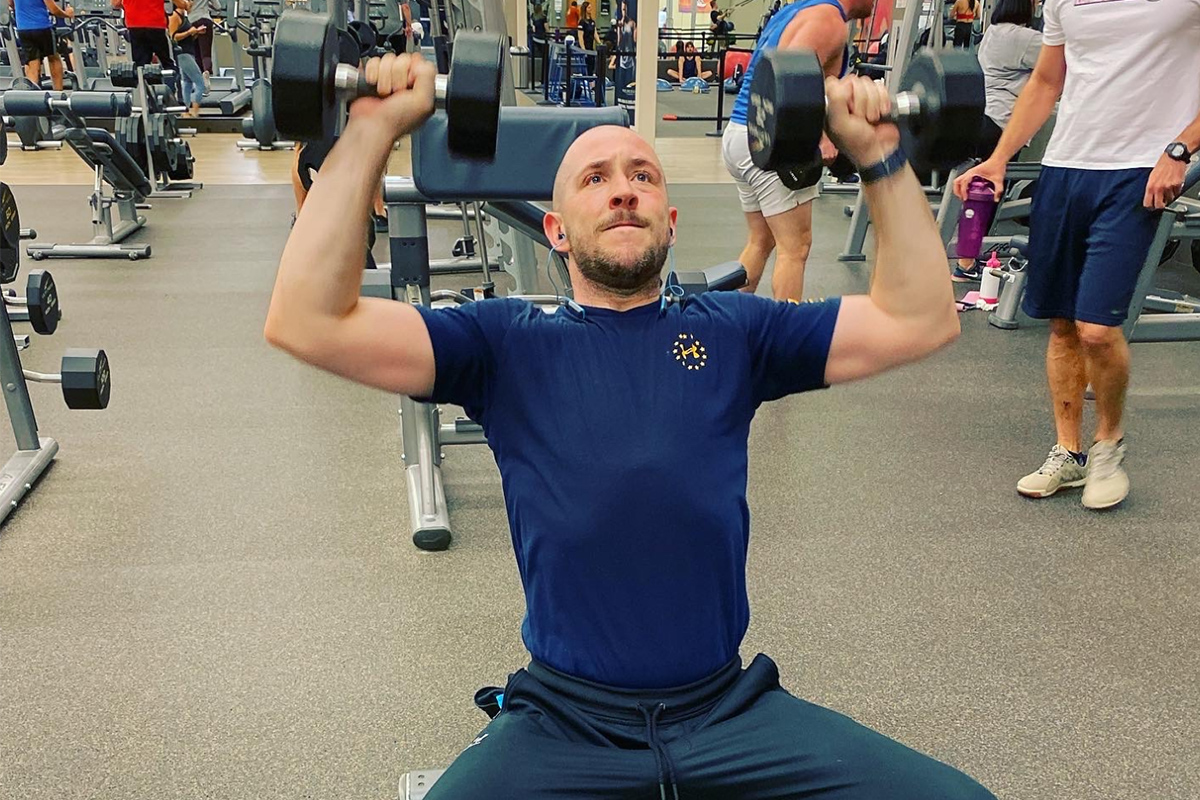
“The defining moment for me was definitely when I was chasing around my 15-month-old and realized that I was out of breath after just a couple of minutes. I knew that I could never be a good, active father if I kept up with the unhealthy lifestyle that I was living.”
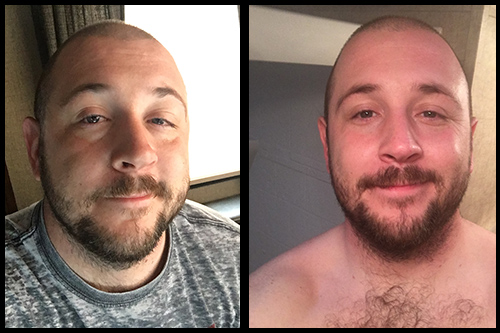
Tyler is an LA Fitness member whose re-introduction to the gym completely changed the direction his life was headed. Having served in the U.S Army, Tyler was committed to training hard and staying in shape. With time, however, his activity levels dropped, and he found himself spending more and more time on the couch. In his interview, Tyler shares an honest admission to where he was before he turned onto a different path:
“Anyone who knows anything about me knows that I’ve made mistakes in my life. Sure, I know we all have, but I know I’ve made some very big mistakes. My mistakes have cost me everything from my family, friends, finances, career advancements…you name it, really. I’ve screwed it up.
Earlier this year I found myself in an incredibly dark place. I had lost everything and everyone I cared about. I didn’t know what to do. I buried myself in work, and that didn’t help. It made my productivity even worse. I would come home and sleep. I would do nothing but lay on the couch and sleep.”
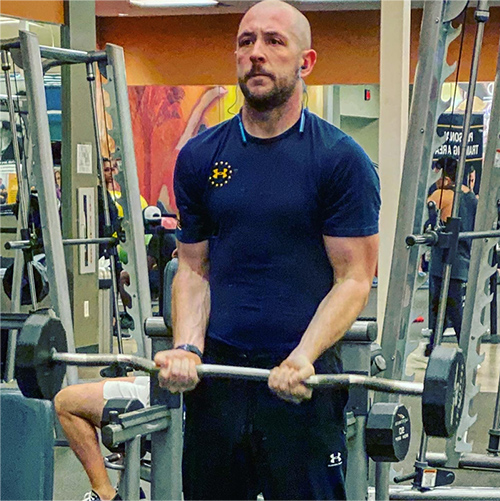
If you’ve ever been in a dark place, you know how difficult it can be to find the motivation you need to pull yourself out of it. The longer you sit in your discomfort, the more difficult it becomes to find your way out. It becomes a self-perpetuating cycle. Often, you’ll need a wakeup call that strikes a certain chord to help you. This is what happened with Tyler:
“One day I met up with my son and his mom so that he and I could run around and play and so she and I could discuss our options moving forward. As my son and I ran around in front of Starbucks, I noticed that I was literally getting winded from just the small amount of time chasing him around. Now, while I was absolutely no Captain America, I served my time proudly in the US Army. I did ridiculous amounts of PT and kept myself in good shape. Oh, yeah…and then I got old and lazy. I couldn’t believe I was winded chasing around a 15-month-old!
It was at this moment that I decided to try and get back to the gym. Now, if I’m being completely honest, I used a 5-day free guest pass because I almost knew that it would be just a couple day phase and then I’d be back on the couch. I worked out that first day (and by workout, I mean I did the stair-master at a pace that would have been laughed at by sloths). Before I left, I was approached and taken over to a desk to discuss membership options. In all reality, they were dirt cheap. I didn’t pay any enrollment fee, and it was all month to month, so I figured no harm no foul.
I found myself back the next day. And the next day. And days upon days in a row after that. Every time I’d go, I would re-familiarize myself with a machine or a workout that I hadn’t done in...uh….quite some time. It became a personal challenge to myself to see just how long and hard I could push myself. In three months’ time, I lost 3 inches on my waist. I’ve lost 7% body fat and I’ve lost a total of 35 pounds. Most people would say, that’s awesome! For me, it’s not about what I’ve lost. It’s about what I’ve gained. I have gained an entirely new outlook and perspective on life.
Being at LA Fitness everyday has become my therapy. It’s become my sanctuary. It’s given me more mental strength than physical, and for me, that’s exactly what I need.”
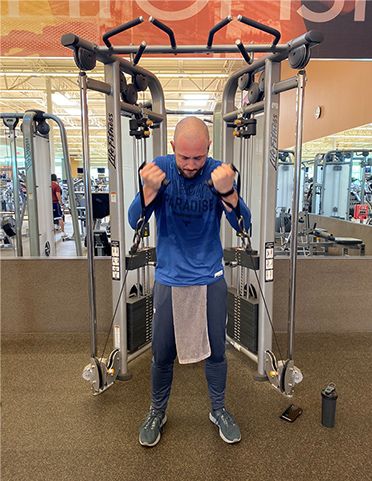
This all took place over the course of just a few months! Tyler made the decision to change his physical and mental well-being in late June of this year. It really came down to the fact that he made a choice and was determined to follow-through. He goes on to say:
“At the end of the day, I say all this, not for a pat on the back or for a “yay me” moment. I’m hoping that if there is anyone who needed to hear these words, that they have heard them by reading this. No matter what you’re facing in life, you can go out there and make it better. You HAVE to keep pushing. Find something that will keep you going. Find your sanctuary.”
Tyler plans to continue his health and fitness endeavors by studying nutrition and learning how it works for everyone individually. He attributes a lot of his success to his mindfulness of his food choices and hopes to expand his knowledge even further. He has also recently added HIIT by LAF to his routine and happily reports “I am LOVING it!”
LA Fitness played a role in his motivation too. There’s just something contagious about the energy of others who are also working hard to achieve their personal goals. Tyler explains:
“I love the familiar faces at my gym. Seeing the same people day in and day out, pushing themselves to their limits to reach their goals helps me keep going. 99% of the people, you never meet, but just seeing their drive on a day to day basis helps keep you going.”
Tyler has seen his fair share of hard times and knows that other people face similar struggles. His advice?
“Don’t stop. Whatever you do…don’t stop. There are times it’ll hurt. Keep pushing. Sore? Keep pushing. Tired? Keep pushing. Emotionally drained? Keep pushing. Frustrated? Keep pushing. Never tell yourself that you can’t do something. Get out there and keep pushing. Be your own hero.”
Do you have an inspirational story you’d like to share with us? Email us at blog@lafitness.com for a chance to be featured in an upcoming post!
For length and clarity, minor edits – none of which alter the original or intended meaning – have been made to the quotes provided.
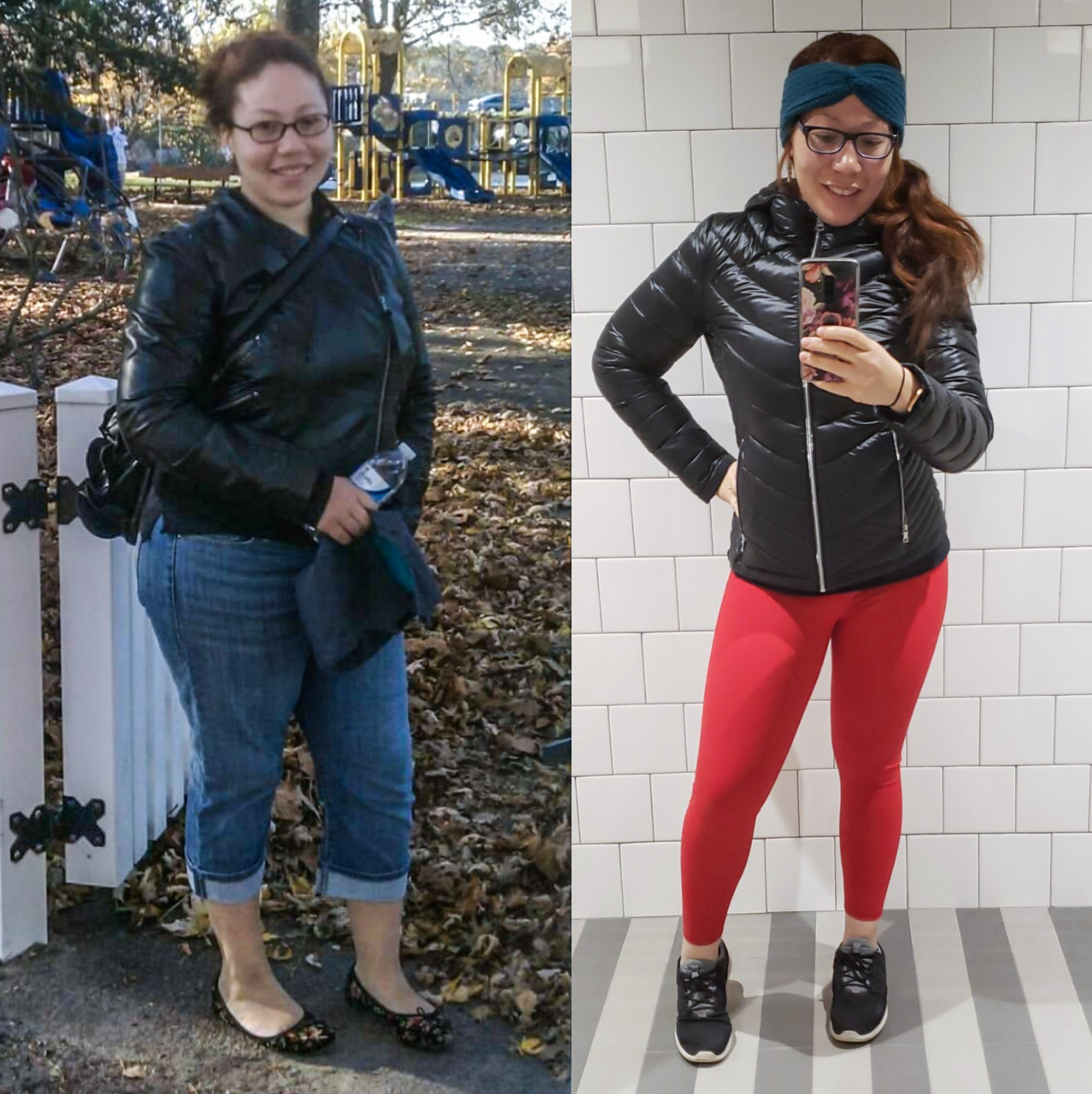
Waleska is a mom with 2 part-time jobs who had a love for chocolate. Despite the time constraints and sweet temptations, she lost over 60 pounds!
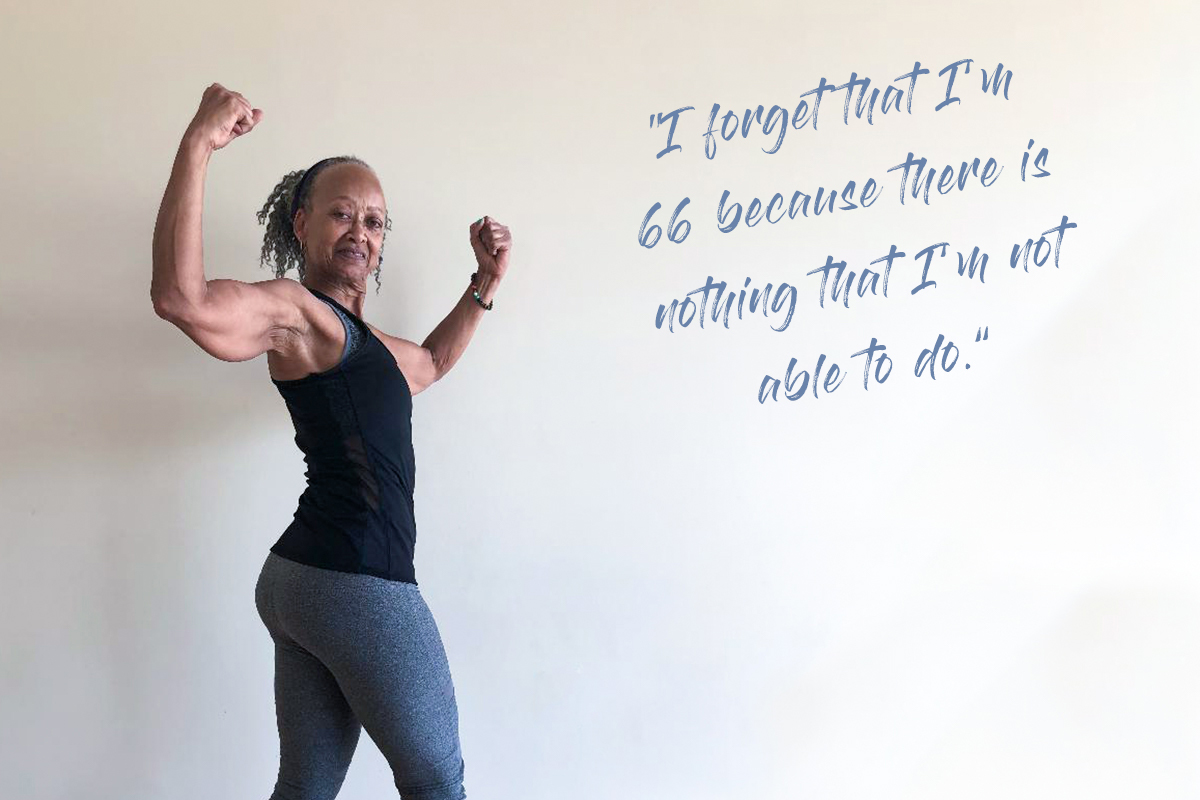
Many of us pair the idea of aging with decreased mobility and various aches. Yet, Patricia’s story shows us just how wrong that notion can be.

Ann shares how, despite back problems, strokes, and surgeries, she is well on her way to achieving her goal of losing 90 to 100 pounds!