Turkey That’s Twice as Nice

Turkey That’s Twice as Nice

Roast turkey that’s seasoned, moist and delicious. Roast turkey that’s seasoned, moist and delicious. Yes, I just repeated myself. What could be better than enjoying your Thanksgiving Day bird twice? By saving some for later, you’re less likely to over-consume (about ¼ pound of  turkey meat is a serving) and you’ll have a healthy protein as the main ingredient for another time.

As you look forward to your holiday meal, think ahead to the whole weekend. Save some turkey for second suppers that are anything but dull leftovers. Here are six (3 hot, 3 cold) healthy entrée ideas that consist of six ingredients or fewer:

Enchiladas – shredded turkey with fajita vegetables, rolled in tortillas and topped with salsa and sprinkle of cheese, then baked.

Primavera – turkey strips with broccoli, peas, cherry tomatoes, boiled pasta, and parmesan (bell pepper/spinach/mushrooms or yellow squash/asparagus/sun-dried tomatoes also work).

Classic soup – cubed turkey with sautéed vegetables* (set aside some when making stuffing), broth, and either cooked brown rice or white beans.

*make your own mirepoix by dicing celery, onion, and carrot in a food processor then sautéing until onion is translucent and veggies are tender

Simple wrap – thin sliced turkey with lettuce, tomato, and avocado or guacamole in a flavored tortilla.

Traditional sandwich – sliced turkey with cranberry dressing, arugula, and Havarti on whole wheat bread.

Folded sandwich – turkey strips with roasted red pepper, cucumber, spinach and pesto on flatbread.

Don’t forget about those tasty side dishes! Whether starch or vegetable (or both), here are some ways to re-purpose the extras and create new nutritious meals for the days ahead:

Breakfast bake – mix mashed sweet potato with cinnamon, ginger and vanilla, then top with oats and pecans or pumpkin seeds before reheating.

Salad niçoise – add leftover green beans (cooked and chilled) to baby red potatoes, tuna, olives, and hard cooked egg on a bed of greens.

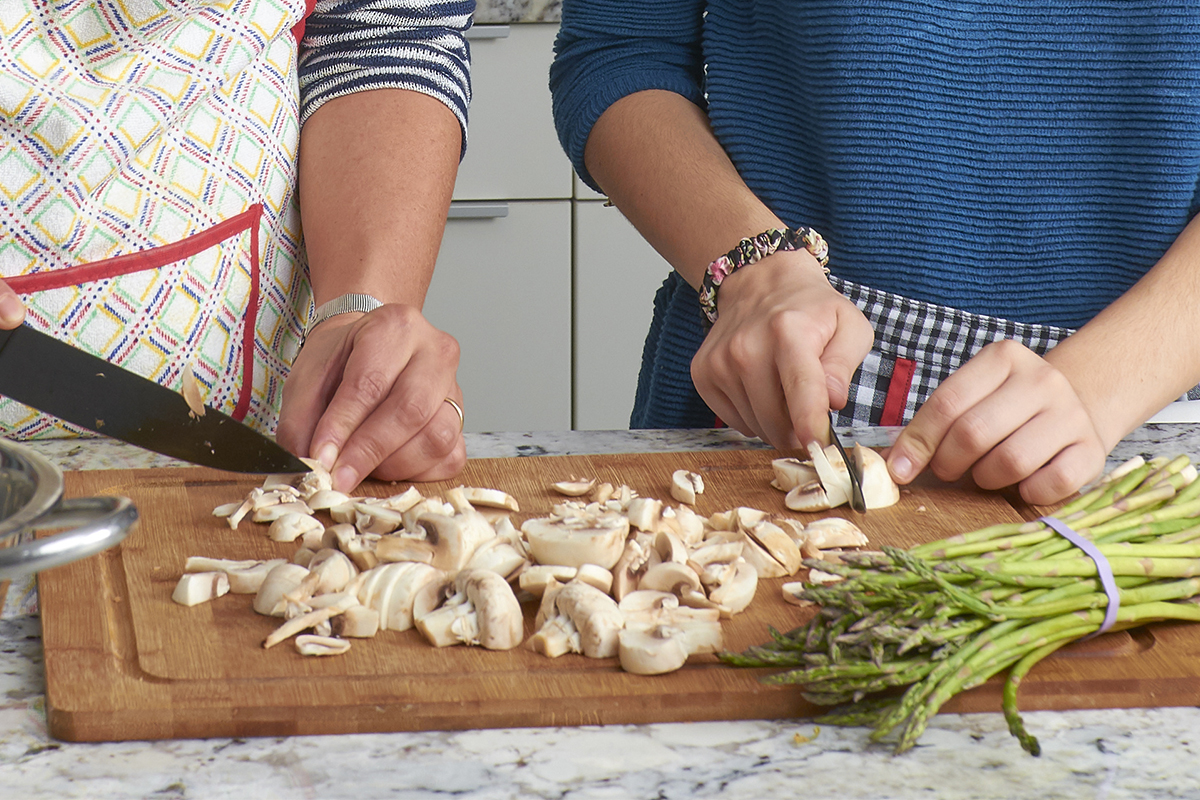
Stuffed mushrooms appetizer – add bacon bits or parmesan cheese and crushed garlic to leftover stuffing, then bake in mushroom caps.

LA Fitness Living Healthy subscribe button

Want more? SUBSCRIBE to receive the latest Living Healthy articles right in your inbox!

Recommended Reading
 Our Meal Prepping 101 Guide

 Our Meal Prepping 101 Guide

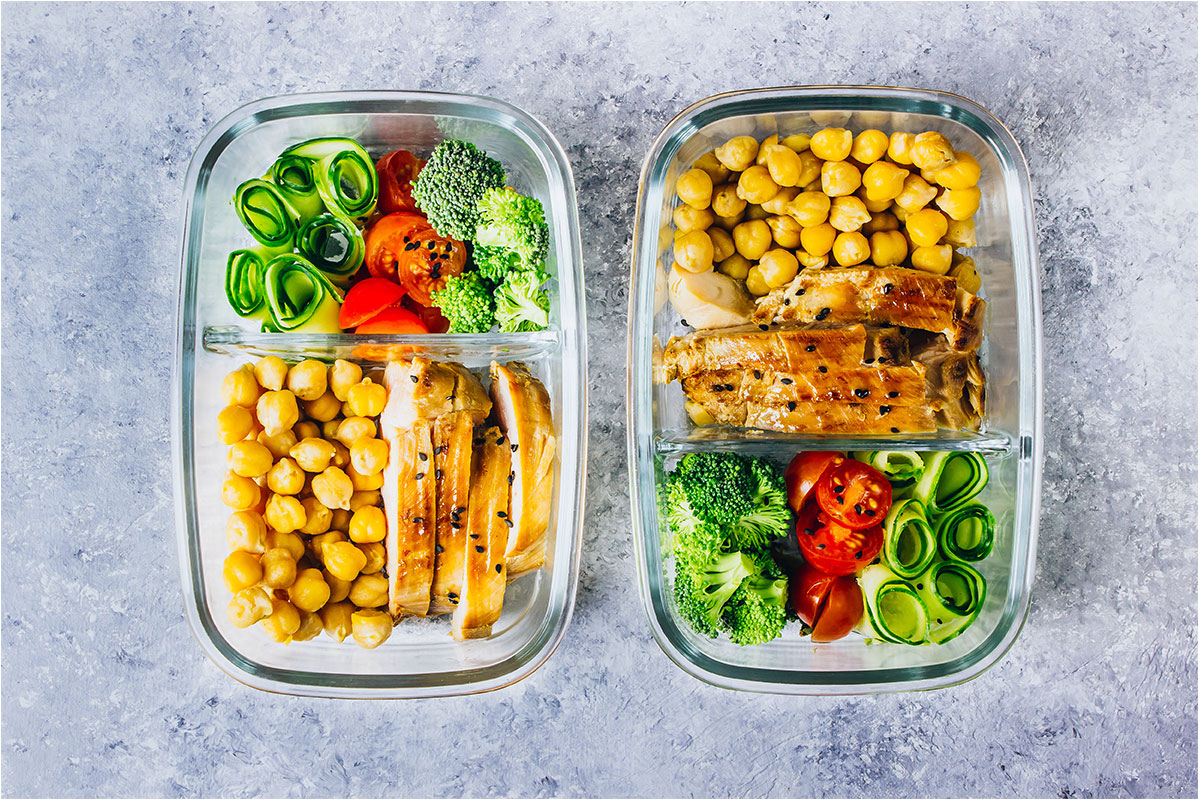
If you’ve ever been too afraid to meal prep or just haven’t known where to begin, look no further than our meal prepping 101 beginner’s guide!
Celiac Disease & Diet | Q+A

Celiac Disease & Diet | Q+A

Question:

I have celiac and am lactose intolerant. I have just started working out with a personal trainer. My problem is that I’m not gaining weight (rather than not losing weight). My diet consists mainly of meat, vegetables, and fruit. Any suggestions as to how I should modify my diet in order to gain weight and muscle mass?

– Jerry

Answer:

You’ve got the basics down, Jerry. Building lean mass means having the extra energy and building blocks to create new fibers. You may be eating the right foods, but not enough. Or you could be missing the high-calorie essentials that make gaining weight easier. Vegetables and fruit just aren’t energy-rich, save for avocados, olives and dried fruits. Meats, poultry and seafood can be lean or fatty depending on the cut/fish. Regardless of your present choices, adding sugar and fat are the primary ways to boost calories without straying from current foods.

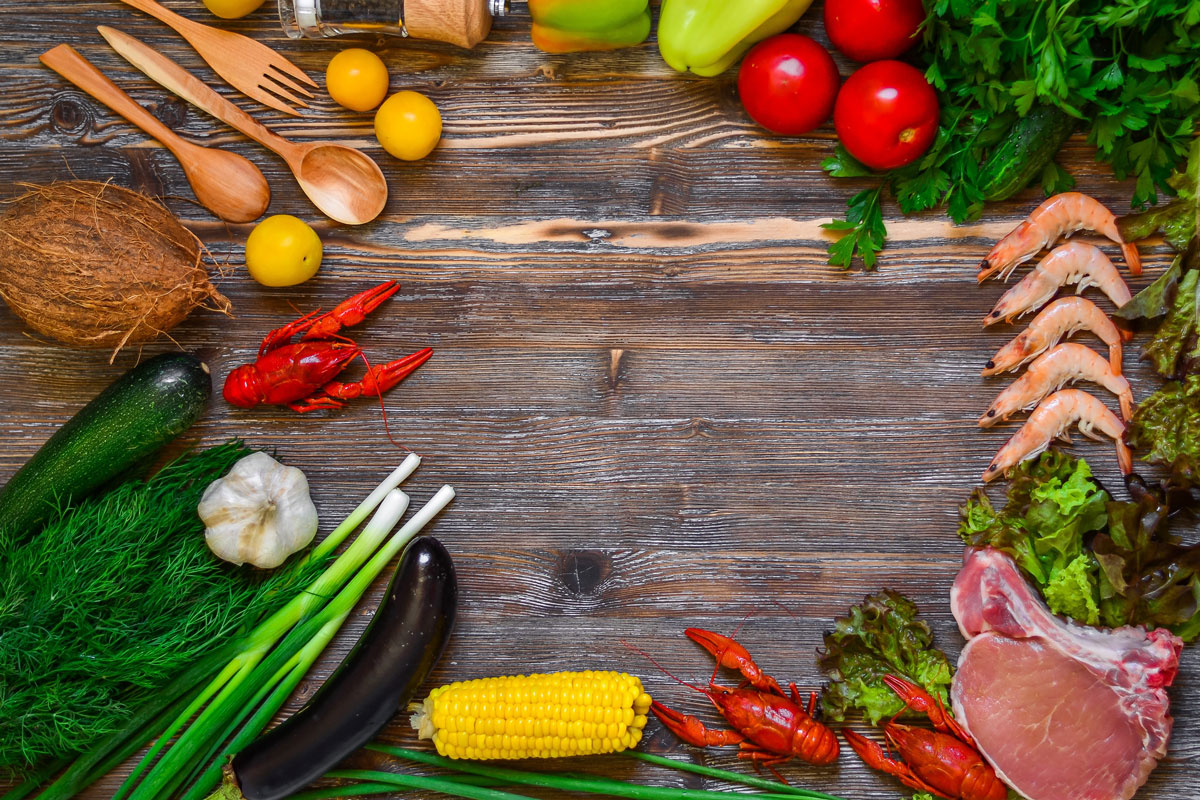
Normally I’d recommend cheeses, and there are enzymes you can chew for lactose intolerance. Meats can be enriched with true gravies, oil-based sauces like pesto and chimichurri, and sautéed mushrooms or garlic. Complex carbohydrates are a staple for building muscle and there are several gluten-free options like potato, corn and rice. The bonus of these is that they go well with butters or margarines for extra calories.

Here are simple suggestions as to how one could bump up the calories from a basic diet of meat, vegetables and fruit:

plain oats → oatmeal w/ ground pecans, raisins, and honey

fruit or vegetable juice → smoothie consisting of avocado, banana, and coconut milk

grilled chicken breast, asparagus → light and dark meat chicken w/ BBQ sauce, bacon wrapped asparagus, homemade mashed potatoes made with dairy free margarine and unsweetened milk substitute

steak, peppers,  onion stir fry → same, plus guacamole and roasted corn

fresh fruit salad → ambrosia-style w/ nuts, shredded coconut and gluten-free marshmallows

iced coffee → coffee soy dessert

– Debbie J., MS, RD

LA Fitness Living Healthy subscribe button

Want more? SUBSCRIBE to receive the latest Living Healthy articles right in your inbox!

This article should not replace any exercise program or restrictions, any dietary supplements or restrictions, or any other medical recommendations from your primary care physician. Before starting any exercise program or diet, make sure it is approved by your doctor.

Some questions have been edited for length and/or clarity.

Ask our Dietitian

Have a nutrition question? Our registered dietitian is ready to help!
Email nutrition@lafitness.com or submit your question below and it may be featured in an upcoming article!

8 + 3 =

Recommended Reading - Q+A

Blender with fresh ingredients to making healthy detox smoothie with glass of green prepared drink with a straw. Vegan cooking concept
Healthy Smoothie Recipes

Healthy Smoothie Recipes

Cue the sound of a revving engine… running your blender at home can bring goodness with that whirring noise! Creating your own smoothies is a great way to get in some nutrients and plant phytochemicals you otherwise wouldn’t during the day. It allows you to prepare...

Good carbs vs bad carbs
Debunking Diet Myths

Debunking Diet Myths

With so many sources offering nutrition advice, it’s hard to know what’s true. Even factual information can become distorted by the time it reaches you. Like a game of telephone, the message often changes as it’s passed along. Here, we debunk 5 common diet myths to...

Shredding For The Wedding | Q+A

Shredding For The Wedding | Q+A

Question:

I am trying to slim down for my wedding next June. I am 5′ 3″ and woke up at 129 pounds this morning but fluctuate a few pounds regularly. I work out for the most part 5 days a week switching each day a different aspect of weight lifting for different body parts (chest, legs, arms, etc.). I do not do a lot of cardio, maybe 5-10 minutes after a non-leg day work out – usually treadmill. I know my lack of continued weight loss is partially due to my diet but would love some advice on what I should try to eat more of. I do try to eat salads and chicken and such. Sorry if this is too generic. Let me know if you need more info to properly answer. Thank you in advance.

– Danielle S.

Answer:

Dear bride-to-be, I’m so glad you’re addressing your shape now and not at the last minute!  Your desire to focus on what to eat more of shows your positive attitude. You can’t go wrong with more vegetables and water. Try to get at least 3 cups of veggies and 6 glasses of straight water daily. More calories in the morning versus late afternoon/evening can be key to burning off what you do eat. If your diet is relatively fat-free, it could leave you hungry. A spoonful of healthy fat at each meal can help keep you satisfied and may actually prevent greater calories later. As the American Council on Exercise* puts it, “Including fat at each meal will help you to feel fuller for longer, balance blood sugar level, and increase your satisfaction with each meal.”  Of course you can’t add things to your diet without reducing calories elsewhere.

For stress-free dieting, consider eating your meals with a FIRST, THEN approach:

FIRST plan your meals, THEN shop for what you need. FIRST pack your lunch, THEN you can supplement if plans change. FIRST have a glass of water, THEN eat your meal. FIRST eat your vegetables, THEN your other meal components. FIRST eat fresh fruit, THEN if still hungry have a teacup size of dessert.

Be sure to stay tuned and keep reading our Living Healthy blog for more weight loss articles, menu suggestions and healthy recipe ideas.

* https://www.acefitness.org/acefit/healthy-living-article/60/6292/fat-friend-or-foe-and-how-much-should-you-eat/

– Debbie J., MS, RD

LA Fitness Living Healthy subscribe button

Want more? SUBSCRIBE to receive the latest Living Healthy articles right in your inbox!

This article should not replace any exercise program or restrictions, any dietary supplements or restrictions, or any other medical recommendations from your primary care physician. Before starting any exercise program or diet, make sure it is approved by your doctor.

Some questions have been edited for length and/or clarity.

Ask our Dietitian

Have a nutrition question? Our registered dietitian is ready to help!

Email nutrition@lafitness.com or submit your question below and it may be featured in an upcoming article!

6 + 4 =

Recommended Reading - Q+A

Blender with fresh ingredients to making healthy detox smoothie with glass of green prepared drink with a straw. Vegan cooking concept
Healthy Smoothie Recipes

Healthy Smoothie Recipes

Cue the sound of a revving engine… running your blender at home can bring goodness with that whirring noise! Creating your own smoothies is a great way to get in some nutrients and plant phytochemicals you otherwise wouldn’t during the day. It allows you to prepare...

Good carbs vs bad carbs
Debunking Diet Myths

Debunking Diet Myths

With so many sources offering nutrition advice, it’s hard to know what’s true. Even factual information can become distorted by the time it reaches you. Like a game of telephone, the message often changes as it’s passed along. Here, we debunk 5 common diet myths to...

Why Fermented Foods Are Your Friend

Why Fermented Foods Are Your Friend

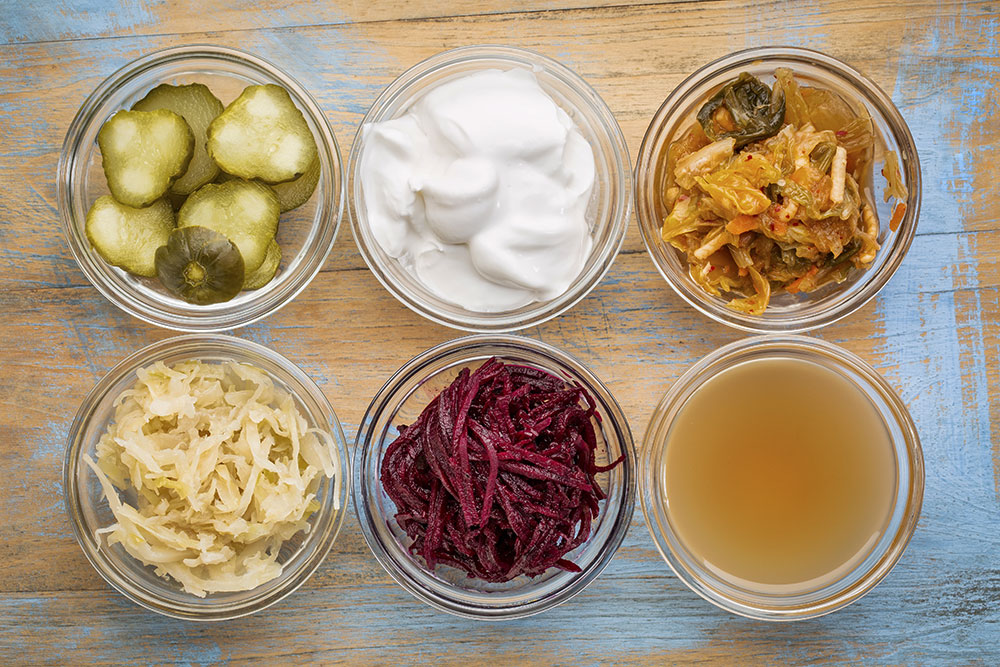
While yogurt has been at the forefront of US probiotic food sales, kombucha tea is gaining popularity. It can thank fermented foods like sauerkraut, kimchi and kefir for paving the way. For thousands of years, fermentation has been used across the globe to retain shelf-life, prevent food spoilage, and produce alcohol.

What is fermentation? It is the slow, primarily anaerobic oxidation of sugars [induced by microorganisms (probiotics) or by enzymes of plant or animal origin] to other compounds, which produces energy for the microorganism.

In addition to the aforementioned, the list of available fermented items includes foods such as sourdough bread, beer, wine, fermented soybeans, fava bean flour, fermented sausage, fermented rice vinegar, fermented malt-based beverages, and fermented noni juice. Besides being epicurean, these foods are also healthy. Consumption of fermented foods is associated with numerous health benefits1.

The underlying microbial functionality of fermented foods has been unfolding in the last decade. Take the case of yogurt and kefir, for example: Fermented dairy foods have long been known to benefit gut health by way of intestinal microbiota. It was found that lactobacilli, the bacteria present in fermented dairy, also reduced vaginal and bladder infections by competing with pathogens2. Presently, fermented dairy products are associated with a reduced risk of cardiovascular disease and certain cancers, and an improvement in immunity and metabolism, showing that the benefits of fermented dairy can go beyond the gut to other sites in the body as well.

From coffee’s suspected relation to improvements in mental health1 to fermented soy products’ connection with cardiovascular health1, these functional foods provide important enhancements to our overall health. Even glucose homeostasis (which is not isolated to a particular organ or body site) has been shown to be positively affected by fermented dairy products and kimchi. Now researchers are investigating whether fermented noni fruit juice has anti-diabetic effects. Where will we go next?  Current research is investigating the bioactive compounds in fermented foods to see their effect on inflammation, oxidative stress, blood pressure, and anti-radical capacity.

Did You Know??

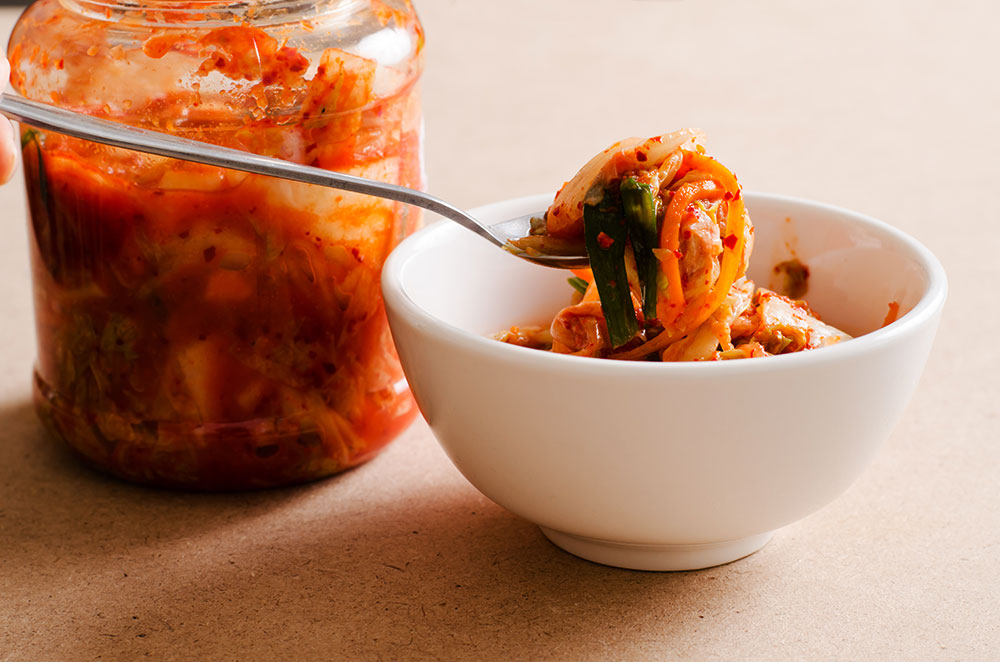
Speaking of blood pressure, here is a juxtaposition: While kimchi is salty, greater intakes of it are not associated with higher risk of hypertension*. Researchers speculate this is because of its function as a probiotic, preventing increases in blood pressure. They stated, “One of the beneficial effects of kimchi comes from the fermentation process by lactic acid bacteria, which leads to the eradication of pathogenic organisms and increases its health benefits and functionalities as a probiotic3.”

Fermentation, probiotics… getting confused? They are closely related, but not the same. Fermented foods contain living microorganisms of which some are genetically similar to strains used as probiotics1.  Microbes in fermented foods introduce new compounds to the foods that are delivered to the gut, in a manner similar to probiotics.

While there may be a higher price tag for currently trendy fermented beverages, you can always incorporate basic sourdough bread, beer, wine, and active-culture yogurt as part of your fermented food arsenal.

*These results do not apply to obese men consuming ‘watery’ kimchi which has fewer probiotic components than do other types of kimchi. 

LA Fitness Living Healthy subscribe button

Want more? SUBSCRIBE to receive the latest Living Healthy articles right in your inbox!

References

  1. Health benefits of fermented foods: microbiota and beyond. Current Opinion in Biotechnology. Marco ML, et al. 2017 Apr; 44:9 4-102.
  2. The development of probiotics for women’s health. Reid G. Canadian Journal of Microbiology2017 Apr; 63(4): 269-277
  3. High consumption of salt-fermented vegetables and hypertension risk in adults: a 12-year follow-up study. Song HJ, Park SJ, Jang DJ, Kwon DY, Lee HJ. Asia Pacific Journal of Clinical Nutrition2017; 26(4): 698-707.

Recommended Reading

 Our Meal Prepping 101 Guide

 Our Meal Prepping 101 Guide

If you’ve ever been too afraid to meal prep or just haven’t known where to begin, look no further than our meal prepping 101 beginner’s guide!

Vegans, Say Goodbye to Bloating | Q+A

Vegans, Say Goodbye to Bloating | Q+A

Question:

I am a vegan and was just wondering if you could give me some tips on my diet. I have been eating lots of beans, whole grains, fruits, and vegetables but I’ve noticed that I feel bloated. How many servings of proteins such as bean or lentils do you recommend daily? Are there any other sources of protein you recommend?

– Alyssa S

Answer:

Many plant foods contain fermentable components that cause gas and bloating. These compounds are known as FODMAPs (fermentable oligosaccharides, disaccharides, monosaccharides and polyols) and certain sources have more than others. Since the list of foods high in FODMAPs is quite extensive, I’ve referenced it here. Following a diet low in FODMAPs is usually to treat gastrointestinal disorders and is best done under the supervision of a Registered Dietitian Nutritionist or gastroenterologist familiar with a low FODMAPs diet.

As you’re probably aware, fruit and fats/oils have negligible protein. Beans, lentils and peas are the best source of vegan protein (by weight) and two half-cup servings are recommended daily. Nearly complete amino acid profiles are found in soybeans and soy products. Since they aren’t high in methionine, you’ll need other legumes and grains to meet your methionine need. These should be eaten nearly every meal. To round out your amino acid profile with grains and beans, you should consume about an equivalent of 2 ounces of nuts daily, such as ¼ cup almonds or ½ C pumpkin seeds.  This will help meet the remainder of your protein requirement.

– Debbie J., MS, RD

LA Fitness Living Healthy subscribe button

Want more? SUBSCRIBE to receive the latest Living Healthy articles right in your inbox!

This article should not replace any exercise program or restrictions, any dietary supplements or restrictions, or any other medical recommendations from your primary care physician. Before starting any exercise program or diet, make sure it is approved by your doctor.

Some questions have been edited for length and/or clarity.

Ask our Dietitian

Have a nutrition question? Our registered dietitian is ready to help!

Email nutrition@lafitness.com or submit your question below and it may be featured in an upcoming article!

11 + 8 =

Recommended Reading - Q+A

No Results Found

The page you requested could not be found. Try refining your search, or use the navigation above to locate the post.