Improving Poor Eating Habits | Q+A

Improving Poor Eating Habits | Q+A

Question:

I am about 5’5 and weigh 160. I’m trying to start my very first diet as I have been noticing that I have been having trouble getting around as easily as before (not too bad). Also I really want to start eating healthy and want to get fit. My stomach is bulgy and I have been having digestive problems which I believe are a result of my poor eating habits. Please help. I really want to start living healthier and fitter. Any advice will help. Thank you.

– Sabrina

Answer:

Not knowing your current eating habits, Sabrina, I’ll point you towards our key recommendations for gut health and weight loss. Read our article on Yoga for Digestion for exercise tips to deal with digestive problems. Here we’ll address nutrition:

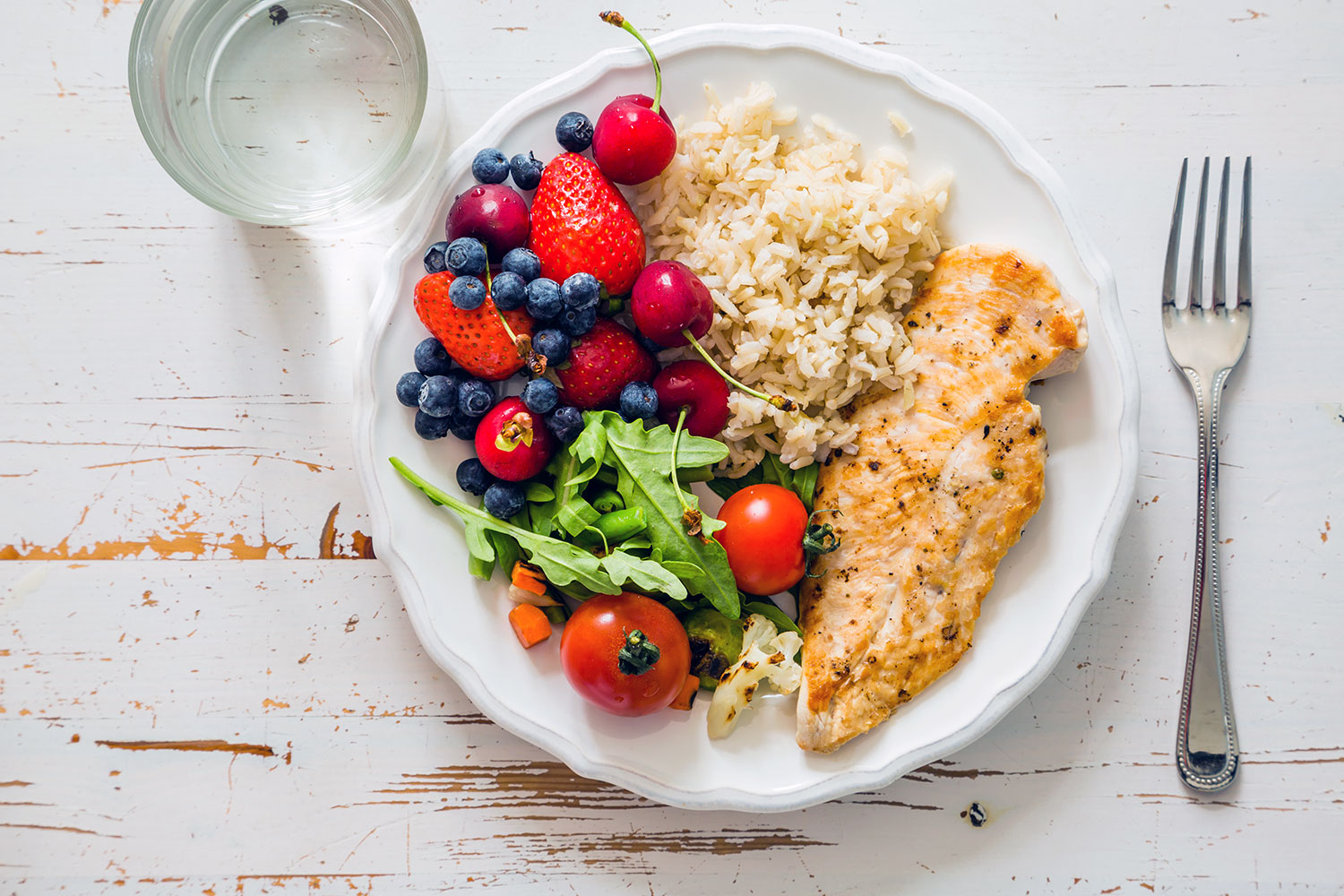
First, get rid of added sugars and extra fat. This means to forgo sweetened coffee drinks, sherbet in smoothies, fried foods and limit cheese and sweet/creamy/oily condiments and sauces. Next, curb alcohol intake to no more than 1 drink per day. Then choose complex carbohydrates like whole grains balanced with lean proteins as the basis for meals and snacks. Vegetables should comprise more of your plate than starches (e.g. potatoes, rice, corn). Portions matter so only eat as much as you need to not feel hungry. Add fresh fruit and low-fat dairy as dessert alternatives. Finally, drink ample water and tea to facilitate digestion, support metabolism and promote satiety.

By acknowledging your current situation and being open to change, you are off to a great start toward new eating habits that should become permanent, not a “first diet.”

– Debbie J., MS, RD

This article should not replace any exercise program or restrictions, any dietary supplements or restrictions, or any other medical recommendations from your primary care physician. Before starting any exercise program or diet, make sure it is approved by your doctor.

Some questions have been edited for length and/or clarity.

Ask our Dietitian

Have a nutrition question? Our registered dietitian is ready to help!

Email nutrition@lafitness.com or submit your question below and it may be featured in an upcoming article!

6 + 10 =


Recommended Reading - Q+A

Blender with fresh ingredients to making healthy detox smoothie with glass of green prepared drink with a straw. Vegan cooking concept
Healthy Smoothie Recipes

Healthy Smoothie Recipes

Cue the sound of a revving engine… running your blender at home can bring goodness with that whirring noise! Creating your own smoothies is a great way to get in some nutrients and plant phytochemicals you otherwise wouldn’t during the day. It allows you to prepare...

Good carbs vs bad carbs
Debunking Diet Myths

Debunking Diet Myths

With so many sources offering nutrition advice, it’s hard to know what’s true. Even factual information can become distorted by the time it reaches you. Like a game of telephone, the message often changes as it’s passed along. Here, we debunk 5 common diet myths to...

Macro-nutrients & Bodybuilding | Q+A

Macro-nutrients & Bodybuilding | Q+A

Question:

I have done body building in the past and know that the perfect combination of protein/carbs/fats produce results with respect to giving the body what it needs to develop lean muscle and lose fat. This is done in part by measuring body fat and weight. How would you calculate this because I had someone do it for me in the past and don’t know how to do it myself. It was broken down into total protein, carbs and fats for the  whole day and further broken down per meal. Can you duplicate this process?

– Alisa O.

Answer:

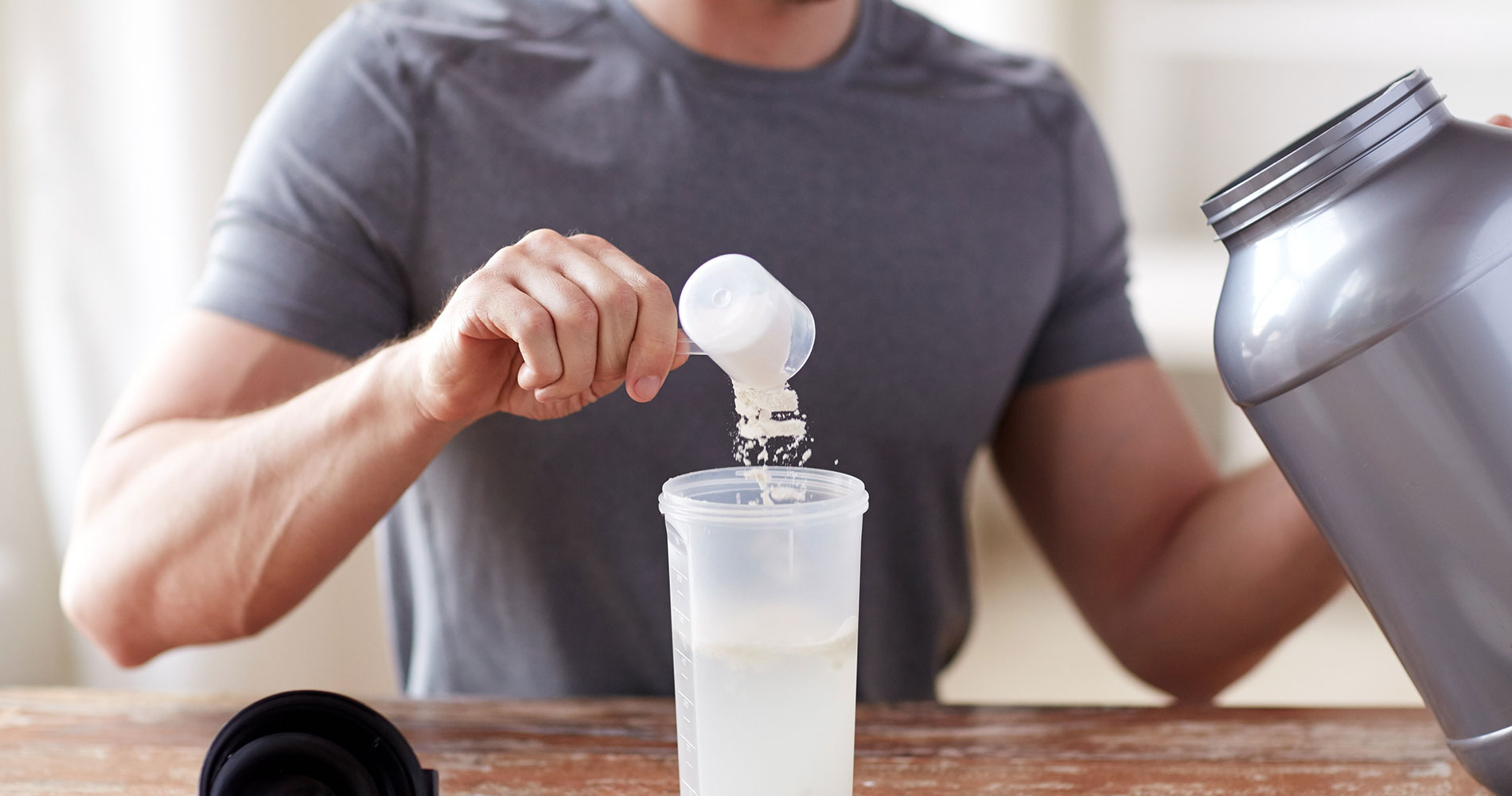
I will admit that I am not sure what “perfect combination” of macro-nutrients you are referring to. One’s individual body composition can be used to help create personal nutritional goals. Actual nutrient needs are much more complex and depend on protein turnover, nitrogen loss and metabolism. Also, nutrient quality, timing and frequency have an impact on developing lean muscle and losing fat.

That said, I like the summary bodybuilding recommendations from an article in the Journal of the International Society of Sports Nutrition*:

Diet component                                     Recommendation

Protein (g/kg of lean body mass)           2.3-3.1

Fat (% of total calories)                          15-30%

Carbohydrate (% of total calories)          remaining

Let’s work through these with a sample 2,000 calorie diet for a 160-pound person with 15% body fat.

  • His or her lean body mass is 62 kg (from 72.73 kg x 0.85).
  • Protein: Recommended range is 142-192 grams (from 62 kg x 2.3-3.1 g/kg). Energy-wise, this amount of protein provides 568-768 calories.
  • Fat: Recommended range is 300-600 calories (from 2,000 x .15-0.3). This equates to 33-67 grams of fat.
  • Carbohydrate energy would be the remainder; we’ll use the range midpoints to get 882 calories (from 2,000 – 668 protein – 450 fat). By grams, this would be 220 grams of carbohydrate.

Apply the recommendations to your own anthropometrics and total energy need to get a possible ideal combination of macro-nutrients for your goals.

*Evidence-based recommendations for natural bodybuilding contest preparation: nutrition and supplementation.  Helms, ER, Aragon AA, Fitschen PJ. Journal of the International Society of Sports Nutrition 201411:20

– Debbie J., MS, RD

This article should not replace any exercise program or restrictions, any dietary supplements or restrictions, or any other medical recommendations from your primary care physician. Before starting any exercise program or diet, make sure it is approved by your doctor.

Some questions have been edited for length and/or clarity.

Ask our Dietitian

Have a nutrition question? Our registered dietitian is ready to help!

Email nutrition@lafitness.com or submit your question below and it may be featured in an upcoming article!

8 + 5 =


Recommended Reading - Q+A

Blender with fresh ingredients to making healthy detox smoothie with glass of green prepared drink with a straw. Vegan cooking concept
Healthy Smoothie Recipes

Healthy Smoothie Recipes

Cue the sound of a revving engine… running your blender at home can bring goodness with that whirring noise! Creating your own smoothies is a great way to get in some nutrients and plant phytochemicals you otherwise wouldn’t during the day. It allows you to prepare...

Good carbs vs bad carbs
Debunking Diet Myths

Debunking Diet Myths

With so many sources offering nutrition advice, it’s hard to know what’s true. Even factual information can become distorted by the time it reaches you. Like a game of telephone, the message often changes as it’s passed along. Here, we debunk 5 common diet myths to...

The Connection Between Coconut Oil & Endothelial Cells | Q+A

The Connection Between Coconut Oil & Endothelial Cells | Q+A

Question:

Does coconut oil harm endothelial cells?

– James B.

Answer:

What a curious question!

The endothelial cells lining your blood vessels work to relax and contract the diameter in response to stimuli. They produce nitric oxide, a vasodilator. Stiff or narrow arteries are risk factors for cardiovascular events because they don’t allow the blood to flow through adequately. When the endothelium isn’t working properly, it’s called dysfunction. This can lead to the development of atherosclerosis (plaque deposition).

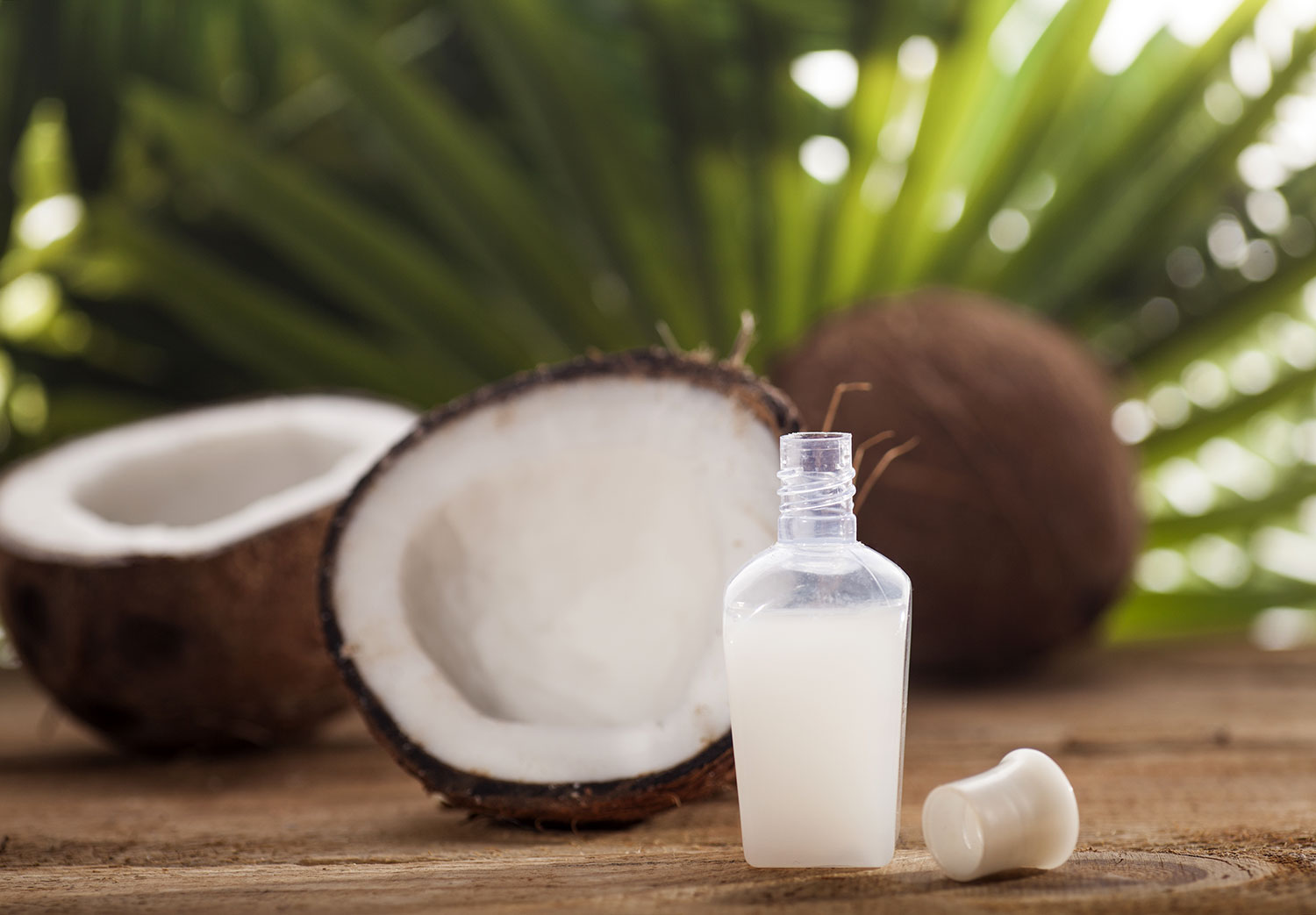
Coconut oil is 100% cholesterol-free (as are all plant oils), but contains mostly saturated fatty acids. These differ chemically from, and are not as harmful to the vascular system as, animal saturated fats.

In searching the US National Library of Medicine’s database of published research for “coconut” and “endothelial” in human subjects, the search results showed only 3 related articles. One suggested that saturated fats did not affect endothelial function as compared with trans fats1. Another showed no difference between coconut oil and sunflower oil (high in polyunsaturated fatty acids) in cardiovascular risk2. The third showed similar impairment in endothelium-dependent artery dilation from both coconut milk and a Western high-fat meal3.

Leaving no stone unturned, I looked for other studies not in this database. One that compared coconut oil to safflower oil (high in polyunsaturated fatty acids) in a single high fat meal found a “non-significant trend toward impairment of endothelium-dependent vascular reactivity in conduit arteries… after the saturated fat meal.4

All together, the body of research shows that there is not enough evidence to say there is a definitive correlation between consumption of coconut oil and epithelium health. So James, I would say to keep your fat intake at a low to moderate level and from primarily plant sources of unsaturated fat.

– Debbie J., MS, RD


Sources: 

  1. High trans but not saturated fat beverage causes an acute reduction in postprandial vascular endothelial function but not arterial stiffness in humans. Lane-Cordova AD, et al.  Vascular Medicine 2016 Oct; 21(5): 429-436.
  2. A randomized study of coconut oil versus sunflower oil on cardiovascular risk factors in patients with stable coronary heart disease. Vijayakumar M, et al. Indian Heart Journal. 2016 Jul-Aug; 68(4): 498-506.
  3. Impairment of endothelial function–a possible mechanism for atherosclerosis of a high-fat meal intake. Ng CK, Chan AP, Cheng A.  Annals of the Academy of Medicine, Singapore. 2001 Sep; 30(5): 499-502.
  4. Consumption of Saturated Fat Impairs the Anti-Inflammatory Properties of High-Density Lipoproteins and Endothelial Function. Stephen JN, et al.

Journal of the American College of Cardiology

Volume 48, Issue 4, August 2006

This article should not replace any exercise program or restrictions, any dietary supplements or restrictions, or any other medical recommendations from your primary care physician. Before starting any exercise program or diet, make sure it is approved by your doctor.

Some questions have been edited for length and/or clarity.


Ask our Dietitian

Have a nutrition question? Our registered dietitian is ready to help!

Email nutrition@lafitness.com or submit your question below and it may be featured in an upcoming article!

15 + 11 =


Recommended Reading - Q+A

Blender with fresh ingredients to making healthy detox smoothie with glass of green prepared drink with a straw. Vegan cooking concept
Healthy Smoothie Recipes

Healthy Smoothie Recipes

Cue the sound of a revving engine… running your blender at home can bring goodness with that whirring noise! Creating your own smoothies is a great way to get in some nutrients and plant phytochemicals you otherwise wouldn’t during the day. It allows you to prepare...

Good carbs vs bad carbs
Debunking Diet Myths

Debunking Diet Myths

With so many sources offering nutrition advice, it’s hard to know what’s true. Even factual information can become distorted by the time it reaches you. Like a game of telephone, the message often changes as it’s passed along. Here, we debunk 5 common diet myths to...

Foods to Help Muscle Recovery | Q+A

Foods to Help Muscle Recovery | Q+A

Question:

What are some good foods to eat to help with the recovery after I work out? I seem to be unusually sore and tired.

– Stephanie E.

Answer:

The goal of recovery nutrition is two-fold. First, to restore balance by eliminating deficits of glycogen and buildup of toxins. Second, to infuse the muscles with building blocks to repair and form new cell structure. Your concern definitely points to the first goal. With that in mind, you will need to look at timing and composition of your recovery meal/snack.

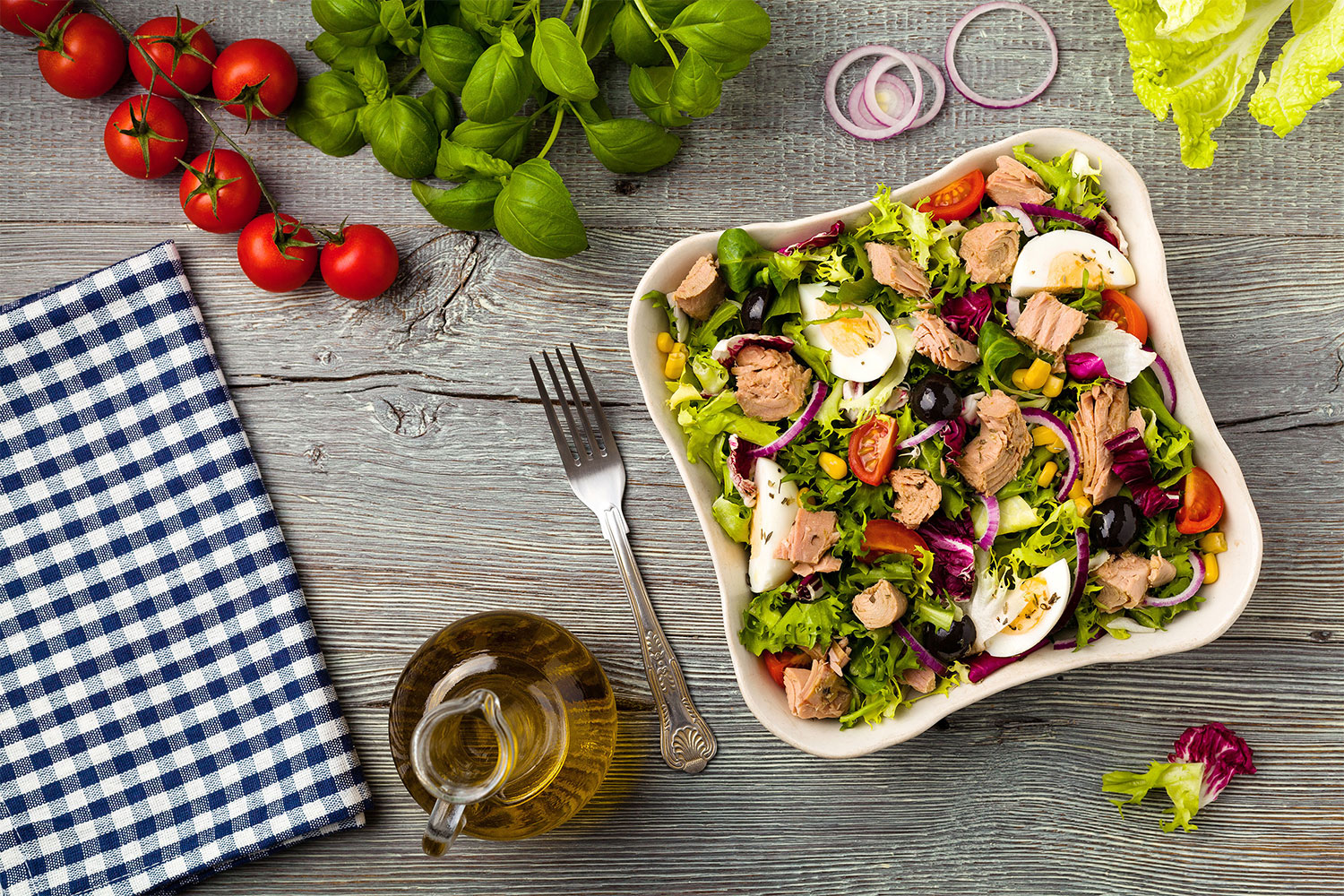
Since your muscles are sore, their cellular metabolism needs to be restored to normal. You might need more sources of potassium and anti-inflammatory compounds. These include tomatoes, bananas, potatoes, kale, cabbage, berries, cherries, lentils, salmon, tuna, nuts, garlic, curcumin, and olive oil. One possible recovery meal is tuna salad with tomatoes, olives and pine nuts on spinach. A tasty snack option is cherries and almonds.

Please note that muscle soreness is no longer thought to be caused by a buildup of lactic acid. More often it’s caused by microscopic damage to the muscle fibers from intense work. Pacing yourself during your workout with adequate breaks between sets may help.

Resources:

American Council on Exercise “What causes muscle soreness and how is it best relieved?” 9/4/09

Harvard Health Publications “Foods that fight inflammation” 8/13/17

Sports Illustrated “Debunking the myths about lactic acid, fatigue and recovery” 7/21/16

– Debbie J., MS, RD

This article should not replace any exercise program or restrictions, any dietary supplements or restrictions, or any other medical recommendations from your primary care physician. Before starting any exercise program or diet, make sure it is approved by your doctor.

Some questions have been edited for length and/or clarity.

LA Fitness Living Healthy subscribe button

Want more? SUBSCRIBE to receive the latest Living Healthy articles right in your inbox!

Ask our Dietitian

Have a nutrition question? Our registered dietitian is ready to help!

Email nutrition@lafitness.com or submit your question below and it may be featured in an upcoming article!

8 + 1 =

Recommended Reading - Q+A

Blender with fresh ingredients to making healthy detox smoothie with glass of green prepared drink with a straw. Vegan cooking concept
Healthy Smoothie Recipes

Healthy Smoothie Recipes

Cue the sound of a revving engine… running your blender at home can bring goodness with that whirring noise! Creating your own smoothies is a great way to get in some nutrients and plant phytochemicals you otherwise wouldn’t during the day. It allows you to prepare...

Good carbs vs bad carbs
Debunking Diet Myths

Debunking Diet Myths

With so many sources offering nutrition advice, it’s hard to know what’s true. Even factual information can become distorted by the time it reaches you. Like a game of telephone, the message often changes as it’s passed along. Here, we debunk 5 common diet myths to...

Quick Tips For Fast Weight Loss | Q+A

Quick Tips For Fast Weight Loss | Q+A

Question:

I’m 5′ 8.5″ and 160 lbs., and want to lose 10 lbs. over the next 3 weeks. How many calories do I need to burn per day to accomplish that, assuming I spend 6-8 hrs. per week at gym with moderate walk and weights?

– Robin B.

Answer:

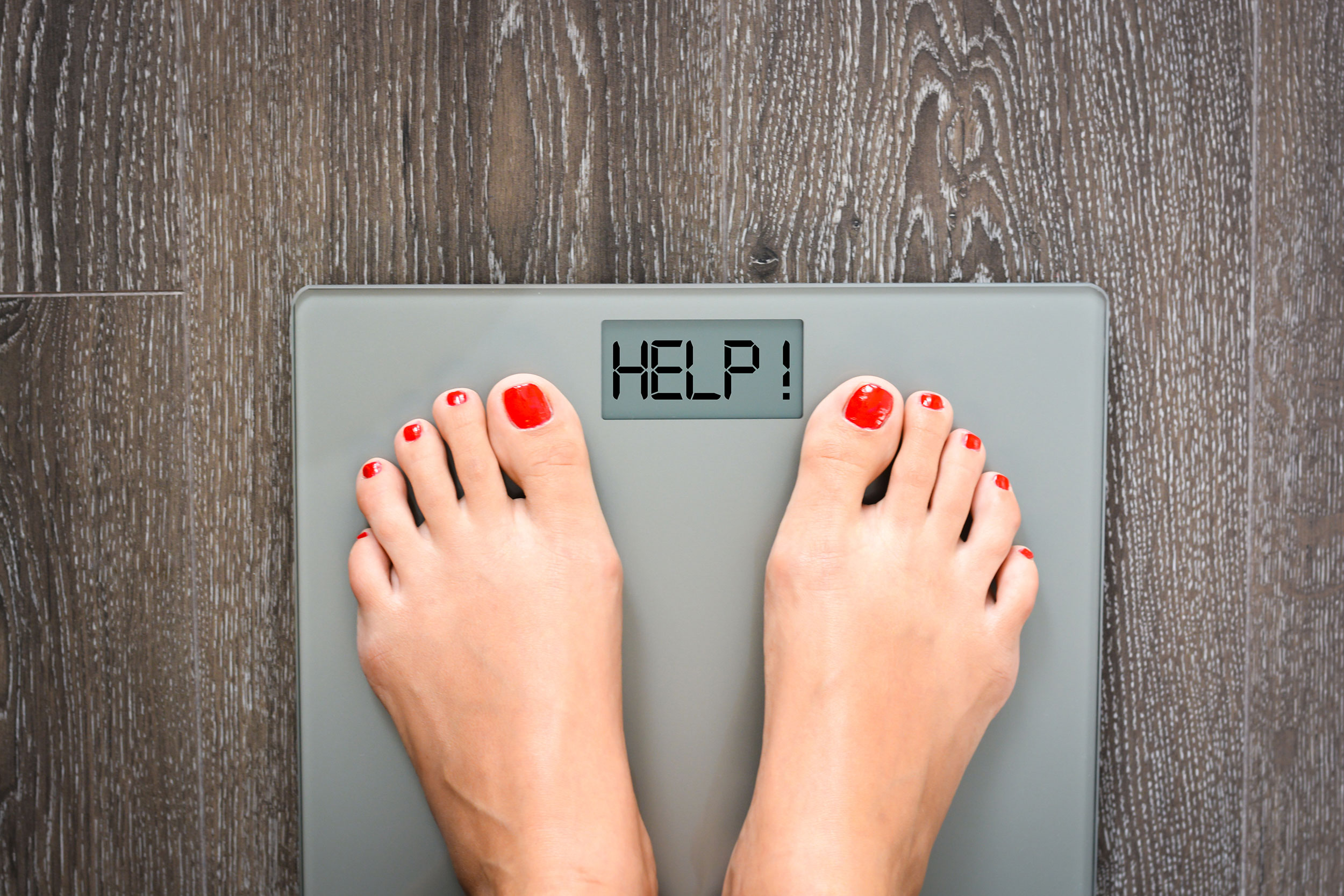
You will need to amp up your calorie burn to reach a large enough deficit to effectively lose 10 pounds in 3 weeks, even if you were to follow a bare minimum 1200 calorie plan! Below that amount, low calorie diets may only change the scale, not your physique, and rarely provide adequate nutrients. Medically supervised very low calorie diets (800 cals/day) are effective for those significantly overweight, which you are not.

Rapid weight loss from a short-term intervention usually means water loss (not fat) plus regain later. Why not identify areas of your current diet that need tightening and find ways to move more during the day outside the gym?  You can read our biggest weight loss tips by clicking here.

– Debbie J., MS, RD

This article should not replace any exercise program or restrictions, any dietary supplements or restrictions, or any other medical recommendations from your primary care physician. Before starting any exercise program or diet, make sure it is approved by your doctor.

Some questions have been edited for length and/or clarity.

LA Fitness Living Healthy subscribe button

Want more? SUBSCRIBE to receive the latest Living Healthy articles right in your inbox!

Ask our Dietitian

Have a nutrition question? Our registered dietitian is ready to help!
Email nutrition@lafitness.com or submit your question below and it may be featured in an upcoming article!

6 + 5 =

Recommended Reading - Q+A

Blender with fresh ingredients to making healthy detox smoothie with glass of green prepared drink with a straw. Vegan cooking concept
Healthy Smoothie Recipes

Healthy Smoothie Recipes

Cue the sound of a revving engine… running your blender at home can bring goodness with that whirring noise! Creating your own smoothies is a great way to get in some nutrients and plant phytochemicals you otherwise wouldn’t during the day. It allows you to prepare...

Good carbs vs bad carbs
Debunking Diet Myths

Debunking Diet Myths

With so many sources offering nutrition advice, it’s hard to know what’s true. Even factual information can become distorted by the time it reaches you. Like a game of telephone, the message often changes as it’s passed along. Here, we debunk 5 common diet myths to...