Mid-Workout Snacks to Boost Your Energy | QA
Debbie James, RDN, helps answer a question about energizing snack options to pull athletes through the second half of a high energy workout.



I am a 59-year-old male who is still playing competitive soccer. – 2 x 45 minute halves each game. Any suggestions for a halftime snack to boost my 2nd half energy level?
– Joe B.

Bravo for keeping up your game! Many athletes experience a decline in energy level toward the end of a match, especially those lasting nearly 2 hours. Hopefully you are consuming a balanced meal a couple of hours prior, then a sports drink 5 to 10 minutes before kickoff. A halftime snack helps to postpone fatigue, stabilize blood sugar and keep up the pace during the second half.
Items with significant fat, fiber or protein — which slow digestion and thus blood glucose replenishment – should be avoided at this time. For that reason, even a flavored yogurt cup or granola bar may not be suitable.
A halftime snack should be comprised of carbohydrates, fluids and electrolytes. Examples include: watermelon slices, orange wedges, grapes, applesauce packet, half fruit bar + water, coconut water, and a sports hydration drink. Carbohydrate gels are another (more expensive) option.
Sources:
– Debbie J., MS, RD
This article should not replace any exercise program or restrictions, any dietary supplements or restrictions, or any other medical recommendations from your primary care physician. Before starting any exercise program or diet, make sure it is approved by your doctor.
Some questions have been edited for length and/or clarity.
 Have a nutrition question? Our registered dietitian is ready to help!
Email nutrition@lafitness.com or submit your question below and it may be featured in an upcoming article!
Debbie James, RDN, helps answer a question about energizing snack options to pull athletes through the second half of a high energy workout.

Registered Dietitian, Debbie James, helps answer a reader’s question about a good nutrition guide for a healthy pregnancy.
Registered Dietitian, Debbie James, helps answer a reader’s question about how to put on muscle while eating a clean diet.
My husband and I are thinking about having a baby, what is a good nutrition guide to follow when pregnant?
-Misty
How wonderful! Why not follow a smart pre-conception diet now? Laying down a good nutritional foundation means that you’ll not only increase the likelihood of conceiving but also of a healthy first trimester – for you as well as the baby. Get hubby on board, too. ?
Many “conception diets” recommend that half your plate be from fruits and vegetables, a quarter from whole grains and a quarter lean protein, which agrees with USDA’s Choose MyPlate guidelines. If you’re trying to get pregnant, drinking reduced or whole fat milk is correlated with normal fertility, but not 1% or skim (non-fat). Consume healthy plant-based fats like avocado, nuts, olives and coconut oil in moderation. Limit refined sugar, red meat and foods containing trans-fat.
As many women don’t know they are carrying a baby until several weeks into pregnancy, taking a prenatal vitamin with 100% RDI of folic acid (400 µg folate equivalent) and iron (18 mg) is advisable. Many produce items (notably spinach, asparagus, Brussel sprouts) have the B-vitamin folate, necessary for early neural tube development. Dietary sources of the important blood mineral iron include meat, fortified cereals, beans, and dark green leafy vegetables.
During pregnancy, follow your obstetrician’s advice and that from established and trusted institutions such as The American College of Obstetricians and Gynecologists (ACOG), The Academy of Nutrition and Dietetics (AND), and The US Office on Women’s Health (OWH).
You’ll need extra fluids, nutrients and calories as your pregnancy progresses. In the first trimester, folate and other vitamins and minerals are crucial for proper neural tube development, so a good prenatal vitamin is key. Strictly avoid alcohol during this time.
The second trimester is when you start to expand blood volume and increase maternal stores while your baby grows rapidly from the size of a nut (3”, 1 oz.) to a football (12”, 1 lb.) while developing all of its organs and features. About 2 additional cups of fluids are needed per day. Adding around 300 extra calories from healthy foods with adequate calcium and iron will support this growth.
In the last trimester, your baby is filling out to full-term weight. This is when you are truly “eating for two, ” although in terms of energy, you really only need an additional 200 calories on top of your 2nd trimester needs.
Sources:
– Debbie J., MS, RD
This article should not replace any exercise program or restrictions, any dietary supplements or restrictions, or any other medical recommendations from your primary care physician. Before starting any exercise program or diet, make sure it is approved by your doctor.
Some questions have been edited for length and/or clarity.
Have a nutrition question? Our registered dietitian is ready to help!
Email nutrition@lafitness.com or submit your question below and it may be featured in an upcoming article!
Debbie James, RDN, helps answer a question about energizing snack options to pull athletes through the second half of a high energy workout.
Registered Dietitian, Debbie James, helps answer a reader’s question about a good nutrition guide for a healthy pregnancy.
Registered Dietitian, Debbie James, helps answer a reader’s question about how to put on muscle while eating a clean diet.
Hi, my name is Nigel and I was wondering if you could help me with eating tips for someone trying to clean bulk. Thanks.
– Nigel A.
As a dietitian I interpret your inquiry as you’d like advice for bulking up on strictly a ‘clean’ diet. Bulking up without gaining fat pretty much means eating a clean diet, anyway.
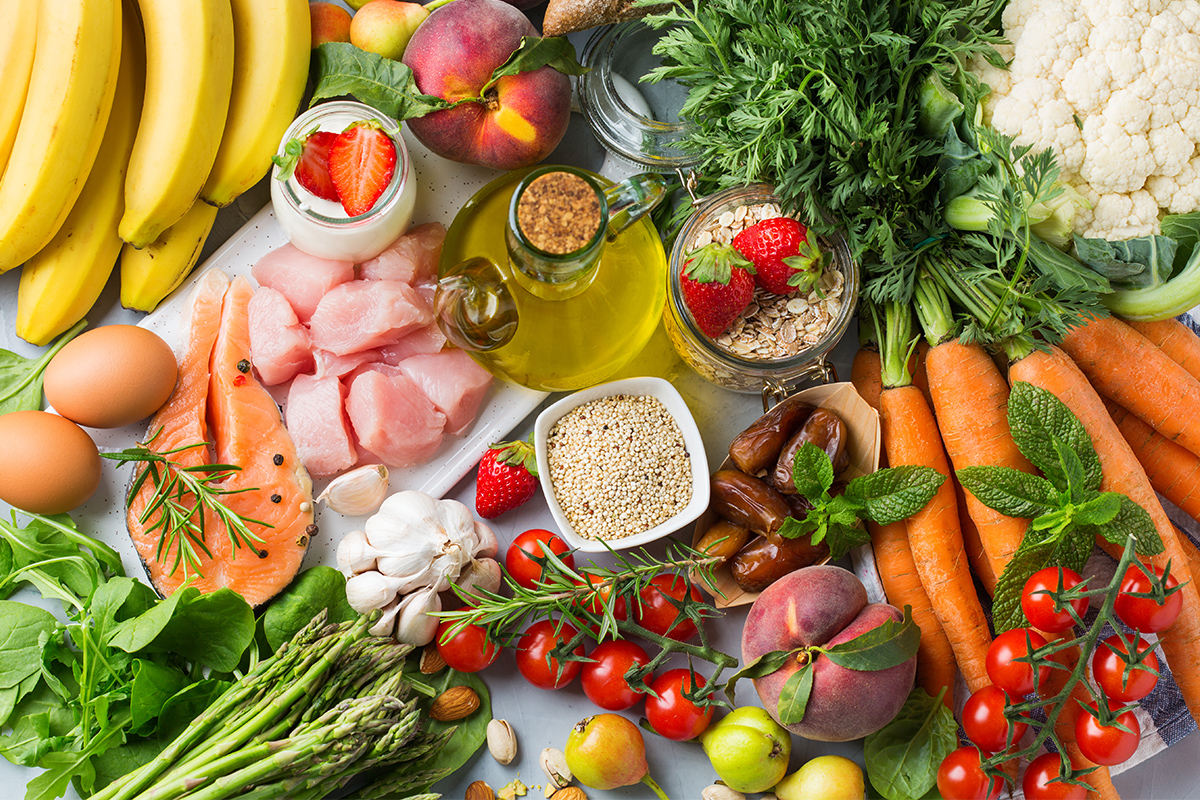
Clean foods – those that are raw or minimally processed – include energy dense foods like avocados, banana, coconut, fatty fish, meats, nuts, extra virgin olive oil, poultry dark meat, seed butters, and soybeans which can help you put on weight. Muscle weight if resistance training consistently, of course. Starchy vegetables like corn, potatoes, peas and winter squash and (naturally) dried fruit provide more energy per bite than watery ones. Other higher calorie foods (by weight) such as granola/trail mix, pesto and cottage cheese can be made from scratch if raw/unprocessed is desired. Incorporating eggs and quinoa helps to keep protein intake up.
Resources:
– Debbie J., MS, RD
This article should not replace any exercise program or restrictions, any dietary supplements or restrictions, or any other medical recommendations from your primary care physician. Before starting any exercise program or diet, make sure it is approved by your doctor.
Some questions have been edited for length and/or clarity.
Have a nutrition question? Our registered dietitian is ready to help!
Email nutrition@lafitness.com or submit your question below and it may be featured in an upcoming article!
Debbie James, RDN, helps answer a question about energizing snack options to pull athletes through the second half of a high energy workout.
Registered Dietitian, Debbie James, helps answer a reader’s question about a good nutrition guide for a healthy pregnancy.
Registered Dietitian, Debbie James, helps answer a reader’s question about how to put on muscle while eating a clean diet.
I would like to increase my bone density. Do you have any suggestions for me regarding the best vegan foods to eat?
Very respectfully,
– Brenda H.
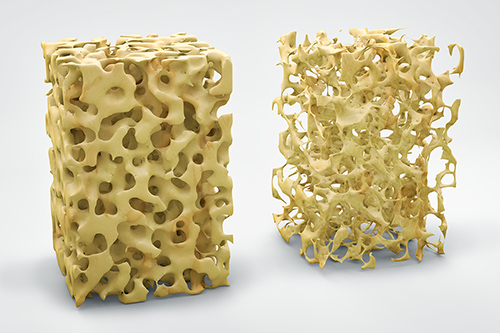
Congratulations on providing the first bone density inquiry to Living Healthy! Your answer follows. First, here’s a brief primer on bone mineralization for the rest of our audience: Bone is actually a living tissue with blood supply to the marrow and cells that are adding tissue (osteoblasts) while others remove it (osteoclasts). The main structural compound is hydroxyapatite, made from the minerals calcium and phosphorus. Bone also contains small amounts of magnesium, sodium and bicarbonate. Density refers to the mass of the bone mineral material in a certain volume. Peak bone mass occurs around age thirty years. Keeping bones strong and avoiding loss of the matrix helps to prevent a porous condition later in life called osteoporosis.
Diet and physical activity are controllable lifestyle factors that account for 10–50% of bone mass and structure. Physical activity stresses the bone to adapt and strengthen. Maintaining an adequate weight allows optimal pressure from gravity against the ground. Not smoking and avoiding heavy alcohol use prevents mineral loss due to tobacco products and drinking.
A well-balanced diet is important for bone health throughout the lifespan though notably significant are calcium and vitamin D. As mentioned previously, calcium is a major mineral component of bone structure while vitamin D assists in calcium absorption and utilization. The majority of the body’s phosphorus and magnesium are found in the skeleton. Other micronutrients that appear to play a positive role in bone health include vitamins B12, C and K, and minerals copper, manganese, zinc, potassium and iron.
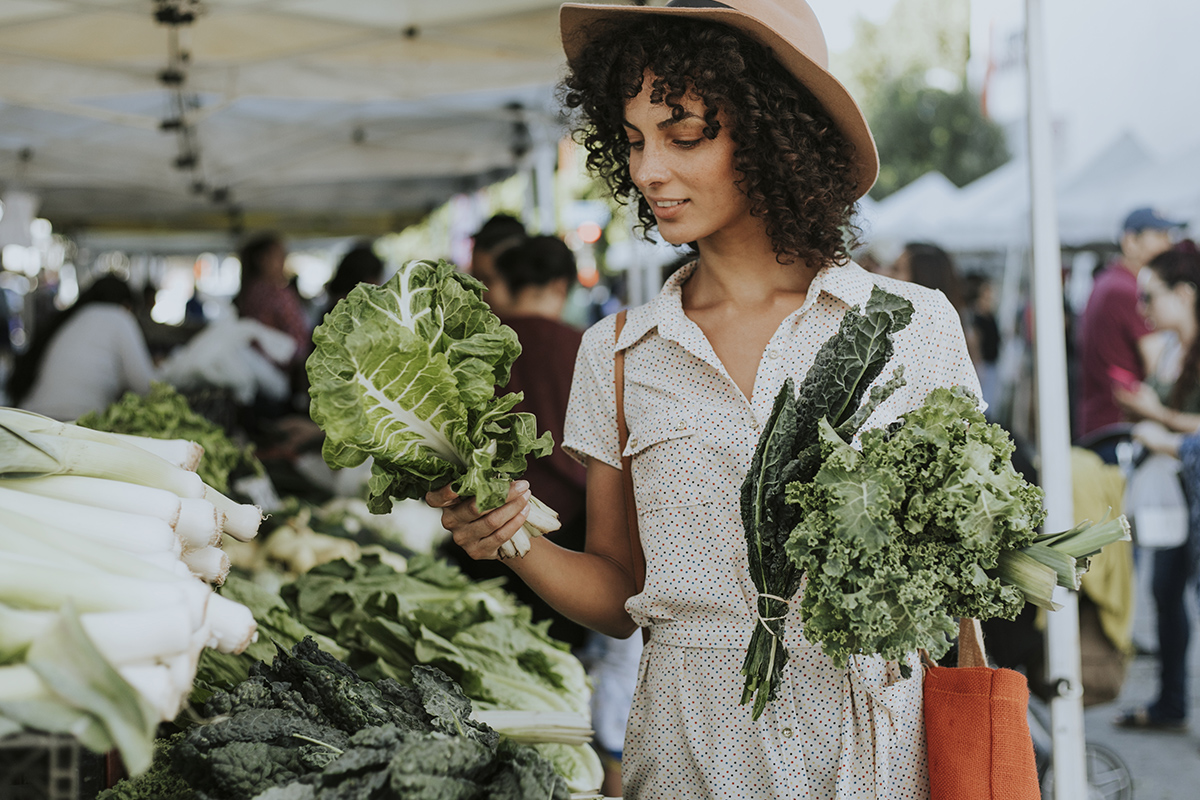
Vegan diets abundant in whole grains, legumes, fruits, vegetables, nuts and seeds that are not excessive in sodium or caffeine can promote optimal bone density, but may need to be supplemented in certain areas. The strongest plant sources of the aforementioned nutrients are dark green leafy vegetables, cabbage, broccoli, beans, mushrooms exposed to light, almonds, blackstrap molasses, okra, calcium-set tofu, fortified nut milks, nut butters, brown rice, dried figs, chia seeds, potatoes, citrus fruit, strawberries, tomatoes, dried coconut and cocoa. Supplements of vitamin B12 are advised for vegans since it is not found in plant foods.
Sources:
– Debbie J., MS, RD
This article should not replace any exercise program or restrictions, any dietary supplements or restrictions, or any other medical recommendations from your primary care physician. Before starting any exercise program or diet, make sure it is approved by your doctor.
Some questions have been edited for length and/or clarity.
Have a nutrition question? Our registered dietitian is ready to help!
Email nutrition@lafitness.com or submit your question below and it may be featured in an upcoming article!
Debbie James, RDN, helps answer a question about energizing snack options to pull athletes through the second half of a high energy workout.
Registered Dietitian, Debbie James, helps answer a reader’s question about a good nutrition guide for a healthy pregnancy.
Registered Dietitian, Debbie James, helps answer a reader’s question about how to put on muscle while eating a clean diet.
Fat has long been regarded as the foe of the weight conscious, except for those on a ketogenic diet. The goal for keto diets is to consume enough fat to force the body into ketosis and use fat for fuel instead of carbohydrate (glucose). Can a supplement of a certain type of fat also promote a shift in body composition? Fingers point to MCT (medium chain triglyceride) oil as the magic bullet that can boost metabolism, burn fat and build muscle.
What a Triglyceride is: Most fats we eat are triglycerides which have three fatty acid chains (if you must know — one attached to each hydrocarbon of a glycerol backbone). Mainly we eat triglycerides with long fatty acid chains (12-18 carbons), which may be saturated or unsaturated. Short chain fatty acids (4 carbons), on the other hand, are predominantly produced by gut bacteria.
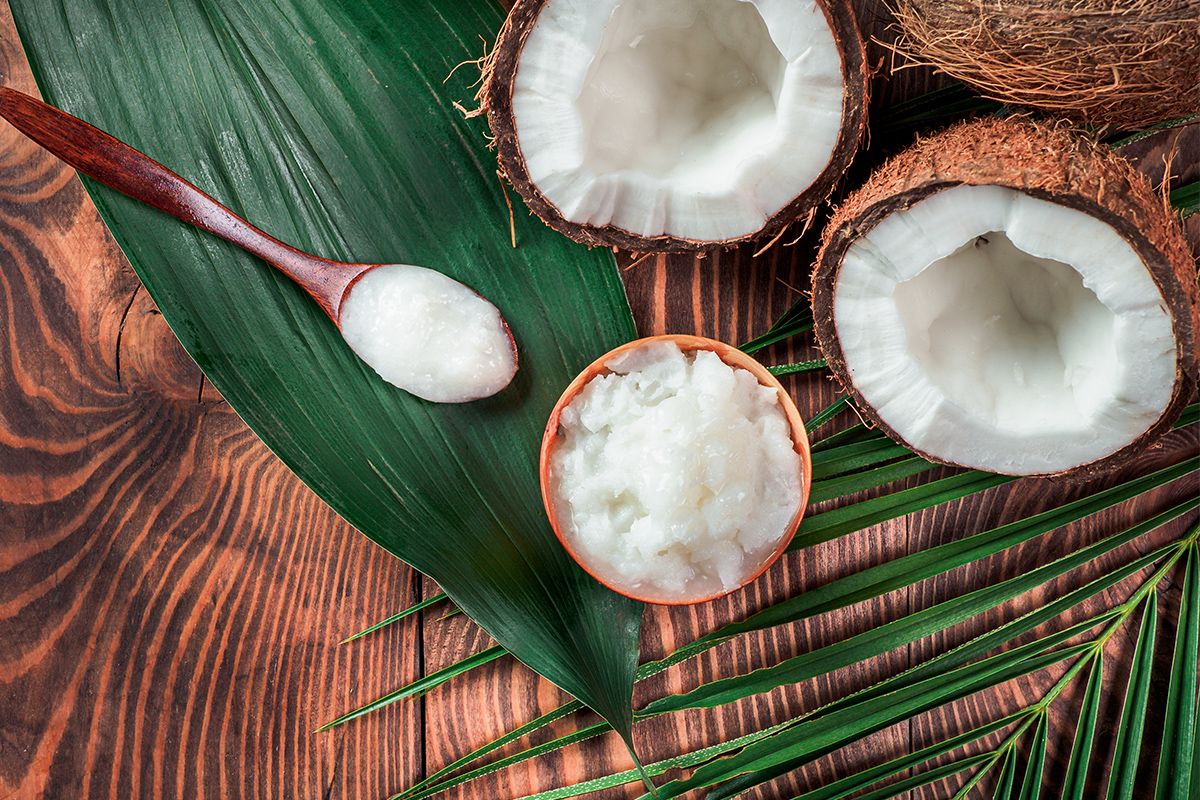
So, what exactly are MCTs? Medium chain fatty acids have 6-10 carbons in length. They are found in coconut (16%) and palm (8%) oils, and to a lesser extent in dairy products. When they are cleaved off and reassembled to glycerol in a lab — Voila! — a medium chain triglyceride (MCT) without long fatty acids is made. So isolated MCT isn’t found in nature but is man-made. MCT oils generally contain either caprylic acid (C8), capric acid (C10) or a combination of the two, and to a lesser extent, caproic acid.
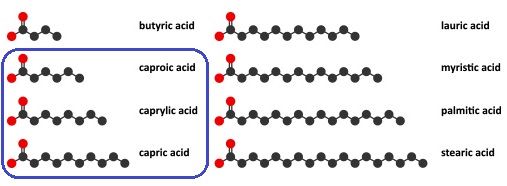
MCTs are metabolized differently than the long chain triglycerides found in most foods. MCTs are digested more rapidly (and transported to liver for oxidation) than long chain triglycerides, which take longer to metabolize and get stored as fat in the process. Providing 10% fewer calories compared to other fats, MCT oil is a lactose-free, gluten-free, vegan, pareve rapid fuel. Weak evidence supports replacement of LCTs with MCTs for promoting weight loss while there’s insufficient research on other metabolic effects and Alzheimer’s disease.

Because it’s man-made and lacks long chain fatty acids found in natural foods, MCT oil does not provide essential fatty acids (linoleic an omega-6 fatty acid, linolenic an omega-3). Medium chain fatty acids are always saturated, a concern for cholesterol levels and heart health. Ingestion of large doses of MCT oil may cause significant gastrointestinal distress. As one major manufacturer indicates: “Use of MCT as part of a ketogenic diet requires medical supervision.” Supplementing can get costly with an average MCT oil price of $1 per fluid ounce, compared with coconut oil at 50¢ per fl. oz.
Doses of 5 to 48 grams per day (as much as 9 teaspoons) were shown in clinical studies to yield enhanced results. For best tolerance, start with 1 teaspoon (5 mL) 3 to 4 times a day. Slowly (over a week or more), increase to a maximum of 1 Tablespoon (15 mL) 3 to 4 times a day. Food products with MCTs will show “modified coconut and/or palm kernel oil (medium chain triglycerides)” in the ingredients list – check the Nutrition Facts panel for grams of saturated fat.

Don’t take MCT oil on an empty stomach. Like other oils, MCT oil may be mixed into beverages such as juice or milk, or into sauces, salad dressings, and other foods. Colorless, flavorless and odorless, MCT oil is easy to incorporate into dishes but won’t impart more taste. Because of its low smoke point, you shouldn’t cook with MCT oil in high heat. Wholesome fats for Keto diets include coconuts and unrefined coconut oil, avocados and avocado oil, nuts, nut and seed butters, flax seeds, hemp hearts, chia seeds, olives and cold pressed olive oil, cacao nibs, full fat Greek yogurt, fatty fish, whole eggs, butter, and cheese.
For a ketogenic diet that’s already based on an extremely high percentage of calories from fat, substituting MCT oil for other oils in cold food preparation may provide a slight body composition benefit. As an oral supplement, taking undiluted MCTs without food may not be tolerated. You’ll still need to incorporate healthy whole plant fats in your diet for essential fatty acids.
Sources