Mid-Workout Snacks to Boost Your Energy | QA
Debbie James, RDN, helps answer a question about energizing snack options to pull athletes through the second half of a high energy workout.


Imagine this scenario —
“I survived the week-long school trip without getting sick like last time.”
“Wow – with all those kids? Good hygiene, I bet.”
“Maybe, but I safeguarded with echinacea, zinc and high-dose Vitamin C.”
“Didn’t you tell me you started probiotics beforehand, too?”
“Yep – my trifecta plus one! I just needed something to make a difference.”
“Uh, okay. But how do you know which ‘thing’ did the trick?”
— silence —
Immune-enhancing products are akin to a muscle-building arsenal because many weightlifters try everything all at once like the first person in our story. Starting a thermogenic, pre-workout formula, creatine, NO booster, and recovery drink at the same time is like a “throw everything at the wall and see what sticks” approach.
To enhance the effects of rigorous training and a nutritious diet, many people use ergogenic aids to reach top shape or peak performance. And the most popular ergogenic aids are dietary supplements. The term “stack” 15 years ago referred to a product with combined ingredients that had similar effects, such as herbal stimulants or androgens.
Now, it’s about stacking multiple supplements (often with proprietary blends) within the day. Most often targeted for gaining muscle and losing fat, stacking various supplements is promoted for gains in the weight room. The idea is that by grouping supplements together there may be a synergy of certain ingredients that combine to create greater advantages.
For single-ingredient preparations, it makes sense to take more than one dietary supplement, as they have different methods of action and are useful at different times. But by starting several compound supplements at once, it’s more difficult to determine which are effective – particularly if there are 6-8 products on the list! I recommend taking no more than four while ProResults® Master Trainer Geoff Fox advises avoiding performance-enhancing supplements (your wallet will thank us).

For those of you that are stacking your supplements, here are some tips for evaluating product effectiveness and safety:

Debbie James, RDN, helps answer a question about energizing snack options to pull athletes through the second half of a high energy workout.

Registered Dietitian, Debbie James, helps answer a reader’s question about a good nutrition guide for a healthy pregnancy.
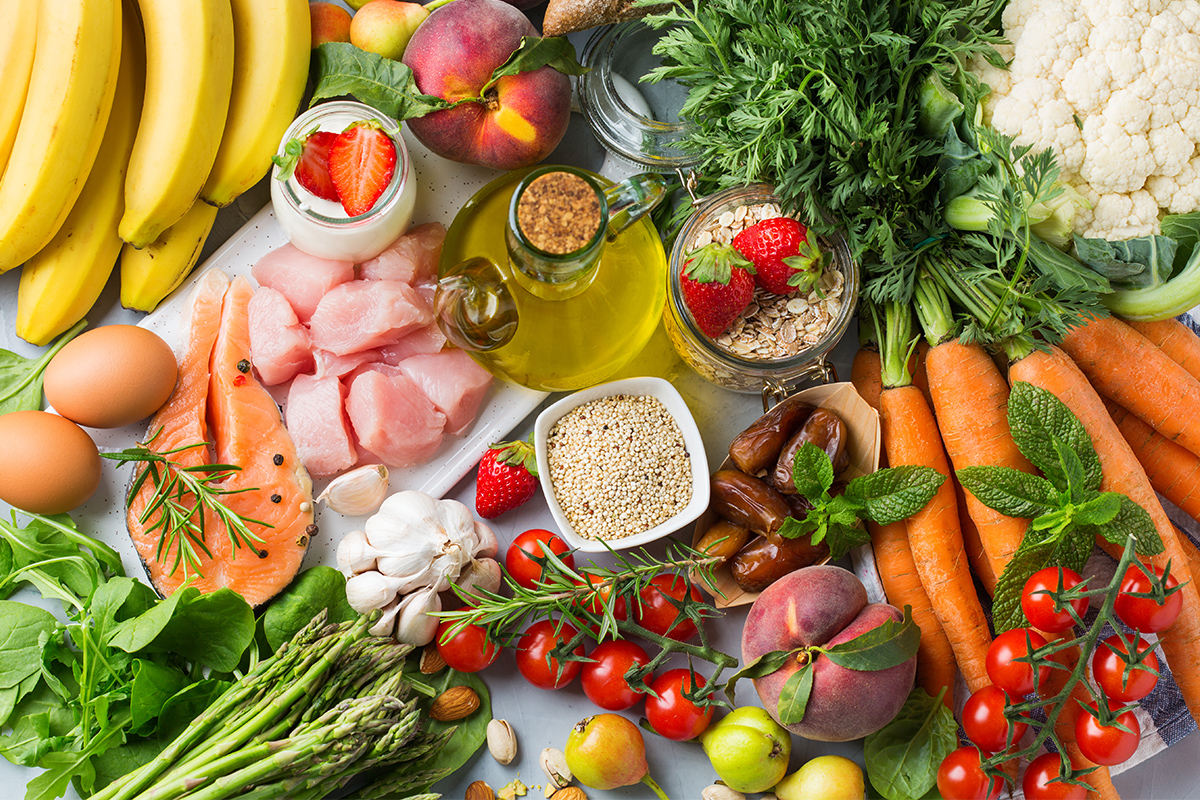
Registered Dietitian, Debbie James, helps answer a reader’s question about how to put on muscle while eating a clean diet.
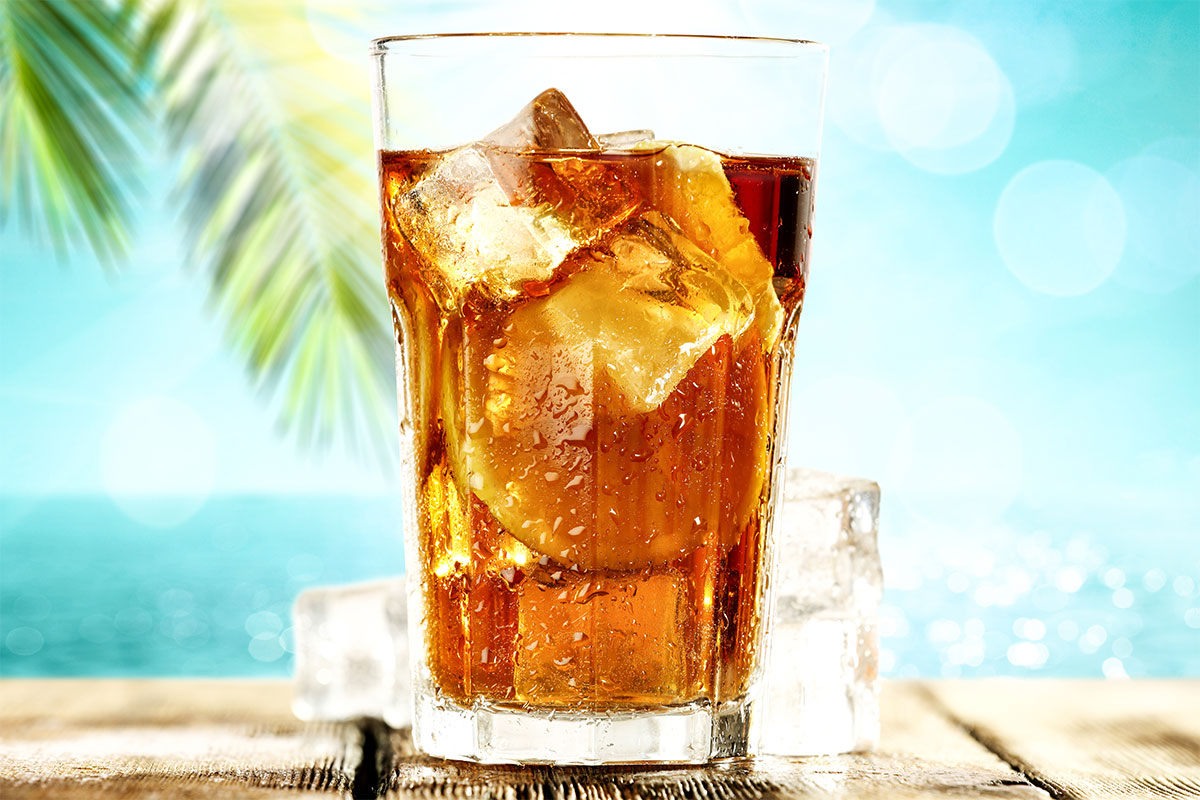

Sipping a cool glass of iced tea feels so refreshing and hydrating! Wouldn’t it be even better if you knew that doing so might also help your waistline? We wanted to find out if that was the case, so we explored which type of iced tea (black, green or white) has a waist-slimming effect.
True tea is brewed from the leaves of the camellia sinensis plant. The names of the tea colors have to do with leaf maturity and extent of oxidation. Oxidation is the process responsible for the browning of black tea leaves, as well as the development of new flavonoids. When the leaves are simply steamed and crushed manually without additional oxidation they retain a green color. White tea is the variant that undergoes the least processing and the leaves are harvested while the tea plant is still young.
Here’s how the three types fare in comparison to one another for belly fat reduction:
Black tea* is high in polyphenols called flavonoids. A predominant form of flavonoids are polyphenolic catechins. The process of oxidation browns the leaves and causes reduced catechin content – by around 85% compared to green tea – and less bitterness.1
One study on black tea consumption (3 cups/day) showed positive effects on weight and waist circumference at 3 months, but not at 6 months.2 Animal and small human studies suggest that the caffeine in black tea may increase basal metabolism by up to 6 percent.3 It’s proposed that caffeine encourages the body to breakdown stored fat and stimulate its metabolism. With caffeine, more is not better! Safety guidelines recommend you should only consume up to 400mg of caffeine per day (equal to 5-8 cups of black tea). Also, note that black tea is a rich source of oxalates which can cause kidney stones.
* Chinese black tea (called red tea in China since brewing causes a reddish color) is not the same: The leaves are aged for a very long time giving Chinese black tea a different flavor and flavonoid profile. Oolong tea is made from sun-dried tea leaves that are partially oxidized. Pu’er tea is made from leaves that have been oxidized then microbially fermented.
Green tea is characteristically bitter and astringent and has the most catechins compared to black tea. There are eight prominent catechins found in green tea including epigallocatechin gallate (EGCG) which is believed to be the most pharmacologically active and is the most extensively studied. Green tea catechins (predominantly EGCG) may influence fat distribution by preventing fat cell proliferation, reducing fat absorption, increasing energy expenditure and increasing fat burning.4
It appears that catechins’ ability to impact abdominal fat takes place at a certain threshold. It takes about 500mg catechins (equal to 5 cups of green tea)4,5 to modestly reduce abdominal fat or waist circumference, based on studies using catechin-enhanced beverages.6,7 Again, more is not better… consuming greater than 800mg of EGCG in one sitting would be like slamming a gallon of green tea all at once, and instead of acting as an antioxidant (as it does at lower levels), you’d get pro-oxidant effects!
Aside from sympathetic nervous system action, green tea catechins may also increase satiety. Green tea catechins increase the release of hormones that reduce our appetite and induce a satiating effect, telling our brain that we’ve eaten enough.8
The caffeine naturally present in green tea may increase energy expenditure on its own but it’s evident that caffeine works synergistically with the catechins. A meta-analysis of research4 and other long-term studies9 indicate that decaffeinated green tea extracts do not have an effect on body weight or abdominal fat.
White tea offers a sweeter and lighter taste than black or green teas although it still contains a variety of compounds including EGCG. One study showed that the range of its total catechin content can overlap the variance found in green tea, making the amount comparable.10 The authors concluded that the source, cultivation, and processing of a given tea may have more influence on catechin content than whether it is green or white.10 Another study demonstrated that the caffeine content between green and white tea is not appreciably different.11
Human studies investigating white tea’s effects on abdominal fat are rare. Results of an in vitro study indicated that white tea extract effectively reduced fat deposition and promoted the breakdown of fat.12
The winner… ICED GREEN TEA, if you drink enough – 5 cups! For higher effectiveness, consume green tea while fasted – making it your first food of the day to increase absorption of catechins4 – and spread remaining intake throughout the day rather than all at once.

Debbie James, RDN, helps answer a question about energizing snack options to pull athletes through the second half of a high energy workout.
Registered Dietitian, Debbie James, helps answer a reader’s question about a good nutrition guide for a healthy pregnancy.
Registered Dietitian, Debbie James, helps answer a reader’s question about how to put on muscle while eating a clean diet.
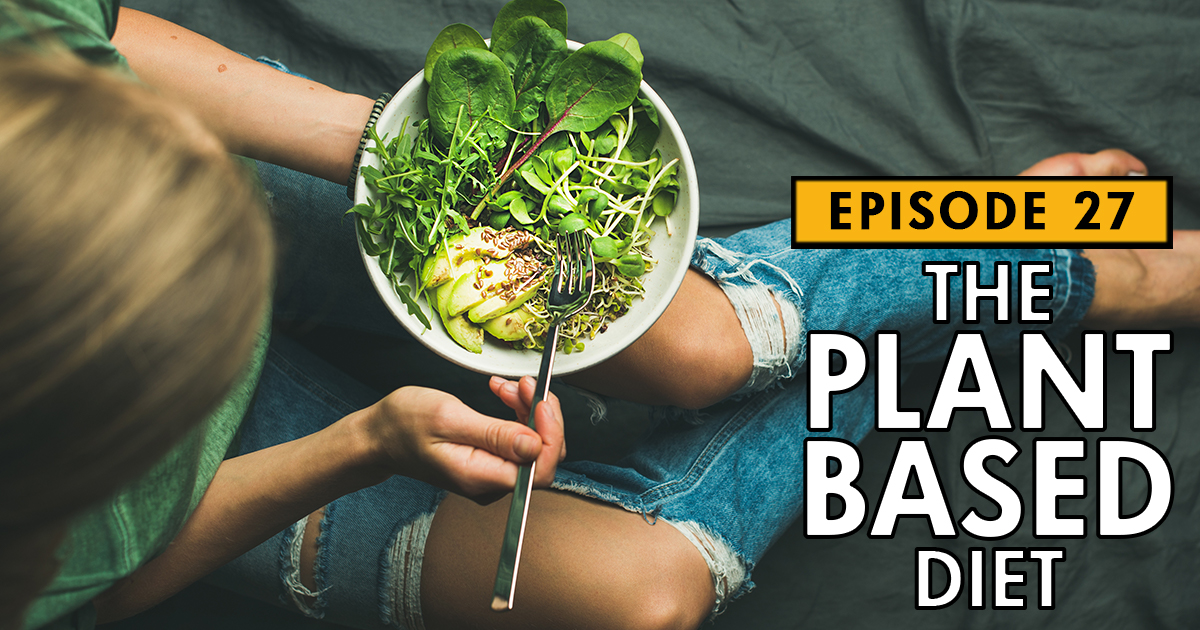
Welcome to the 27th episode of the Living Healthy Podcast, presented by LA Fitness.
On this episode of the Living Healthy Podcast, we’re discussing what a plant-based diet is, how it differs from a vegetarian diet, and whether or not you should try it!
How Are We Doing?
This podcast should not replace any exercise program or restrictions, any dietary supplements or restrictions, or any other medical recommendations from your primary care physician. Before starting any exercise program or diet, make sure it is approved by your doctor.
Intro
Begins at 0:01
Introduction of LAF Registered Dietitian, Debbie James
0:38
What is The Plant-Based Diet?
1:04
Is it Different from Following a Vegetarian or Vegan Diet?
1:53
Is There a Healthier Meat You Should Lean Towards Eating When Following This Plan?
2:22
How Often Should You Include Meat in a Plant-Based Eating Plan?
2:45
What Are the Benefits of Following a Plant-Based Eating Style?
4:09
Should All the Veggies You Eat Be Organic?
5:19
Where Do Potatoes Fall into This?
6:11
Is the Plant-Based Diet for Everyone? Can Everyone Benefit from Following This Style of Eating?
7:15
Do You Have to Eat More Frequently?
8:05
Some Plant-Based Meal Suggestions
8:46
Plant-Based Meats – Are These Healthy Options?
10:36
Would Someone Following a Plant-Based Eating Style Have to Supplement?
14:57
When Can You Go for More Information?
18:42
Actionable Advice
20:23
Outro
21:10
On this episode of the LHP, we're discussing what a plant-based diet is, how it differs from a vegetarian diet, and whether or not you should try it.

On this episode of the LHP, we bring back to the show LAF, PTD, Tristen Alleman, and, listener favorite Dietitian Debbie! And we talk all about cardio!

On this episode of the LHP, we bring back a favorite to the show, LAF RDN, Debbie James! We talk all about one of everyone's guilty pleasures, fast food.


It is near midnight. The house is quiet, and it’s officially “lights out.” Then, suddenly you are alarmed by a loud and mysterious rumbling that begins to echo to every corner of your bedroom. You turn over and reposition your lethargic body on its side; hoping it was all just a part of a dream. A few minutes pass and the same resounding rumble begins to grow even more violent. You can no longer ignore the internal calling we all dread to acknowledge a quarter past midnight. No longer can its origins be disguised for anything other than the dark deep abyss of your hollow stomach.
Translation: You’ve got the serious case of the late-night munchies.
At this point, you have a decision to make. You try to talk yourself out of dragging your sluggish legs into the kitchen to satisfy your appetite, but the internal debate of “to eat or not to eat” is waking more neurons in your brain, making it nearly impossible to fall back asleep. Feeling restless and still hungry, you head to the kitchen and look for anything that doesn’t require any actual effort beyond pouring yourself a bowl of cereal.
Like many of us, we have all experienced a similar internal dialogue when deciding between making healthier choices over the not-so-healthy-ones. We are confronted daily with choosing between the salad or fast food, the workout before your 8 am meeting or hitting the snooze button for the fifth time. Unfortunately, we are often faced with the guilt and only momentary satisfaction when self-control is less effective on those days your supervisor decides to leave a free-for-all box of hot-and-ready-to-eat donuts in the conference room. Then there are those seasons of pure discipline when it’s strict dieting, no sugar, skip the happy hour, and the “I’ll just have a spinach kale salad with vinegar and oil on the side.” Unfortunately, we are often faced with short-lived results only to return to the same habits as before.
So, if we are what we eat, what’s the secret in actually doing it well?

Let’s put some things in perspective – our relationship with food has gotten a negative rap throughout the existence of American mass media. It is either introduced as being the enemy or the solution to our overall well-being. It is either quick-fast and not nutritionally dense “meals” we have easy access to at your nearest fast food chain, or it’s posed as an almost militarized form of consumption, aka steamed veggies and grilled chicken Monday through Friday.
This duality of “good and bad” types of eating sends many of us on an emotional roller-coaster when making day-to-day healthy choices. I carry the firm belief that our relationship to food is tarnished when used for reward or punishment. If we bring it back to basics, when we were first developing as a species, food was medicine, and a resource to aiding our bodies to function and fuel itself for our day-to-day activities. We have commercialized the food industry so much, that we as consumers feel trapped and often disempowered when making instinctual decisions about what our body’s actual need!
The fact that every single day we get to decide when and what we eat is nothing short of a privilege; especially when we consider people who geographically, socially, and economically don’t have the same luxury. So, when we take a step back and see the purpose behind why we eat, we might be able to lessen the pressure of making those healthier choices.
You might be thinking, does that mean I have to drop the cookies and grab the carrot sticks instead? Well…not exactly.
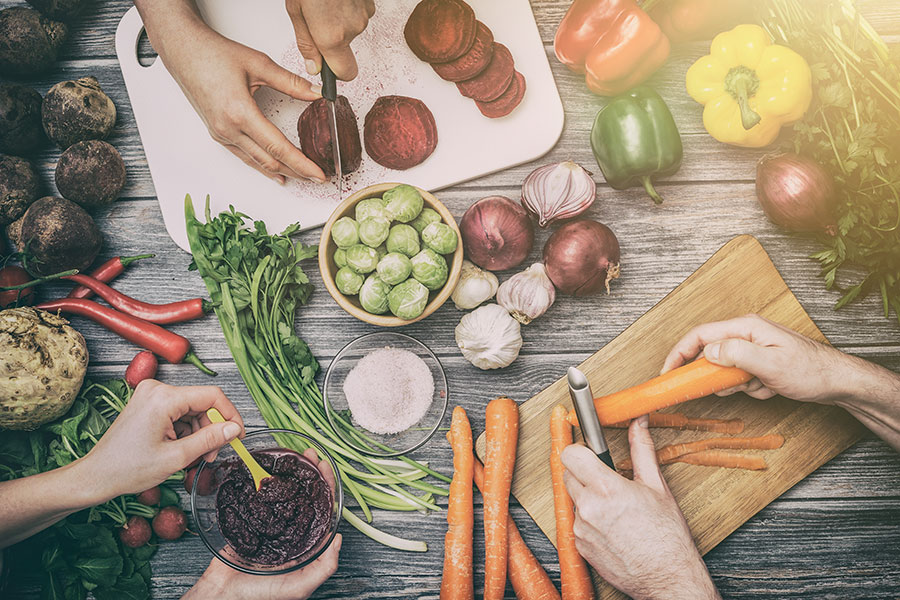
Looking back, I can attest that every great childhood memory, every birthday and celebration has good food somewhere in the picture. I’m talking about that feel-good-straight-out-of-Grandma’s-oven home cooking or recalling the greatly anticipated pizza parties when your class scored highest in the school’s spelling bee. There were no counting macros or guilt-tripping myself into burning extra calories on the treadmill at the gym the next day. Food was something to be enjoyed in those moments, and they still should be!
Navigating healthy-living through food shouldn’t feel like a death sentence to enjoying quality time with friends and family. Rather, it is acknowledging that food and these impressionable moments in life often go hand in hand, and we can find ways of empowering ourselves by setting ourselves up for success. For example, try introducing newer ways of enjoying more vegetable side dishes at the next family potluck, or adding more fruits and veggies in school lunches for the kids over fruit snacks.
When we surround ourselves with healthier options we are more likely to incorporate them in our lifestyle with greater ease than the polarizing feeling we often feel when we are under-prepared and just down-right hungry.
A person who knows a lot about eliminating the stress and pressure around food while still enjoying healthier choices is former White House Chef to the Obamas and Food Policy Advisor, Sam Kass.
Kass knows a thing or two about ways you and your family can feel more empowered on making better choices without the fuss! His newly released cookbook, Eat a Little Better: Great Flavor, Good Health, Better World, is based on the philosophy that there is no “right way” but there is always a better way we can approach diet and nutrition to support our households and the planet. His approach to changing our relationship with food is approachable for anyone wanting to take a more proactive step towards optimal health, minus the excess will-power. Think “small changes that collectively make a bigger impact in the long run!
“Eat one vegetable a day. Just one. Eat whole grains and beans once more a week. When this becomes your new normal–in two weeks, ten weeks, or a year–you raise the bar again.”
If there is one food trend I think we have all been neglecting it is that food is our friend when we allow it. It is the fuel and the fun in our lives that collectively make for a better, more enjoyable living. You were made to enjoy the fruit of your labor (literally!) So if that means working your butt off and enjoying that ice-cream with the kids on the weekend so be it. If it means learning new ways to cut out processed sugar and introduce fresh and dried fruits to curb an unhealthy habit, that’s great too.
Making better choices for you and your family ultimately comes down to meeting the needs that are going to support the lifestyle and results you envision having. For me, my “better” means throwing out fad-diets and picking up healthier ways to live for the long run. Call me crazy, but I’m a firm believer that you can live a healthy life and still have that cake and eat it too!
Sources:
Debbie James, RDN, helps answer a question about energizing snack options to pull athletes through the second half of a high energy workout.
Registered Dietitian, Debbie James, helps answer a reader’s question about a good nutrition guide for a healthy pregnancy.
Registered Dietitian, Debbie James, helps answer a reader’s question about how to put on muscle while eating a clean diet.


I have been swimming for 30 minutes, 4 days a week, at 6AM. Is it best to not eat a sensible breakfast until after I swim? My son is a varsity state swimmer and says not to eat until mid or late morning so that my fat is burned as fuel first.
– Lorin and Diana S.

Tristen Alleman, one of our Pro Results® Personal Training Directors, shared that it’s best to do your morning aerobic work while fasted in order to burn more fat. Theoretically, since the body has been using glycogen overnight (fasted) while insulin levels drop, it shifts toward greater fat utilization in subsequent exercise. Most research supports this notion, though it may not be the case during energy restriction. There is also a lack of evidence showing resultant changes in body composition.
I’d advise eating your breakfast just after your morning workout and not waiting until mid-morning, both for your muscle recovery as well as for convenience – it’s easier to eat your sensible meal before getting to early work.
Resources:
– Debbie J., MS, RD
This article should not replace any exercise program or restrictions, any dietary supplements or restrictions, or any other medical recommendations from your primary care physician. Before starting any exercise program or diet, make sure it is approved by your doctor.
Some questions have been edited for length and/or clarity.
 Have a nutrition question? Our registered dietitian is ready to help!
Email nutrition@lafitness.com or submit your question below and it may be featured in an upcoming article!
Debbie James, RDN, helps answer a question about energizing snack options to pull athletes through the second half of a high energy workout.
Registered Dietitian, Debbie James, helps answer a reader’s question about a good nutrition guide for a healthy pregnancy.
Registered Dietitian, Debbie James, helps answer a reader’s question about how to put on muscle while eating a clean diet.