Train Like a Triathlete – Podcast Ep. 35
On this episode of the Living Healthy Podcast, we sit down with Triathlon Champion, Dave Ruby, to learn what it takes to compete among the best.
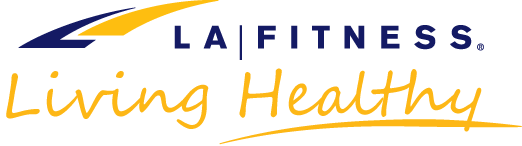

Flu season reaches its peak right around February,1 and February is almost here! Some of us have already fallen victim to the sneezing, the aching, and the overall misery of the flu. Before it strikes (or strikes again), you can prepare yourself for a good fight. First, let’s differentiate between some easily confusable symptoms so you know what you’re up against.
The Centers for Disease Control and Prevention (CDC) breaks it down quite simply. The flu is different from a cold because:
A cold typically won’t involve these four symptoms unless you have a rare case. Symptoms commonly shared between the cold and flu include:
Now that we know what we’re trying to protect ourselves from, let’s get into some prevention tips. Here are some measures you can take to help ward of the flu this February:

You don’t need to boycott your favorite theme parks or stay home from the store, hockey game, or the gym to protect yourself from the flu. You just need to be mindful of where your hands have been. If you’ve touched something contaminated with flu germs, you’re probably going to be okay unless you got those germs into an open wound. Avoid touching your eyes, nose, or mouth until you’ve washed your hands. If you don’t have access to water and soap, an alcohol-based hand sanitizer will do the trick until you can wash up.
| >> At the gym, wash your hands before and after your workout. Avoid touching your eyes, nose, or mouth during your workout. |

The kids are bringing home everything they touched while they were at school, and you’re bringing home everything you touched at work, at the grocery store, and everywhere else you’ve been. Encourage handwashing at home and keep commonly touched surfaces, like doorknobs, the television remote, game controllers, and refrigerator doors, clean and disinfected.
| >> At the gym, use the available sanitizing foam and paper towels to wipe down your equipment before and after use. |

Your nutrition, hydration, sleep, and exercise habits all factor into your immune system’s preparedness. Even your stress levels have a part to play. Fortunately, sleeping enough, exercising, and eating healthily all help reduce stress levels and keep your body strong against germy invaders. To help your system further, read our registered dietitian’s article on Spices That Boost Immunity and Fight Inflammation.
| >> At the gym, incorporate moderate exercise a few times a week to boost your immunity. Studies show that doing so can drastically reduce the number of colds you catch each year. |
You may take every precaution and somehow still get sick, because life is unpredictable that way. If you catch the flu, the CDC recommends staying home for at least 24 hours after your fever has gone away. You can help stop the spread of the flu and take some much-needed rest and recovery time at home. Of course, if you need to see a doctor, you should go.
| >> At the gym, consider that your flu (or your child’s) can spread quickly in a public setting like the gym or Kids’ Club. |
For more immune boosting foods, check out this article on Fermented Foods. To stay in-the-loop about our fitness and nutrition articles, subscribe to our newsletter to receive monthly highlights from the LA Fitness blog!
It’s the start of the new year and the start of many new resolutions. If health and fitness are on your list, you’ll need these excuse busters for the time when your dedication starts to wane. It happens. We start off strong, but as keeping our commitments gets more challenging, we start to make “exceptions.” Don’t let excuses derail you. Keep pushing for your goals with these reasons to ditch some common workout excuses.
You may have encountered them by now; the workout plans promising results in 30, 20, 10 minutes a day, or less. These workout plans crop up because having time to work out is a real concern for many people. While we don’t know if those particular routines are effective, we do know that working out for some time is better than nothing at all. It has long been recommended that if you don’t have long breaks in your day, you can break up and disperse your workout into shorter sessions.
Kick this excuse to the curb and start adding more movement to your day. Get some ideas for how you can do that by reading these Quick and Easy Workouts for a Busy Morning, or read some tips on How to Add Exercise to Your Busy Lifestyle.
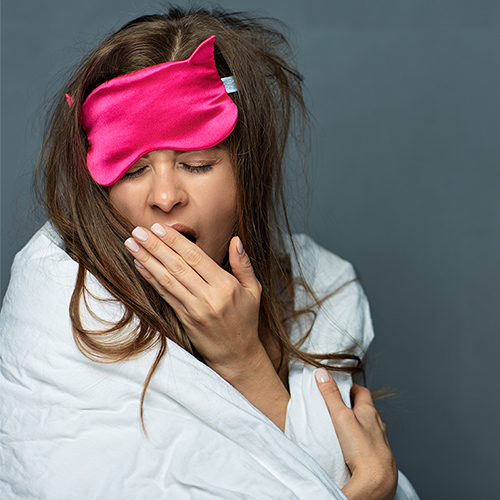
Okay, who’s still using this one? Science has proven that working out boosts our energy and releases all kinds of feel-good chemicals. You may start your workout feeling a bit out-of-sorts, but you’ll gain energy as you move and leave your workout more energized than when you started. So, it’s time to put this excuse to bed! For some nutrition tips to fuel your energy-stores, check out this article on Snacks to Help Boost Energy.
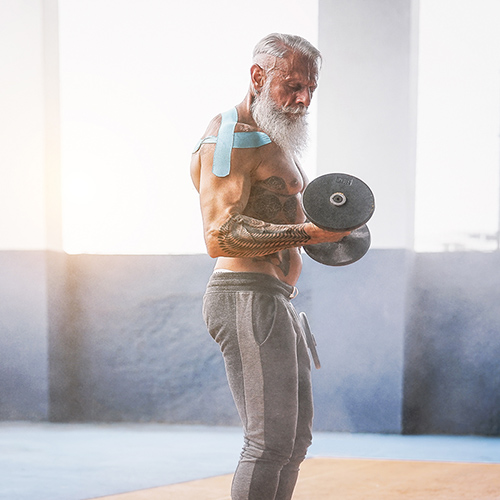
We have success stories that prove without a doubt that age is just a number. These LA Fitness members have overcome adversity, defied the odds, and achieved their goals, regardless of their age. You’ll toss this excuse once you’ve read these inspiring stories:
Dave R. is 59 years old and still competing and placing in triathlons! For years, he has been running, swimming, and cycling his way to health.
Ed B. is a 67-year-old with a history of knee issues and even a knee replacement. He works hard at LAF’s High Intensity Interval Training class and has never felt better.
Peter B. is 82 years old and he cycles and does yoga 3 days a week. He also takes the opportunity to hike, swim, run, and lift weights!
Jerry and Marilyn are 88 and 87, and they have been playing Raquetball together for the past 30 years!
These are just a few of our successful older members! Browse our Member Spotlight page for more motivational stories.

Do you feel like you’ve tried to stick to an exercise routine before, and it doesn’t work or it’s hard to keep it going? You’re not alone. The key to reaping the benefits of exercise is consistency and commitment, and yes those are both easier said than done.
Fortunately, studies show that you’re more likely to achieve your goal if you record it. Write it down or tell someone, and it’ll be easier for you to keep yourself accountable. If this sounds like something you’d like to try, you can share your goal on our Commit to Fitness page.

Add the word “chore” to anything and it seems to zap your energy for it. If you are walking into your workout already expecting to have a terrible time, it’s more likely that you will. Though, if you’re dreading your workout you probably haven’t chosen your exercise type wisely. There are so many ways to exercise, from heavy weightlifting to smooth and steady Pilates. It’s important to find something you’ll actually look forward to.
You have the power to choose, even if a specific type of workout has been prescribed to you. If you have to do cardio for your health, look up all the different types of cardiovascular workouts. You’ll see the dreaded treadmill, but you’ll also see boxing, cycling, dancing, swimming, hiking, rowing, step aerobics, and more. Choose what speaks to you and you’ll find it easy to sweep this excuse out the door.
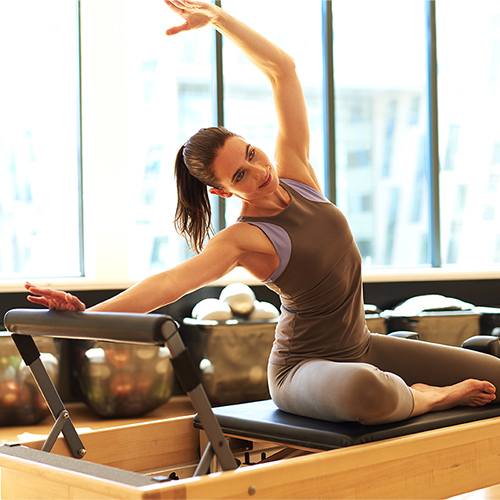
This one is an acceptable excuse if working out will do more harm than good. If you’re just a little sore, however, working out can help ease those aches by increasing blood flow to your muscles. The extra blood helps flush out the chemicals responsible for your pain.1 So, “I’m too sore” should never be an excuse unless you’re in danger of injuring yourself or overusing your muscles, because a light workout out is a remedy!

The cramps, the fatigue, the bloating, and all the discomfort of that time of the month can really make your workout day look more like crawl-into-bed-and-hibernate-for-a-week day. However, like the argument for #6, working out can actually be really good for you (and your workout) while you’re on your period.
In fact, one study found that working out in the first 2 weeks of the menstrual cycle (the week of your period and up to a week after), helped women perform better during their workouts! The study recorded results like “significant increase in jump height, peak torque values in hamstrings, increased lean body mass of the legs,” and overall positive training experiences.2
In addition to potentially benefitting your strength and power, exercising while on your period can help relieve pain! The endorphins released during your workout are natural pain killers!3 We know that each body is different, so if you’re able, it’s time to put this excuse to rest and take advantage of Aunt Flow’s monthly gift.
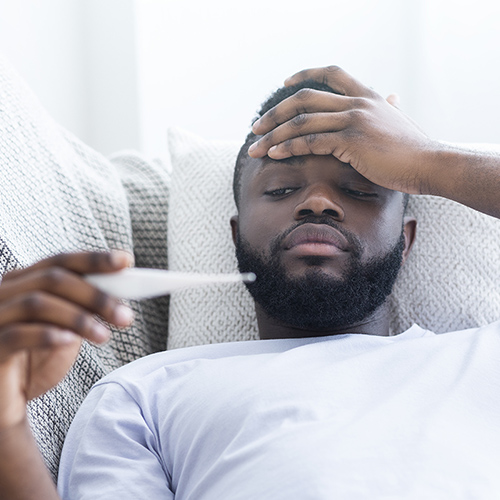
If you’re feeling under the weather for other reasons, you might be off-the-hook. It’s definitely okay to let your body rest and recover from illness and probably better that you do in many cases. However, if you’re past the worst of it and mostly recovered, you’re probably safe to exercise.
WebMD cites their interview with Dr. Lewis G. Maharam who says that having a fever is essentially the deciding factor.4 It’s possible that you can dangerously increase your internal body temperature if you exercise while running a fever.4
Let your body tell you what it feels capable of when you’re sick and, if you can, do a light workout to help keep your routine on track.
Like what you’ve been reading? Stay in-the-loop and subscribe to our newsletter to receive monthly highlights from the LA Fitness blog!
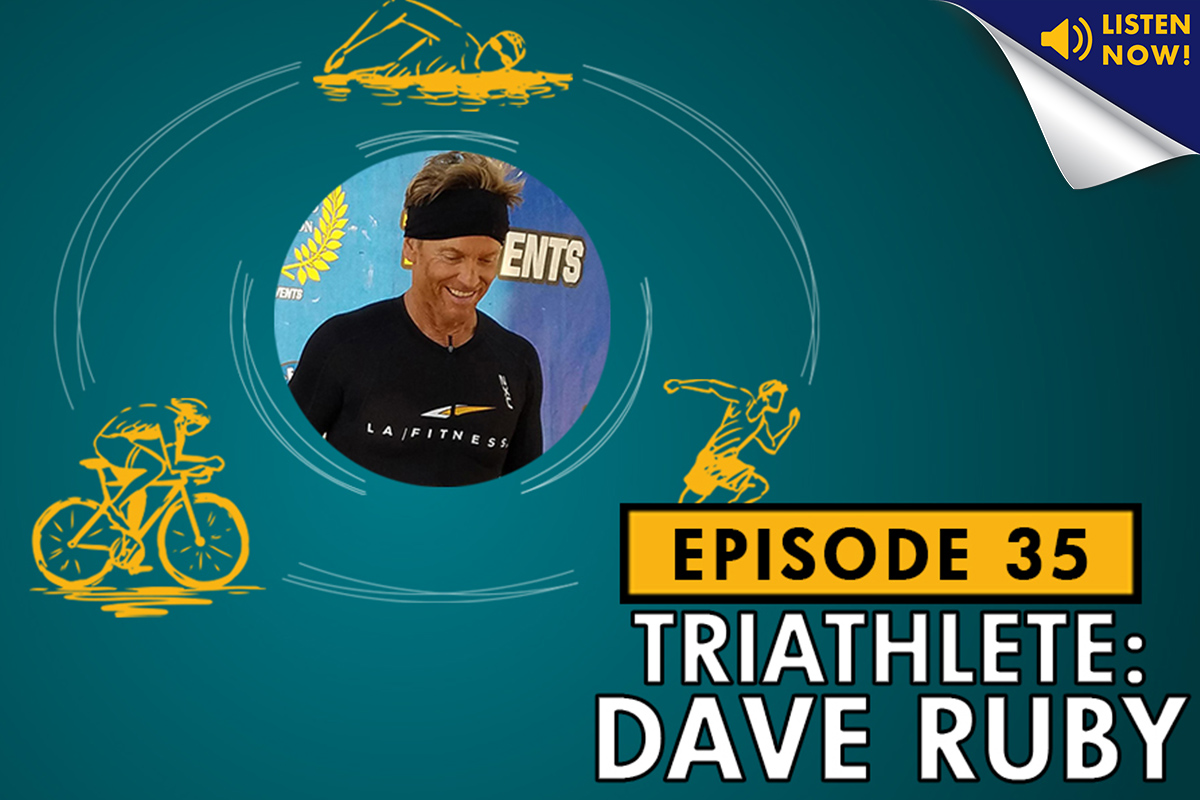
Welcome to the 35th episode of the Living Healthy Podcast, presented by LA Fitness.
On this episode of the Living Healthy Podcast, we sit down with Triathlon Champion, Dave Ruby, to learn what it takes to compete among the best.
Having competed in Ironman and Xterra Triathlon Championship Competitions on 6 continents, earned World and National Champion titles, and taken home multiple first place wins, Dave Ruby is the man to ask about the sustainability of an active lifestyle at almost 60 years old.
His answers showcase the importance of training and dedication, but more importantly the enjoyment of what you’re doing and the experience of the moment. Listen in to hear Dave’s perspective and take some of his contagious motivation.
How Are We Doing?
This podcast should not replace any exercise program or restrictions, any dietary supplements or restrictions, or any other medical recommendations from your primary care physician. Before starting any exercise program or diet, make sure it is approved by your doctor.
Intro
0:01
Introduction of Triathlete, Dave Ruby
2:42
How Long Dave Has Been Competing
3:51
What is an Ironman Competition?
4:10
How Dave Got His Start
5:11
How Many Times a Year do You Race?
6:31
How Do You Train for an Ironman Competition?
7:23
How Does Your Mentality Work in Competition?
10:08
What Do You Do in the Gym to Prepare?
11:55
What Does Your Gym Routine Look Like?
13:05
How Do You Balance Training and Recovery?
15:12
What is it Like to Run Such Long Distances?
17:33
When the Race Gets Tough, How Do You Push Through?
19:10
Have You Ever Had to Stop During a Race?
21:12
What Do You Like the Most About Competing?
23:13
Racing in Alaska and Hawaii – Moose and Open Waters
25:06
What is Your Process for Setting a Goal for Yourself?
28:00
Do You Have a Favorite Place or Competition?
29:13
Do You Have to Train Differently for Different Climates?
31:52
Actionable Advice
34:49
Outro
36:44
On this episode of the Living Healthy Podcast, we sit down with Triathlon Champion, Dave Ruby, to learn what it takes to compete among the best.
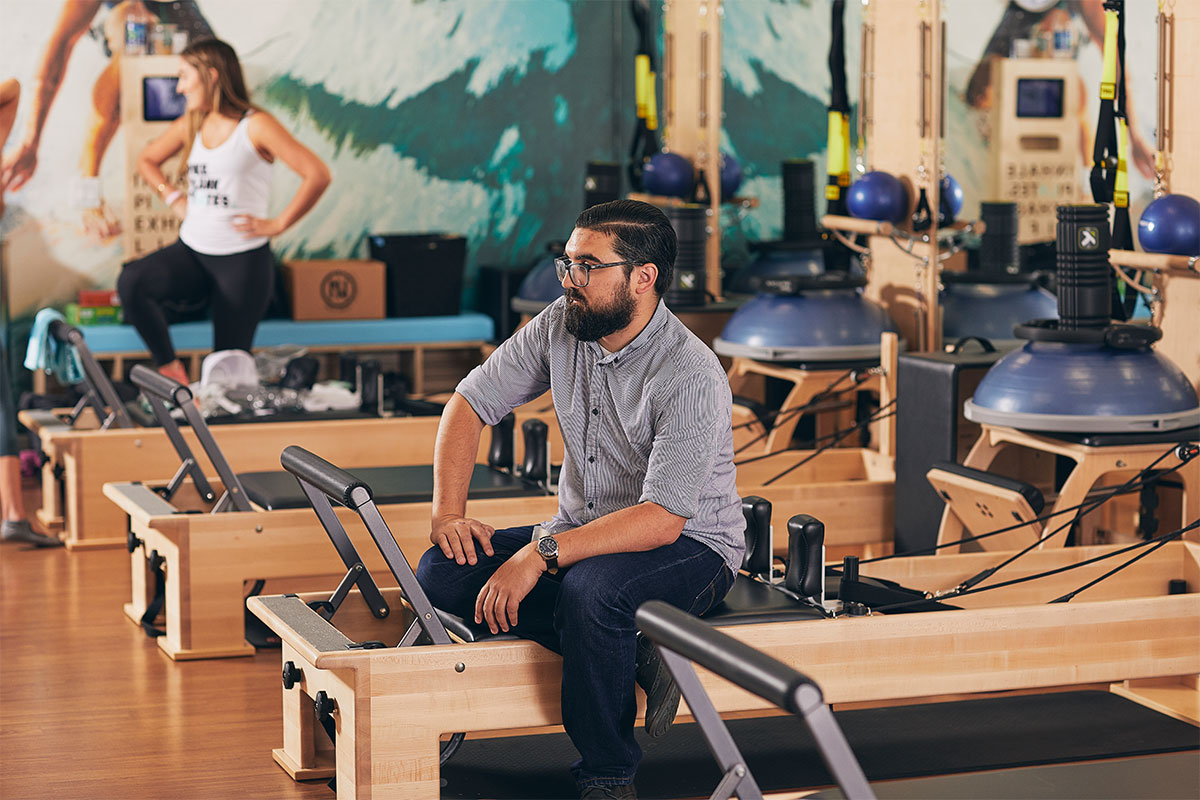
I’ve always had a strong academic and metaphysical fascination with what makes us human. So much so that while studying digital video and audio production in college, I also majored in Anthropology- the study of human beings. Fast forward five or six years after graduation and I find myself sitting behind a desk well into the “cushy corporate gig” phase of my career, still making videos and producing a wide range of audio projects for LA Fitness; feeling like I’m only using half of my education; that question still relatively unanswered and still burning.
What makes us human?
If asking that question is ultimately asking, “What makes us unique from other mammals or creatures with whom we share the condition of possessing vertebrae?”, then the answer is simple: Bipedal ambulation (walking on two feet) and our brains ability to create and operate abstractions (imagine a cat composed of various citrus fruits with a baby shark for a tail. That thing you see in your head, that’s what I mean. So far as we know, only humans can conjure that up).
After a few existential breakdowns into my job here at LA Fitness, I had resigned myself to the reality that these partial answers to such a big question would have to suffice. There was no sense in pursuing them further. I worked for a gym. The place people go to get fit, not answer big questions. In my mind, those two things were forever incongruous.
Then a few important things happened that changed my mind quite profoundly:
I think the most magnificent abstraction we’ve created as humans is linear time. The idea of seconds begetting minutes begetting hours begetting days and so on as if a series of incremental points on a timeline. None of this existed until the 14th century, whence the clock prevailed as a timekeeper. It’s from the invention of the clock and the hours and seconds contained within it that we have this perception of time. What makes this seem like such grand ruse of an abstraction is that: it wasn’t until I fit into some jeans yesterday that I realized or felt like all these things happened FOR something. I mean, of course, I knew sequentially when I had read and finished the book; what made me fall in love with my girlfriend and when; why I had agreed to do the spotlight series; when I walked into the gym and started forming that habit; when I fit into the jeans; and in what order these all occurred. But some genie was released from the bottle when I clasped the top button and didn’t feel like I should face away from the mirror out of fear of that button bursting off and shattering my reflection. A genie that couldn’t be returned after I needed a belt to fasten those same jeans to my waist.
All at once past, present and future, happened to me; The book I read piqued my interest in long-distance running; it taught me about our adaptation to sweat and endure beyond that of any other vertebrate. I was standing at the finish line of her marathon, the first one I attended, filled with pride as she caught her breath. I was walking into the gym for the first time at 29 running a 5k on the treadmill to see if I could (I could). I was poised and excited to pounce on this opportunity at work to serve my (until now unadmitted) vanity. I was attaining the great sense of accomplishment after fitting into three older pairs of jeans. And I was standing there, at the end of my own first race, dead tired but proud beyond comprehension.
The last of these events hasn’t happened yet. But it will. Past, present, future: All at once. I intend to explore the depth of the answers to my initial question. Though, presently, I find myself in a familiar dilemma: exploring and challenging the nature of human abstraction is only one part of the answer. If I’m to truly dive into this journey, I must do one more thing. That thing will require me to not just push myself, but figure out how to push myself, and what it means to push myself to do it. It’s no big reveal, you see, I’ve already told you what it is. It all happened at once, remember?
I. Must. Run.
And I will. A half marathon at first, a full marathon at last, and I’ll tell you all about it.
*Matt is a current employee of LA Fitness. While the opinions herein are Matt’s own, Matt receives a free membership in connection with his employment.
Meet Matt M., an LA Fitness employee, who never stepped foot into a gym until recently. This is the beginning of his story, and quite the story it is.
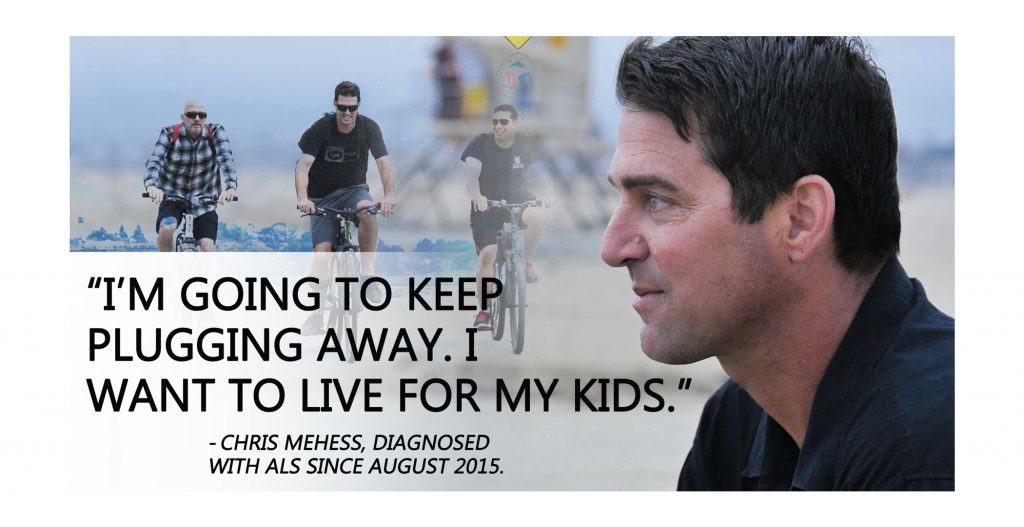
It is almost time to TAKE ACTION FOR ALS with our annual fundraising event fast approaching! On Saturday, February 27 all LA Fitness Group Fitness classes will join the effort in ACTION FOR ALS! Donate $20 to support Augie’s Quest and help find a cure for ALS....

LA Fitness is committed to making a difference in its communities, and recently donated $1,000 to the Fountain Valley Schools Foundation. This donation will help provide enrichment activities, such as computer...
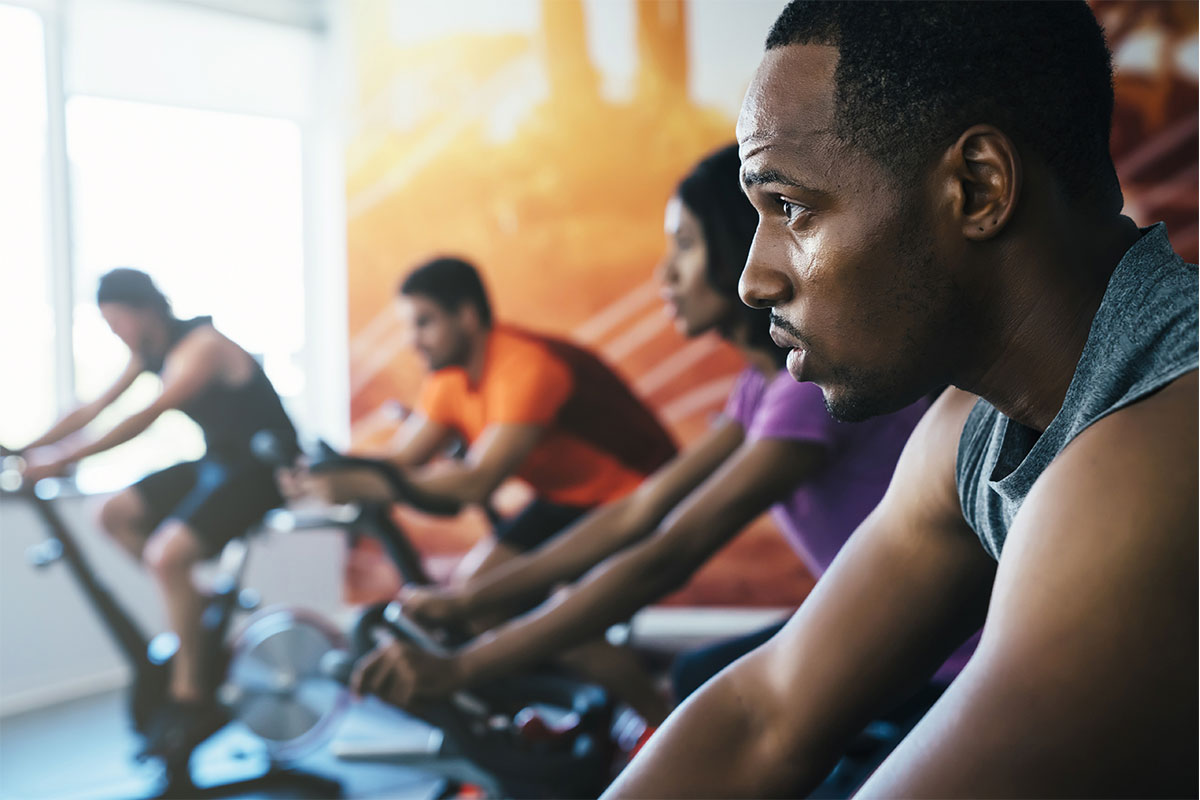
We’ve heard time and time again that eating healthy and exercising does wonders for our bodies, but to what extent? See how maintaining a nutritious diet and hitting the gym lead to good health.
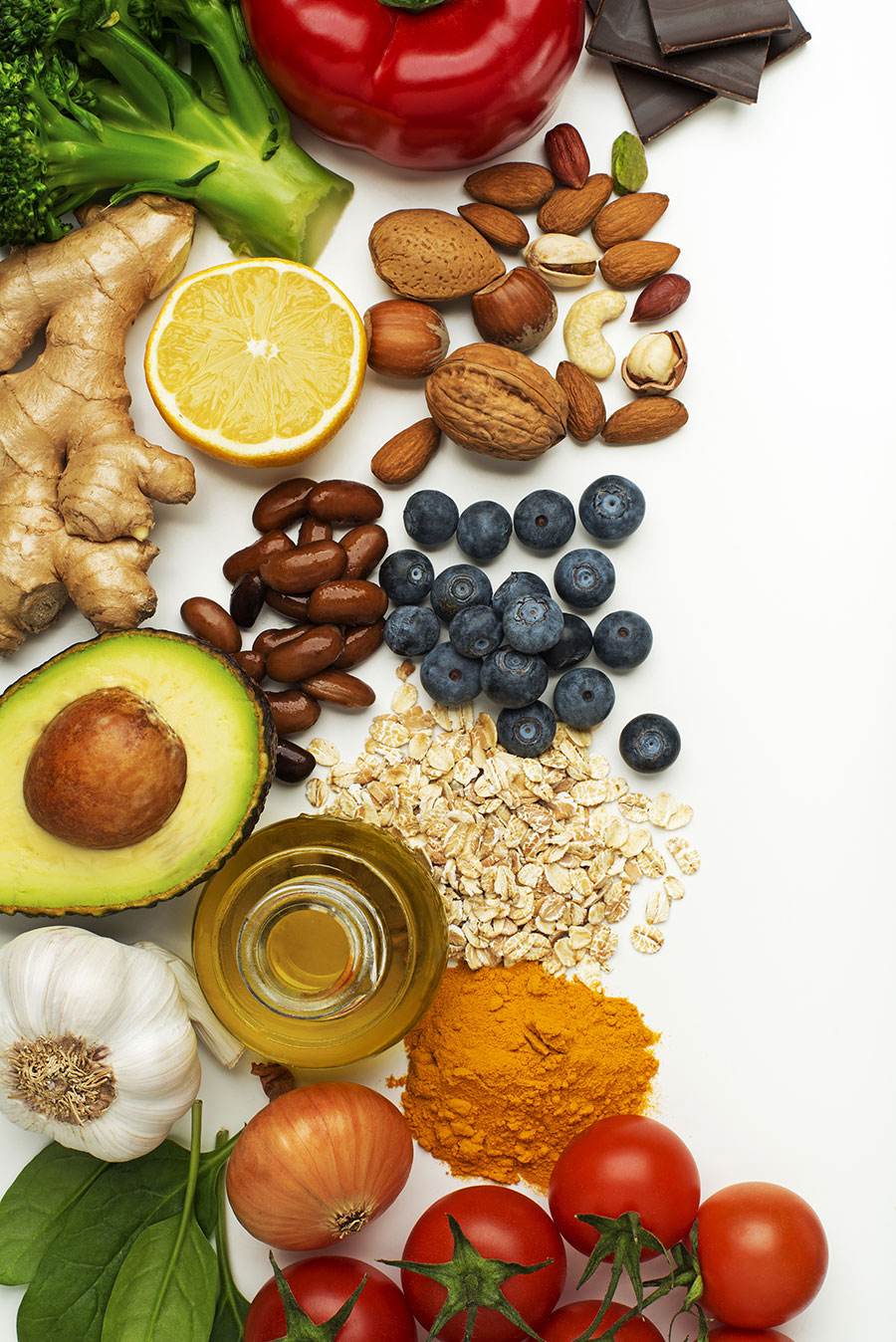
Eating healthy presents many physical benefits such as preventing cancer, improving your immune system, and maintaining blood pressure levels. Upping your fruit and vegetable intake and eating enough calories throughout the day ensure you stay energized and control your weight.
But what’s considered a nutritious diet? A balance of protein, fats, and carbohydrates which, in addition to making you energized, leads to tissue growth and repair, bone strength, and healthy digestion.
It’s also important to eat foods with significant nutrients like Vitamin C, B vitamins, and iron. Vitamin C builds collagen, a protein essential to the healing of skin tissue; B vitamins lead to the creation of amino acids, which create muscle tissue; and iron encourages cells to grow and function. Foods containing these nutrients include fruits, vegetables, fish, and meats like chicken or turkey.
Make sure you’re also getting enough calcium, a nutrient that keeps your bones and teeth strong, and vitamin D, which properly absorbs the calcium. Stick to foods like cheese, seeds, yogurt, and lentils and beans.
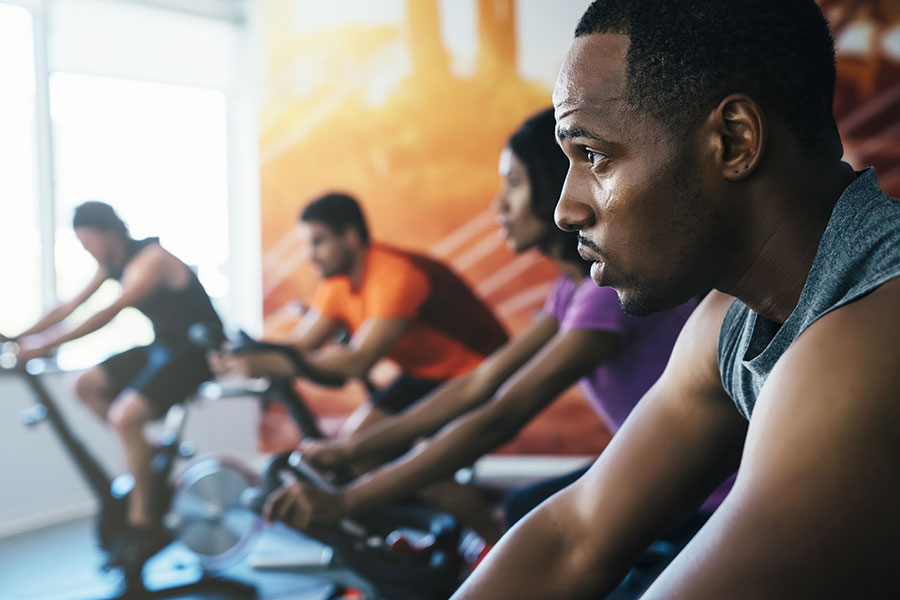
Aim for 150 minutes a week of moderate exercise or 75 minutes of vigorous exercise. Like good nutrition, exercising can also control weight, combat diseases (like heart disease) improve your mood, boost energy, and help you sleep better.
There are many studies on the benefits of exercise. One, by The National Center for Biotechnology Information, showed that six weeks of regular exercise reduced feelings of fatigue for 36 people who had persistent fatigue.
Looking for a clearer and brighter complexion? An active lifestyle can help with that, too. Regular exercise helps your body produce more antioxidants, stimulate blood flow, and decrease the appearance of aging.
There are many exercises out there, but if you want to benefit your entire body, perform total body workouts. These consist of exercises that target all of your muscle groups at once. Total body workouts burn calories faster, increase strength, and build more muscle. If you’re a beginner, sign up for classes at a local gym and you’ll get stronger in no time.
Sources:
Flu season hits its peak in February. Before the flu strikes (or strikes again), prepare yourself for a good fight with these flu prevention tips.
Don’t let excuses derail you from your goals. Keep moving forward with these reasons to ditch those common workout excuses.
On this episode of the Living Healthy Podcast, we sit down with Triathlon Champion, Dave Ruby, to learn what it takes to compete among the best.