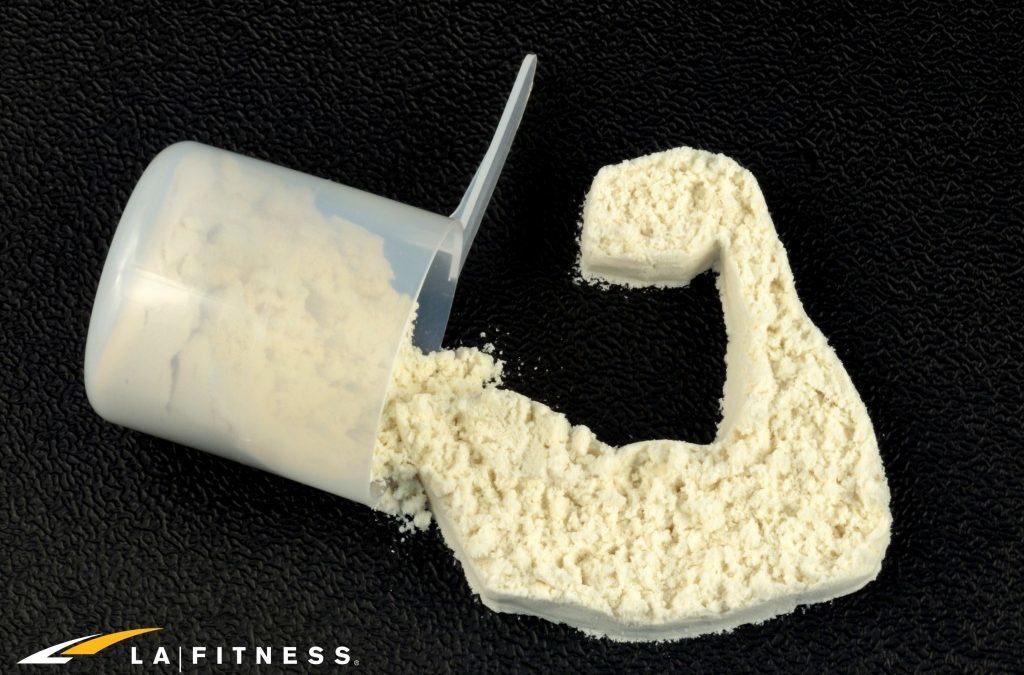
Let’s Talk: Liquid Whey Protein
This edition of Ask Our Dietitian focuses on homemade whey protein and how it is beneficial to the body. Never heard of liquid whey protein? Our registered dietitian helps explore this intriguing question.

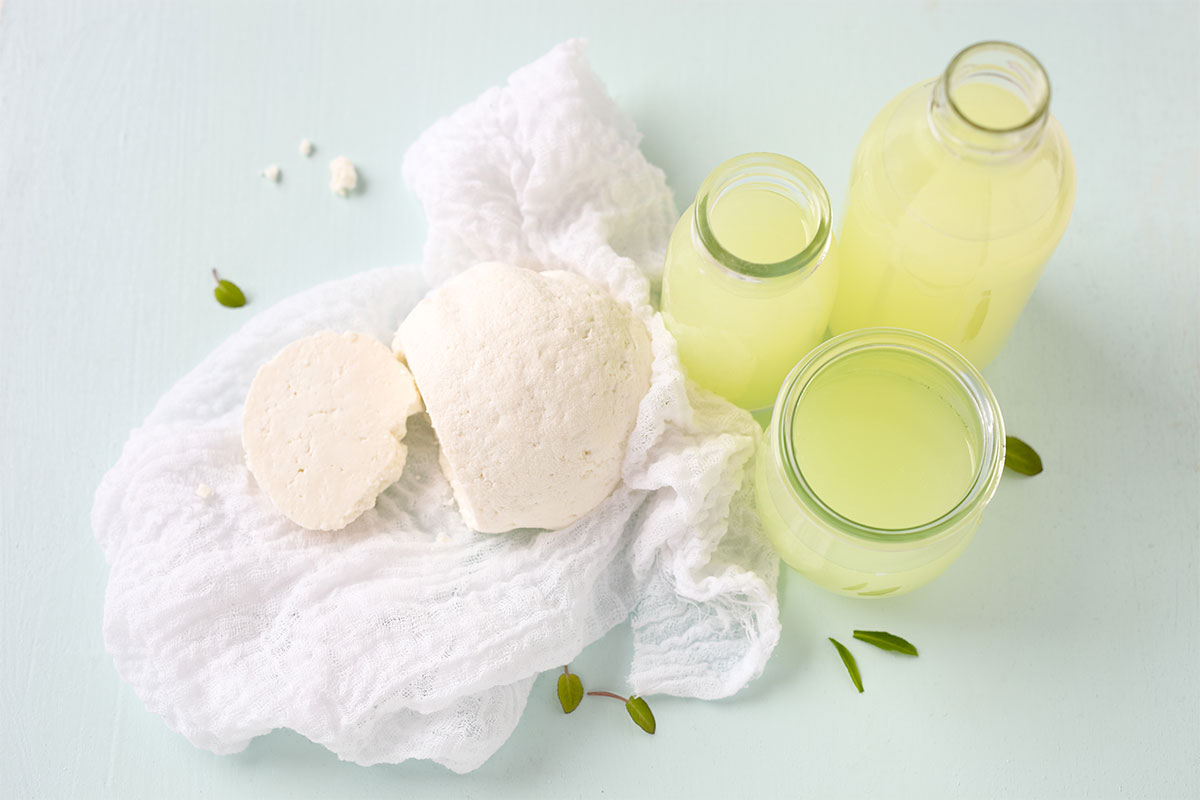

Hello, I have a question about whey protein. I’ve been using a powdered whey protein. However, I also make my own cheese at home. A byproduct of cheese production is whey after separating the proteins with heat and a mild catalyst like lemon juice or vinegar. I’m generally wary of processed foods. My thinking is a less processed protein will be of a higher quality and a drastically low cost. It is in liquid form and kept refrigerated. What should I consider from a spoilage and nutritional standpoint? My thinking is whey protein that is less processed.
– Eric D.

So glad to hear you’re not washing your whey down the drain! Nutritionally, homemade whey protein is fully intact and not denatured like high-heat pasteurized powdered products. The liquid contains fewer chemicals and acid byproducts than commercially produced whey powder. It is also a source of vitamins A and several B vitamins and minerals original to the source milk/yogurt. In addition, there would be some vitamin C from the lemon juice used. One cup of fluid acid whey contains about 2 grams of protein, 13 grams of carbohydrate and less than 1 gram of fat, providing a total of nearly 60 calories.*
If you’re going for protein though, liquid whey isn’t that concentrated, which necessitates quite a volume of it to make an impact. Since it keeps well (lasting several months in the refrigerator) you can use the tart liquid in cooking various foods and recipes over time. Clarity or cloudiness doesn’t matter – cloudiness indicates that some of the residual casein protein may have passed through the cheesecloth. For supplementing your diet to support exercise, convenient alternatives to powdered whey protein include hard-cooked egg whites and canned tuna in water.
*National Nutrient Database for Standard Reference, Release April, 2018
– Debbie J., MS, RD
This article should not replace any exercise program or restrictions, any dietary supplements or restrictions, or any other medical recommendations from your primary care physician. Before starting any exercise program or diet, make sure it is approved by your doctor.
Some questions have been edited for length and/or clarity.
 Have a nutrition question? Our registered dietitian is ready to help!
Email nutrition@lafitness.com or submit your question below and it may be featured in an upcoming article!
This edition of Ask Our Dietitian focuses on homemade whey protein and how it is beneficial to the body. Never heard of liquid whey protein? Our registered dietitian helps explore this intriguing question.

Should those with lactose intolerance steer clear of whey protein? Our registered dietitian dives into this health topic and helps those with this condition understand whether or not they should reconsider this supplement choice.
Debbie J., MS, RD contributed this article - Do you want to increase your muscle mass and strength? Here’s a quick breakdown of what can help support muscle protein synthesis: Timed meals consisting of adequate calories* A well-rounded resistance training program...
I am lactose intolerant. Is whey protein bad for me? Is whey protein bad for people with lactose intolerance?
– Dan
“Whey protein” is a catch-all term referring to several proteins found in the whey of milk after solid caseins and moisture are removed. Whey protein is generally okay for those with mild lactose intolerance. Depending on the form, whey protein contains less than 5 gram of lactose per 100 grams dry product, which provides 80-90 of grams protein.* Compare this to the 12 grams of lactose per 245 grams (a cup) of fluid cow’s milk for 8 grams of protein or 1 gram of lactose per 30 grams (an ounce) of some cheeses for 7 grams of protein.
Whey protein as an ingredient or by itself as a supplement is usually found in concentrate or isolate form. Here’s the difference: the highest whey protein concentrate still includes some fat, cholesterol and lactose particles (up to 20%), whereas whey protein isolate has usually undergone microfiltration leaving only 10% as those particles.
Pure whey protein isolate may be tolerated by those with lactose intolerance, but individual response varies. Some whey protein isolates are further processed to be lactose-free. Keep in mind that if the final whey protein supplement product is a shake powder or bar, it has other ingredients that may contribute lactose.
For those with a very severe lactose intolerance much like an allergy, it is best to avoid all milk-derived products.
* From U.S. Dairy Export Council’s Reference Manual for U.S. Whey and Lactose Products. Composition of whey protein concentrate with 80% protein is typically 4%-8% lactose by weight. Composition of whey protein isolate with at least 90% protein is typically 0.5%-1% lactose by weight.
– Debbie J., MS, RD
This article should not replace any exercise program or restrictions, any dietary supplements or restrictions, or any other medical recommendations from your primary care physician. Before starting any exercise program or diet, make sure it is approved by your doctor.
Some questions have been edited for length and/or clarity.
Have a nutrition question? Our registered dietitian is ready to help!
Email nutrition@lafitness.com or submit your question below and it may be featured in an upcoming article!
This edition of Ask Our Dietitian focuses on homemade whey protein and how it is beneficial to the body. Never heard of liquid whey protein? Our registered dietitian helps explore this intriguing question.
Should those with lactose intolerance steer clear of whey protein? Our registered dietitian dives into this health topic and helps those with this condition understand whether or not they should reconsider this supplement choice.
Debbie J., MS, RD contributed this article - Do you want to increase your muscle mass and strength? Here’s a quick breakdown of what can help support muscle protein synthesis: Timed meals consisting of adequate calories* A well-rounded resistance training program...