Stamping Out Stigma – Mental Health

Stamping Out Stigma – Mental Health

October 6th – 12th is Mental Illness Awareness Week. Today, we’re breaking down the finer details of mental health. Our hope is that we can encourage a deeper understanding of what mental health is and start chipping away at the stigma. 

What is Stigma? 

Stigma is when you mentally attach shame to a person or group and this perception causes you to devalue or treat them differently. People with a mental health condition are often stigmatized because they are often perceived as different or not within whatever definition of “normal” we each carry. 

It’s not uncommon to feel like we need to distance ourselves from what is unfamiliar. Maybe we just aren’t sure how to approach or talk to someone with a mental illness. The hope is that by learning a little more, this unfamiliar territory will become less intimidating and we can start to understand that people with mental health concerns are simply, people.

Changing the Perception 

If, like many others, you find uncertainty in your interactions with those who suffer from a mental illness, consider that mental health does not fit a single definition or appearance.

In fact, there are a lot of mental disorders whose symptoms you can’t see! Even if you can see the symptoms, they can still be expressed differently among people with the same diagnosis.  

Let’s consider, for a moment, the loss of a loved one. For some, the grief is relived as though the loss occurred mere days ago. For others, it can be a more peaceful remembrance.  

Grief is not typically our first thought when we consider mental health. Often, we’ll think of disorders or illnesses whose names we hear often: ADHD, OCD, Depression, Schizophrenia, Parkinson’s, Autism, and others.1 However, the way we mentally process grief, and the way grief manifests itself in the body, (like physical exhaustion, digestive problems, stomach ulcers, etc.)2 is a great reminder that the experience is very impactful and very real. You do not need to have a diagnosable condition in order to experience the effects of atypical mental health. 

Mental health encompasses everything from everyday stress, sadness, and anxiety to diagnosable conditions like Major Depressive Disorder and PTSD. When you consider that everyone has a brain, and that brain has the potential to overreact or underreact, it’s a lot easier to think of fluctuations in mental wellness as a very normal thing. 

What About People Who Attend Therapy? 

Therapy isn’t only for people with a mental illness, or a specified “problem.” It can be beneficial to almost anyone.  

Let’s redefine therapy so it’s not exclusive to the treatment of a disorder and think about it in the sense that it is a way to care for your mental health. We always talk about protecting and healing the body, but our mind is equally in need of care.   

For example, therapy can help people address thoughts as simple as these: 

  • I got a bad grade on a paper this semester. I am a horrible student and should probably quit school. 
  • My significant other didn’t put an emoji in this text message. He/she/they is angry with me! 
  • I am bad at basketball; therefore, I am bad at all sports.  

These are all examples of cognitive distortions, or irrational thought processes. These thoughts are not so out of the ordinary. We’ve all had a moment of panic at some point and determined we were bound to encounter the worst-case scenario. Moments like these are helpful to remind us that changes in mental health affect everyone.  

Ways to Care for Mental Health 

Therapy is great when some guidance is preferred. However, caring for your mental health can take many forms. It can be that you do more or less of things like: 

  • Sleeping 
  • Exercising 
  • Getting some sunshine 
  • Playing video games 
  • Spending time with people whose company you enjoy 
  • Taking some time alone 

Closing Thoughts

Addressing the stigma starts with taking a moment to examine our own feelings about mental illness. Once you know where you stand, you’ll also know what questions you have and which blank spaces you need filled. Allow yourself some time this week to talk about it with others, to do some research, or to simply do some self-reflection.  

To hear from Rachel Robins, Manager of PR and External Relations at the National Alliance on Mental Illness (NAMI), read her post on How Fitness Improved My Mental Health. Or, learn more by listening to our NAMI Podcast or our podcast dedicated to Mental Health Month. To access our monthly blog post highlights, subscribe to our newsletter today!

Sources:

  1. Grohol, John M. “Mental Disorders & Conditions – DSM5.” Psych Central, 18 July 2019, psychcentral.com/disorders/.
  2. Byrne, Jennifer. “Biological & Psychological Effects After the Death of a Spouse.” Healthfully, 10 Jan. 2019, healthfully.com/233023-biological-psychological-effects-after-a-death-of-a-spouse.html.

Our Podcast Favorites in Honor of International Podcast Day!

Our Podcast Favorites in Honor of International Podcast Day!

It’s International Podcast Day! So, for today’s article, we’d like to highlight some of our favorite episodes from 2019! 

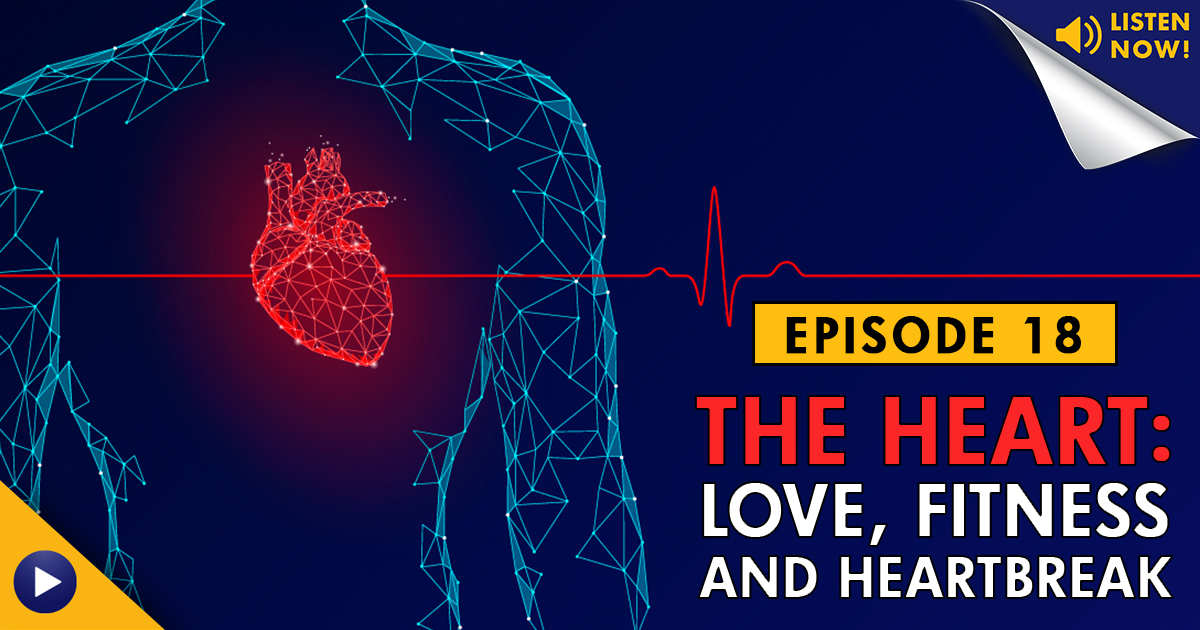
On this episode of our podcast, our hosts Andrew Gabell and Candice Currie speak with Subbarao Myla, Medical Director at the HOAG Cardiovascular Institute, to talk about the physical, spiritual, and nutritional aspects of heart health.  

An interesting, and less commonly discussed, topic in heart health is love and heartbreak. You’ll hear about how the heart reacts to oxytocin, which Myla termed “the hormone of love” and you’ll learn how and why a person can actually die of heartbreak.  

Don’t worry, we also discuss the positive side of things like how to help “fix” a broken heart. Myla even gives us some great insight into heart healthy nutrition tips and shares how dark chocolate can help lower your risk for a stroke! 

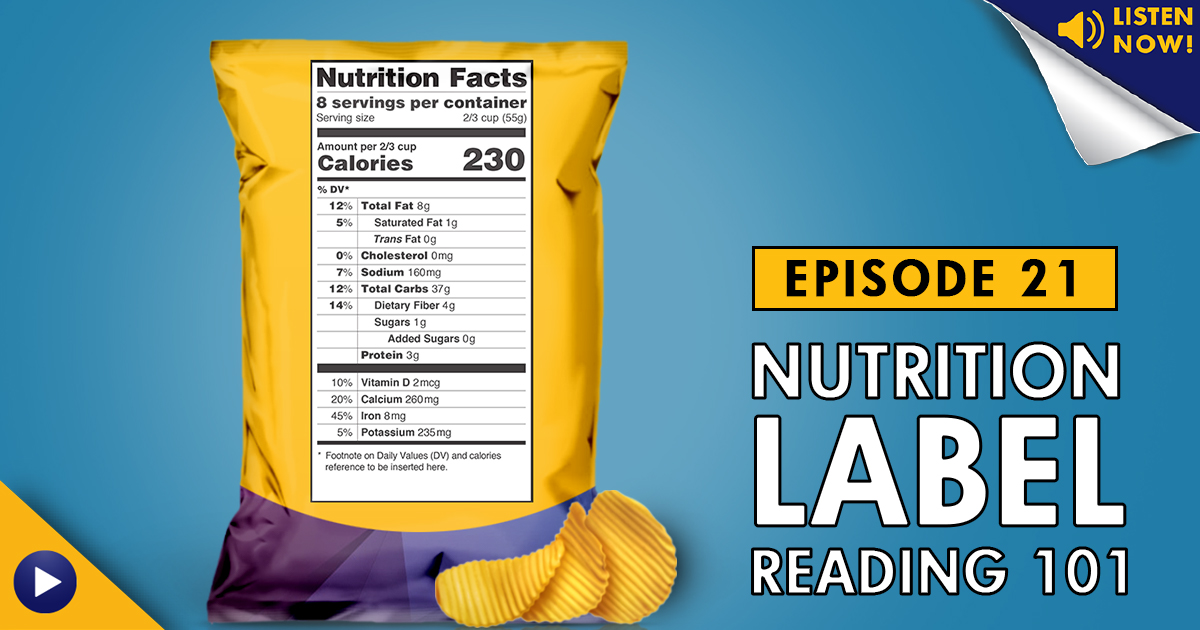
In this episode, you will learn not only how to read the different sections of a nutrition label, you will also learn about macro-nutrients and what they are, which fats you should look out for, and even why popcorn has 2 sets of nutrition facts. Haven’t you ever been curious why anyone would need to know the nutrition facts for both popped AND un-popped popcorn? We’ve been curious, so we found out. 

You’ll also hear from Matt to get the History Lesson on Food Labels You Never Knew You Needed, and from our Registered Dietician, Debbie James, to get the full nutrition label breakdown. 

Dr. Neel Doshi, certified psychiatrist and our guest for Episode 23, talks about what it means to be mentally healthy. He explains that “mental health is just a state-of-being which takes into account our cognitive, psychological, and emotional health.” Many factors, including our biology, psychology, social lives, and our environment impact our mental well-being. 

Listening to this podcast, you will learn just how normative our interactions with each other should be, regardless of whether we are aware or not aware of someone’s mental wellness or illness. You will also learn about how social media, technology, and exercise play a role in your own mental health. 

One of the most important things we can do is to start de-stigmatizing mental illness. We hope this episode offers information you never knew and helps you find ways to improve your personal well-being. 

Debbie James, RDN and LA Fitness Master Trainer, Geoff Fox compete in a trivia battle on fitness and nutrition.

You’ll get answers to questions like “What type of exercise is proven to improve mood and feel-good chemicals like dopamine, serotonin, and endorphins?” and “Which non-meat-based product contains more protein than a chicken breast?” 

Burning questions paired with some light-hearted rivalry make this episode so much fun to listen to. Give it a listen and see for yourself!  

On Episode 29, you’ll hear from our registered dietician, Debbie James, on why metabolism declines with age, when it starts to do so for men and women, and what you can do to help rewind the clock on that decline.  

One of our favorite lines from Debbie in this episode is about how we are becoming spectators as we get older instead of participating. If you consider that, as children we would constantly be running and playing, and as adults we’d take our own children or our pets to the park and lounge in the shade as they play, that thought really comes into focus.  

We love the idea that we should go back to being participants in life instead of spectators, and it’s this physical activity that is key to reviving our metabolism. 

Now last, but by no means least of our favorite episodes, we have our discussion on fad diets. We’re talking about Paleo, Whole 30, Keto, Anti-Inflammatory, and Intermittent Fasting.  

We’ve probably all dabbled in some of these diet plans and maybe even found a favorite and stuck to it like glue. If you stop to think about it though, do you really know the effect these diets have on your body? In this episode, you can get informed about the pros and cons of each diet and get a more complete picture of what your nutrition plan might look like if you chose to try one of these popular diets. 

We hoped you enjoyed our featured episodes! Feel free to browse our full menu of podcasts to find other interesting and exciting topics. To access our monthly blog post highlights, subscribe to our newsletter today!

5 Minute Guided Relaxation for Stress Relief

5 Minute Guided Relaxation for Stress Relief


Every day holds its own set of stressors. We find it on the road, at work, at school, in our families, our friendships, and our romantic relationships.

Many people don’t take much time out of their day to practice self-care. Our busy lives seem to come first, and our own needs fall second.

In this article, you will be guided through a simple relaxation technique. It is easy enough to do on your own, and versatile enough that you can do it almost anywhere. You can take as much time as you like, but you can easily do it in just 5 minutes.

Getting Comfortable

Before we get started, find a comfortable seated position with your feet flat on the ground, or find a comfortable place to lie down. Make sure you are in a quiet space where you will not be disturbed or startled by noise as you settle into your relaxation. This is also a good time to silence your phone.

If you like, you can play soothing instrumental music or nature sounds to help you silence your mind from the to-do lists, worries, and turbulent emotions that may keep you from relaxing.

While it’s healthy to address our concerns and process our emotions, doing so is an entirely different exercise. This guided relaxation is meant to help you create a safe space that will give you the opportunity to relax any stress-tightened muscles and to enjoy a state of stillness and calm.

Preparing Your Mindset


Take in a deep breath. Fill your lungs with air and exhale it slowly.

Much of the tension we carry often sits in our shoulders and jaw muscles.

With another deep breath, exhale the tension out of your body.

Notice the way your body is resting. Notice the contact points between your body and your chosen furniture. Let your muscles relax into the space.

Scanning the Body

We will now scan the body from head to toe and focus on relaxing every muscle along the way.

Bring your attention to your forehead. Take another breath and as you exhale allow the muscles in your forehead to release and relax. Feel your eyebrows settle and your eyelids soften.

With another breath, bring your attention to your jaw. Notice any tightness in the muscles there. With your exhale, unclench your jaw and release the tension with your breath.

Now bring your attention to your neck. There is likely a lot of tension there as well. Take a deep, calming breath, and allow your neck muscles to loosen and relax with your exhale. You may notice your shoulders drop to a more relaxed position as well.

The shoulders are often tense and tight. As you inhale, notice the way your shoulders are resting. With your exhale, allow your shoulder muscles to loosen and drop away from your ears.


Now bring your attention to your arms and hands. As you take a breath in, notice any tightness you’re carrying here. As you exhale out, allow your arms and hands to go limp and rest softly in your lap or at your sides.

Turn your focus to your back and your chest. Take a deep breath and exhale out any stiffness or tightness residing in the muscles here. Feel your spine, your chest, and your ribcage lighten with the release of your breath.

Lower your focus to your thighs, your legs, and your feet. As you breathe in, notice any tightness. Your lower body contains your largest muscle groups, so scan this area slowly from your thighs all the way down to your feet. Let any tension here dissolve with your exhale.

Preparing to End the Session

Give your body one more brief scan from head to toe and unlock any muscles that may have returned to a tense position.

Take one more deep breath in and exhale it out. When you are ready, bring your awareness back to the room, to the sounds you can hear, to the temperature of the air, and to any smells that are present. Hopefully, you feel more relaxed now than you did several minutes ago.

How Do You Feel?

Body scans are a powerful piece of guided relaxation because they allow us to focus on and tend to the muscles that work the hardest and carry our stress. Of course, you can’t relax your way out of any injuries or physical pain, but the hope is that exercises like this will allow you to rest your mind and your body during an otherwise busy day.

For information on What it Means to be Mentally Healthy, (hint: it isn’t just the absence of a mental disorder), read our blog on that topic. To learn how you can Combat Stress with Food, read the post by our Registered Dietician, Debbie James. To access our monthly blog post highlights, subscribe to our newsletter today!

Hydration and Cognition are Linked!

Hydration and Cognition are Linked!

We’re slowly leaving summer behind and with the cooler months we start to think less about the importance of staying hydrated. It’s just as important now as it was in July to drink water, and what it does for your body and mind is pretty amazing. 

Did you know that drinking water can actually improve your mood, memory, attention, and learning? The human brain is made primarily of water: over 75%! It makes sense that, when the body becomes dehydrated, the brain has a more difficult time doing what it needs to. 

It’s easy to lose water if you’re not consuming enough throughout your normal day. If you’re losing more water than usual because of hot weather or exercise, you’ll need to take-in even more. 

How to Stay Hydrated 

According to the Mayo Clinic, the National Academies of Sciences, Engineering, and Medicine recommends that on average, men should consume approximately 15.5 cups, or 3.7 liters, of fluid every day. For women, the recommended amount is 11.5 cups, or 2.7 liters. 

Yes, that sounds like a lot!! We’re also used to hearing that we should drink (a much more reasonable) 8 cups of water a day. However, you should take another look at that information. 

The word “consume” means you don’t necessarily need to drink the water you need. You can eat foods that contain water and still meet the recommendations. It also says “fluids,” which means you can drink a water-containing beverage like milk or juice and still get the needed H2O. 

Here are some ways to get the water you need, to keep track of your intake, and to remind you of your next water break. 


01.

Drink from a Marked Container 

A container that’s marked according to how much fluid it can hold is going to be your best friend. It’ll be easy to keep track of how much you’ve had to drink. For example, if you drink from a 32-ounce bottle, you can make it your goal to drink 2 or 3 of those bottles every day. This will put you at approximately 1.9- or 2.8-liters respectively. You should be able to get the rest of your water needs by eating. 


 02.

Eat Foods with High Water Content  

Healthline published a list of water-rich foods that can help you determine which foods to add to your day. Some great foods from this list include: 

  1. Watermelon 
  2. Cucumber 
  3. Skim Milk 
  4. Lettuce 
  5. Zucchini 
  6. Celery 
  7. Plain Yogurt 

As you can see, there’s a solid mix of sweet/salty flavors and crunchy/creamy textures. There are enough options to find at least one thing you enjoy! 


 03.

Use an App to Track Your Intake 

Some fitness apps have a section where you can log your water intake. Other apps exist solely for the purpose of reminding you to drink and to help you track your intake. You can simply go to your App Store from your smartphone and do a search for water tracking apps. If you just want some of our random finds, take a look at these free-to-download apps: 

Waterlogged – iOS 

Daily Water – iOS 

Water Time Pro – Android 

Drink Water – Android 


04.

Test Your Hydration

An easy way to tell if you’re hydrated enough is if the color of your urine is pale yellow to clear. Darker urine colors may indicate that you’re not getting enough water. There are other reasons why urine color may change so never take it strictly as a sign of dehydration!  

Another quick test is the skin elasticity test. If you pinch the skin on the top of your hand, it should quickly drop back to its original position. If it holds the pinched shape and slowly comes back down, you might be dehydrated. 

Remember that every body is different

Keep in mind that the amount of water your body requires to function healthily is going to be different from what someone else’s body requires. Even if you’re generally the same in terms of age, health, and fitness level, your body may simply need more or less. Listen to your body and focus on you! 

To read what our Registered Dietician, Debbie James, had to say about Drinking Too Much Water, read her response to our guest’s question. Or, to learn more about different types of water, read her response to this question on Distilled Water. To access our monthly blog post highlights, subscribe to our newsletter today!