What are the Best Foods to Eat Before & After a Workout? | Q+A

What are the Best Foods to Eat Before & After a Workout? | Q+A


Question:

I was wondering what are the best foods to eat before and after a workout. Also, is it bad if you work out late at night consistently (10 PM- Midnight)?

-Jesus S.


Answer:

Working out late at night is not a bad way to get your exercise if you get adequate restful sleep. Optimal eating before and after a workout is all relative to the timing, quantity and quality of the rest of your meals. After a complete meal one might not feel ready to work out for 2-3 hours, after the food has mostly emptied the stomach. If one hasn’t eaten in over 4 hours, a quick snack before working out is needed for best performance. Let’s suppose a couple of scenarios to answer your first question…


6 pm evening workout, before 7:30 dinner:

Hitting the gym after work usually means on an empty stomach if lunch was at noon or 1 pm. The fix is a 4-5 pm snack containing protein and complex carbohydrates of approx. 200-300 calories, depending on your goals. There are several options that suit these needs:

Apple + string cheese

2 oz. protein/energy bar (such as Rise®, Builder’s®, Larabar ALT, Macrobar, Detour SimpleTM,  Balance® to name a few)

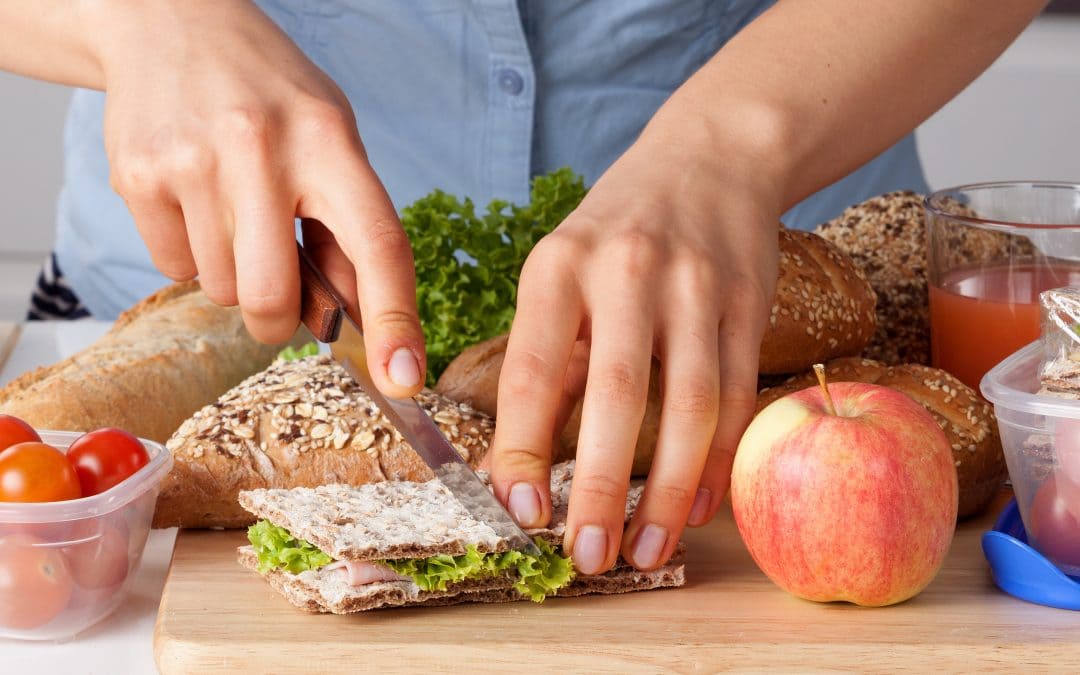
Half a homemade turkey sandwich

Fruited Greek yogurt cup + 2 graham cracker squares

1 cup cooked soybeans

After this workout you’d need to eat dinner right away (within 30 minutes). If there will be a delay, have a small recovery drink or a single-serve package of chocolate milk before you leave the locker room.


10 pm evening workout, after 7 pm dinner:

Letting your dinner settle before exercise is important not only for gut comfort, but also to allow the nutrients to fully get to your muscles. A pre-workout snack is not needed. If you feel a little depleted, perhaps an energy sports drink will perk you up. After your workout you don’t need much before bed, but enough to encourage muscle repletion and growth. Consider one of these options:

Bowl of hearty soup

1 cup mixed cottage cheese & fruit

Handful of baked pita chips + hummus to dip

1-2 hard boiled eggs + a soft pretzel

Read our previous answer to eating for late night exercise by clicking here.

This article should not replace any exercise program or restrictions, any dietary supplements or restrictions, or any other medical recommendations from your primary care physician. Before starting any exercise program or diet, make sure it is approved by your doctor.

Ask our Dietitian

QA_icon

Have a nutrition question? Our registered dietitian is ready to help!

Email nutrition@lafitness.com or submit your question below and it may be featured in an upcoming article!

6 + 1 =

LA Fitness Living Healthy subscribe button

Want more? SUBSCRIBE to receive the latest Living Healthy articles right in your inbox!

Suggested Articles

Celebrate Yoga Awareness Month This September

Celebrate Yoga Awareness Month This September

September is Yoga Awareness Month, a perfect time to explore the incredible benefits of yoga and how it can enhance your life. Whether you’re a seasoned yogi or a beginner, this month is all about embracing the practice and discovering its transformative power.  The...
Healthy Smoothie Recipes

Healthy Smoothie Recipes

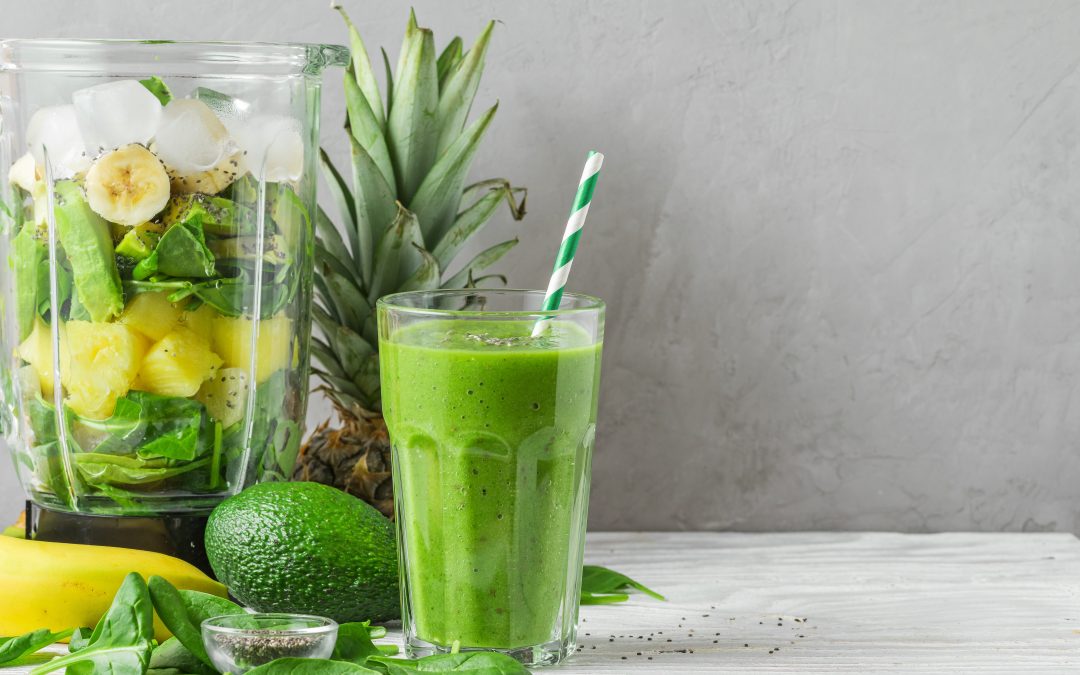
Cue the sound of a revving engine… running your blender at home can bring goodness with that whirring noise! Creating your own smoothies is a great way to get in some nutrients and plant phytochemicals you otherwise wouldn’t during the day. It allows you to prepare...

Serve Up Joy This Season

Serve Up Joy This Season

This article was contributed by Debbie J., MS, RD

Joy In the Season

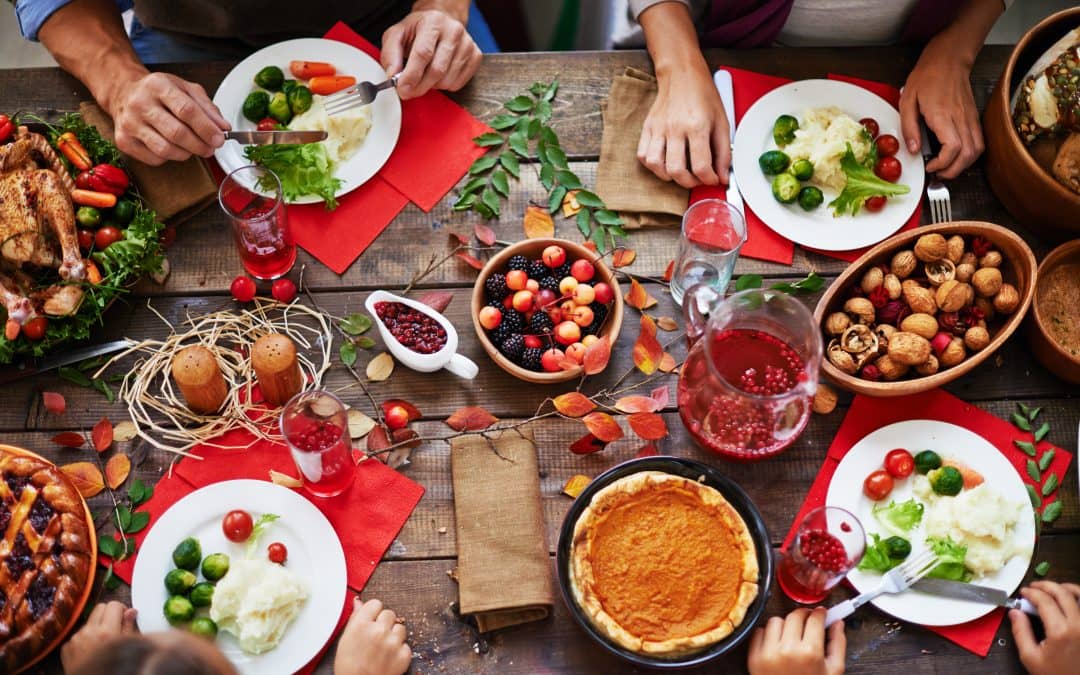
Pleasure in eating is a good thing, but too much of a good thing can be detrimental. The key is to choose the foods that make you feel good and only eat the amount that you need, not what you want. So what foods make you feel good? Though the answer may differ from person to person, science shows certain foods or nutrients really do help us feel more energetic or perk up our mood. Our hormones and neurotransmitters (see box below) are largely responsible for our emotions. What we eat may impact their production and thus, our mood. In addition, psychological factors surrounding eating may have a strong impact on our mood. Through experience, we associate certain feelings with some foods we eat.

The Foods + Nutrients

  • Your favorite foods, sometimes associated with fond memories, can trigger positive emotions.
  • What you consider luxury food may bring you bliss.
  • Your comfort foods, typically associated with warmth and caring, may make you feel at ease.
  • Fish, seafood, nuts & nut oils (Omega-3 fatty acids) are linked with dopamine and serotonin.
  • Starches, such as rice, pasta, potatoes, corn, oats, fruit, and vegetables contain Carbohydrates that increase blood sugar, causing a release of serotonin* and a surge in dopamine.
  •  Whole grains, pork, yeast, beans, nuts, peas, tomatoes, oranges, eggs contain Thiamine, which influences mood states, may increase sociability, energy levels and well-being.
  •  High protein foods, such as meats, fish, poultry, beans, eggs, and dairy contain Tyrosine and phenylalanine, which are precursors of dopamine and norepinephrine.
  • Quercetin, which can increase serotonin, dopamine and norepinephrine, is found in foods such as Apples, kale, dark berries, peppers, onion and even green tea.
  • Tuna, beef, rice, poultry, potatoes, Brussels sprouts, chickpeas, and bananas contain Vitamin B-6, which is needed in the production of norepinephrine.

Portion Control

Tailoring portions to what you need can be a challenge with family gatherings, holiday buffets and potlucks. The key to controlling portions without feeling restricted is to focus on the positive of what you serve your body. Be grateful for small amounts that are enough to provide pleasure without indulgence or gluttony. Remember that the flavors and sensation of eating are short-lived while the gastric and hormonal effects are long-lasting. A content stomach is one that’s satisfied but not full, rather than a stuffed one that brings later discomfort. Learn more about the effects of eating too much from a previous post here.

Tips to portion control

  • Don’t go more than 5 hours without eating – try to have a small snack handy.
  • Consider drinking a full glass of water before meals.
  • Eat when you are physically hungry, not appetite-driven or bored.
  • Use smaller plates, cups and bowls to help fool your eyes into thinking you have more.
  • Eat the vegetables and fruit on your plate first to fill up with fewer calories.
  • Consume enough to be comfortable and no longer feel hungry.
  • Distance yourself from the serving area to prevent mindless nibbling.
  • When you first perceive you may be finished, cleanse your palate to end eating.

So remember, holiday eating can be fun when you try to eat foods that make you feel good and recognize that portion control is not the enemy. Enjoy the holidays with those near you, and tell us what feel-good foods you made this year by leaving a comment below!

This article should not replace any exercise program or restrictions, any dietary supplements or restrictions, or any other medical recommendations from your primary care physician. Before starting any exercise program or diet, make sure it is approved by your doctor.

LA Fitness Living Healthy subscribe button

Want more? SUBSCRIBE to receive the latest Living Healthy articles right in your inbox!

Ask our Dietitian

Have a nutrition question? Our registered dietitian is ready to help! Email nutrition@lafitness.com or submit your question below and it may be featured in an upcoming article!

13 + 4 =