Full, Healthy, Nutritious Meals | Q+A

Full, Healthy, Nutritious Meals | Q+A

Question:

So I just started working out again. I’ve struggled with anorexia for thirteen plus years, but been in a pretty solid recovery for about two. From listening to an eating disorder about food, to having to gain mass amounts of weight in treatment, to just trying to maintain where I am…it’s been a crazy road of trying to figure out how best to treat my body with food. I have maintained a weight of about 115-117 for a while now (I’m 5’6″ and 25 years old). I guess my question is…how do I do this? What are examples of full, healthy, nutritious meals? I’m not looking to bulk up, but looking to gain strength. I suppose I’m just hoping someone can point me in the right direction. Sorry this question was all over the place, and thank you for sticking through it!

– Carly T.

Answer:

Thank you for your question, Carly! You don’t have to search far for examples of balanced meals for a healthy diet. Any meal can be adapted to your food preferences or tailored up/down in energy depending on preparation and condiments. No rules just a guideline — for lunch and dinner, start with vegetables, protein and starch as the base, plus a spoonful of fat. Add dairy or fruit as desired.

Don’t worry about portions and calories, just what looks and tastes great together! Go for seasonal produce, a variety of foods and colorful choices.

Here are some top picks for full meals:

  • Roasted chicken, potatoes and green beans.
  • Vegetable and cheese lasagna with a side salad.
  • Curried tofu and vegetables with rice.
  • Pork loin chop, mashed potato and steamed veggies.
  • Teriyaki beef stir-fry.
  • Noodles, salmon and broccoli.
  • BBQ pork, corn on the cob and coleslaw.
  • Ham and bean soup with cornbread.
  • Mango shrimp avocado tostada, add black beans.

Roasted chicken, potatoes and green beans.

Vegetable and cheese lasagna with a side salad.


Curried tofu and vegetables with rice.


Pork loin chop, mashed potato and steamed veggies.


Teriyaki beef stir-fry.


Noodles, salmon and broccoli.


BBQ pork, corn on the cob and coleslaw.


Ham and bean soup with cornbread.

Mango shrimp avocado tostada, add black beans.

Don’t worry about portions and calories, just what looks and tastes great together! Go for seasonal produce, a variety of foods and colorful choices

– Debbie J., MS, RD.

Disclaimer: This post is provided as general information only, and is not meant to be used as a substitute for professional medical advice, diagnosis or treatment. If you suspect your eating may be disordered, consult with a physician.


Ask our Dietitian

Have a nutrition question? Our registered dietitian is ready to help!

Email nutrition@lafitness.com or submit your question below and it may be featured in an upcoming article!

7 + 1 =


Recommended Reading - Q+A

Good carbs vs bad carbs
Debunking Diet Myths

Debunking Diet Myths

With so many sources offering nutrition advice, it’s hard to know what’s true. Even factual information can become distorted by the time it reaches you. Like a game of telephone, the message often changes as it’s passed along. Here, we debunk 5 common diet myths to...


How Much Protein is Needed Per Day? | Q+A

How Much Protein is Needed Per Day? | Q+A

Question:

I’m a 180 lb. guy looking to skinny up and build muscle. Lifting a bunch lately. Running a bit. How much protein should I eat in grams per day?

– Kenneth B.

Answer:

Depending on your age and height, your estimated daily protein needs for your goals look to fall in the 90-115 gram range. That’s about 1.1-1.4 gm/kg. As you progress with regular intense training, upwards of 1.6 gm/kg (131 gms) may be needed.  Whether you lose fat or gain muscle also has to do with your total calories. If you’re undereating severely, you’ll need more protein. If your calories are beyond adequate, less protein is used for muscle development.

In addition to the amount of protein, you should focus on the quality of your protein and nutrient timing. Fatty sources of protein like sausage, cheese and regular ground beef contribute too many calories. Poultry breast, fish, loin and round cuts of beef/pork, beans and eggs are lean or medium-fat protein sources more likely to help you get thinner. Gulping down a 16 oz steak at once will not load muscles adequately. Instead, consume about 30 grams of protein per sitting, including breakfast. For supplements, a whey, casein, soy protein blend is ideal for longer-lasting protein delivery to working muscles.

– Debbie J., MS, RD

This article should not replace any exercise program or restrictions, any dietary supplements or restrictions, or any other medical recommendations from your primary care physician. Before starting any exercise program or diet, make sure it is approved by your doctor.

Some questions have been edited for length and/or clarity.


Ask our Dietitian

Have a nutrition question? Our registered dietitian is ready to help!

Email nutrition@lafitness.com or submit your question below and it may be featured in an upcoming article!

5 + 10 =


Recommended Reading - Q+A

Good carbs vs bad carbs
Debunking Diet Myths

Debunking Diet Myths

With so many sources offering nutrition advice, it’s hard to know what’s true. Even factual information can become distorted by the time it reaches you. Like a game of telephone, the message often changes as it’s passed along. Here, we debunk 5 common diet myths to...
Snacks to Help Keep Hunger at Bay | Q+A

Snacks to Help Keep Hunger at Bay | Q+A

Question:

What are some snacks that I can eat throughout the day to keep my body from eating itself? I have a high metabolism and I get hungry very quickly

– Joseph E.

Answer:

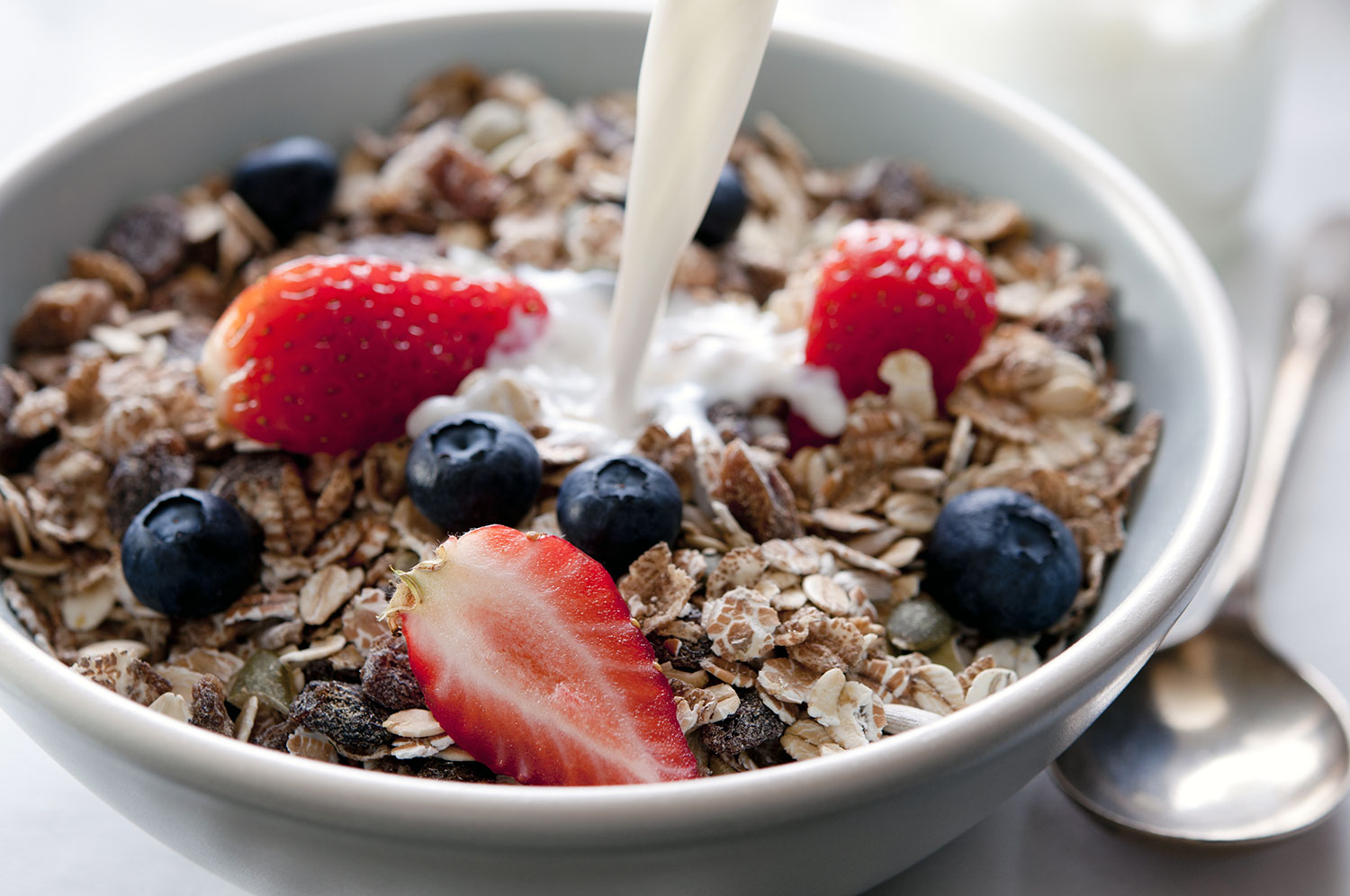
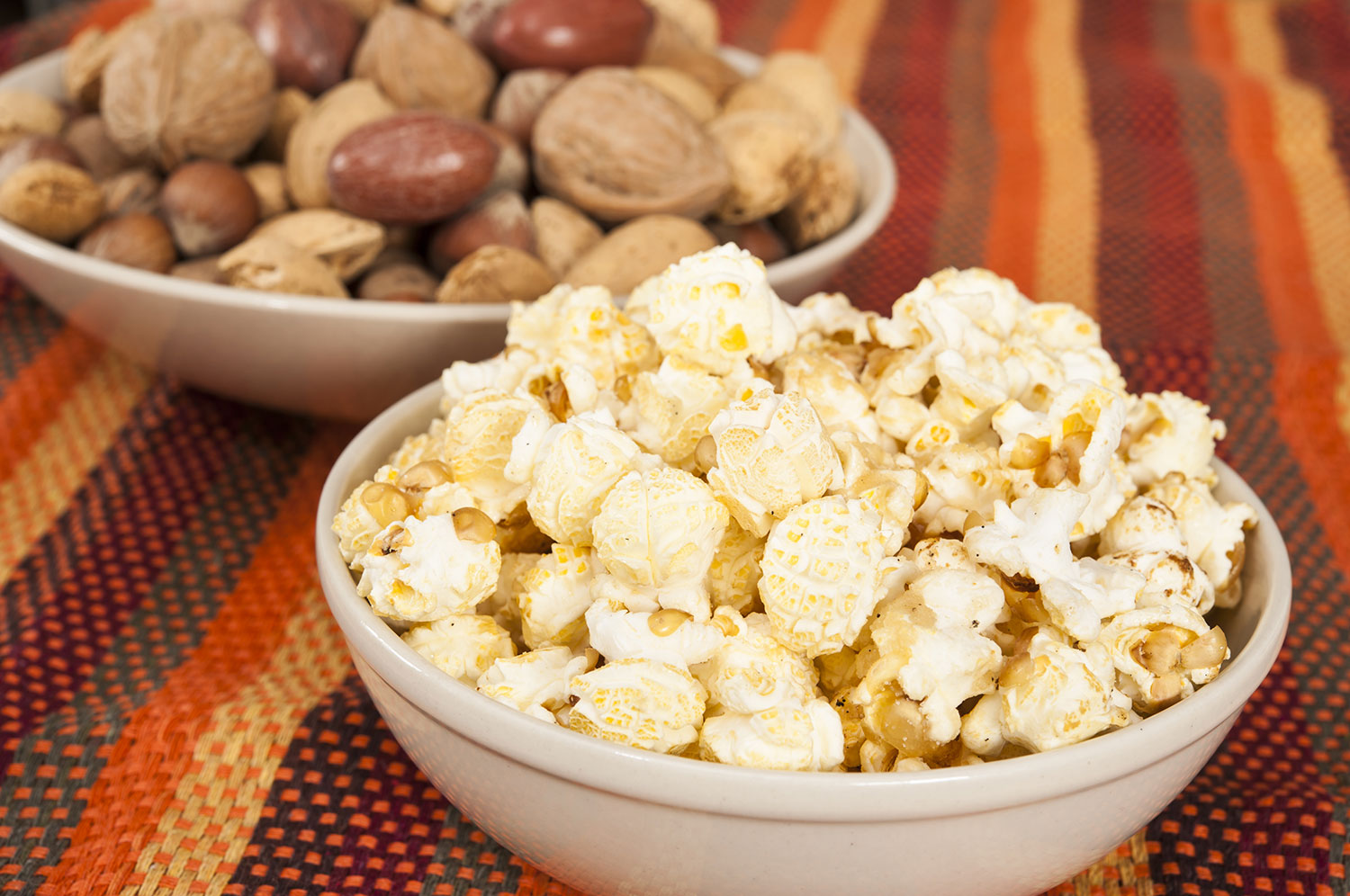
To really address recurring hunger, snacks will need to have both energy density and volume. This is sort of a contradiction unless you consider pairing foods. Protein and fiber are added bonuses for long-term satisfaction. Take nuts and popcorn for example; one has over 100 calories in an ounce with decent protein, while the other gives only 100 calories in 3 cups plus fiber. A perfect match. Consider a bowl of granola + milk, with a side of melon. Try other combos like cheese and rice crackers, peanut butter and celery, or hummus and carrots.

Another option are fatty vegetables. Soy nuts and fried snap peas are easy finger foods with a savory appeal like potato chips. Edamame can be prepared hot or cold, salted or not. Avocado as guacamole with bell pepper strips or baked whole-grain crackers is an appetizer turned snack for anytime.

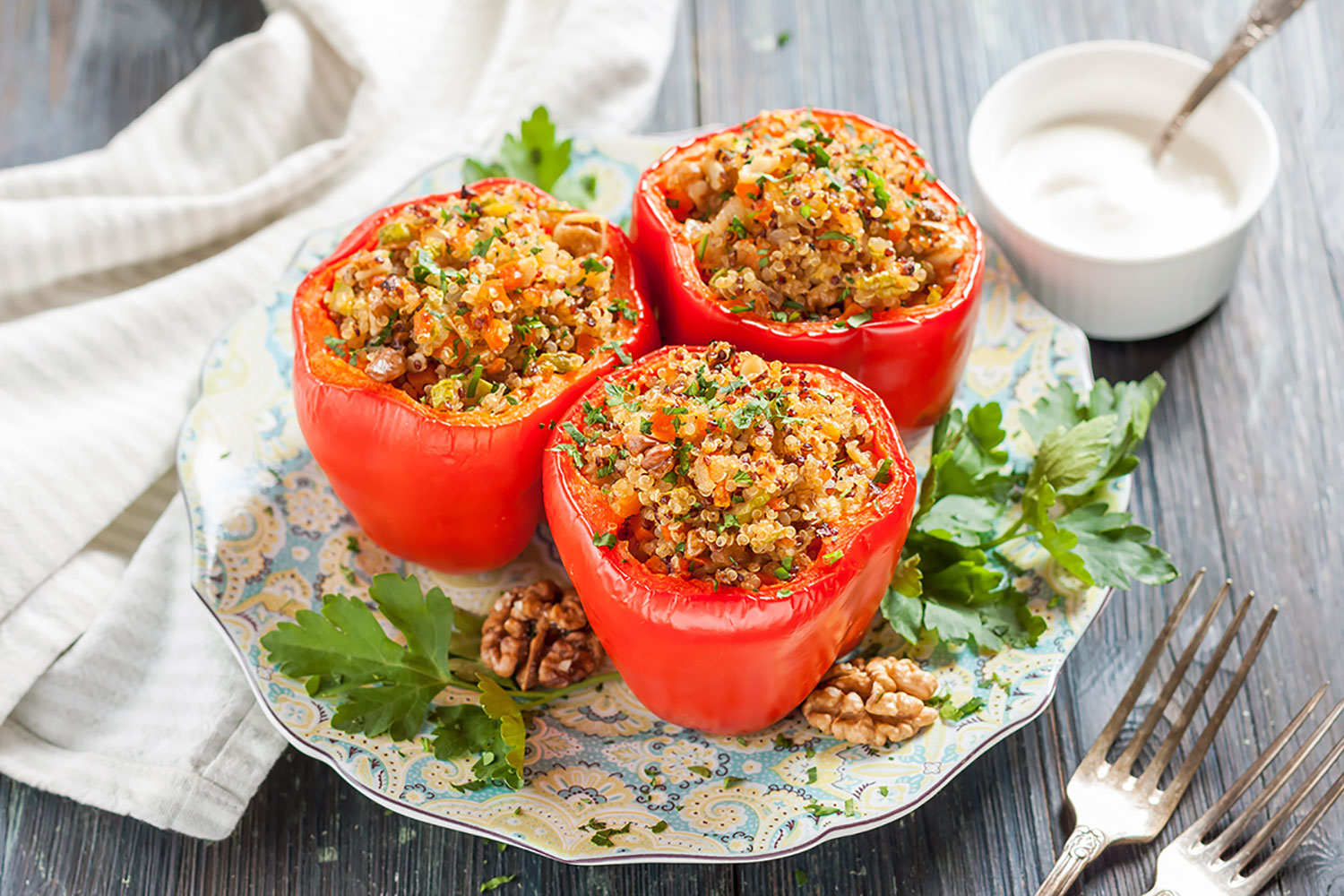
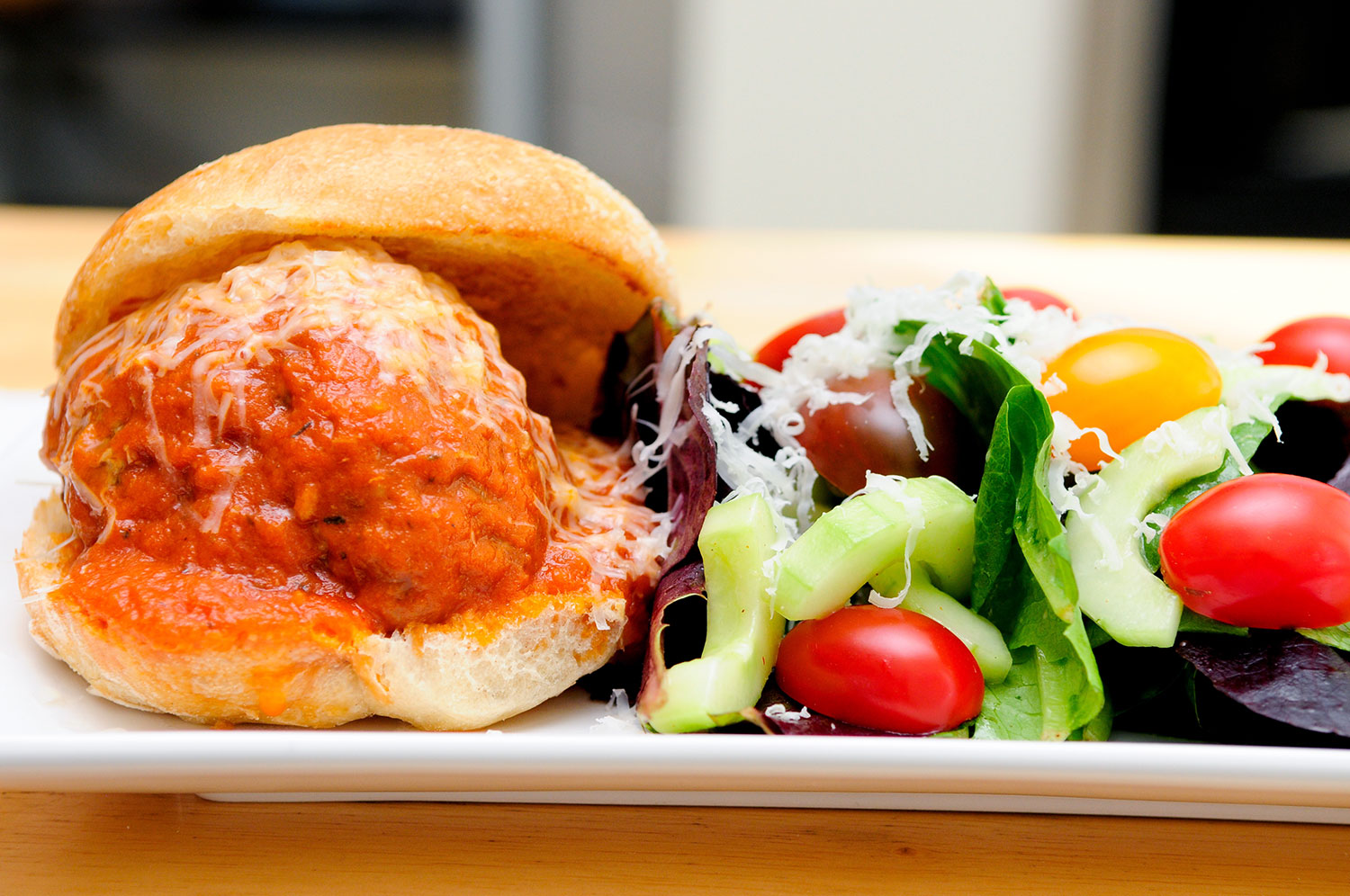
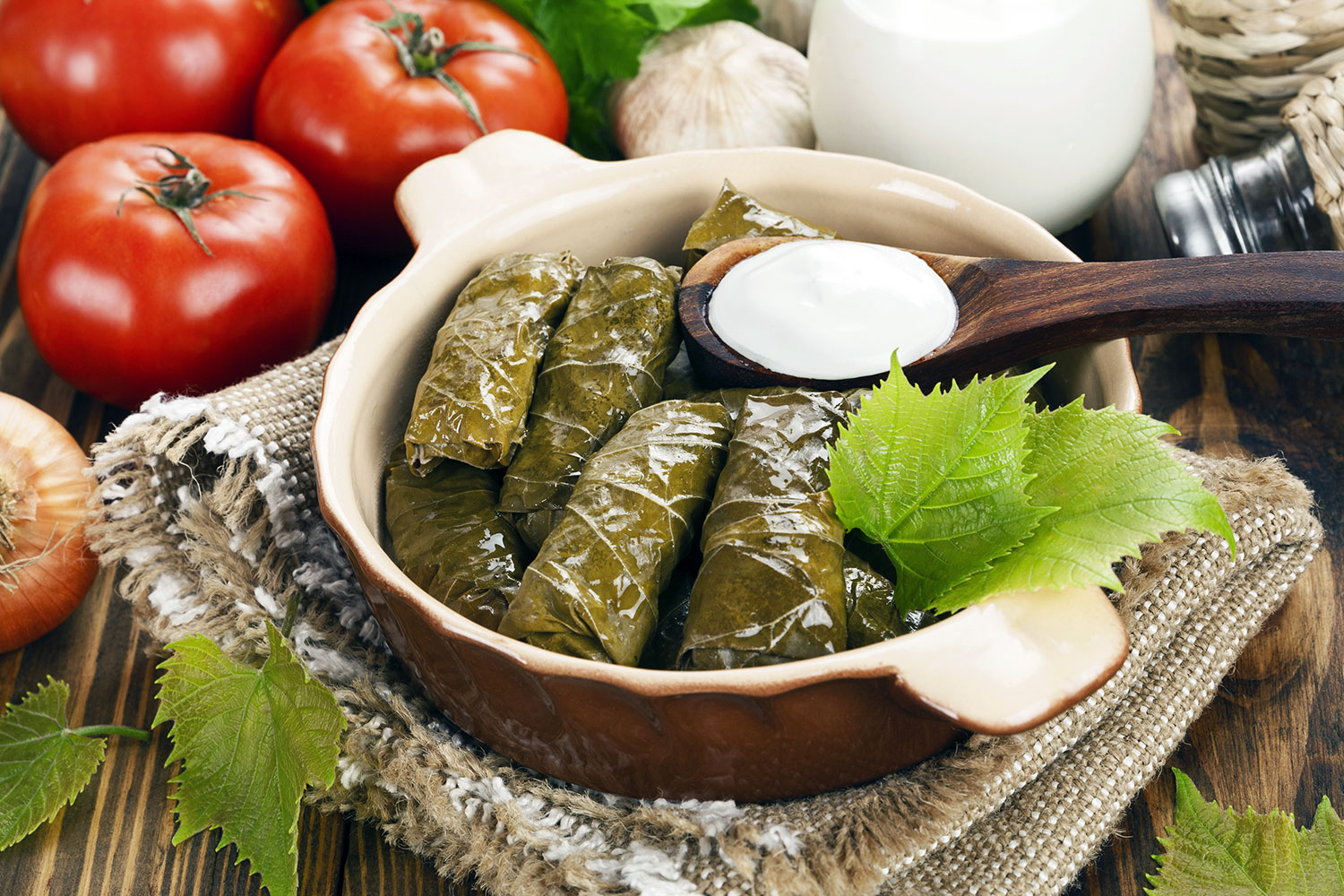
Think outside the box of traditional snacks. Leftovers and mini-meals make great snacks too! A stuffed pepper, a couple meatball sliders or a few dolmas might foot the bill.

– Debbie J., MS, RD

This article should not replace any exercise program or restrictions, any dietary supplements or restrictions, or any other medical recommendations from your primary care physician. Before starting any exercise program or diet, make sure it is approved by your doctor.

Some questions have been edited for length and/or clarity.


Ask our Dietitian

Have a nutrition question? Our registered dietitian is ready to help!

Email nutrition@lafitness.com or submit your question below and it may be featured in an upcoming article!

4 + 13 =


Recommended Reading - Q+A

Good carbs vs bad carbs
Debunking Diet Myths

Debunking Diet Myths

With so many sources offering nutrition advice, it’s hard to know what’s true. Even factual information can become distorted by the time it reaches you. Like a game of telephone, the message often changes as it’s passed along. Here, we debunk 5 common diet myths to...

What is the Best Way to Calculate Calories? | Q+A

What is the Best Way to Calculate Calories? | Q+A

Question:

What’s the best way to calculate calories?

– Jonatan A.

Answer:

If you are strictly speaking of counting calories consumed, then the gold standard for calorie values is the USDA National Nutrient Database for Standard Reference. The most current is Release 28 from August 2017. Using this resource, calculating individual foods yourself is laborious. Meet diet analysis software! As long as the program or website you are using has a comprehensive database (over 20,000 foods) and common portions, you should be able to enter a day’s worth of intake in under an hour. The more detailed and specific you are in recording what you ate, the more accurate the report will be. There are several consumer-friendly versions of software used by dietary professionals. My favorite software for purchase is Nutribase Personal Plus or FoodWorks, and online www.Nutrihand.com or www.FitDay.com for free.

– Debbie J., MS, RD

This article should not replace any exercise program or restrictions, any dietary supplements or restrictions, or any other medical recommendations from your primary care physician. Before starting any exercise program or diet, make sure it is approved by your doctor.

Some questions have been edited for length and/or clarity.


Ask our Dietitian

Have a nutrition question? Our registered dietitian is ready to help!

Email nutrition@lafitness.com or submit your question below and it may be featured in an upcoming article!

9 + 13 =


Recommended Reading - Q+A

Good carbs vs bad carbs
Debunking Diet Myths

Debunking Diet Myths

With so many sources offering nutrition advice, it’s hard to know what’s true. Even factual information can become distorted by the time it reaches you. Like a game of telephone, the message often changes as it’s passed along. Here, we debunk 5 common diet myths to...
How to Calculate Body Fat Percentage & Lean Mass | Q+A

How to Calculate Body Fat Percentage & Lean Mass | Q+A

Question:

What’s the correct way of calculating body fat percentage and lean mass?

– Garima

Answer:

The previous gold standard for body composition analysis has been hydrostatic weighing. Short of a university research lab, you may have trouble locating such a dunk tank. A dual energy x-ray absorptiometry (DEXA) scan is a higher tech method available in medical care settings, since they primarily use them for bone density status. A Bod Pod device provides reliable results, though it’s difficult to find one of these space-age egg-shaped chambers. In general, these methods basically use the difference in density of body tissues to determine how much of each you have. They also carry a price tag.

So what does that leave for you that’s readily available? Skinfold thickness testing using digital calipers may be an option if there is a trained individual performing the measurements with good equipment. It determines subcutaneous fat to predict overall body fat. The best simple, fast and inexpensive method is an electronic bioelectrical impedance analysis (BIA) scale with integrated upper body measurement. Such segmental devices get an overall picture by looking at hydration status of all 4 quadrants & torso of the body.  As if a step-on BIA scale and a hand held analyzer had an offspring. The small electrical signal passes through muscle and fat differently based on their water content.

You don’t have to calculate body fat % or lean mass as the above methods have equations built into the software. In the case of skinfold thickness with traditional calipers, the most accurate formula uses six or more body measurements whose sum is usually available in a table format for conversion into body fat.

– Debbie J., MS, RD

This article should not replace any exercise program or restrictions, any dietary supplements or restrictions, or any other medical recommendations from your primary care physician. Before starting any exercise program or diet, make sure it is approved by your doctor.

Some questions have been edited for length and/or clarity.


Ask our Dietitian

Have a nutrition question? Our registered dietitian is ready to help!

Email nutrition@lafitness.com or submit your question below and it may be featured in an upcoming article!

4 + 10 =


Recommended Reading - Q+A

Good carbs vs bad carbs
Debunking Diet Myths

Debunking Diet Myths

With so many sources offering nutrition advice, it’s hard to know what’s true. Even factual information can become distorted by the time it reaches you. Like a game of telephone, the message often changes as it’s passed along. Here, we debunk 5 common diet myths to...