Plant Protein Advice for Seniors

Plant Protein Advice for Seniors

Question:

I am in my 60s. I was having a conversation with someone who has become a vegan since becoming a senior. He states that we seniors no longer need the protein from meats. He believes that our bodies do better when we receive our proteins from other sources other than animals. Is there truth to this?

– John D.

Answer:

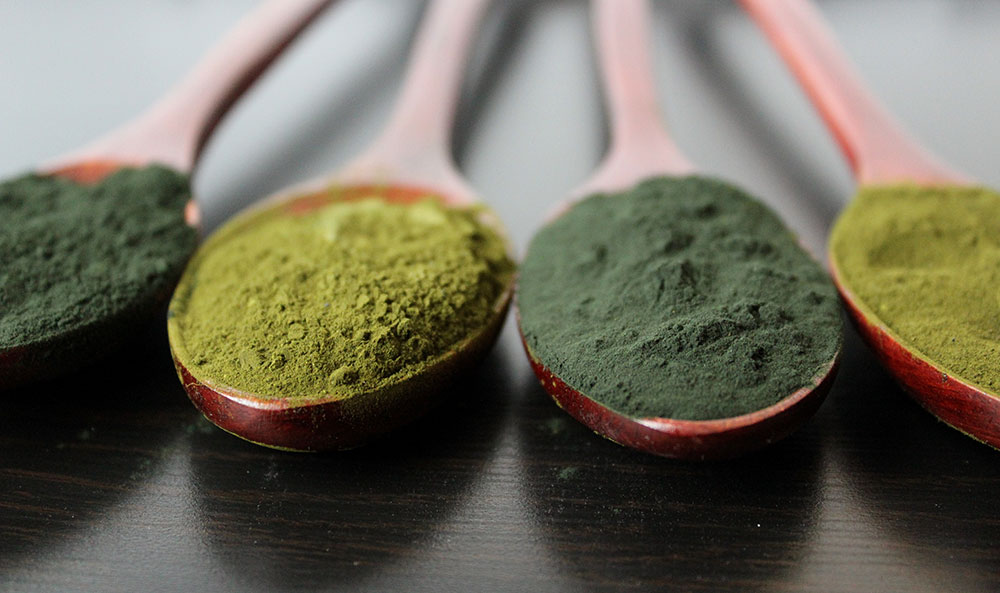
To maintain muscle mass and strength (which begin to decline in one’s 50s), older adults need a protein-rich diet. Because of a decline in protein digestion with age (see italicized below), protein needs for seniors are higher than those of other adults (1.0 gm/kg vs. 0.8 gm/kg). Some evidence supports that plant proteins contribute more to muscle strength, while animal protein helps preserve mass.*

While animal protein sources boast more B-12, vitamin D, heme-iron, and zinc, plant proteins are by far healthier in the long run. With a diet rich in plant proteins, there’s a lower incidence of cancer, reduced inflammation, lower risk of heart disease, improved insulin sensitivity, and the list goes on! With plant protein, you get fiber and phytonutrients from the whole food source instead of saturated fat and cholesterol with animal proteins.

Regardless of protein source, intake should be spread throughout the day and protein included with each meal.

Digestion of protein is dependent on mechanical breakdown and gut enzymes. Stomach acids are needed to unravel the proteins into peptide strands so that enzymes in the small intestine can cleave them into individual amino acids for absorption. Both stomach acid and enzyme production tend to decline with age, making protein digestion less efficient.

*Higher Protein Intake is Associated with Higher Lean Mass and Quadriceps Muscle Strength in Adult Men and Women. S Sahni, et al. The Journal of Nutrition July 2015. Vol. 145 (7):1569-75. https://doi.org/10.3945/jn.114.204925

– Debbie J., MS, RD

This article should not replace any exercise program or restrictions, any dietary supplements or restrictions, or any other medical recommendations from your primary care physician. Before starting any exercise program or diet, make sure it is approved by your doctor.

Some questions have been edited for length and/or clarity.


Ask our Dietitian

Have a nutrition question? Our registered dietitian is ready to help!

Email nutrition@lafitness.com or submit your question below and it may be featured in an upcoming article!

12 + 8 =


Recommended Reading - Q+A

Blender with fresh ingredients to making healthy detox smoothie with glass of green prepared drink with a straw. Vegan cooking concept
Healthy Smoothie Recipes

Healthy Smoothie Recipes

Cue the sound of a revving engine… running your blender at home can bring goodness with that whirring noise! Creating your own smoothies is a great way to get in some nutrients and plant phytochemicals you otherwise wouldn’t during the day. It allows you to prepare...

Good carbs vs bad carbs
Debunking Diet Myths

Debunking Diet Myths

With so many sources offering nutrition advice, it’s hard to know what’s true. Even factual information can become distorted by the time it reaches you. Like a game of telephone, the message often changes as it’s passed along. Here, we debunk 5 common diet myths to...

Hot Food Trends You Should Definitely Look Into

Hot Food Trends You Should Definitely Look Into

Plant protein

Move over tofu and soymilk! Vegetarian foods have long been on specialty shelves but now more conventional foods are incorporating plant proteins, in all things from egg substitute and yogurt, to bratwurst and sausage. Ingredients like seitan, tempeh, lentils, pea protein, rice protein, mung bean, fava bean, and vegan protein powders are making their way into mainstream foods. It is no secret that replacing animal protein with plant protein can improve blood sugar control in diabetes1, lower cardiovascular disease risk2, and reduce the risk of various cancers3,4. Plus, vegetarian and plant-based diets are associated with lower body weight5.

Air fryers

As an alternative to conventional frying in oil, these countertop convection (fan-powered circulated hot air) ovens can produce a similar crispy texture, color and flavor with substantially lower fat content6. French fries and chicken nuggets that are deep fried do rate higher in crispness, mouth feel and acceptance, though6,7.  Air-fryer outcome is good if instructions are followed properly for lightly breaded foods cooked in small batches, but the process is slower than deep frying6. If you’re really craving a fried food taste, you can still lightly brush food with oil before cooking. If you need to crisp wet battered items or prepare party-size quantities, an air-fryer won’t do the job.

Root-to-stem cooking

This no waste, whole food approach is not new, but restaurants and chefs are offering more culinary guidance to consuming fully edible plant parts. By utilizing all the parts of your produce – the leaves, stems, rinds, stalks, and skins – you get a boost of nutrition and flavor. Plus, it’s cost-effective and environmentally conscious.  Here are some tips to embrace more of your produce:

  • Wash or scrub potatoes, carrots, cucumber, and apple thoroughly instead of peeling.
  • Revive wilted vegetables by cutting near the base and submerging in cool water for 20 minutes.
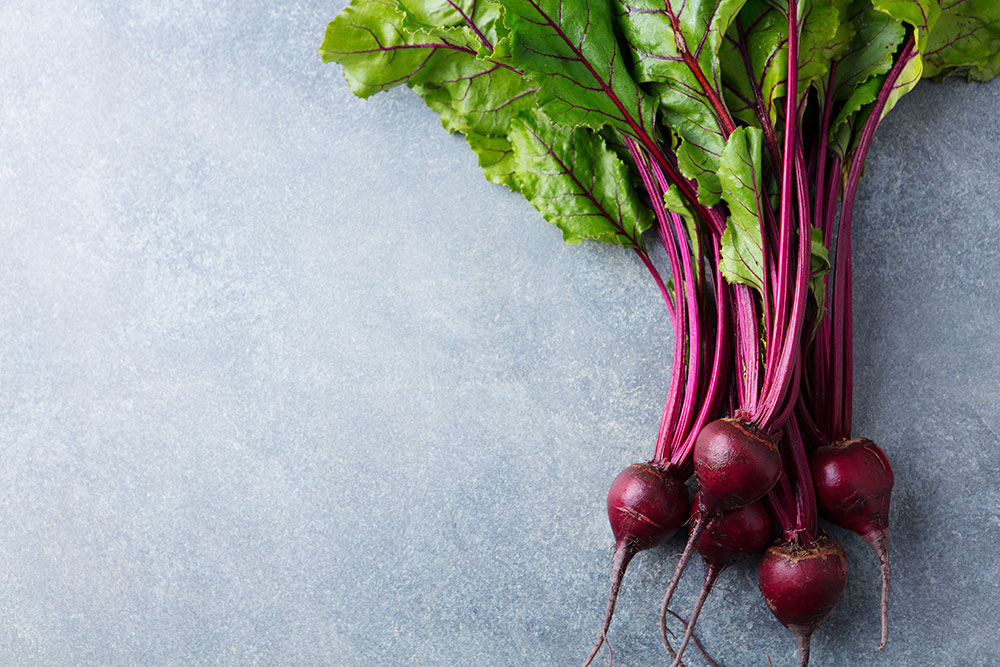
  • Blanch the leafy tops of carrots, radish, turnip and beets to use in salads.
  • Chard stems can be diced and sautéed to give crunch to cooked leaves.
  • Blenderize the cut ends of cooked string beans and add to a green smoothie.
  • Broccoli stalks can be shredded for slaw.
  • Pickle watermelon rinds for a creative chutney or summer side dish.
  • Cabbage and cauliflower cores can be chopped and saved for soups.
  • If you must peel bruises or remove brown spots, use these trimmings in a compost bin.

Edible essential oils

!! Recommended to avoid

Unlike flavor extracts, essential oils are not intended for ingestion. Though the FDA indicates they are generally recognized as safe in commonly used amounts (approx. doses in the range of 1 to 3 drops, 1 to 3 times per day), you should only use food grade essential oils orally with the expertise of a professional. They are highly concentrated and can cause damage internally if administered without expert dilution, even those based on culinary ingredients (cinnamon, ginger, oregano, wintergreen). The International Federation of Aromatherapists doesn’t recommend the ingestion of essential oils. The Alliance of International Aromatherapists (AIA) also doesn’t endorse oral therapeutic use of essential oils “unless recommended by a healthcare practitioner trained at an appropriate clinical level.8

This article should not replace any exercise program or restrictions, any dietary supplements or restrictions, or any other medical recommendations from your primary care physician. Before starting any exercise program or diet, make sure it is approved by your doctor.


Sources:

  1. Effect of Replacing Animal Protein with Plant Protein on Glycemic Control in Diabetes: A Systematic Review and Meta-Analysis of Randomized Controlled Trials. Viguiliouk E, Stewart SE, Jayalath VH, et al. Nutrients 7(12): 9804-9824. doi:10.3390/nu7125509.
  2. Plant protein and animal proteins: do they differentially affect cardiovascular disease risk? Richter CK, Skulas-Ray AC, Champagne CM, Kris-Etherton PM. Advances in Nutrition Nov 13; 6(6): 712-28. doi: 10.3945/an.115.009654.
  3. Recommendations for Cancer Prevention: Eat more of a variety of vegetables, fruits, whole grains and legumes such as beans. “Basing our diets on plant foods… can reduce our risk of cancer.” American Institute for Cancer Research www.aicr.org
  4. Guidelines on Nutrition and Physical Activity for Cancer Prevention Feb. 2017 “Eat a healthy diet, with a focus on plant sources.” American Cancer Society www.cancer.org
  5. A plant-based diet for overweight and obesity prevention and treatment. Turner-McGrievy G, Mandes T, Crimarco A. Journal of Geriatric Cardiology May; 14(5): 369-374. doi: 10.11909/j.issn.1671-5411.2017.05.002.
  6. A Comparative Study of the Characteristics of French Fries Produced by Deep Fat Frying and Air Frying. Teruel MdR, et al. Journal of Food Science Vol 80 (2): E349–E358. doi:10.1111/1750-3841.12753
  7. Effect of Preparation Methods on Total Fat Content, Moisture Content, and Sensory Characteristics of Breaded Chicken Nuggets and Beef Steak Fingers. Yoon HR, et al. Family and Consumer Sciences Research Journal Vol 28 (1): 18–27. doi:10.1177/1077727X99281002
  8. Aromatherapy Safety. “Internal Use Statement” Alliance of International Aromatherapists https://aia.memberclicks.net/aromatherapy-safety

Recommended Reading

Blender with fresh ingredients to making healthy detox smoothie with glass of green prepared drink with a straw. Vegan cooking concept
Healthy Smoothie Recipes

Healthy Smoothie Recipes

Cue the sound of a revving engine… running your blender at home can bring goodness with that whirring noise! Creating your own smoothies is a great way to get in some nutrients and plant phytochemicals you otherwise wouldn’t during the day. It allows you to prepare...

Good carbs vs bad carbs
Debunking Diet Myths

Debunking Diet Myths

With so many sources offering nutrition advice, it’s hard to know what’s true. Even factual information can become distorted by the time it reaches you. Like a game of telephone, the message often changes as it’s passed along. Here, we debunk 5 common diet myths to...

Cheese Substitutes

Cheese Substitutes

Question:

How do I cut out cheese in my diet? Almost every dish is cheese, grains, and meat. How can I get that flavor in a healthier way?

– David N.

Answer:

I agree that typical American fare is heavy in the cheese department. You’re right that it seems to be everywhere. What goes in your mouth is under your control, though. Peel off that slice! Or better yet, ask for a substitute like avocado, pesto or sundried tomato spread. If the cheese is melted in, you’ll have to find an alternative item altogether (e.g. marinara sauce instead of alfredo sauce, roasted potato instead of potatoes au gratin).

The flavor of cheese is unique because of the enzymes utilized and the particular dairy source (cow, goat, sheep). The creamy mouthfeel is largely attributable to the fat content, which you can get from vegan alternatives. A soy or nut-based cheese substitute works well in combination with prominent flavors like smoked turkey and arugula on toasted rye.

One simple single ounce of sandwich cheese has 100-120 calories and 6-10 grams of fat. Compare that with the 600+ calories and 30+ grams of fat from two slices of large cheese pizza or 2 cups of macaroni and cheese. Turn away from these cheese-based dishes period. When using cheese as a topping or flavor enhancement, opt for the strongest dry cheese for the most flavor punch, as it requires much less volume and saves calories and fat. Avoid cheese flavoring powder though, as it is high in salt and artificial color.

– Debbie J., MS, RD

This article should not replace any exercise program or restrictions, any dietary supplements or restrictions, or any other medical recommendations from your primary care physician. Before starting any exercise program or diet, make sure it is approved by your doctor.

Some questions have been edited for length and/or clarity.


Ask our Dietitian

Have a nutrition question? Our registered dietitian is ready to help!

Email nutrition@lafitness.com or submit your question below and it may be featured in an upcoming article!

12 + 15 =


Recommended Reading - Q+A

Blender with fresh ingredients to making healthy detox smoothie with glass of green prepared drink with a straw. Vegan cooking concept
Healthy Smoothie Recipes

Healthy Smoothie Recipes

Cue the sound of a revving engine… running your blender at home can bring goodness with that whirring noise! Creating your own smoothies is a great way to get in some nutrients and plant phytochemicals you otherwise wouldn’t during the day. It allows you to prepare...

Good carbs vs bad carbs
Debunking Diet Myths

Debunking Diet Myths

With so many sources offering nutrition advice, it’s hard to know what’s true. Even factual information can become distorted by the time it reaches you. Like a game of telephone, the message often changes as it’s passed along. Here, we debunk 5 common diet myths to...

Help! I’m Hungry ALL. THE. TIME.

Help! I’m Hungry ALL. THE. TIME.

Question:

I’m hungry all the time, what can I do?

– Charlotte S.

Answer:

As opposed to a specific craving or passing desire, true hunger is uncomfortable and is a strong message for our bodies to seek food. If you experience hunger throughout the day, it may be that you are not consuming enough calories. The easy answer is to eat more food.

If you have been maintaining weight or wish to lose, then modifying your diet to include satisfying foods at regular mealtimes may drive down hunger:

When to Eat

Your body uses energy throughout the day, so you need to fuel it regularly. Having consistent meals and snacks ensures that your fuel tank doesn’t go empty. Most people eat too little in the morning and consume the bulk of their calories in the evening when they’re less active. By having a substantial breakfast, medium lunch and smaller dinner, you’d better match your body’s energy use. A small snack to support your workout is also ideal.

What to Eat

Foods high in fiber, protein, fat and physical volume are the most satisfying. For example, a slice of 7-grain toast with almond butter, half a grapefruit, an egg, and a glass of milk would stave off hunger better than two toaster waffles with syrup, a cup of orange juice and mug of coffee. Including a healthy plant fat at each meal helps to lock in the complex carbohydrates and lean proteins eaten so they are digested more slowly. Vegetables are the most notable source of bulk and fiber with the least calories so they should fill up your plate!

Consult a physician if hunger is unabated, you’re also experiencing weakness or observe unintentional weight loss, as these may be due to an underlying medical condition.

– Debbie J., MS, RD

This article should not replace any exercise program or restrictions, any dietary supplements or restrictions, or any other medical recommendations from your primary care physician. Before starting any exercise program or diet, make sure it is approved by your doctor.

Some questions have been edited for length and/or clarity.


Ask our Dietitian

Have a nutrition question? Our registered dietitian is ready to help!

Email nutrition@lafitness.com or submit your question below and it may be featured in an upcoming article!

6 + 9 =


Recommended Reading - Q+A

Blender with fresh ingredients to making healthy detox smoothie with glass of green prepared drink with a straw. Vegan cooking concept
Healthy Smoothie Recipes

Healthy Smoothie Recipes

Cue the sound of a revving engine… running your blender at home can bring goodness with that whirring noise! Creating your own smoothies is a great way to get in some nutrients and plant phytochemicals you otherwise wouldn’t during the day. It allows you to prepare...

Good carbs vs bad carbs
Debunking Diet Myths

Debunking Diet Myths

With so many sources offering nutrition advice, it’s hard to know what’s true. Even factual information can become distorted by the time it reaches you. Like a game of telephone, the message often changes as it’s passed along. Here, we debunk 5 common diet myths to...

The Relationship Between Whey Protein and Lactose Intolerance

The Relationship Between Whey Protein and Lactose Intolerance

Question:

I am lactose intolerant. Is whey protein bad for me? Is whey protein bad for people with lactose intolerance?

– Dan

Answer:

“Whey protein” is a catch-all term referring to several proteins found in the whey of milk after solid caseins and moisture are removed. Whey protein is generally okay for those with mild lactose intolerance. Depending on the form, whey protein contains less than 5 gram of lactose per 100 grams dry product, which provides 80-90 of grams protein.* Compare this to the 12 grams of lactose per 245 grams (a cup) of fluid cow’s milk for 8 grams of protein or 1 gram of lactose per 30 grams (an ounce) of some cheeses for 7 grams of protein.

Whey protein as an ingredient or by itself as a supplement is usually found in concentrate or isolate form. Here’s the difference: the highest whey protein concentrate still includes some fat, cholesterol and lactose particles (up to 20%), whereas whey protein isolate has usually undergone microfiltration leaving only 10% as those particles.

Pure whey protein isolate may be tolerated by those with lactose intolerance, but individual response varies. Some whey protein isolates are further processed to be lactose-free. Keep in mind that if the final whey protein supplement product is a shake powder or bar, it has other ingredients that may contribute lactose.

For those with a very severe lactose intolerance much like an allergy, it is best to avoid all milk-derived products.

* From U.S. Dairy Export Council’s Reference Manual for U.S. Whey and Lactose Products. Composition of whey protein concentrate with 80% protein is typically 4%-8% lactose by weight. Composition of whey protein isolate with at least 90% protein is typically 0.5%-1% lactose by weight.

– Debbie J., MS, RD

This article should not replace any exercise program or restrictions, any dietary supplements or restrictions, or any other medical recommendations from your primary care physician. Before starting any exercise program or diet, make sure it is approved by your doctor.

Some questions have been edited for length and/or clarity.


Ask our Dietitian

Have a nutrition question? Our registered dietitian is ready to help!

Email nutrition@lafitness.com or submit your question below and it may be featured in an upcoming article!

4 + 12 =


Recommended Reading - Q+A

Blender with fresh ingredients to making healthy detox smoothie with glass of green prepared drink with a straw. Vegan cooking concept
Healthy Smoothie Recipes

Healthy Smoothie Recipes

Cue the sound of a revving engine… running your blender at home can bring goodness with that whirring noise! Creating your own smoothies is a great way to get in some nutrients and plant phytochemicals you otherwise wouldn’t during the day. It allows you to prepare...

Good carbs vs bad carbs
Debunking Diet Myths

Debunking Diet Myths

With so many sources offering nutrition advice, it’s hard to know what’s true. Even factual information can become distorted by the time it reaches you. Like a game of telephone, the message often changes as it’s passed along. Here, we debunk 5 common diet myths to...