
by DebbieJ MS RDN | Sep 6, 2024 | All, Ask Our Dietitian, Home, Nutrition
 With so many sources offering nutrition advice, it’s hard to know what’s true. Even factual information can become distorted by the time it reaches you. Like a game of telephone, the message often changes as it’s passed along. Here, we debunk 5 common diet myths to guide you toward the truth.
Gluten/wheat is fattening
People with celiac disease are allergic to gluten, a protein found in wheat, and should avoid gluten in their diet. Otherwise, wheat and wheat protein are no more inherently fattening or harmful to metabolism than any other grain or component. The problem is all the flour products (bread/rolls, buns, crackers, muffins/cupcakes, pancakes/waffles, pasta, pretzels) made from wheat—those products are refined and lack the fiber and full nutrients that wheat kernels have. We can thrive perfectly well without the flour products (from any grain)!
The verdict – only those with an allergy need to avoid gluten. Whole grains of various kinds are better for everyone.
Cut out fat to lose weight
Too much of any macronutrient can provide excess calories and lead to obesity and metabolic disorder. Fat is high in calories (providing twice as many calories as carbohydrates or proteins per gram), however, it is an essential nutrient. You need some dietary fat for basic survival and body processes like hormone production and digestion. Several fat sources provide other nutrients such as fat-soluble vitamins (A, D, E, K) or essential fatty acids. Enough fat in a meal satisfies so you feel fuller longer, helping to stave off hunger. It also slows digestion a little to limit spikes in blood sugar.
The verdict – you shouldn’t cut out fat completely but could stand to reduce if your intake is high.
Don’t eat after 8pm
An external clock shouldn’t dictate eating if you are hungry. Absolutely, shift your calorie intake to the morning to fuel your daily activities. If you’re up until midnight, a healthy 9pm snack (around 150 calories) is fine. However, most late-night eating involves unhealthy options like ice cream and chips, rather than grilled fish and salad. Extra calories at any time can hinder weight loss efforts. Large volumes before reclining in bed can exacerbate heartburn.
The verdict – it’s not the clock but the choice of food in context of your day’s intake and activity pattern that matters.
It takes a lot of protein to build muscle
Individual muscle fibers are made of contractile proteins, namely actin and myosin. Making new cells does take some additional protein, but only to the tune of 10-15 additional grams per day. In comparison, a tall glass of milk (1.5 Cups) provides 12 grams of protein and two eggs provide 14 grams. Research shows that there is no anabolic benefit to increasing protein beyond 35% calories when energy is adequate for growth. You really need an increase in overall fuel to support muscle growth with increased resistance training. As your total caloric consumption rises, so should your protein as a normal proportion of that intake.
The truth is that muscle growth requires carbohydrate and fat, too. Here’s why: Whether it’s for your skin, liver or muscle, each cell is made up of the elements carbon, nitrogen, oxygen, and hydrogen. Only amino acids from protein provide all four components, but carbohydrate and fat contribute three of them and act as fuel allowing the physical work that’s required for growth.
The verdict – it’s a very small raise in protein necessary to provide a critical building block for muscle growth.
Stimulant drinks give you energy
Energy to supply our cells and muscles with fuel only comes from the macronutrient sources carbohydrate, fat, protein, (as well as the non-nutrient alcohol) which may get converted to ATP if not stored as reserves. ATP stands for Adenosine Tri Phosphate and is the compound that ultimately allows muscles to contract.
‘Energy drinks’ that are low-calorie and sugar-free don’t have significant macronutrients to turn into fuel. Instead, they have compounds like caffeine and taurine which trigger the nervous system, making one feel more alert or awake. Really, they are BUZZ drinks that hype you up, like when your body produces the neurotransmitter adrenaline when you are in danger.
The verdict – energy drinks do provide stimulation, but not necessarily fuel.
Sugar causes Type 2 Diabetes
Adult onset diabetes is a condition with several factors contributing to its development, namely an excess of calories which leads to obesity and insulin resistance. A calorie surplus can come from too little physical activity as well as too much of any energy-contributing compound (carbohydrate, protein, fat, alcohol). Most sugary foods come with a lot of fat and therefore calories, and added sugars usually mean the food lacks fiber, protein and other nutrients.
Natural sugars in fruit and milk don’t increase the risk for Type 2 Diabetes. It’s a lot easier to drink a 16-ounce soft drink than to eat its sugar equivalent of 3 oranges! The American Diabetes Association notes that research points to sugary drinks being linked to Type 2 Diabetes risk and recommends people avoid drinking sugar-sweetened beverages.
The verdict – sugars, especially in liquid form, do contribute to extra calories and fat production which influence insulin resistance but don’t directly cause adult onset diabetes.
Note: This blog post is a general guide and should not replace professional advice. Always consult with a healthcare professional for personalized guidance and support.

by Rachel Scruggs | Aug 12, 2024 | Ask Our Dietitian, Home, Nutrition
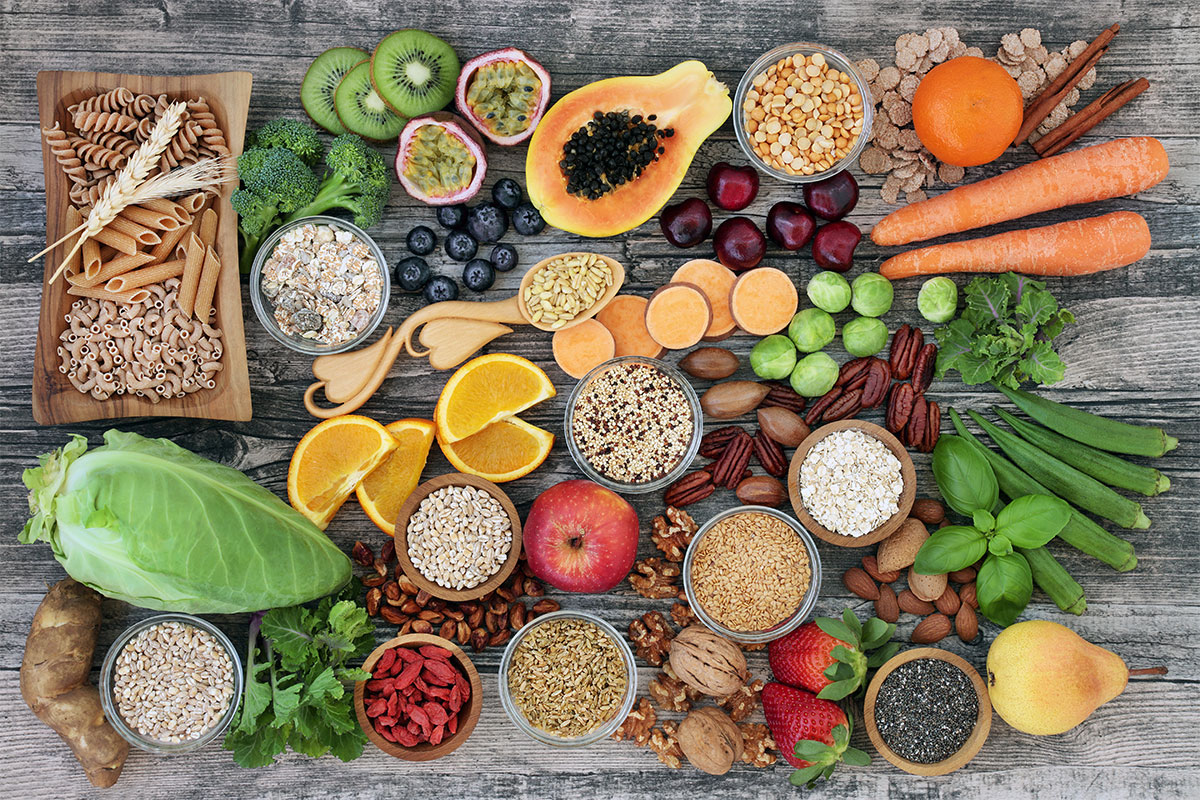 Eating the right foods before a workout can make a significant difference in your performance and recovery. The goal is to provide your body with the energy it needs to perform at its best while minimizing muscle damage. Here’s a guide on what to eat before a workout:
Carbohydrates: Your Primary Fuel Source
Carbohydrates are the body’s preferred source of energy, especially for high-intensity workouts. They help maintain blood glucose levels during exercise and replenish muscle glycogen stores. Here are some great carbohydrate-rich options:
Protein: Building and Repairing Muscles
Consuming protein before a workout can help improve muscle protein synthesis, increase muscle mass, and enhance recovery. Here are some protein-rich options:
Fats: Sustained Energy for Longer Workouts
While fats are not the primary fuel for high-intensity workouts, they are essential for longer, moderate-to-low intensity exercises. Healthy fat options include:
- Nuts and Seeds: A good source of healthy fats and protein.
Hydration
Staying hydrated is crucial for optimal performance. Dehydration can lead to decreased performance and increased risk of injury. Drink water throughout the day and consider having a glass of water 30 minutes before your workout.
Timing Your Pre-Workout Meal
The timing of your pre-workout meal can impact your performance. Ideally, you should eat a balanced meal containing carbs, protein, and fats 2-3 hours before exercising. If you’re short on time, a smaller snack 30-60 minutes before your workout can also be effective.
Foods to Avoid
Avoid foods high in fat or fiber right before a workout, as they take longer to digest and may cause stomach discomfort during exercise. Also, steer clear of sugary snacks that can cause a rapid spike and subsequent crash in blood sugar levels. Eating the right foods before a workout can help you perform better and recover faster. Focus on a balanced intake of carbohydrates, protein, and fats, and stay hydrated. By fueling your body properly, you’ll be able to maximize your workout and achieve your fitness goals.
Note: This blog post is a general guide and should not replace professional advice. Always consult with a fitness professional or personal trainer at LA Fitness for personalized guidance and support.

by DebbieJ MS RDN | Mar 26, 2020 | All, Ask Our Dietitian, Home
This article should not replace any exercise program or restrictions, any dietary supplements or restrictions, or any other medical recommendations from your primary care physician. Before starting any exercise program or diet, make sure it is approved by your doctor.
Some questions have been edited for length and/or clarity.

by DebbieJ MS RDN | Mar 24, 2020 | All, Ask Our Dietitian, Home
This article should not replace any exercise program or restrictions, any dietary supplements or restrictions, or any other medical recommendations from your primary care physician. Before starting any exercise program or diet, make sure it is approved by your doctor.
Some questions have been edited for length and/or clarity.
by DebbieJ MS RDN | Mar 10, 2020 | All, Ask Our Dietitian, Home
This article should not replace any exercise program or restrictions, any dietary supplements or restrictions, or any other medical recommendations from your primary care physician. Before starting any exercise program or diet, make sure it is approved by your doctor.
Some questions have been edited for length and/or clarity.



 Have a nutrition question? Our registered dietitian is ready to help!