Weight Loss Advice for Vegetarians

Weight Loss Advice for Vegetarians

Question:

I am a vegetarian and I’m finding it very hard to lose weight and gain muscle as much of the food that is available to me is either very high in carbs or made of some sort of soy protein (which I know isn’t the best for weight loss). Do you have any pointers or tips to help me eat cleaner and lose weight?

– Sophia K.

Answer:

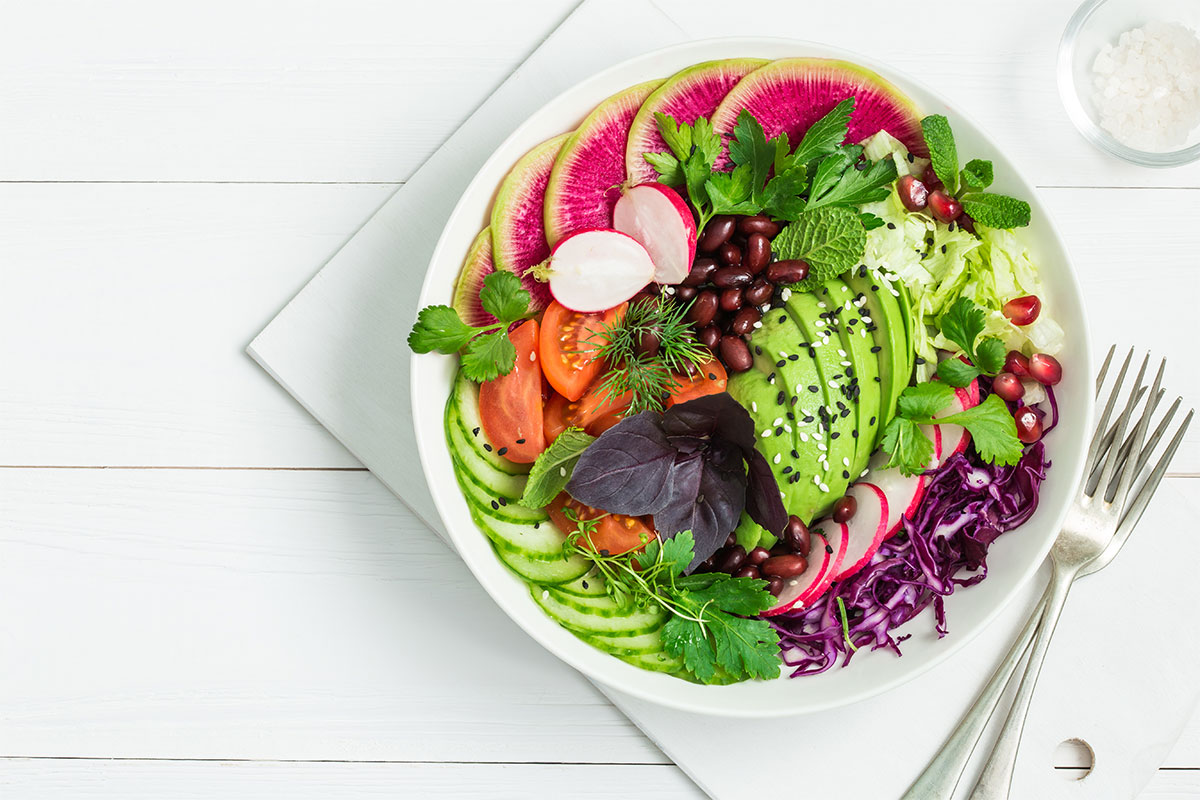
As plants are mostly carbohydrate-based, you’re bound to eat a greater proportion of your calories from carbs as a vegetarian. There are plenty of higher protein and higher fat grains, legumes, and vegetables, though! Use quinoa, lentils, chickpeas, and cannellini beans in place of pasta and rice. Try a variety of nuts and raw or toasted seeds to complement an assortment of vegetables and seasonings. Incorporate avocado, olives, and coconut to fill out your meals and provide healthy fats and promote satiety.

If you’re looking for items premade with an alternative protein but are not finding non-soy options locally, you can always order such products online. To eat cleaner, you’ll need to prepare more of your own food from raw ingredients rather than shop for products. In the greater Toronto area there are some good health food stores in which you can find seeds, nuts and bulk grains and legumes.

Here are a couple of my favorite moderate carbohydrate vegetarian meals:

  • 1 C. homemade chia pudding made with pea protein milk, ½ C. mixed berries, 1 Tbsp flax seed, 1 Tbsp unsweetened coconut [approx. 330 calories, 21 gm fat, 34 gm carb, 16 gm protein]
  • 1 C. vegetarian chili (½ beans, ½ vegetables), 1 oz vegan cheese, 1/3 avocado, 1 C. homemade coleslaw [approx. 502 calories, 25 gm fat, 51 gm carb, 11 gm protein]

Read our answers to similar questions here: Gaining Muscle, Losing Belly Fat: Vegetarian Edition | Q+A and My Weight Loss Has Plateaued… Any Advice?

– Debbie J., MS, RD

This article should not replace any exercise program or restrictions, any dietary supplements or restrictions, or any other medical recommendations from your primary care physician. Before starting any exercise program or diet, make sure it is approved by your doctor.

Some questions have been edited for length and/or clarity.

Ask our Dietitian

Have a nutrition question? Our registered dietitian is ready to help!

Email nutrition@lafitness.com or submit your question below and it may be featured in an upcoming article!

7 + 2 =


Recommended Reading - Q+A

Good carbs vs bad carbs
Debunking Diet Myths

Debunking Diet Myths

With so many sources offering nutrition advice, it’s hard to know what’s true. Even factual information can become distorted by the time it reaches you. Like a game of telephone, the message often changes as it’s passed along. Here, we debunk 5 common diet myths to...

Weight Loss Supplements

Weight Loss Supplements

Question:

Is there a supplement recommended for weight loss?

– Christian H.

Answer:

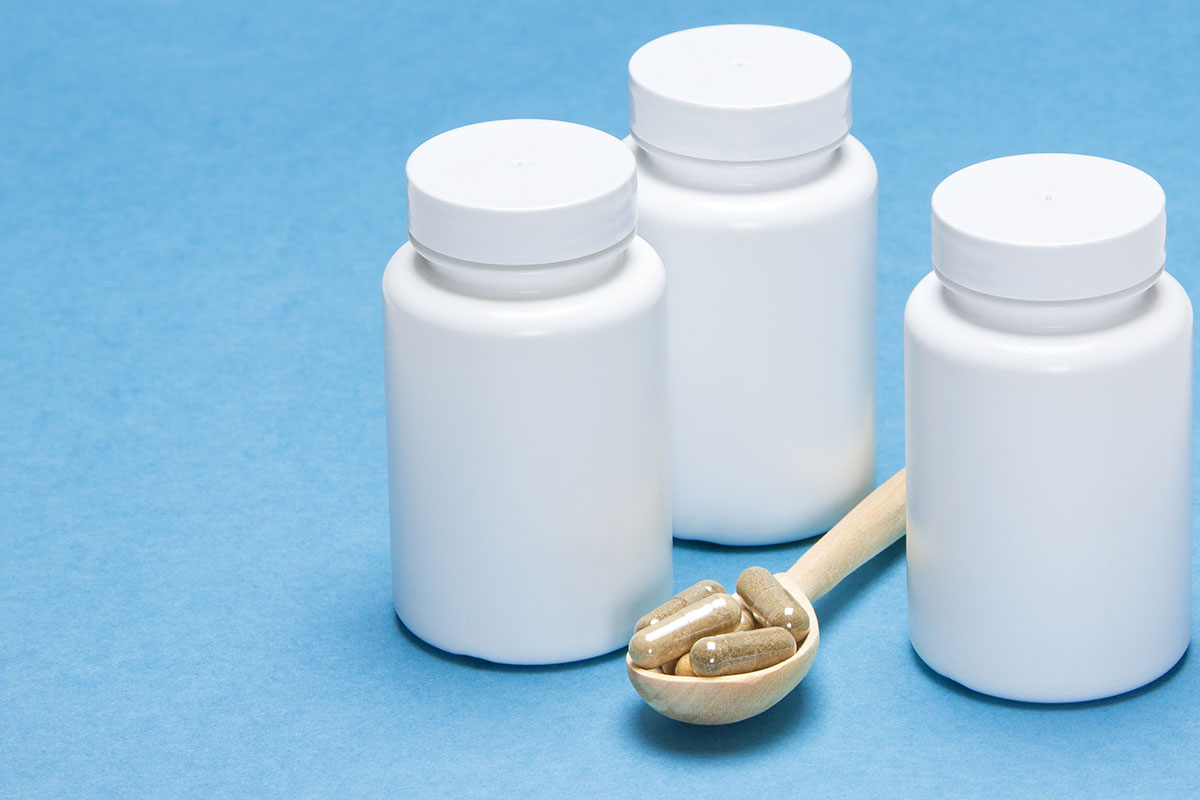
Speaking only of pills, tablets or individual ingredients (not enhanced protein powders) there are a few items that show promise for weight reduction. Do not take these as my recommendation or endorsement — I am just trying to answer your question. Because there is a lack of strong evidence of efficacy, none can be recommended specifically for weight loss. Most physicians agree that no weight-loss supplements meet criteria for recommended use.

GREATEST research / LARGE number of participants

  • Conjugated Linoleic Acid (CLA) – minimal effect on body weight and body fat
  • Green tea extract (Camellia sinensis) – possible modest effect on body weight
  • White kidney bean (Phaseolus vulgaris) – possible modest effect on body weight and body fat

FEW studies / SMALL sample sizes

  • African mango (Irvingia Gabonesis) – possible modest reduction in body weight and waist circumference
  • Caffeine (as added or from Guarana, Kola nut, Yerba Mate…) – possible modest effect on body weight over time
  • Green coffee bean extract – possible modest effect on body weight over time

References:

  1. “Dietary Supplements for Weight Loss” fact sheet by NIH Office of Dietary Supplements, updated Nov. 1, 2017 https://ods.od.nih.gov/factsheets/WeightLoss-HealthProfessional/
  2. Common Dietary Supplements for Weight Loss. RB Saper, DM Eisenberg and RS Phillips. American Family Physician. 2004 Nov 1: 70(9): 1731-1738

– Debbie J., MS, RD

This article should not replace any exercise program or restrictions, any dietary supplements or restrictions, or any other medical recommendations from your primary care physician. Before starting any exercise program or diet, make sure it is approved by your doctor.

Some questions have been edited for length and/or clarity.

Ask our Dietitian

Have a nutrition question? Our registered dietitian is ready to help!

Email nutrition@lafitness.com or submit your question below and it may be featured in an upcoming article!

11 + 4 =


Recommended Reading - Q+A

Good carbs vs bad carbs
Debunking Diet Myths

Debunking Diet Myths

With so many sources offering nutrition advice, it’s hard to know what’s true. Even factual information can become distorted by the time it reaches you. Like a game of telephone, the message often changes as it’s passed along. Here, we debunk 5 common diet myths to...
Avocado and Honey as Meal Replacements

Avocado and Honey as Meal Replacements

Question:

Is it safe to use avocado as a daily meal and sufficient nutrition per day? How about honey? Is it full of carbohydrates and should be avoided?

– Ahmed

Answer:

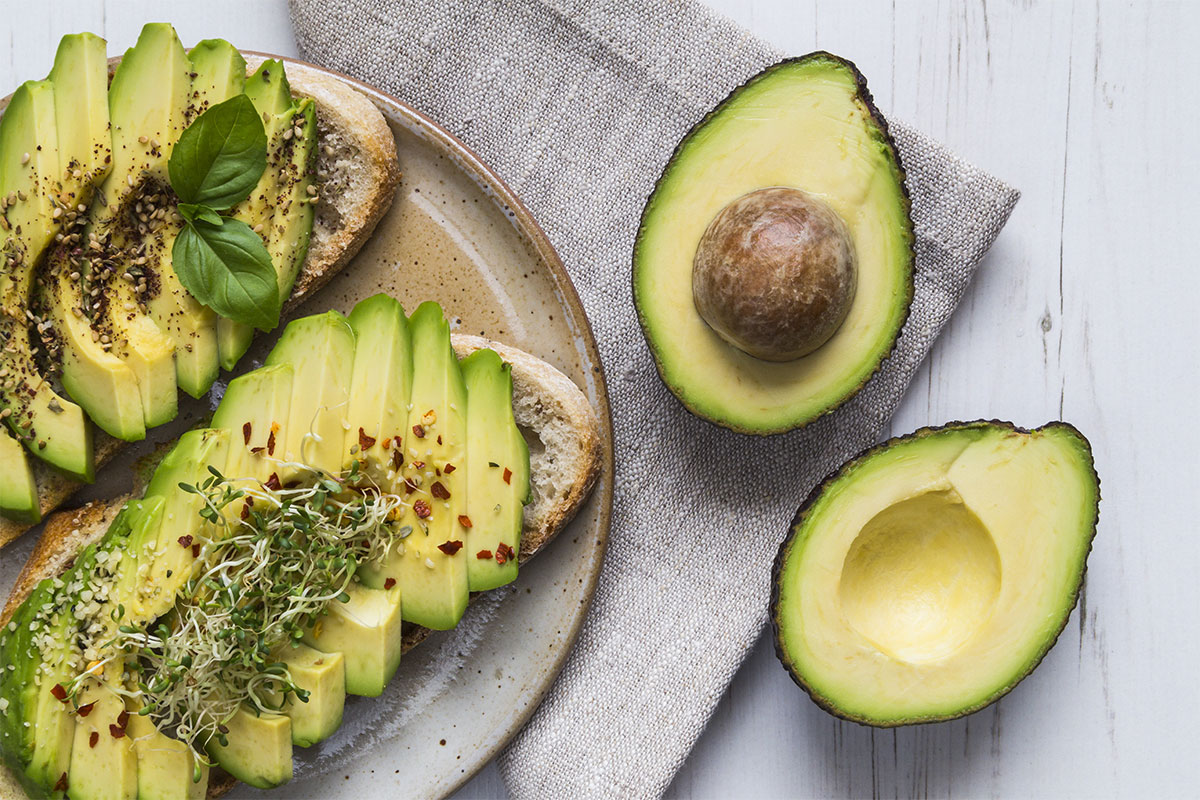
An avocado as a meal might tide you over once, but it’s not sufficiently nutritious to replace the other components of a meal, namely protein, and minerals. An avocado added to meals, totaling one per day in place of other fats within an energy-balanced diet is fine. Avocados from Florida are generally lower fat (best for slicing) and those from California – generally Hass variety – tend to be fattier (best for mashing). Avocados contain the type of unsaturated fats known to lower blood LDL cholesterol. A serving of 1/3 medium fruit has 8 grams of fat and is a good source of fiber, copper, and vitamins K, folate, and pantothenic acid. Avocados are also notable for potassium, containing as much in one fruit as a potato, a cup of cooked Swiss chard, or 2 bananas.  Avocados enhance satiety thereby contributing to a lower total caloric intake overall.

Structurally, honey is made mostly of glucose and fructose (the 2 base units in sucrose, aka “table sugar”) and 17% water. At only 21 calories per teaspoon, there’s no nutritional reason to avoid honey outside of an allergy in those over 1 year of age. Honey can be used as a sweetener to replace table sugar without its negative health impacts, provided that portions are kept modest.  In fact, there are many health benefits to honey in the diet including soothing cough and sleeping difficulties and improving the immune system. Use raw, 100% pure unfiltered honey to get the most medicinal properties (antibacterial, antioxidant).

Resources:

  1. Everything You Need to Know about Avocado. A Bjarnadotir. 8/1/2017 Avocado: Nutrition and benefits – Medical News Today
  2. Avocado Nutrition Facts & Label. https://loveonetoday.com/nutrition/avocado-nutrition-facts-label/
  3. Everything You Need to Know about Honey. J Nordqvist. 2.18.2018 Honey: Benefits, uses, and properties – Medical News Today
  4. Medicinal Uses of Honey: What the Research Shows. J Edgar. WebMD Medicinal Uses of Honey: What the Research Shows

– Debbie J., MS, RD

This article should not replace any exercise program or restrictions, any dietary supplements or restrictions, or any other medical recommendations from your primary care physician. Before starting any exercise program or diet, make sure it is approved by your doctor.

Some questions have been edited for length and/or clarity.

Ask our Dietitian

Have a nutrition question? Our registered dietitian is ready to help!

Email nutrition@lafitness.com or submit your question below and it may be featured in an upcoming article!

13 + 15 =


Recommended Reading - Q+A

Good carbs vs bad carbs
Debunking Diet Myths

Debunking Diet Myths

With so many sources offering nutrition advice, it’s hard to know what’s true. Even factual information can become distorted by the time it reaches you. Like a game of telephone, the message often changes as it’s passed along. Here, we debunk 5 common diet myths to...
Peanut Butter’s Sticky Truth

Peanut Butter’s Sticky Truth

Question:

As I cut down on my meat consumption, I am eating a lot of peanut butter. What is the big difference comparing, say Skippy and 100% peanut butter? Does natural and organic matter? How about calories?

– Kevin

Answer:

Great question, Kevin! There are a lot of peanut butters to choose from. Traditionally, PB has a smidge of oil, sugar, and salt added for flavor and processing to get that super creamy, easily spreadable quality. Some food stores have a pre-loaded grinder for you to make the peanut butter yourself without adding anything, and the result is a bit grainy. Nutritionally, there is little difference per 2 tablespoons serving between commercial and homemade PB. Now, if you eat almost a cup of conventional jarred PB per week, you would be getting more salt and carbohydrates, but fewer calories and protein than PB made straight from ground peanuts*.

There are sugar-free and salt-free jarred options available, you just have to look for them. One natural brand I like now offers PB pre-stirred “smooth” so the natural oils don’t separate out to the top and it’s not grainy. Organic peanut butter probably has less pesticide residue, but there is little nutritional difference, depending on the brand.

*According to the USDA Food Composition Database for Standard Reference Legacy Release, April 2018, for 200 grams (first brand listed for last 2 columns descriptors):

Smooth Peanut Butter (conventional) Unsalted Creamy PB (peanuts only)

Organic Unsalted Creamy PB (peanuts only)

1176 Calories 1312 Calories 1250 Calories
43.9 gm protein 50 gm protein 50 gm protein
99.1 gm fat 100 gm fat 106.3 gm fat
48 gm carbohydrate 37.5 gm carbohydrate 37.5 gm carbohydrate
11.4 gm fiber 12.4 gm fiber 12.4 gm fiber
13 gm sugar 6.3 gm sugar 12.5 sugar
952 mg sodium 0 mg sodium 32 mg sodium

– Debbie J., MS, RD

This article should not replace any exercise program or restrictions, any dietary supplements or restrictions, or any other medical recommendations from your primary care physician. Before starting any exercise program or diet, make sure it is approved by your doctor.

Some questions have been edited for length and/or clarity.

Ask our Dietitian

Have a nutrition question? Our registered dietitian is ready to help!

Email nutrition@lafitness.com or submit your question below and it may be featured in an upcoming article!

13 + 11 =


Recommended Reading - Q+A

Good carbs vs bad carbs
Debunking Diet Myths

Debunking Diet Myths

With so many sources offering nutrition advice, it’s hard to know what’s true. Even factual information can become distorted by the time it reaches you. Like a game of telephone, the message often changes as it’s passed along. Here, we debunk 5 common diet myths to...

Let’s Talk: Liquid Whey Protein

Let’s Talk: Liquid Whey Protein

Question:

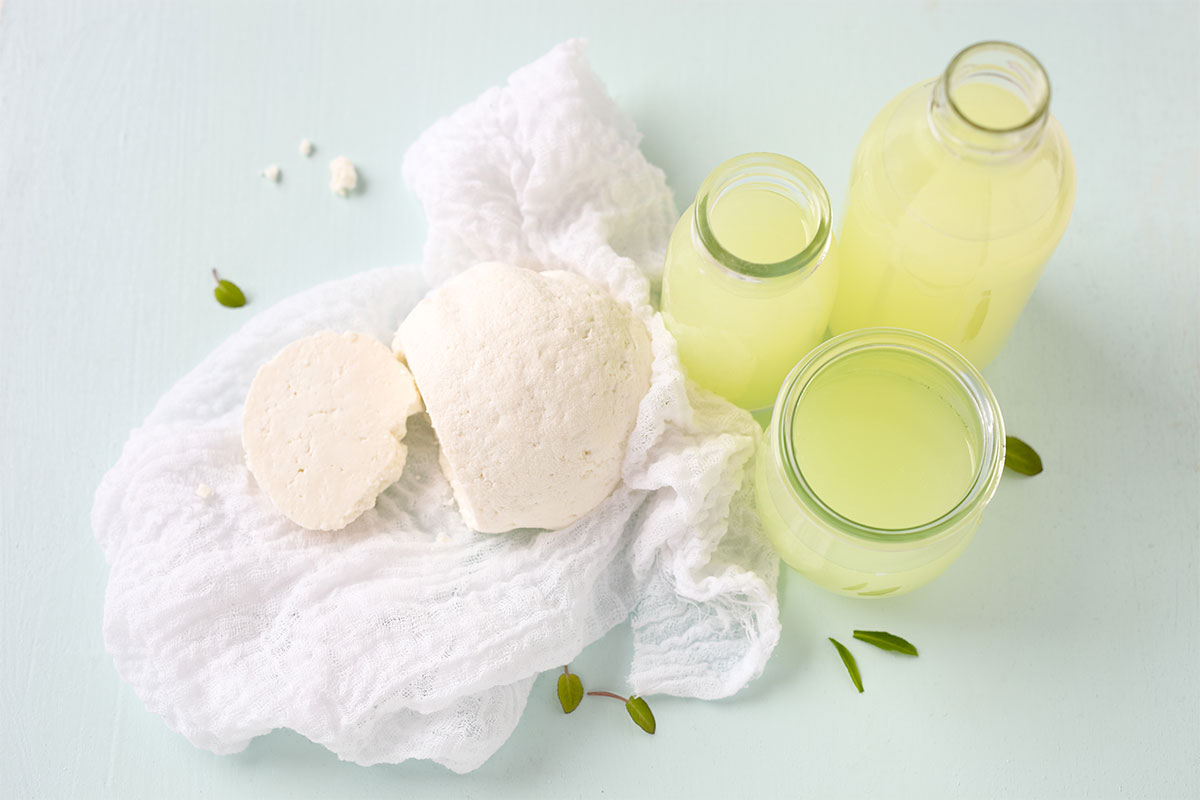
Hello, I have a question about whey protein. I’ve been using a powdered whey protein. However, I also make my own cheese at home. A byproduct of cheese production is whey after separating the proteins with heat and a mild catalyst like lemon juice or vinegar. I’m generally wary of processed foods. My thinking is a less processed protein will be of a higher quality and a drastically low cost. It is in liquid form and kept refrigerated.  What should I consider from a spoilage and nutritional standpoint? My thinking is whey protein that is less processed.

– Eric D.

Answer:

So glad to hear you’re not washing your whey down the drain! Nutritionally, homemade whey protein is fully intact and not denatured like high-heat pasteurized powdered products. The liquid contains fewer chemicals and acid byproducts than commercially produced whey powder. It is also a source of vitamins A and several B vitamins and minerals original to the source milk/yogurt. In addition, there would be some vitamin C from the lemon juice used.  One cup of fluid acid whey contains about 2 grams of protein, 13 grams of carbohydrate and less than 1 gram of fat, providing a total of nearly 60 calories.*

If you’re going for protein though, liquid whey isn’t that concentrated, which necessitates quite a volume of it to make an impact. Since it keeps well (lasting several months in the refrigerator) you can use the tart liquid in cooking various foods and recipes over time. Clarity or cloudiness doesn’t matter – cloudiness indicates that some of the residual casein protein may have passed through the cheesecloth. For supplementing your diet to support exercise, convenient alternatives to powdered whey protein include hard-cooked egg whites and canned tuna in water.

*National Nutrient Database for Standard Reference, Release April, 2018

– Debbie J., MS, RD

This article should not replace any exercise program or restrictions, any dietary supplements or restrictions, or any other medical recommendations from your primary care physician. Before starting any exercise program or diet, make sure it is approved by your doctor.

Some questions have been edited for length and/or clarity.

Ask our Dietitian

Have a nutrition question? Our registered dietitian is ready to help!

Email nutrition@lafitness.com or submit your question below and it may be featured in an upcoming article!

10 + 4 =


Recommended Reading - Q+A

Good carbs vs bad carbs
Debunking Diet Myths

Debunking Diet Myths

With so many sources offering nutrition advice, it’s hard to know what’s true. Even factual information can become distorted by the time it reaches you. Like a game of telephone, the message often changes as it’s passed along. Here, we debunk 5 common diet myths to...