Build Your Stack One Supplement at a Time

Build Your Stack One Supplement at a Time

Imagine this scenario —

 “I survived the week-long school trip without getting sick like last time.”

“Wow – with all those kids? Good hygiene, I bet.”

“Maybe, but I safeguarded with echinacea, zinc and high-dose Vitamin C.”

“Didn’t you tell me you started probiotics beforehand, too?”

“Yep – my trifecta plus one! I just needed something to make a difference.”

“Uh, okay. But how do you know which ‘thing’ did the trick?”

silence

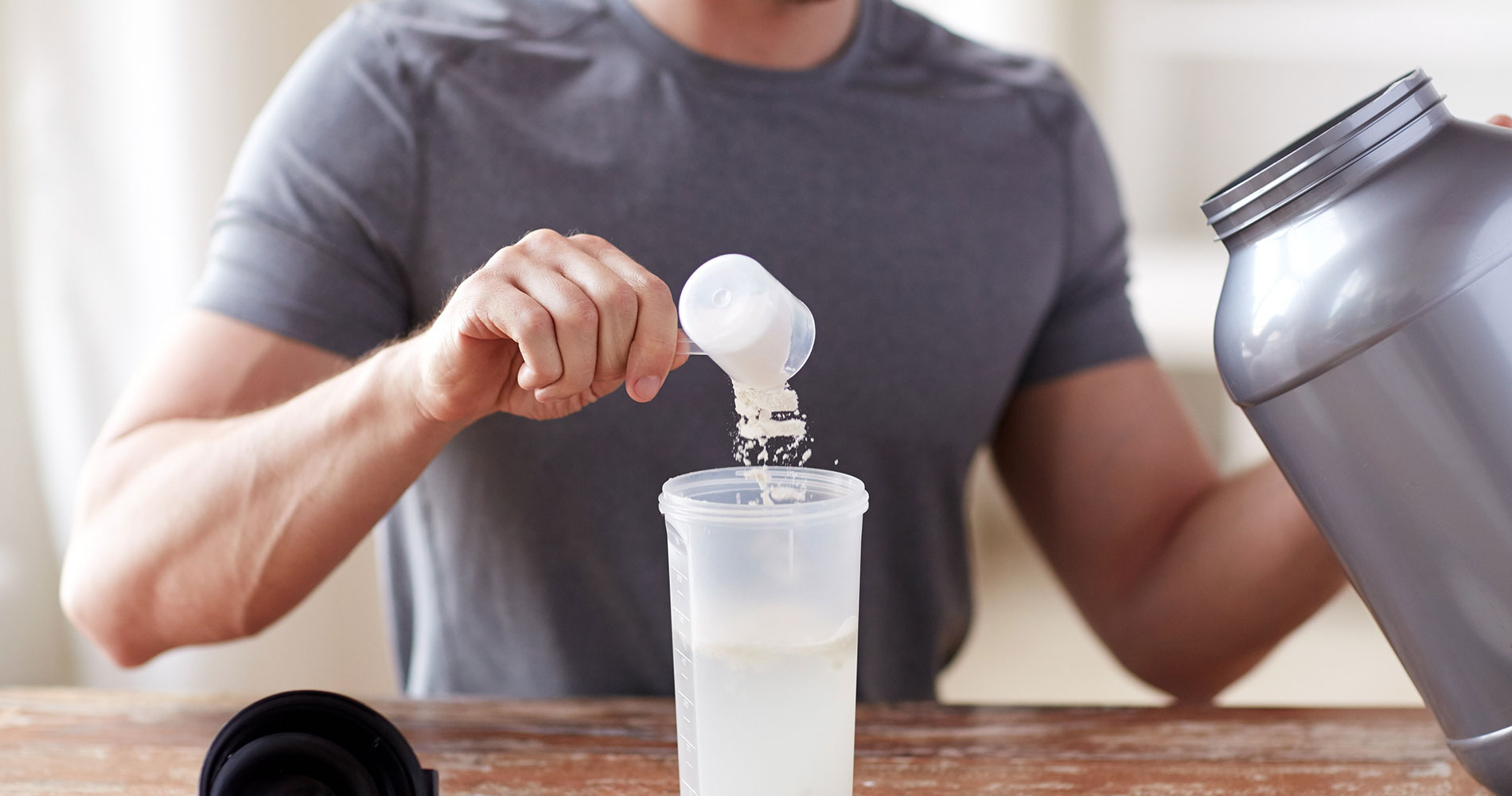
Immune-enhancing products are akin to a muscle-building arsenal because many weightlifters try everything all at once like the first person in our story. Starting a thermogenic, pre-workout formula, creatine, NO booster, and recovery drink at the same time is like a “throw everything at the wall and see what sticks” approach.

To enhance the effects of rigorous training and a nutritious diet, many people use ergogenic aids to reach top shape or peak performance. And the most popular ergogenic aids are dietary supplements. The term “stack” 15 years ago referred to a product with combined ingredients that had similar effects, such as herbal stimulants or androgens.

Now, it’s about stacking multiple supplements (often with proprietary blends) within the day. Most often targeted for gaining muscle and losing fat, stacking various supplements is promoted for gains in the weight room. The idea is that by grouping supplements together there may be a synergy of certain ingredients that combine to create greater advantages.

For single-ingredient preparations, it makes sense to take more than one dietary supplement, as they have different methods of action and are useful at different times. But by starting several compound supplements at once, it’s more difficult to determine which are effective – particularly if there are 6-8 products on the list! I recommend taking no more than four while ProResults® Master Trainer Geoff Fox advises avoiding performance-enhancing supplements (your wallet will thank us).


For those of you that are stacking your supplements, here are some tips for evaluating product effectiveness and safety:

  • Continue your normal diet and exercise routine.
  • Maintain consistency with your multivitamin/mineral, fish oil, protein, and other basic dietary supplements.
  • Wait at least two weeks before adding another supplement to your stack. Take the time to observe for any side effects.
  • Drink plenty of water.
  • Continue step-wise until your stack is complete.
  • Follow all safety guidelines on each product’s instructions for use.
  • If stacking supplements with the same ingredients, check for guidelines on absolute maximums. (e.g., 400 mg caffeine/day per U.S. Food & Drug Administration, Health Canada, and European Food Safety Authority)

Recommended Reading

Blender with fresh ingredients to making healthy detox smoothie with glass of green prepared drink with a straw. Vegan cooking concept
Healthy Smoothie Recipes

Healthy Smoothie Recipes

Cue the sound of a revving engine… running your blender at home can bring goodness with that whirring noise! Creating your own smoothies is a great way to get in some nutrients and plant phytochemicals you otherwise wouldn’t during the day. It allows you to prepare...

Good carbs vs bad carbs
Debunking Diet Myths

Debunking Diet Myths

With so many sources offering nutrition advice, it’s hard to know what’s true. Even factual information can become distorted by the time it reaches you. Like a game of telephone, the message often changes as it’s passed along. Here, we debunk 5 common diet myths to...

Eating the Right amount of Protein | QA

Eating the Right amount of Protein | QA

Question:

Hello! I was wondering if you could help me determine how much protein I should be eating everyday. I’ve heard so many things. I am 24yo female, I strength train 4 days a week and do yoga 1x a week to break that up. I may be switching that up a bit, but wanted to get a good idea on how to calculate it (if that’s how it works). Thank you.

– Erol B.

Answer:

The headlines (and advice) are confusing! Between “most healthy adults already get enough protein” and “US adults do not consume enough protein” there is a grey area of observation, based on how the research is interpreted. On the one hand, people that meet energy needs probably meet protein needs, while those that are dieting, recovering from illness or are aging may need more.

For a fit, healthy young adult who is consuming adequate calories to maintain weight, use the protein RDA of 0.8 gm/kg body weight as the guide. Using a range for percentage of calories from protein is less precise. From pounds, divide weight by 2.2 to get kilograms then multiply by 0.8 to get your target amount of daily protein. If you are looking to add lean mass then increasing protein to 1.2 gm/kg is suitable.

To determine if you’re meeting your goal, use a reliable source to count up your protein intake. Check that a diet app or website you’re using relies on the USDA Food Composition Database.

Resources:

– Debbie J., MS, RD

This article should not replace any exercise program or restrictions, any dietary supplements or restrictions, or any other medical recommendations from your primary care physician. Before starting any exercise program or diet, make sure it is approved by your doctor.

Some questions have been edited for length and/or clarity.

Ask our Dietitian

Have a nutrition question? Our registered dietitian is ready to help!

Email nutrition@lafitness.com or submit your question below and it may be featured in an upcoming article!

3 + 14 =


Recommended Reading - Q+A

Blender with fresh ingredients to making healthy detox smoothie with glass of green prepared drink with a straw. Vegan cooking concept
Healthy Smoothie Recipes

Healthy Smoothie Recipes

Cue the sound of a revving engine… running your blender at home can bring goodness with that whirring noise! Creating your own smoothies is a great way to get in some nutrients and plant phytochemicals you otherwise wouldn’t during the day. It allows you to prepare...

Good carbs vs bad carbs
Debunking Diet Myths

Debunking Diet Myths

With so many sources offering nutrition advice, it’s hard to know what’s true. Even factual information can become distorted by the time it reaches you. Like a game of telephone, the message often changes as it’s passed along. Here, we debunk 5 common diet myths to...

Reaching Macronutrient Goals | QA

Reaching Macronutrient Goals | QA

Question:

Greetings Nutrition: I am trying to get back in shape. I have a trainer at LA Fitness, and I think that I need to eat better. Could you give me some ideas of how I should be eating? Or a good meal plan that I can follow? I have been given a 1,416 calorie per day limit. Macros are: Carbs 203 grams, Fat 84 grams Protein 65 grams. I am having a hard time finding good breakfast options and making my protein of 65 grams daily. I don’t eat eggs so that cause problems for breakfast. I pretty much eat everything else. Any help that you can provide would be greatly appreciated.

– Eric H.

Answer:

First and foremost, your provided macronutrient targets provide 1,828 total calories (812 calories carbohydrate, 756 calories fat, 260 calories protein), a considerable difference from your caloric limit. If the goal is qualitative, then the approach should be more precise. Not knowing which is more important for you, I’d go with the higher caloric target as you are working out and 1,400 calories may only be appropriate for significant weight loss, older or smaller-framed men.

We don’t provide meal plans, though several sample meals can be found throughout our Living Healthy blog. Since breakfast is the most challenging meal for you, here are some breakfast suggestions that provide roughly 550 calories.* I’ve broken that down as approximately 60 gram carb, 25 gram fat and 20 gram protein.

By working on your own lunch and dinner options, you can get close to the remainder macronutrients for the day. Quality can’t be overlooked, though! Foods with high micronutrient, fiber and unsaturated fat content will make a big difference even if you’re slightly off your gram or calorie goals.

* Calculated by Registered Dietitian Nutritionist using Fitday.com’s food log function. Findings were used along with RDN’s professional judgment.

– Debbie J., MS, RD

This article should not replace any exercise program or restrictions, any dietary supplements or restrictions, or any other medical recommendations from your primary care physician. Before starting any exercise program or diet, make sure it is approved by your doctor.

Some questions have been edited for length and/or clarity.

Ask our Dietitian

Have a nutrition question? Our registered dietitian is ready to help!
Email nutrition@lafitness.com or submit your question below and it may be featured in an upcoming article!

7 + 5 =


Recommended Reading - Q+A

Blender with fresh ingredients to making healthy detox smoothie with glass of green prepared drink with a straw. Vegan cooking concept
Healthy Smoothie Recipes

Healthy Smoothie Recipes

Cue the sound of a revving engine… running your blender at home can bring goodness with that whirring noise! Creating your own smoothies is a great way to get in some nutrients and plant phytochemicals you otherwise wouldn’t during the day. It allows you to prepare...

Good carbs vs bad carbs
Debunking Diet Myths

Debunking Diet Myths

With so many sources offering nutrition advice, it’s hard to know what’s true. Even factual information can become distorted by the time it reaches you. Like a game of telephone, the message often changes as it’s passed along. Here, we debunk 5 common diet myths to...

The Best Supplement for Lean Muscle Mass | QA

The Best Supplement for Lean Muscle Mass | QA

Question:

Hi, what would be the best supplement to become leaner and cut muscle?

– Lito J.

Answer:

The leanest, most cut people are generally considered bodybuilders. They most commonly use arginine, beta-alanine, branched chain amino acids (BCAAs), caffeine, citrulline malate, creatine monohydrate, glutamine, and beta-hydroxy-methylbutyrate (HMB). Among these, creatine has been shown to be effective for muscle size and strength when added to a weight training program.1,2 The International Society of Sports Nutrition (ISSN) states that “creatine monohydrate is the most effective ergogenic nutritional supplement currently available to athletes in terms of increasing high-intensity exercise capacity and lean body mass during training.”2 Beta-alanine further improves lean mass gains and body fat loss in conjunction with creatine supplementation.1  

Arginine and citrulline malate may have ergogenic effects but do not conclusively alter body composition. The BCAAs (leucine, isoleucine and valine) decrease muscle protein breakdown and increase skeletal muscle protein synthesis though these have not translated to increased lean mass. The stimulant caffeine, taken pre-workout, increases strength training performance which allows you to do more muscle-building work.

Read about related topics on our Living Healthy blog – overall supplements and nitric oxide boosters.

Resources:

  • Evidence-based recommendations for natural bodybuilding contest preparation: nutrition and supplementation. Helms ER, Aragon AA, Fitschen PJ. Journal of the International Society of Sports Nutrition. May 2014; 11:20. doi:10.1186/1550-2783-11-20
  • International Society of Sports Nutrition Position Stand: Safety and Efficacy of Creatine Supplementation in Exercise, Sport and Medicine. RB Kreider, et al. Journal of the International Society of Sports Nutrition. June 2017; 14:18. doi.org/10.1186/s12970-017-0173-z

– Debbie J., MS, RD

This article should not replace any exercise program or restrictions, any dietary supplements or restrictions, or any other medical recommendations from your primary care physician. Before starting any exercise program or diet, make sure it is approved by your doctor.

Some questions have been edited for length and/or clarity.

Ask our Dietitian

Have a nutrition question? Our registered dietitian is ready to help!

Email nutrition@lafitness.com or submit your question below and it may be featured in an upcoming article!

1 + 8 =


Recommended Reading - Q+A

Blender with fresh ingredients to making healthy detox smoothie with glass of green prepared drink with a straw. Vegan cooking concept
Healthy Smoothie Recipes

Healthy Smoothie Recipes

Cue the sound of a revving engine… running your blender at home can bring goodness with that whirring noise! Creating your own smoothies is a great way to get in some nutrients and plant phytochemicals you otherwise wouldn’t during the day. It allows you to prepare...

Good carbs vs bad carbs
Debunking Diet Myths

Debunking Diet Myths

With so many sources offering nutrition advice, it’s hard to know what’s true. Even factual information can become distorted by the time it reaches you. Like a game of telephone, the message often changes as it’s passed along. Here, we debunk 5 common diet myths to...

How do I reach potassium goal on low sugar? | QA

How do I reach potassium goal on low sugar? | QA

Question:

I read we need to consume 3,500-4,700 mg of potassium daily. I don’t eat sugar…I had a banana the other day and I almost came out of my skin! I eat spinach and broccoli daily and sweet potatoes regularly. How can I reach these numbers?

– Cliff A.

Answer:

To reach the US Dietary Guidelines goal for potassium [4,700 mg for adults] from vegetables, dairy, animal protein foods, legumes, nuts and grains with little fruit is doable with the proper planning and tools. Charts such as from Health.gov and the National Institutes of Health show the potassium content in various foods. For our members in Canada, check out HealthLinkBC’s chart with metric measures.

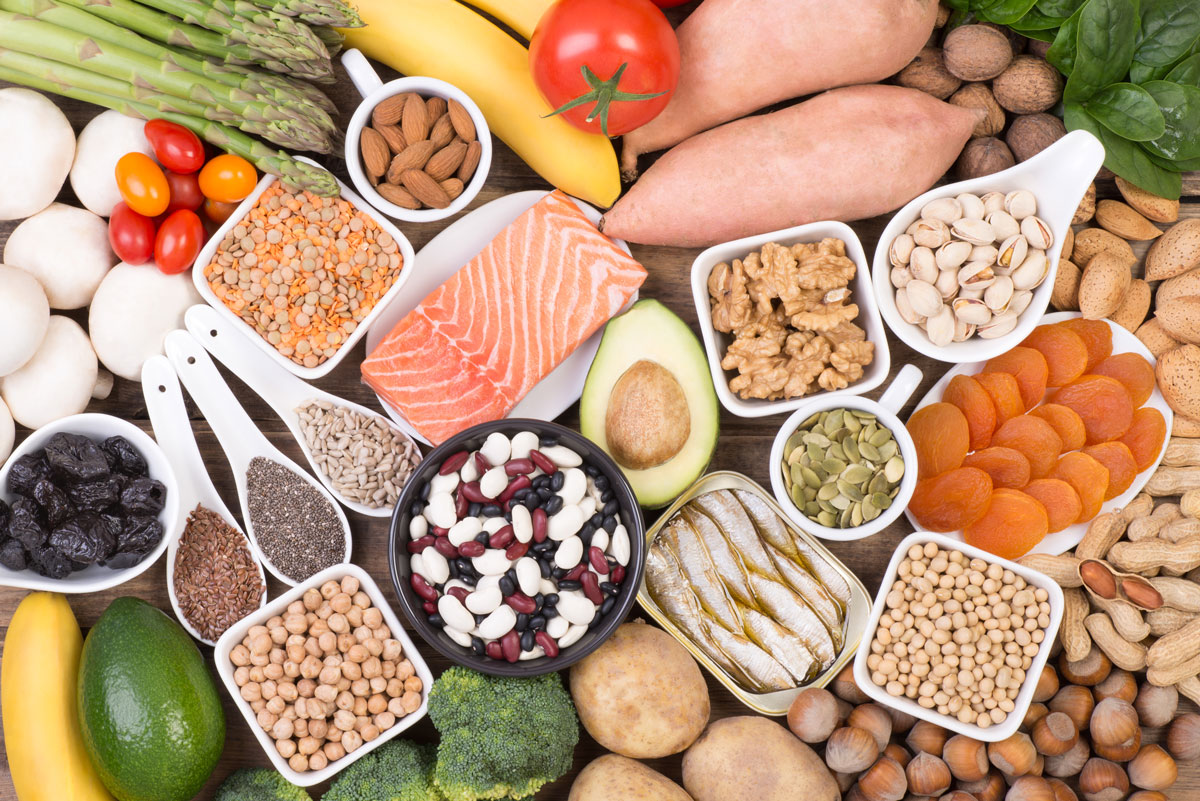
Using the above, we calculated that eating a medium baked potato, ½ Cup cooked beet greens, 2 Cups raw spinach, ½ Cup white or adzuki beans, ½ Cup soybeans, 1 cup nonfat plain yogurt, 1 Cup skim milk, 3 oz cooked salmon, and ½ Cup avocado would meet the potassium goal for the day. If the variety of foods you’re willing to consume is limited, adjust portions accordingly to provide more potassium from what you do eat.

– Debbie J., MS, RD

Disclaimer: Nutrient values were used along with RDN’s professional judgment. Due to variations in products, final calculation is an approximation.

This article should not replace any exercise program or restrictions, any dietary supplements or restrictions, or any other medical recommendations from your primary care physician. Before starting any exercise program or diet, make sure it is approved by your doctor.

Some questions have been edited for length and/or clarity.

Ask our Dietitian

Have a nutrition question? Our registered dietitian is ready to help!

Email nutrition@lafitness.com or submit your question below and it may be featured in an upcoming article!

11 + 2 =


Recommended Reading - Q+A

Blender with fresh ingredients to making healthy detox smoothie with glass of green prepared drink with a straw. Vegan cooking concept
Healthy Smoothie Recipes

Healthy Smoothie Recipes

Cue the sound of a revving engine… running your blender at home can bring goodness with that whirring noise! Creating your own smoothies is a great way to get in some nutrients and plant phytochemicals you otherwise wouldn’t during the day. It allows you to prepare...

Good carbs vs bad carbs
Debunking Diet Myths

Debunking Diet Myths

With so many sources offering nutrition advice, it’s hard to know what’s true. Even factual information can become distorted by the time it reaches you. Like a game of telephone, the message often changes as it’s passed along. Here, we debunk 5 common diet myths to...