
by Rachel Scruggs | Aug 12, 2024 | Ask Our Dietitian, Home, Nutrition
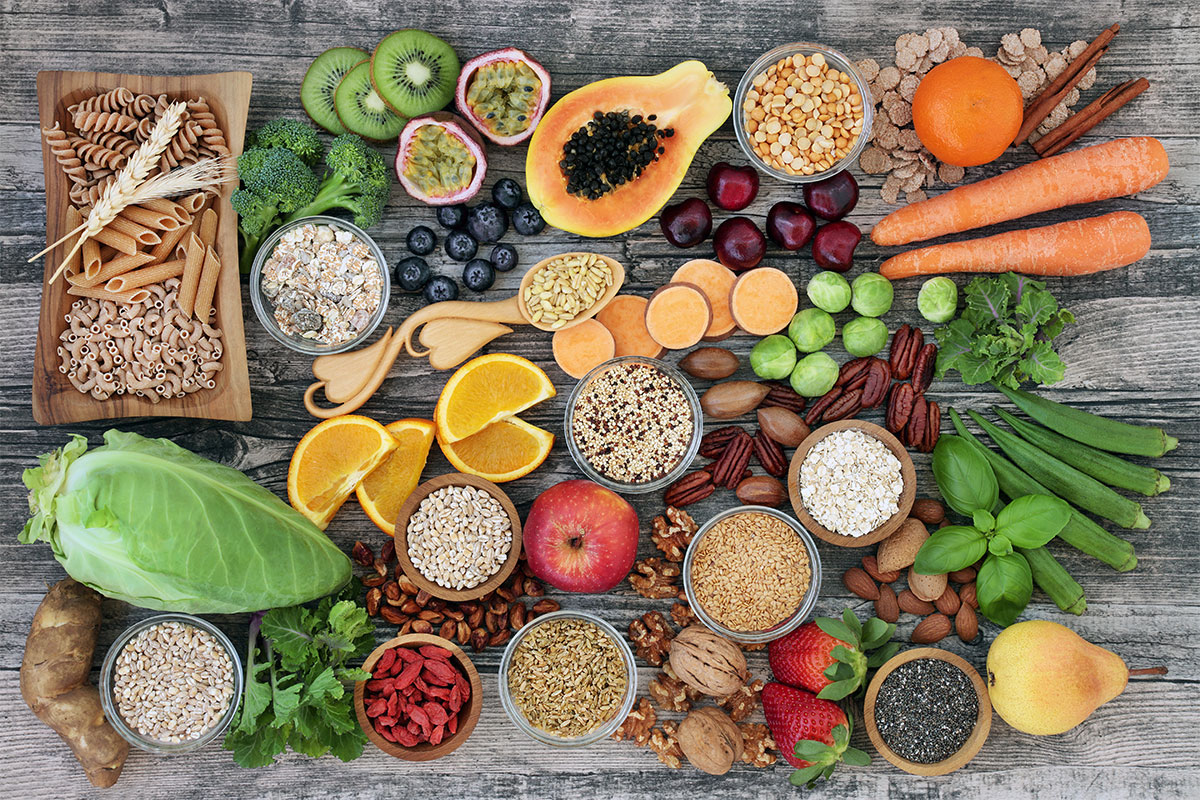 Eating the right foods before a workout can make a significant difference in your performance and recovery. The goal is to provide your body with the energy it needs to perform at its best while minimizing muscle damage. Here’s a guide on what to eat before a workout:
Carbohydrates: Your Primary Fuel Source
Carbohydrates are the body’s preferred source of energy, especially for high-intensity workouts. They help maintain blood glucose levels during exercise and replenish muscle glycogen stores. Here are some great carbohydrate-rich options:
Protein: Building and Repairing Muscles
Consuming protein before a workout can help improve muscle protein synthesis, increase muscle mass, and enhance recovery. Here are some protein-rich options:
Fats: Sustained Energy for Longer Workouts
While fats are not the primary fuel for high-intensity workouts, they are essential for longer, moderate-to-low intensity exercises. Healthy fat options include:
- Nuts and Seeds: A good source of healthy fats and protein.
Hydration
Staying hydrated is crucial for optimal performance. Dehydration can lead to decreased performance and increased risk of injury. Drink water throughout the day and consider having a glass of water 30 minutes before your workout.
Timing Your Pre-Workout Meal
The timing of your pre-workout meal can impact your performance. Ideally, you should eat a balanced meal containing carbs, protein, and fats 2-3 hours before exercising. If you’re short on time, a smaller snack 30-60 minutes before your workout can also be effective.
Foods to Avoid
Avoid foods high in fat or fiber right before a workout, as they take longer to digest and may cause stomach discomfort during exercise. Also, steer clear of sugary snacks that can cause a rapid spike and subsequent crash in blood sugar levels. Eating the right foods before a workout can help you perform better and recover faster. Focus on a balanced intake of carbohydrates, protein, and fats, and stay hydrated. By fueling your body properly, you’ll be able to maximize your workout and achieve your fitness goals.
Note: This blog post is a general guide and should not replace professional advice. Always consult with a fitness professional or personal trainer at LA Fitness for personalized guidance and support.
by DebbieJ MS RDN | May 21, 2019 | All, Ask Our Dietitian, Home, Nutrition
This article should not replace any exercise program or restrictions, any dietary supplements or restrictions, or any other medical recommendations from your primary care physician. Before starting any exercise program or diet, make sure it is approved by your doctor.
Some questions have been edited for length and/or clarity.



 Have a nutrition question? Our registered dietitian is ready to help!