Freaky Fungi
Here are some of the main reasons why you shouldn’t avoid the mysterious living organisms known as mushrooms. These freaky fungi can pack a healthy punch.

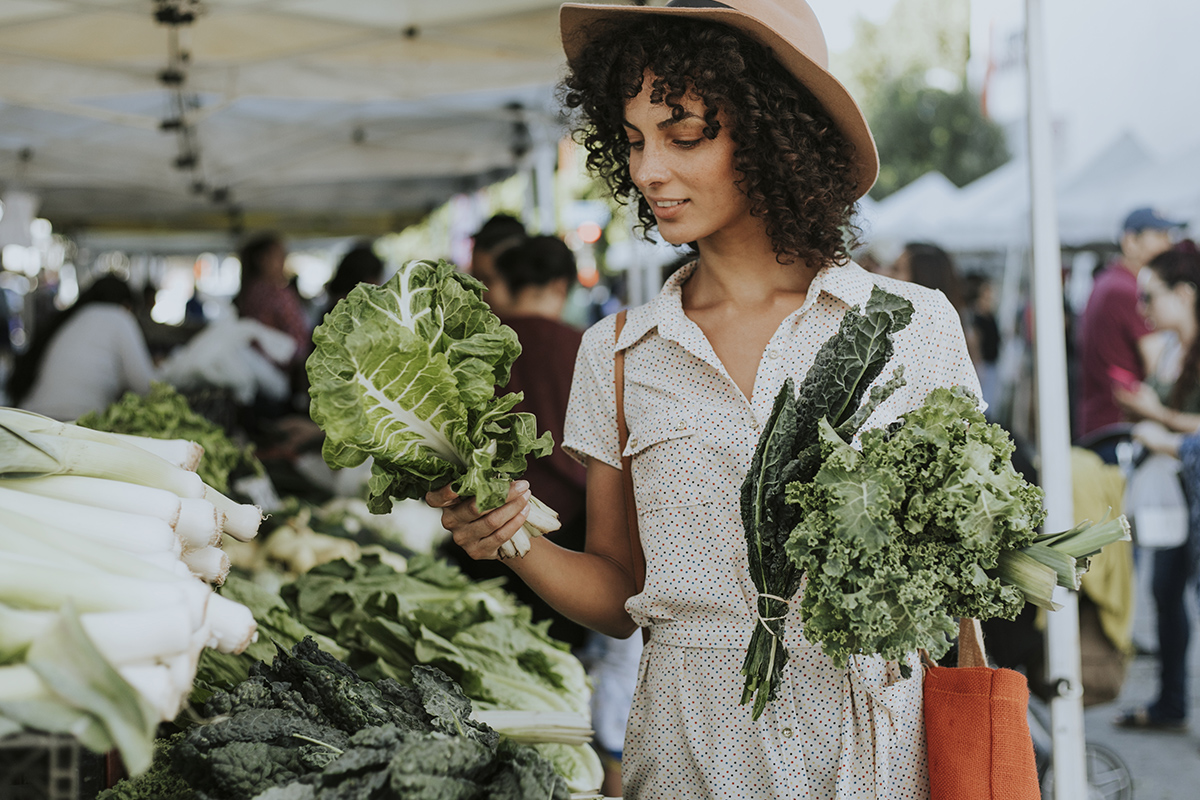

I would like to increase my bone density. Do you have any suggestions for me regarding the best vegan foods to eat?
Very respectfully,
– Brenda H.

Congratulations on providing the first bone density inquiry to Living Healthy! Your answer follows. First, here’s a brief primer on bone mineralization for the rest of our audience: Bone is actually a living tissue with blood supply to the marrow and cells that are adding tissue (osteoblasts) while others remove it (osteoclasts). The main structural compound is hydroxyapatite, made from the minerals calcium and phosphorus. Bone also contains small amounts of magnesium, sodium and bicarbonate. Density refers to the mass of the bone mineral material in a certain volume. Peak bone mass occurs around age thirty years. Keeping bones strong and avoiding loss of the matrix helps to prevent a porous condition later in life called osteoporosis.
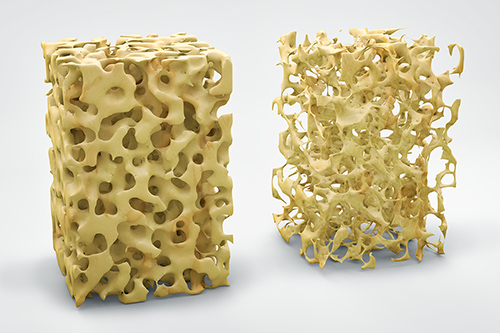
Diet and physical activity are controllable lifestyle factors that account for 10–50% of bone mass and structure. Physical activity stresses the bone to adapt and strengthen. Maintaining an adequate weight allows optimal pressure from gravity against the ground. Not smoking and avoiding heavy alcohol use prevents mineral loss due to tobacco products and drinking.
A well-balanced diet is important for bone health throughout the lifespan though notably significant are calcium and vitamin D. As mentioned previously, calcium is a major mineral component of bone structure while vitamin D assists in calcium absorption and utilization. The majority of the body’s phosphorus and magnesium are found in the skeleton. Other micronutrients that appear to play a positive role in bone health include vitamins B12, C and K, and minerals copper, manganese, zinc, potassium and iron.
Vegan diets abundant in whole grains, legumes, fruits, vegetables, nuts and seeds that are not excessive in sodium or caffeine can promote optimal bone density, but may need to be supplemented in certain areas. The strongest plant sources of the aforementioned nutrients are dark green leafy vegetables, cabbage, broccoli, beans, mushrooms exposed to light, almonds, blackstrap molasses, okra, calcium-set tofu, fortified nut milks, nut butters, brown rice, dried figs, chia seeds, potatoes, citrus fruit, strawberries, tomatoes, dried coconut and cocoa. Supplements of vitamin B12 are advised for vegans since it is not found in plant foods.
Sources:
– Debbie J., MS, RD
This article should not replace any exercise program or restrictions, any dietary supplements or restrictions, or any other medical recommendations from your primary care physician. Before starting any exercise program or diet, make sure it is approved by your doctor.
Some questions have been edited for length and/or clarity.
 Have a nutrition question? Our registered dietitian is ready to help!
Email nutrition@lafitness.com or submit your question below and it may be featured in an upcoming article!
Here are some of the main reasons why you shouldn’t avoid the mysterious living organisms known as mushrooms. These freaky fungi can pack a healthy punch.

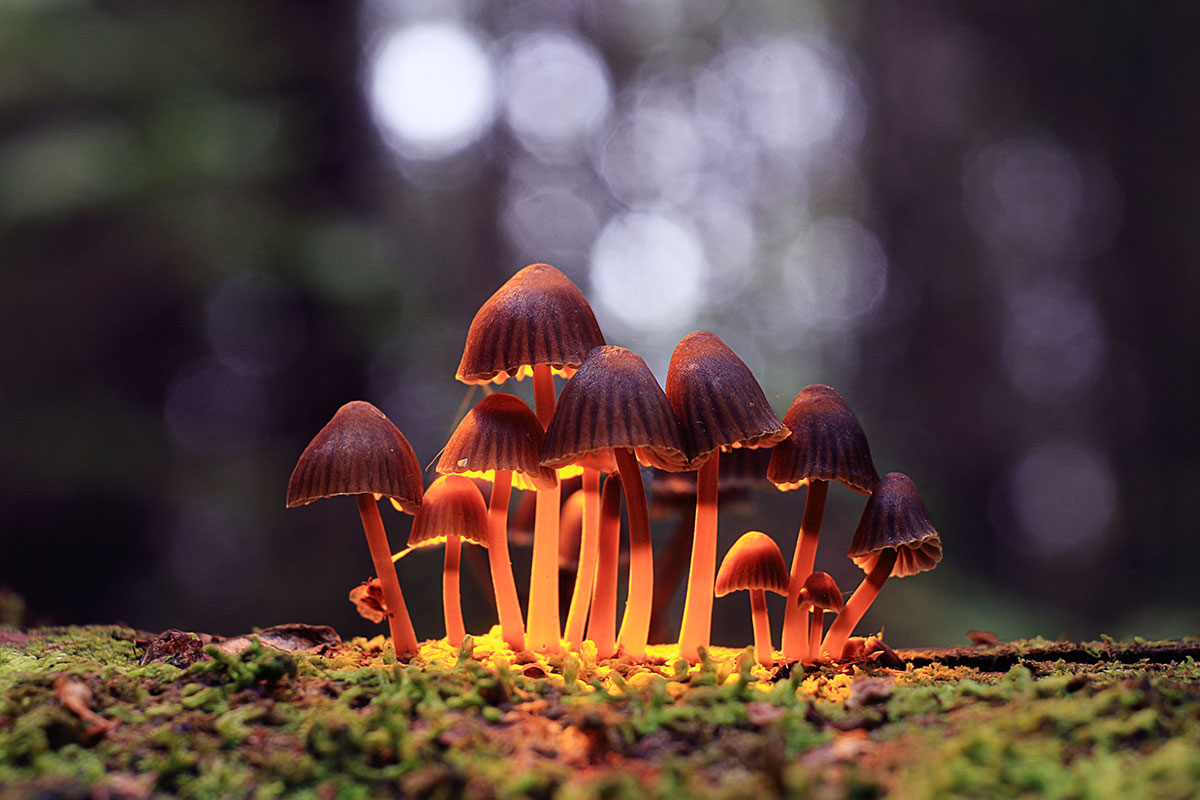
MUSHROOMS can be deadly! They have gills but aren’t fish (obviously), they aren’t vegetables and can hardly be considered “plants” – without roots, leaves, flowers or seeds. What are they, then? They’re part of the fungi kingdom. Don’t worry, culinary mushrooms from the produce aisle in grocery stores are cultivated and safe to consume1, unlike some of the wild mushrooms picked up during foraging. Here are three reasons why you shouldn’t avoid the mysterious living organisms known as mushrooms:
Mushrooms contribute to a plant-based diet high in nutrients2, though content varies based on mushroom variety. They are low in fat and calories, high in carbohydrates, fiber, protein3 (by calories), B vitamins, phosphorus, potassium, as well as magnesium, selenium, copper, and Vitamin D. Mushrooms are the only “plant” that provides a natural source of vitamin D, from the conversion of ergosterol to D2 or D4 when exposed to ultraviolet light (look for “UV-treated” on the label). Shiitake and morel varieties naturally contain more vitamin D than other mushrooms typically consumed by Americans4. To offer protein equal to that from an ounce of meat, it takes about two cups of white button mushrooms – a significant quantity that contributes to fullness and decreased hunger but provides only 42 calories.
Though hundreds of mushrooms have medicinal and disease-fighting properties1,3, Japanese varieties notably contain the most phytochemicals (naturally occurring plant chemicals)2. Oyster mushrooms contain antioxidants such as selenium and L-ergothioneine, which provide protection to cells against free radical damage2. These compounds are fortunately resistant to cooking2. King trumpet (aka. king oyster) also contains statins shown to reduce blood lipids2.
Additionally, white and brown beech, shiitake and maitake mushrooms contain beta-glucan fiber2 which may help lower insulin resistance, blood cholesterol, and risk of obesity5. Mushroom beta-glucans may not affect glucose absorption, but they could decrease the glycemic response by up to 25%5. Portobellos can lower glycemic responses when consumed with food1. Japanese studies of isolated beta-glucans from mushrooms show promise to boost the immune response to fight cancer cells3,5 and may help prevent the recurrence of hormone-dependent breast cancers1,3.

Mushrooms offer umami, the 5th basic taste after sweet, salty, bitter and sour. The darker the mushroom the more umami it contains, and cooking intensifies this flavor1,2. Mushrooms are known for their unique earthy flavor and chewy, meaty texture1. White button mushrooms are milder than their darker counterparts, crimini (aka “baby bellas”) which are immature portobello mushrooms3. Dried versions of most types have super-concentrated flavor and make great additions to soups, sauces, and stocks.
Mushrooms are great for trimming meat in dishes or used as a stand-out ingredient in stir-fries (shiitake best) or raw salads (enoki best)1. For those who have a palate issue with them on their own, finely dicing mushrooms to match the consistency of meat then blending into traditional recipes alongside ground meat, makes them more tolerable1. To cut back on meat you can use finely diced mushrooms as replacement for half the ground beef in tacos, lasagna, meatballs/loaves, burgers, and pasta sauce1.
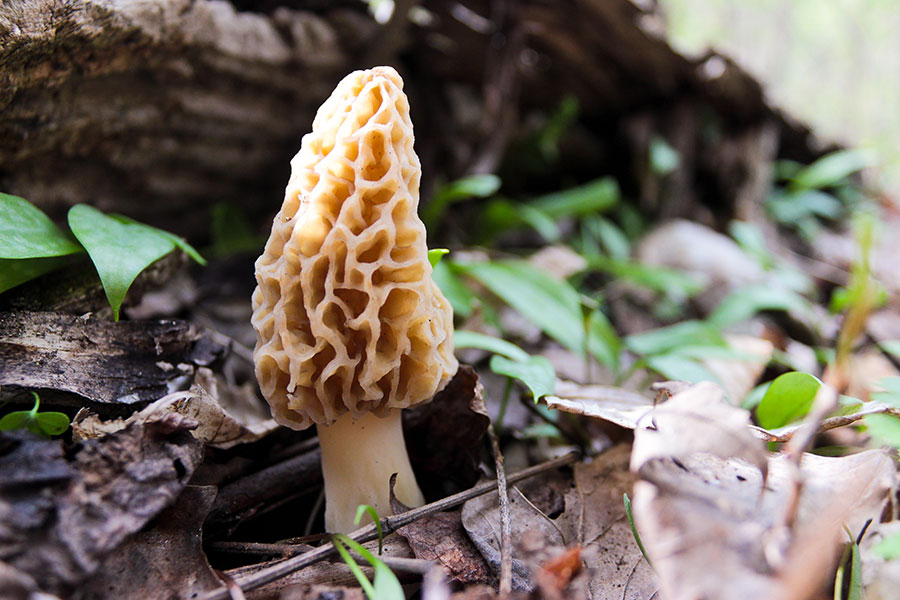


MYCOPROTEIN is a mold member of the fungi family. Wait, what? We are told to avoid mold on foods because it is dangerous! Approved in 2001 by the FDA as a Generally Recognized As Safe (GRAS) food, mycoprotein is grown in large fermentation vats. Mycologists have studied the safety of the mold strain used and determined it produces an almost undetectable less than 0.5 parts per million mycotoxins in production6.
Mycoprotein is high in fiber and protein (12% protein by weight) and contains all essential amino acids in concentrations similar to egg6. Due to its stringy nature, it is predominantly used as a meat substitute, though modified mycoprotein can also be used as a fat replacer in dairy products or as a grain replacement in cereals.
As with all foods, some people may be intolerant or allergic (rare) to mycoprotein. Such cases have prompted the nonprofit Center for Science in the Public Interest to request that the FDA revoke mycoprotein’s GRAS status. If you are looking for a non-soy, non-dairy vegetarian protein source then you might consider mycoprotein. On the other hand, if you are looking for natural ‘clean’ foods, then these highly engineered mycoprotein products are not for you.
In summary, there are benefits to mushrooms including some that other plants can’t provide, while mycoprotein’s only value seems to be as a meat replacer. Now that you’re armed with details about each, don’t let edible fungi haunt you!
References:


The gills on the underside of portobello caps have an unpleasant chalkiness and, therefore, should be scraped away with a spoon before grilling. Olives and feta cheese tend to be salty so keep that in mind when seasoning to taste.
Serves 4 as a side dish
Nutrient Analysis per serving: Calories: 180; Total fat: 13 g; Sat fat: 3 g; Cholesterol: 5 mg; Sodium: 470 mg; Total carbohydrate: 11 g; Dietary fiber: 2 g; Sugars: 6 g; Protein: 7 g
Recipe Credit: Mushrooms — A Unique Ingredient Taken From Forest Floor to Kitchen Door. Bryan Roof. Today’s Dietitian, Aug 2012; 14(8); 74
Registered Dietitian, Debbie James, helps answer a reader’s question about how to increase bone density while on a vegan diet.
Here are some of the main reasons why you shouldn’t avoid the mysterious living organisms known as mushrooms. These freaky fungi can pack a healthy punch.