Build Your Stack One Supplement at a Time
Do dietary supplements actually work or are they really just a waste of money? LAF registered dietitian Debbie James discusses the use of supplements.



As a newly diagnosed diabetic, what supplements can I take that will not spike my blood sugar? 2 months ago, I started a cardio program at home, but I want to start weight training.
-Jose

Kudos to rounding out your exercise routine!
To narrow down an answer, I’ll have to assume you are asking about pre-workout powders, meal replacement bars, recovery shakes and other sports/body-building supplements with macronutrients (carbohydrate, fat, and protein) not individual compounds, like stimulants. Caffeine may reduce sensitivity of insulin and raise blood sugar levels.
Generally, single servings of products with only protein and fat shouldn’t raise blood sugar levels. Many “keto-safe” protein shakes, powders and bars fall into this category. Still, they are designed for fast digestion and absorption, making a quicker impact on insulin levels than whole foods which take longer to consume and digest. Consider making your own protein beverages to drink pre and post workout.
Products with any sugar present should also have fiber plus a balance of protein and fat, to prevent blood sugar spikes. Check the nutrition facts panel for gram levels of these. There are no magic numbers, but I would recommend avoiding products with half of total carbohydrates from sugar and those with more than 10 grams of sugar per serving. You should look at what you’re eating between meals, too. Several snack bars are promoted for those with diabetes.
Unfortunately, there are no guarantees how your blood sugar will respond to even the most low-risk caloric supplement. No matter what supplements you take, always follow the usage directions on the product package.
– Debbie J., MS, RD
This article should not replace any exercise program or restrictions, any dietary supplements or restrictions, or any other medical recommendations from your primary care physician. Before starting any exercise program or diet, make sure it is approved by your doctor.
Some questions have been edited for length and/or clarity.
 Have a nutrition question? Our registered dietitian is ready to help!
Email nutrition@lafitness.com or submit your question below and it may be featured in an upcoming article!

Do dietary supplements actually work or are they really just a waste of money? LAF registered dietitian Debbie James discusses the use of supplements.

Debbie James, RDN, helps answer a reader’s question on what supplements help burn fat and grow muscle.
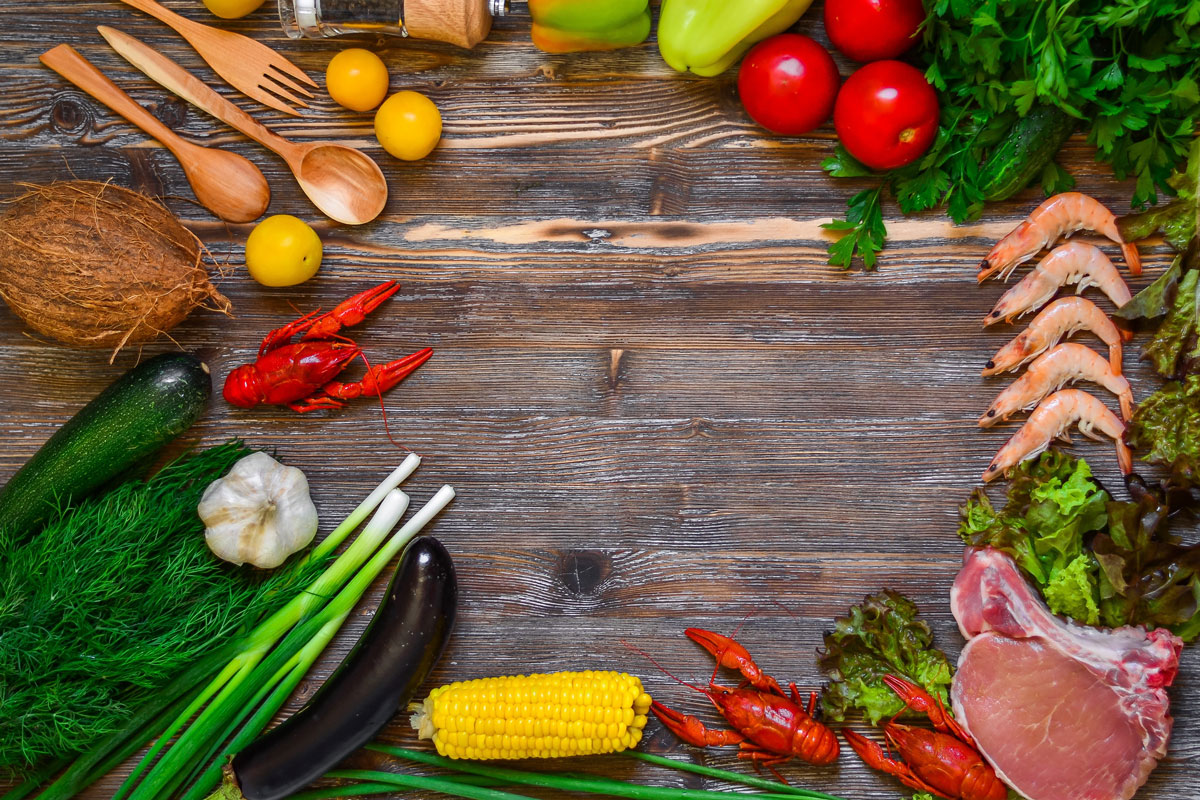
Debbie James, RDN, helps answer a reader’s question on how to consume 100% daily value of vitamins and minerals without supplements.
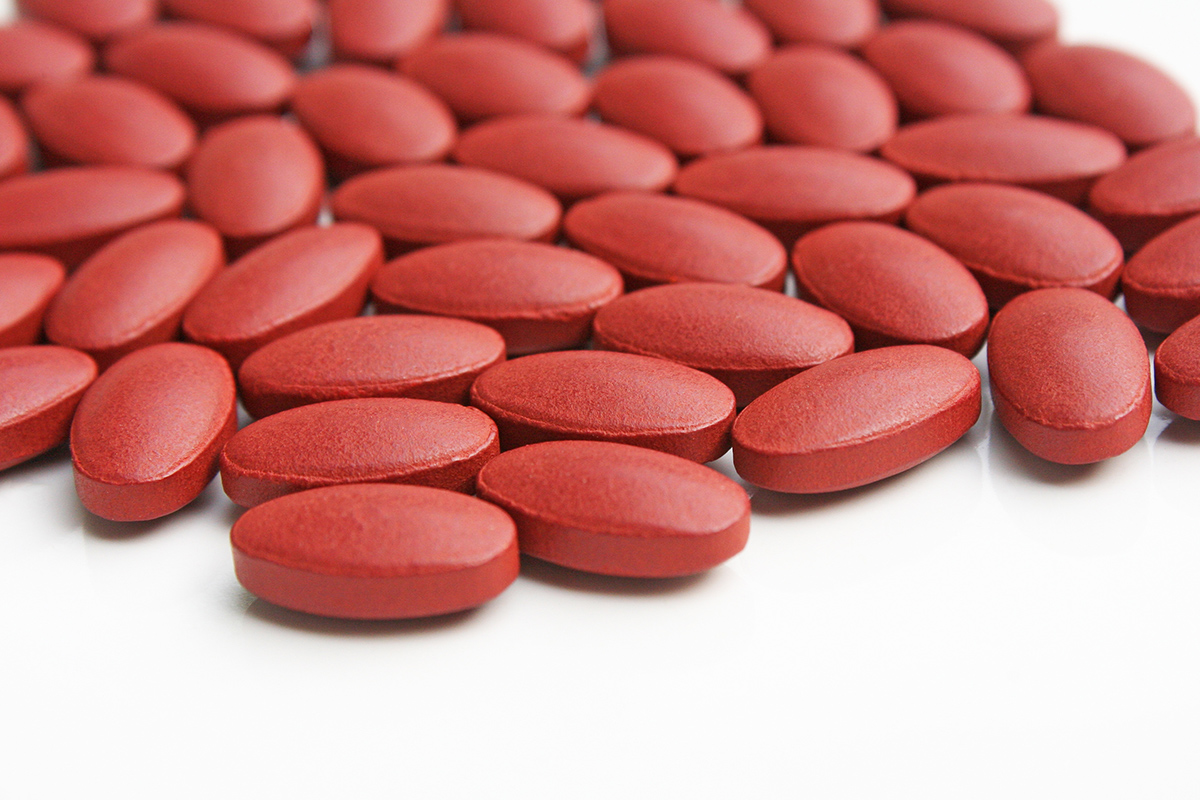
If you are vegetarian, do you have to take iron tablets to compensate?
Do you recommend any other foods or fruits? I drink a lot of milk (1% organic) and take the following pills daily:
1. Move Free Ultra Triple Action
2. ‘C’ Vitamin 500 mg.
3. MSM 1000mg
4. Calcium 600 mg
5. Multivitamin Silver Centrum for men +50
I am 81 years old and have a slight knee problem. Please let me know if you have any other recommendations.
– Michael J.
Your current nutrient supplements do not provide any iron (also known as ferrous sulfate, ferrous gluconate, ferrous fumarate). If you consume a good amount of non-heme iron from plant sources such as vegetables like spinach, beans, nuts, and fortified grain products, it’s possible to meet your daily iron need without supplementation. The Recommended Dietary Allowance for vegetarian adults over 50 years of age is 14.4 milligrams of iron per day, which is 1.8 times higher than for people who eat meat.
Vitamin C helps absorb iron so you should take it with your richest iron meal. Your calcium supplement, on the other hand, reduces the availability of iron so take it at another time of day. Consult with your doctor if you’re concerned about anemia.
The Vegetarian Resource Group offers sample high-iron menus and a discussion with sample menu for seniors. Unless you have specific symptoms, complaints or health conditions, there is no need to focus on a particular food. I’d recommend a diet rich in legumes, grains, green vegetables, nuts, seeds, fruit with 2-3 dairy servings if you wish. Choose whole foods and limit processed foods, added sugar and alcohol.
– Debbie J., MS, RD
This article should not replace any exercise program or restrictions, any dietary supplements or restrictions, or any other medical recommendations from your primary care physician. Before starting any exercise program or diet, make sure it is approved by your doctor.
Some questions have been edited for length and/or clarity.
Have a nutrition question? Our registered dietitian is ready to help!
Email nutrition@lafitness.com or submit your question below and it may be featured in an upcoming article!
Do dietary supplements actually work or are they really just a waste of money? LAF registered dietitian Debbie James discusses the use of supplements.
Debbie James, RDN, helps answer a reader’s question on what supplements help burn fat and grow muscle.
Debbie James, RDN, helps answer a reader’s question on how to consume 100% daily value of vitamins and minerals without supplements.
Imagine this scenario —
“I survived the week-long school trip without getting sick like last time.”
“Wow – with all those kids? Good hygiene, I bet.”
“Maybe, but I safeguarded with echinacea, zinc and high-dose Vitamin C.”
“Didn’t you tell me you started probiotics beforehand, too?”
“Yep – my trifecta plus one! I just needed something to make a difference.”
“Uh, okay. But how do you know which ‘thing’ did the trick?”
— silence —
Immune-enhancing products are akin to a muscle-building arsenal because many weightlifters try everything all at once like the first person in our story. Starting a thermogenic, pre-workout formula, creatine, NO booster, and recovery drink at the same time is like a “throw everything at the wall and see what sticks” approach.
To enhance the effects of rigorous training and a nutritious diet, many people use ergogenic aids to reach top shape or peak performance. And the most popular ergogenic aids are dietary supplements. The term “stack” 15 years ago referred to a product with combined ingredients that had similar effects, such as herbal stimulants or androgens.
Now, it’s about stacking multiple supplements (often with proprietary blends) within the day. Most often targeted for gaining muscle and losing fat, stacking various supplements is promoted for gains in the weight room. The idea is that by grouping supplements together there may be a synergy of certain ingredients that combine to create greater advantages.
For single-ingredient preparations, it makes sense to take more than one dietary supplement, as they have different methods of action and are useful at different times. But by starting several compound supplements at once, it’s more difficult to determine which are effective – particularly if there are 6-8 products on the list! I recommend taking no more than four while ProResults® Master Trainer Geoff Fox advises avoiding performance-enhancing supplements (your wallet will thank us).

For those of you that are stacking your supplements, here are some tips for evaluating product effectiveness and safety:
Debbie James, RDN, helps answer a reader’s question about safe supplements for diabetics that still support weight training.
Debbie James, RDN, helps answer a reader’s question about whether iron supplements are needed to maintain nutritional balance in vegetarians.
Do dietary supplements actually work or are they really just a waste of money? LAF registered dietitian Debbie James discusses the use of supplements.
Hi, what would be the best supplement to become leaner and cut muscle?
– Lito J.
The leanest, most cut people are generally considered bodybuilders. They most commonly use arginine, beta-alanine, branched chain amino acids (BCAAs), caffeine, citrulline malate, creatine monohydrate, glutamine, and beta-hydroxy-methylbutyrate (HMB). Among these, creatine has been shown to be effective for muscle size and strength when added to a weight training program.1,2 The International Society of Sports Nutrition (ISSN) states that “creatine monohydrate is the most effective ergogenic nutritional supplement currently available to athletes in terms of increasing high-intensity exercise capacity and lean body mass during training.”2 Beta-alanine further improves lean mass gains and body fat loss in conjunction with creatine supplementation.1
Arginine and citrulline malate may have ergogenic effects but do not conclusively alter body composition. The BCAAs (leucine, isoleucine and valine) decrease muscle protein breakdown and increase skeletal muscle protein synthesis though these have not translated to increased lean mass. The stimulant caffeine, taken pre-workout, increases strength training performance which allows you to do more muscle-building work.
Read about related topics on our Living Healthy blog – overall supplements and nitric oxide boosters.
Resources:
– Debbie J., MS, RD
This article should not replace any exercise program or restrictions, any dietary supplements or restrictions, or any other medical recommendations from your primary care physician. Before starting any exercise program or diet, make sure it is approved by your doctor.
Some questions have been edited for length and/or clarity.
Have a nutrition question? Our registered dietitian is ready to help!
Email nutrition@lafitness.com or submit your question below and it may be featured in an upcoming article!
Do dietary supplements actually work or are they really just a waste of money? LAF registered dietitian Debbie James discusses the use of supplements.
Debbie James, RDN, helps answer a reader’s question on what supplements help burn fat and grow muscle.
Debbie James, RDN, helps answer a reader’s question on how to consume 100% daily value of vitamins and minerals without supplements.
Which unprocessed meats, vegetables, and fruits should I eat each day to get 100% daily value of vitamins and minerals without supplements?
– Charles E.
Great question, Charles! There are over 20 vitamins and minerals which need to be obtained in the diet because the human body cannot make them. The Reference Daily Intake levels – either Recommended Dietary Allowance (RDA) or Adequate Intake (AI) – for each micronutrient show how much is needed for men, women and children of various age groups. Your question’s wording refers to the Daily Values, which are not so specific.
According to the National Institutes of Health, “one value for each nutrient, known as the Daily Value (DV), is selected for the labels of dietary supplements and foods. A DV is often, but not always, similar to one’s RDA or AI for that nutrient.” The Daily Values are set by the U.S. FDA for labeling so that consumers can see how much of a nutrient is provided in a serving of a food compared to their approximate requirement for it. The Nutrition Facts panel shows the percent DV for certain vitamins and minerals. Readers – if you’re interested in more about food labels, check out our Living Health Podcast Episode 21!
Okay, so on to whether it’s possible to plan a 100% micronutrient complete day from whole foods. Yes! Though the amount of produce may not be realistic for a person to consume on a daily basis, or the energy provided may be inadequate or excessive for you. That’s one reason why a variety of food selected across several days is best for meeting one’s nutritional needs.
If you’re looking for a list of what to eat in one day that meets 100% DV, the best one could do would be to construct a day using nutrient analysis software which would still be compared to the RDA or AI for your age and gender, not DV. The following list shows how you can meet the DV for about half the essential micronutrients:
Vitamin C: 1 large orange
Vitamin D: 3 1/2-ounces salmon
Vitamin E: 1 cup raw broccoli, plus 2 ounces almonds
Vitamin K: raw broccoli from above
Folic Acid: 1 cup peas, 1 cup cooked spinach, and 5 long asparagus
B12 and B6: 1 cup plain yogurt and a banana, 1 ounce sunflower seeds, and 3 ounces roast beef
Calcium: cooked spinach and yogurt from above plus an 8-ounce glass skim milk, and 1 fig
Iron: red meat from above plus a large spinach salad, and 1 cup lentil soup
Magnesium: almonds from above plus 2 slices of whole-wheat bread, 1 ounce raisins, a baked potato, and 4 ounces grilled halibut
Zinc: whole wheat bread from above plus a burger patty, and 1 slice cheese
Restricting intake to only the three food groups you mentioned is more work, so you are on your own there. If you are adamant about doing so, I’d suggest using a sample menu as a template for starters then substituting for foods you won’t eat. Truly a personalized custom menu!
References:
– Debbie J., MS, RD
This article should not replace any exercise program or restrictions, any dietary supplements or restrictions, or any other medical recommendations from your primary care physician. Before starting any exercise program or diet, make sure it is approved by your doctor.
Some questions have been edited for length and/or clarity.
Do dietary supplements actually work or are they really just a waste of money? LAF registered dietitian Debbie James discusses the use of supplements.
Debbie James, RDN, helps answer a reader’s question on what supplements help burn fat and grow muscle.
Debbie James, RDN, helps answer a reader’s question on how to consume 100% daily value of vitamins and minerals without supplements.