What is The Nutrition of Quinoa Seed?
The quinoa seed, a small but powerful little seed that provides a host of healthy nutritional elements for the body. We break down the values of this power seed.



What is the nutrition of quinoa seed?
– Phuoc T.

Cooked quinoa has 222 calories per cup, 8 grams protein, 3.5 gm fat, 39 gm carbohydrate (incl. 5 gm fiber, 1.5 gm sugar). For vitamins, 1 cup cooked contains thiamin 0.198 mg, riboflavin 0.204 mg, niacin 0.762 mg, B-6 0.228 mg, folate 78 micrograms, Vit A 9 IU, and Vit E 1.17 mg. For minerals, 1 cup cooked contains calcium 31 mg, iron 3 mg, magnesium 118 mg, potassium 318 mg, zinc 2 mg.
Compared to cooked whole-wheat pasta (wheat is a staple, but most people don’t eat boiled wheatberries), quinoa is similar in calories, fiber and sugar, but has less carbohydrate and protein. Quinoa has more riboflavin, B-6, folate, Vit A, calcium, iron, magnesium, potassium than cooked whole wheat pasta.
Values from the USDA National Nutrient Database for Standard Reference, release 28. Actual values may differ based on seed variety or cooking methods.
– Debbie J., MS, RD
This article should not replace any exercise program or restrictions, any dietary supplements or restrictions, or any other medical recommendations from your primary care physician. Before starting any exercise program or diet, make sure it is approved by your doctor.
Some questions have been edited for length and/or clarity.
 Have a nutrition question? Our registered dietitian is ready to help!
Email nutrition@lafitness.com or submit your question below and it may be featured in an upcoming article!
The quinoa seed, a small but powerful little seed that provides a host of healthy nutritional elements for the body. We break down the values of this power seed.

Let's talk about organic foods. Are they worth the extra cost? What exactly is the hype with organic produce? We help answer these questions to help you better understand what your funds are buying.
Can the foods your eating be contributing to stubborn back fat? Our registered dietitian talks about the basics needed for fat melting.
I have a question concerning organic food. Is organic food worth the extra cost? And what organic foods should you try to consume (i.e. fruits, chicken, meat, vegetables, etc.)
– O. Akanbi
Organic food (grown without pesticides, herbicides, synthetic fertilizers, hormones/antibiotics or gene splicing) is worth the extra cost for the foods you eat regularly if you are concerned with long-term health implications from traditional farming, but I would recommend to focus your funds. If you’re immediately targeting a heart-healthy diet after a recent cardiovascular event, spend the money on specialty items for that right now (like salmon instead of regular ground beef). Condiments and obscure items that you rarely touch won’t pose as much threat as your daily fare, so they can be last on your list.
My priority for organic shopping:
First, make sure you’re able to afford an overall healthy diet with vast array of fresh foods including ample produce, sufficient dairy and raw meats/poultry/fish. Those tend to be most expensive. Although finished vegetarian products are costly, dry beans are a cheap ingredient and can be incorporated into many meals. There’s no sense in buying organic if it means you’ll give up nutrient-rich foods elsewhere.
Second, choose organic for the produce you eat the most of, especially produce that’s on the pesticide “dirty dozen” list from the Environmental Working Group. For 2017, produce with most pesticide residue were identified as strawberries, spinach, nectarines, apples, peaches, pears, cherries, grapes, celery, tomatoes, sweet bell peppers, and potatoes. You can save by purchasing conventional sweet corn, avocado, pineapple, cabbage, onion, papaya, asparagus, mango, eggplant, honeydew, kiwi, cantaloupe, cauliflower and grapefruit, deemed “the clean fifteen.”
Next, as your budget allows, look at staple items like wheat and rice, as well as your protein sources. The difference may be tiny for vitamins and minerals, but organically grown wheat and animals raised organically may develop more robust defenses against environmental stressors. That could mean they pass super antioxidants and other beneficial compounds on to you.
Lastly, organic soda and sweets? Consider whether you should even be buying them at all.
– Debbie J., MS, RD
This article should not replace any exercise program or restrictions, any dietary supplements or restrictions, or any other medical recommendations from your primary care physician. Before starting any exercise program or diet, make sure it is approved by your doctor.
Some questions have been edited for length and/or clarity.
Have a nutrition question? Our registered dietitian is ready to help!
Email nutrition@lafitness.com or submit your question below and it may be featured in an upcoming article!
The quinoa seed, a small but powerful little seed that provides a host of healthy nutritional elements for the body. We break down the values of this power seed.
Let's talk about organic foods. Are they worth the extra cost? What exactly is the hype with organic produce? We help answer these questions to help you better understand what your funds are buying.
Can the foods your eating be contributing to stubborn back fat? Our registered dietitian talks about the basics needed for fat melting.
Which foods assist with loosing back fat? I have a flat stomach but can’t get rid of my back roll/fat.
– Queen
Your question resonates with so many others. Usually carrying extra body fat results in generalized fat deposition. Fat accumulation on the back (posterior torso adipose tissue) is quite common (and may be inherited), and could be a result of yo-yo dieting or age.
Despite numerous products and advertisements, there is no way to target fat loss in that area alone. There is no evidence to support a particular diet or foods for reducing a roll of fat on the back. Spot reduction from exercises does not work either.
The good news: amping up your cardio and cleaning up your diet will help you get the results you want as your overall body fat composition improves!
Some serious basics for your fat-melting meal planning include:
– Debbie J., MS, RD
This article should not replace any exercise program or restrictions, any dietary supplements or restrictions, or any other medical recommendations from your primary care physician. Before starting any exercise program or diet, make sure it is approved by your doctor.
Some questions have been edited for length and/or clarity.
Have a nutrition question? Our registered dietitian is ready to help!
Email nutrition@lafitness.com or submit your question below and it may be featured in an upcoming article!
The quinoa seed, a small but powerful little seed that provides a host of healthy nutritional elements for the body. We break down the values of this power seed.
Let's talk about organic foods. Are they worth the extra cost? What exactly is the hype with organic produce? We help answer these questions to help you better understand what your funds are buying.
Can the foods your eating be contributing to stubborn back fat? Our registered dietitian talks about the basics needed for fat melting.
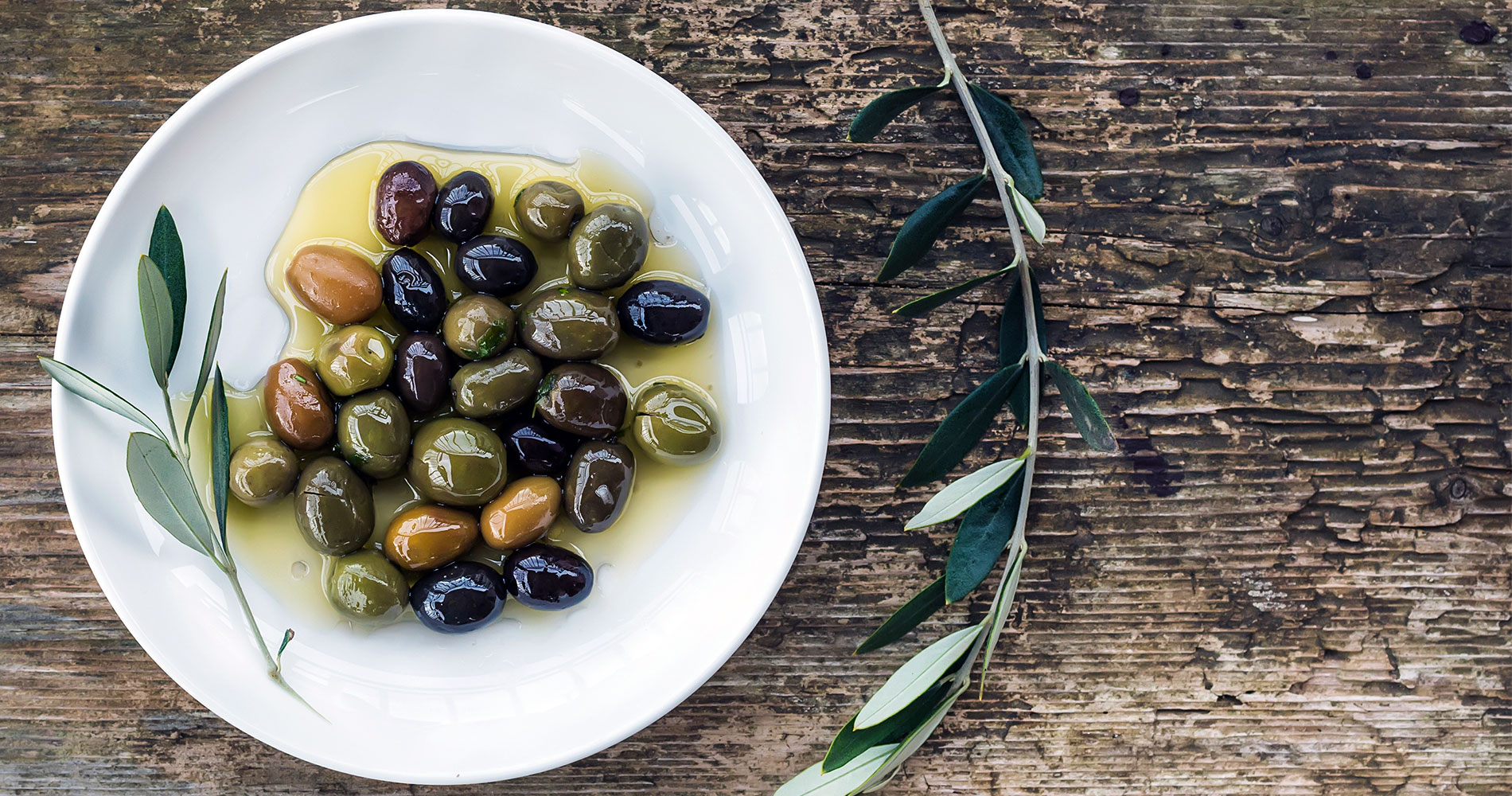
I’ve been doing some research and came across the Mediterranean diet as a great way to maintain a healthy weight as well as gaining many lifelong health benefits from the foods/ingredients it’s centered on. Are you familiar with the Mediterranean diet and if so any pointers for transitioning from one diet to a different diet?
– Shelby G.
The key specifics of a Mediterranean style diet depend on who you ask, since it is truly a reflection of a regional dietary pattern, not from one particular person, author or company.
Bordering the Mediterranean Sea are Southern Europe, Western Asia and Northern Africa. Dietary patterns from countries of the latter two started to be referred to as a “Mediterranean Diet” in the 1960’s. According to the Mediterranean Diet, the major source of calories come from grains, fats and oils, with less meat (predominantly beef, pork, and mutton) than other areas, and the remainder of protein is obtained from dry beans and chickpeas1.
Based on the observed health status of southern European countries, the Mediterranean pyramid was introduced in 1993 and serves as the basis for what most people now refer to as the “Mediterranean Diet”, which is what I’ll address.
The Mediterranean style diet emphasizes whole grains, fruits, vegetables, beans, herbs, spices, nuts and healthy fats as core foods. Within the main portion of the pyramid you will find traditional foods such as olive oil, pine nuts (pignolias), broad beans, lentils, chickpeas, barley, oats, potatoes, hard winter wheat, apricots, dates, figs, grapes, melons, pomegranates, broccoli, cabbage, cucumbers, eggplant, mushrooms, onions, peppers, tomato, and zucchini.
Oldways, one of the founders of the original Mediterranean pyramid states “Fish and seafood are typically eaten at least twice a week, and dairy foods – especially fermented dairy like yogurt and traditional cheese – are eaten frequently in moderate portions. Eggs and occasional poultry are also part of the Mediterranean Diet, but red meat and sweets are rarely eaten.”
As far as weight maintenance goes, research shows a definite positive effect for those following a Mediterranean style diet. I could list all sorts of individual studies, but researchers have already compiled all of the findings into a summary2. Weight and body mass index tend to go down (coupled with exercise and energy restriction) on a Mediterranean diet, especially if done over 6 months. This would seem surprising, given that fat provides over 30% of calories. The power of whole grains, ample produce and limited saturated fat are the trick!
Besides the change in lifestyle (shopping/cooking), I’d consider your gut happiness in transitioning from one diet to another. A drastic change in intake can upset your intestines. If you have a sensitive stomach, consider incorporating only a few new items daily. After 2 or 3 weeks you should have fully transitioned into your new dietary pattern.
References:
– Debbie J., MS, RD
This article should not replace any exercise program or restrictions, any dietary supplements or restrictions, or any other medical recommendations from your primary care physician. Before starting any exercise program or diet, make sure it is approved by your doctor.
Some questions have been edited for length and/or clarity.
Have a nutrition question? Our registered dietitian is ready to help!
Email nutrition@lafitness.com or submit your question below and it may be featured in an upcoming article!
The quinoa seed, a small but powerful little seed that provides a host of healthy nutritional elements for the body. We break down the values of this power seed.
Let's talk about organic foods. Are they worth the extra cost? What exactly is the hype with organic produce? We help answer these questions to help you better understand what your funds are buying.
Can the foods your eating be contributing to stubborn back fat? Our registered dietitian talks about the basics needed for fat melting.

I’m a single bachelor, and I work about 60 to 70 hours a week, so I always end up eating out instead of cooking. I was looking for some 1-pot recipes that I can cook and pack up at work and eat at night as well. Any recommendations?
– Robert W.
I’ve tried a few 30-minute meals recipe books and always found that including pre-cooked meats or already-diced ingredients was a bit of a cheat. But you’ve got to save time somewhere, and it often comes at an expense (of money) or in sacrifice of nutrition. My advice is to either prepare your meats and raw produce in bulk when you bring them home from the store, or buy a few already-prepped convenience ingredients.
One big-time saver is pre-cut fresh produce, such as a container of onion and bell pepper strips or a mirepoix mix of diced onion, celery and carrot. Frozen plain vegetables are simple to microwave or steam. No-salt-added canned corn kernels, sliced beets or diced tomatoes are simple to pop open, drain and add to an appropriate dish for a pop of color, fiber and vitamins/minerals.
Simple, healthy and easy-to-prepare meals often mean 1-pot cooking. For example, in a heated large stir-fry or fry pan, you can start by searing chunks of your preferred protein, add chopped vegetables, then pour in a bagged frozen meal and cooking until heated through when sauce is melted and starch (pasta, potato or rice) is soft. Voila two portions become three with less sodium per serving!
Starting a slow-cooker in the morning makes coming home to a finished meal easier. Choosing your recipe and prepping your ingredients the night before means just turning on the cooker and popping in your food before leaving for work. Remember that smaller chunks of food cook faster. You can adjust heat settings and total cook time for larger items like whole chicken breasts or pork loins.
See our article Inexpensive Meal Prep | Q+A for more tips.
– Debbie J., MS, RD
This article should not replace any exercise program or restrictions, any dietary supplements or restrictions, or any other medical recommendations from your primary care physician. Before starting any exercise program or diet, make sure it is approved by your doctor.
Some questions have been edited for length and/or clarity.
Have a nutrition question? Our registered dietitian is ready to help!
Email nutrition@lafitness.com or submit your question below and it may be featured in an upcoming article!
The quinoa seed, a small but powerful little seed that provides a host of healthy nutritional elements for the body. We break down the values of this power seed.
Let's talk about organic foods. Are they worth the extra cost? What exactly is the hype with organic produce? We help answer these questions to help you better understand what your funds are buying.
Can the foods your eating be contributing to stubborn back fat? Our registered dietitian talks about the basics needed for fat melting.