Salt Grains for Muscle Gains?
Does liberally salting your food help you pump more iron in the gym? Registered Dietitian, Debbie James, investigates the claims!



Salt has been called the “secret weapon in the gym” and “the newest workout supplement1.” The white granules known as table salt (also sea, kosher, or Himalayan salt) in your kitchen are simply sodium and chloride put together. By itself, sodium is one of several critical electrolytes which are minerals that affect the body’s fluid balance, muscle and nerve impulses, blood pressure and acid–base balance.
Though human requirements are only 300-500 milligrams of sodium daily, the average American consumes ten times that – over 3,400 mg2! It’s well known that athletes have a higher need for sodium, mainly due to sweat losses. However, competitive athletes also train hours a day (and the majority not resistance work) compared to the average person in the weight room. So then, we wondered where the hype about extra sodium came from. Does liberally salting nearly everything you put in your mouth help you pump more iron in the gym?
Reading through three online sources3,4,5 touting the benefits of salt for size and strength it would appear that we’ve missed out on the key to bodybuilding success! Sodium increases blood volume and intracellular water retention. True, but sodium just doing its job for fluid status and muscle contraction doesn’t mean more salt enhances power and strength for greater gains. None of those articles provide evidence-based references or citations to support these supposed enhancements. (Sodium phosphate is a different molecule that is mentioned as an intracellular buffer that can increase aerobic and anaerobic performance when supplemented3.) The authors do agree that although you shouldn’t limit sodium, you don’t need supplemental salt for strength gains, just ample dietary consumption. A fourth bodybuilding source6 advises not to add excessive sodium to meals and shares that it’s more important to have potassium in balance with sodium intake.
We asked Jennifer McDaniel, RDN, a Certified Specialist in Sports Dietetics (CSSD), in the St. Louis, Missouri area if strength athletes and power lifters need additional sodium beyond that in the typical American diet. She informed us that sodium requirements vary significantly based on intensity and time of training session, sweat rate and acclimation to the training environment. “Based on the current research available, strength-based athletes do not need more than the average intake of sodium from the typical Western diet,” McDaniel said. She explained that most athletes’ eating habits far exceed the recommended limit of 2,300 mg sodium* per day making it unlikely that strength trained athletes would need an increase in daily sodium for the average hour–long training bout.
* for the general public, from the 2015-2020 US Dietary Guidelines7.
Also, nationally known, Marie Spano, RD, CSSD and Certified Strength and Conditioning Specialist®, gave us her input regarding athletes’ sodium needs. She shared that dehydration can decrease strength and power. “Your muscles need sodium to hold on to more fluid and for muscular contractions, so consume adequate sodium to cover sodium losses through sweat,” Spano advises. She previously wrote, “To achieve proper hydration, athletes may want to add sodium to their sports drinks or preworkout meals to help retain the fluid they’re consuming.8” The amount depends on total dietary sodium intake and sodium losses through sweat while training in a particular environment.
American College of Sports Medicine’s (ACSM) 2016 position stand and The International Society of Sport Nutrition’s (ISSN) 2018 research and recommendation update both addressed sodium. Regarding hydration, the ACSM indicated, “Sodium consumed in pre-exercise fluids and foods may help with fluid retention,” and advised ingesting sodium during exercise when large sweat losses occur9. The ISSN stated that inadequate sodium would impair performance and advised replacing adequate amounts due to sweat losses10. In regard to extra sodium the Society indicated it was beneficial for hydration in the early days of training in the heat10.
Neither ACSM or ISSN directly mentioned sodium involved in strength, power, weight training or muscle mass. In fact, the ISSN didn’t list any sodium compounds as “muscle building supplements” based on available literature but did name sodium bicarbonate and sodium phosphate under the “performance enhancement” category, noting there was strong evidence to support their efficacy10. The Society also indicated limited or mixed evidence to support the efficacy of [sodium] nitrates to improve aerobic work performance and endurance exercise10.
Being that salt is everywhere in our diet, research on supplemental sodium chloride solely for muscle strength or growth is lacking. Sodium bicarbonate, on the other hand, is not easily obtained from food and has evidence as a modestly effective sports nutrition supplement for short-term, high intensity exercise (anaerobic work) performance11,12. Benefits are most likely due to its action as an extracellular (blood) buffer11. Sodium citrate is a potential alternative buffer, but with unknown effectiveness. For endurance work, sodium phosphate may enhance performance12.
So, it seems the hype surrounding salt for strength comes from the importance of sodium for hydration and muscular contraction. Most people generally get enough of it in the form of sodium chloride, more of which doesn’t help strength gains as long as dehydration is prevented, particularly for training sessions that are very long or in the heat. Other sodium molecules consumed as sports nutrition supplements may offer ergogenic effects that can’t be derived from table salt, namely sodium bicarbonate for anaerobic work. The consensus is not to limit salt if you’re intensely resistance training, but you don’t need to intentionally use the saltshaker everywhere either. Consider just drinking a higher sodium fluid electrolyte beverage pre-workout.

We’re slowly leaving summer behind and with the cooler months we start to think less about the importance of staying hydrated. It’s just as important now as it was in July to drink water, and what it does for your body and mind is pretty amazing.
Did you know that drinking water can actually improve your mood, memory, attention, and learning? The human brain is made primarily of water: over 75%! It makes sense that, when the body becomes dehydrated, the brain has a more difficult time doing what it needs to.
It’s easy to lose water if you’re not consuming enough throughout your normal day. If you’re losing more water than usual because of hot weather or exercise, you’ll need to take-in even more.
According to the Mayo Clinic, the National Academies of Sciences, Engineering, and Medicine recommends that on average, men should consume approximately 15.5 cups, or 3.7 liters, of fluid every day. For women, the recommended amount is 11.5 cups, or 2.7 liters.
Yes, that sounds like a lot!! We’re also used to hearing that we should drink (a much more reasonable) 8 cups of water a day. However, you should take another look at that information.
The word “consume” means you don’t necessarily need to drink the water you need. You can eat foods that contain water and still meet the recommendations. It also says “fluids,” which means you can drink a water-containing beverage like milk or juice and still get the needed H2O.
Here are some ways to get the water you need, to keep track of your intake, and to remind you of your next water break.

01.
A container that’s marked according to how much fluid it can hold is going to be your best friend. It’ll be easy to keep track of how much you’ve had to drink. For example, if you drink from a 32-ounce bottle, you can make it your goal to drink 2 or 3 of those bottles every day. This will put you at approximately 1.9- or 2.8-liters respectively. You should be able to get the rest of your water needs by eating.
02.
Healthline published a list of water-rich foods that can help you determine which foods to add to your day. Some great foods from this list include:
As you can see, there’s a solid mix of sweet/salty flavors and crunchy/creamy textures. There are enough options to find at least one thing you enjoy!


03.
Some fitness apps have a section where you can log your water intake. Other apps exist solely for the purpose of reminding you to drink and to help you track your intake. You can simply go to your App Store from your smartphone and do a search for water tracking apps. If you just want some of our random finds, take a look at these free-to-download apps:
Waterlogged – iOS
Daily Water – iOS
Water Time Pro – Android
Drink Water – Android
04.
An easy way to tell if you’re hydrated enough is if the color of your urine is pale yellow to clear. Darker urine colors may indicate that you’re not getting enough water. There are other reasons why urine color may change so never take it strictly as a sign of dehydration!
Another quick test is the skin elasticity test. If you pinch the skin on the top of your hand, it should quickly drop back to its original position. If it holds the pinched shape and slowly comes back down, you might be dehydrated.

Keep in mind that the amount of water your body requires to function healthily is going to be different from what someone else’s body requires. Even if you’re generally the same in terms of age, health, and fitness level, your body may simply need more or less. Listen to your body and focus on you!
To read what our Registered Dietician, Debbie James, had to say about Drinking Too Much Water, read her response to our guest’s question. Or, to learn more about different types of water, read her response to this question on Distilled Water. To access our monthly blog post highlights, subscribe to our newsletter today!

Summer and sweat seem to go hand-in-hand. Longer days mean more exposure to the sun and the hotter temps can lead to dehydrated bodies.
Luckily, there are plenty of ways to avoid this and keep your body properly hydrated this summer (and year around).
We spoke with Dr. Ronald Navarro, Orthopedic Surgeon and Sports Medicine Specialist at Kaiser Permanente South Bay Medical Center, and got his take on why staying hydrated is so important.
Q: How much water do people need each day?
Dr. Ronald Navarro: The most agreed upon recommendation is to drink six or eight 8-ounce glasses of water every day. However, some adults may need more or less, depending on their overall health (certain illnesses and/or medications may affect this need), how much they exercise and the level of intensity, and how hot and dry the weather is.
Q: How many people on average, are dehydrated?
Dr. R.N.: Some polls have reported that up to 75% of Americans suffer from chronic dehydration. Anecdotally, we see the rate of dehydration be higher in the summer and fall when temperatures are higher and perspiration or sweating is more pronounced.
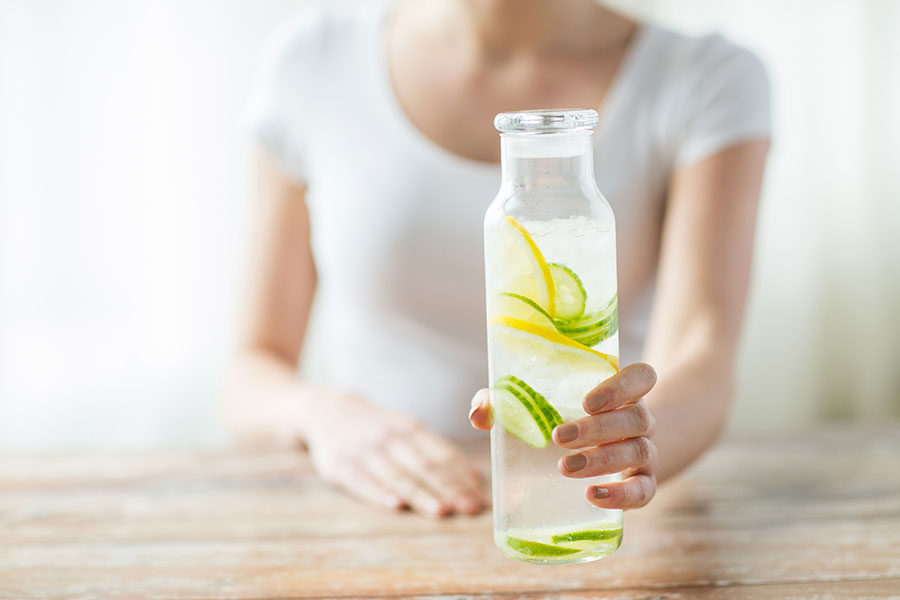
Q: On a micro level, why is hydration important?
Dr. R.N.: Water is a basic need for cellular health. Cells contain water and are surrounded by water. In dehydration, cell membranes become less permeable, hampering the flow of hormones and nutrients into the cell and preventing waste products that cause cell damage from flowing out.
Q: On a macro level, why is hydration important?
Dr. R.N.: When we exercise, our bodies cool off by sweating. As we perspire, we lose necessary body fluids. If we do not replace these fluids, we become dehydrated. This makes it difficult to sweat and cool down, which can result in a heat injury.

Understandably, water plays a huge role in keeping our bodies hydrated, healthy, and better functioning when we add some extra H2O to our daily diet.
But if you’re not a fan of chugging water throughout the day, there are other options available to you. Here’s a list of seasonal fruits and vegetables that help hydrate our body provided by Nadia Borchardt, Registered Dietician at Kaiser Permanente South Bay Medical Center.
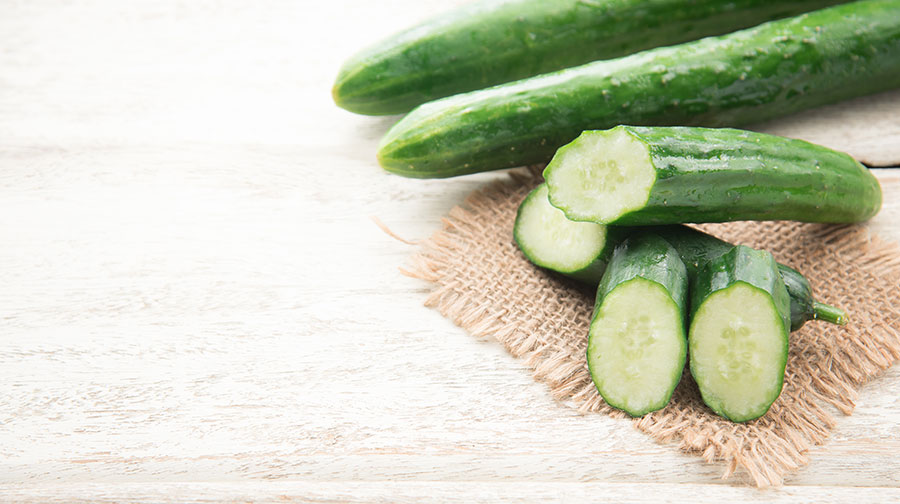
Cucumbers are about 97% water, making them the food with the highest water content. In addition to providing the body with hydration, they also aid in eliminating toxins from the body and are a great source of magnesium and potassium. You can enjoy them in salads or as a snack.
Watermelon is considered a food rich in nutrients and low in calories. About 95% of its content is water and it’s full of electrolytes, which helps prevent dehydration. In addition, watermelon contains a large amount of vitamins A, B6 and C, minerals and antioxidants. Watermelon contains the highest level of lycopene than any other fruit or vegetable. Lycopene is considered a powerful antioxidant that can help protect the body’s cells from harm.

Strawberries are made of 92% water. They are low in calories and like other berries, are rich in antioxidants, vitamins B and C, calcium and potassium.

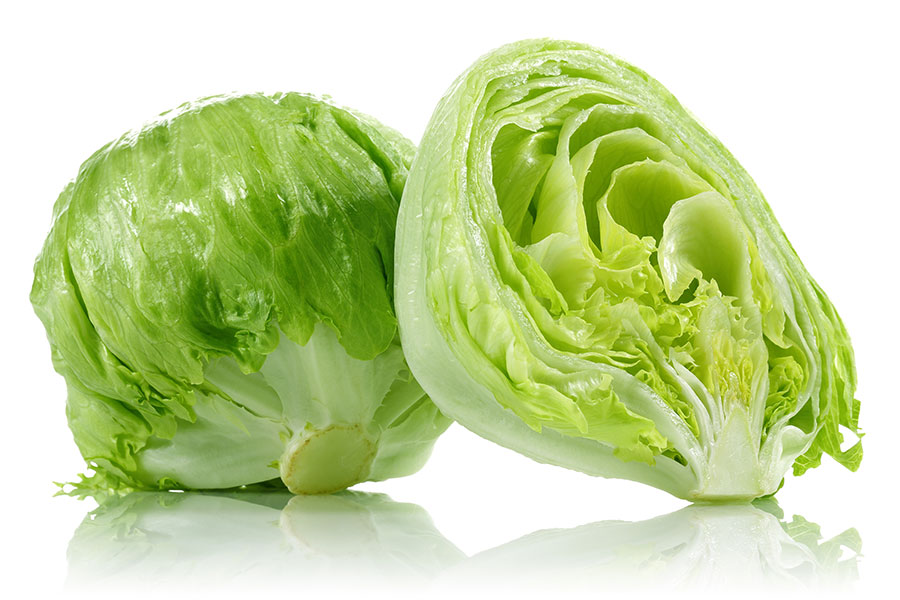
Iceberg lettuce is made of 96% water. Not only will it help quench our thirst, but it will also satiate our hunger.
Peaches contain approximately 88% water. They are rich in fiber, potassium, vitamin C and choline, all substances that support our heart health.

Spinach is about 92% water, making it especially beneficial in keeping you hydrated. Spinach is also rich in magnesium, potassium, and B-vitamins, all of which are known to increase energy.

Celery has a water content of about 95%. It also has natural salts that help to replenish levels of sodium, potassium, magnesium, calcium, phosphorus, iron and zinc in the body.

Questions provided by Mayra Suarez, Senior Media Relations Representative at Kaiser Permanente Southern California.
Does liberally salting your food help you pump more iron in the gym? Registered Dietitian, Debbie James, investigates the claims!
Proper hydration helps your body function, but did you know it can also improve your mood and focus? Read on for some tips on how to give your body the water it needs and how to test if you’re getting enough.
Looking for ways to stay hydrated this summer? Check out our tips on ways to stay hydrated and the seven foods that can help with this.