Sweet Potatoes as Good Sources of Energy? Fact or Fiction
Are sweet potatoes pre-workout the energy source your body needs? Our registered dietitian weighs in on this complex carbohydrate.



I have a question on sweet potatoes. Someone told me that eating one sweet potato before a workout is a great source of energy and it does not contain any bad cholesterol. What is your take on this?
– Nick C.

Sweet potatoes are a great source of energy! They are full of complex carbohydrates (25 grams = 100 calories) for lasting fuel with a little protein (approx. 2 grams per cup). Sweet potatoes do not contain any cholesterol or saturated fat. They have a good fiber content, providing 4 grams per medium potato, which is beneficial for watching your cholesterol.
They are so easy to microwave and eat with a spoon right from the peel when sliced length-wise. No condiments needed! Kept cold, chunks of cooked sweet potato can be dressed up to make savory or sweet. Avoid fried sweet potato pre-workout as you don’t need the added fat slogging you down and hampering performance.
Resource:
– Debbie J., MS, RD
This article should not replace any exercise program or restrictions, any dietary supplements or restrictions, or any other medical recommendations from your primary care physician. Before starting any exercise program or diet, make sure it is approved by your doctor.
Some questions have been edited for length and/or clarity.
 Have a nutrition question? Our registered dietitian is ready to help!
Email nutrition@lafitness.com or submit your question below and it may be featured in an upcoming article!
Are sweet potatoes pre-workout the energy source your body needs? Our registered dietitian weighs in on this complex carbohydrate.
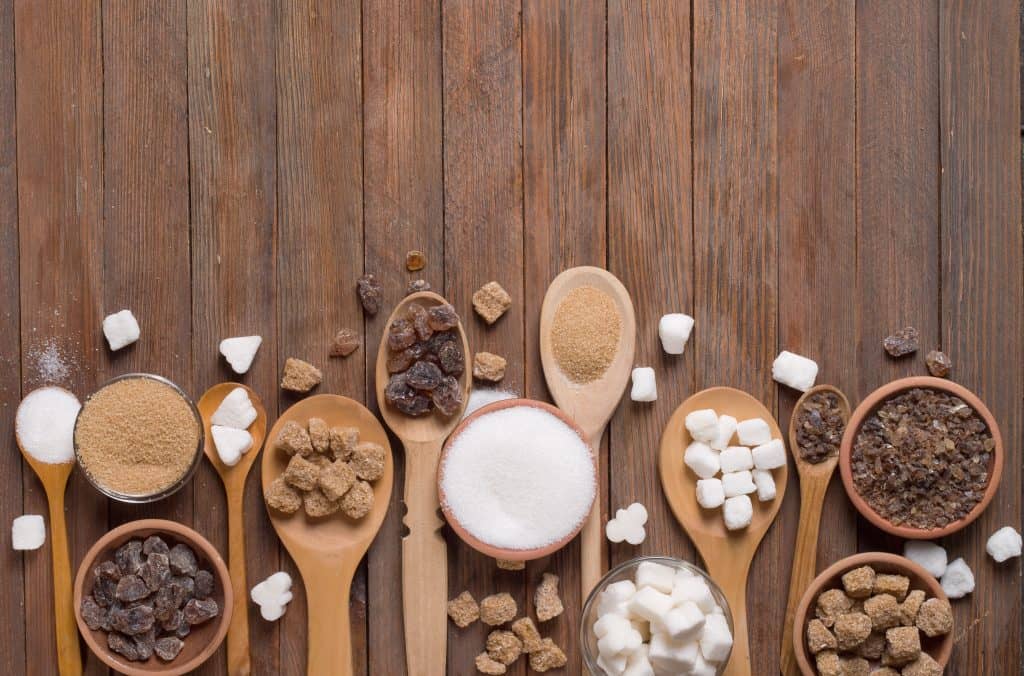
Learn helpful nutrition tips from the LA Fitness Living Healthy blog. Discover whether or not cutting sugar intake is the healthy way for you to go.


I have a question about quitting sugar. I’m coming across much conflicting information about refined sugar and its role in our diet.
I’m a 33 year old guy who lifts 3 times per week and runs almost every day, so my activity level renders my caloric intake to be higher than the average person. I’d like to get leaner, and I know I’m supposed to be in a calorie deficit, so I heard getting rid of processed sugar will help with that. Thing is, I came across a lot of bodybuilders saying the importance of sugar post-workout, but even though I consume sugar then, my cravings for it go beyond that.
I’ve heard that as long as the carbs I eat fit my macros, it doesn’t matter what type of carbs I eat, whether be it sweet potatoes or ice cream. And to be honest I feel better and more satisfied after eating processed sugar many times rather than eating something healthier like brown rice.
So what’s the verdict? Would I be better off to minimize sugar and stick with the lower glycemic carbs, or abide by the “If It Fits Your Macro” protocol?
– Andrew P.

There is some truth in what you’ve heard, but you know your body best. “Healthy” carbohydrates alone may not be satisfying to you as they are often naturally without heartier companion fats or proteins. It would take four apples to give you the same energy as a cup of ice cream! Likewise, it makes sense if steamed brown rice may leave you wanting more versus a tasty side of lo mein (flour egg noodles in sauce).
You know that you need to reduce caloric intake or increase expenditure to get leaner. You are active and acknowledge that you eat more than the average person. The question as to where those deficit calories should come from depends on how much of your current intake is refined sugar and how healthy your overall diet is.
How Much Sugar Should You Have in a Day?
Analyze a few day’s intake with a good diet software program to give you an idea of your overall calories, added sugar, and saturated fat (another negative source of high calories). Are you getting the recommended minimum 25 grams of fiber daily? From there, you can determine if you can replace some processed foods with more wholesome choices. Small changes or reducing portions may be more effective than swapping out major items in your diet.
Furthermore, you can’t effectively reach a caloric deficit only sticking to the lowest glycemic carbs if it creates over-eating elsewhere. Like a rebound effect, deprivation or underfeeding can easily lead to compensating with higher energy intake from other sources. Switching to sugar-free puffed rice cereal only to pile on the bacon or overeat at lunch later is not going to get you to your goal.
Refined sugar is not good for you compared to natural sources. That said, it’s not a realistic expectation to have a diet completely devoid of any added sweeteners. Omitting a candy bar to make room for an apple with peanut butter is wise – however, skipping an afternoon protein shake because it has a mere 7 grams of sucrose may be detrimental to your evening workout. Try leaving in the added sugars that compliment otherwise healthy food (e.g., brown sugar on oatmeal, honey for yogurt, dressing for coleslaw) and instead, focus on reducing the big culprits in your diet (typically beverages, baked goods and dairy desserts).
– Debbie J., MS, RD
This article should not replace any exercise program or restrictions, any dietary supplements or restrictions, or any other medical recommendations from your primary care physician. Before starting any exercise program or diet, make sure it is approved by your doctor.

Have a nutrition question? Our registered dietitian is ready to help!
Email nutrition@lafitness.com or submit your question below and it may be featured in an upcoming article!

Want more? SUBSCRIBE to receive the latest Living Healthy articles right in your inbox!