What Is a Good Alternative to Grains? | Q+A
Check out our list of selected non-grain plant foods highest in methionine, given in common portions/(gram weight) with corresponding protein content.


What is a good alternative to grains as a way to complement the protein in legumes? Legumes are nutrient dense in many ways, including protein. But legume protein is low in methionine, an amino acid that our bodies cannot make. For this reason legumes have traditionally been combined with grains, which are high in methionine. Grains are low in another amino acid our bodies cannot make, lysine. Legumes are high in lysine. For this reason, legume and grain proteins are said to be complimentary. But if I am considering a long term dietary shift away from grains, I cannot be reassured by that. We still need to combine our proteins well over the course of several days. Unfortunately, grains are not a nutrient dense food. They are very high in starch and low in phytonutrients. So, what are some nutrient dense sources of methionine and cysteine? Or, in simpler terms, what is a good alternative to grains as a way to compliment legume protein?
– Benjamin H.

Vegan diets do tend to be low in methionine1, one of the essential amino acids. Interestingly enough, it’s actually proposed that a lower methionine intake is better for longevity1.
The World Health Organization recommends the adult dietary requirement is 10.4 mg of methionine per kg body weight per day to cover obligatory oxidative loses2. Whereas the US Recommended Dietary Allowances combine the methionine requirement with cysteine (a non-essential amino acid) for a total of 19 mg combined of methionine and cysteine/kg/day3. In plant foods, there are about equal amounts of methionine and cysteine.
“Wheat and rice proteins are comparatively low in lysine but better sources of methionine whereas beans and peas are relatively high in lysine yet in lower methionine.” — www.vegsoc.org/protein
Here are selected non-grain plant foods highest in methionine, given in common portions/(gram weight) with corresponding protein content4:
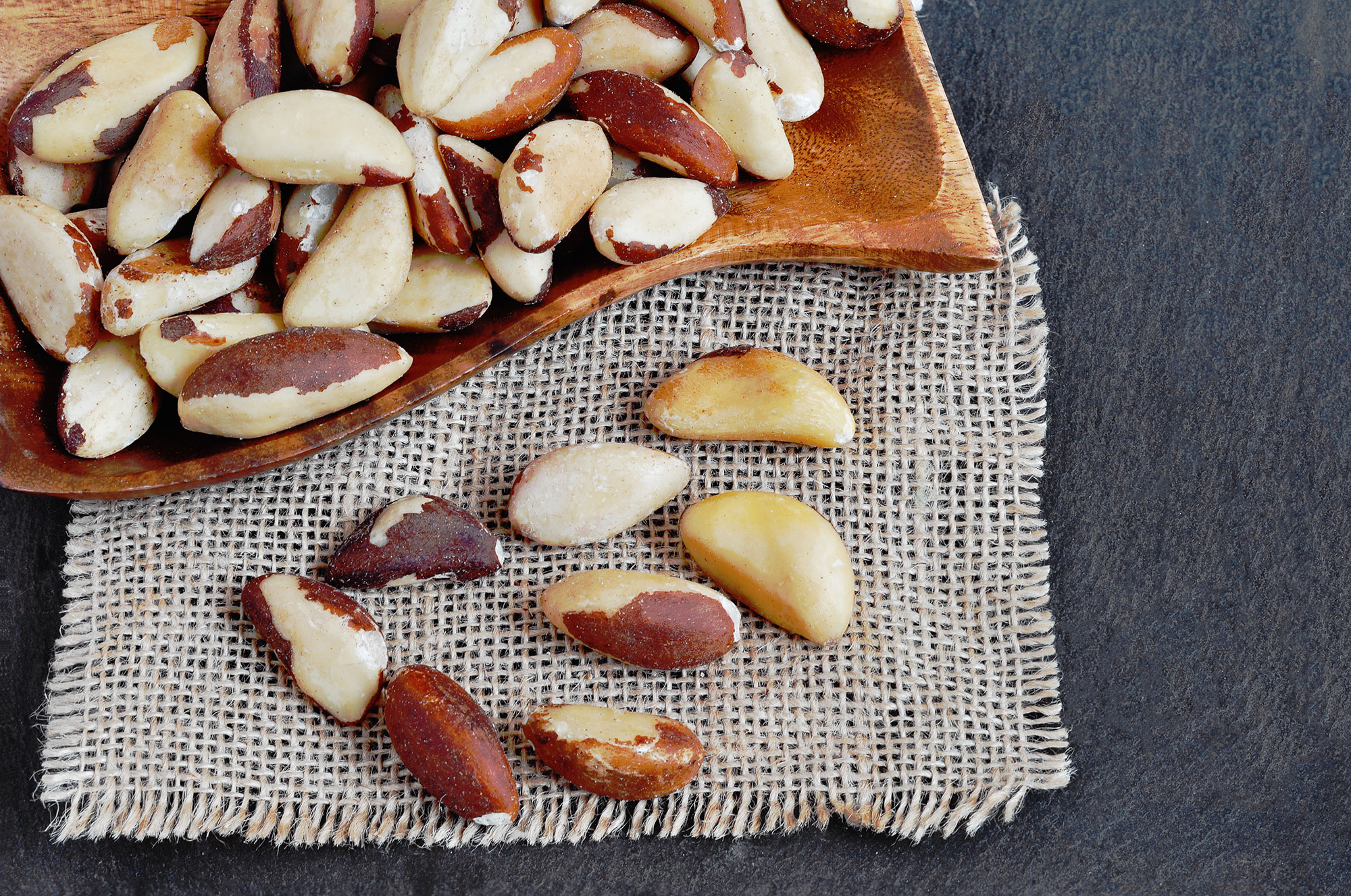
Brazil nuts, dried
Soybeans, boiled
Chia seeds, dried
White beans, canned
Sunflower seed kernels, dry roasted
Russet potato, baked w/ skin
Chickpeas/Garbanzo, canned
Peanuts, Spanish
Red potato, baked w/ skin
Spinach, cooked
Coconut milk, canned
Peaches, dried
Turnip greens, cooked from frozen
Corn kernels, cooked from frozen
Avocado, California
Spinach, boiled
Brown mushrooms, raw
Broccoli, cooked chopped
Raw seaweed spirulina
Asparagus, cooked
Zucchini
Cauliflower
Spinach, raw
373 mg in ¼ C (33g)
192 mg in ½ C (86g)
167 mg in 1 oz (28 g)
143 mg in ½ C (131g)
134 mg in ¼ C (32g)
123 mg in large 3-4” (299g)
118 mg in ½ C (127g)
117 mg in ¼ C (36g)
105 mg in large 3-4” (299g)
99 mg in 1 C (180g)
86 mg in 1 C (226g)
70 mg in ½ C (80g)
62 mg in ½ C (82g)
59 mg in ½ C (70g)
48 mg in 1 fruit (130g)
49 mg in ½ C (90g)
42mg in 1 C (87g)
34 mg in ½ C (78g)
33 mg in 1 oz (28 g)
31 mg in ½ C (90g)
18 mg in ½ C (116mg)
16 mg in ½ C (62g)
16 mg in 1 C (30g)
4.75 g protein
15.5 g protein
4.5 g protein
9.5 g protein
6 g protein
8 g protein
9 g protein
9.5 g protein
7 g protein
5 g protein
4.5 g protein
3 g protein
2.5 g protein
2.5 g protein
2.5 g protein
2.75 g protein
2 g protein
2 g protein
2 g protein
2 g protein
1 g protein
1 g protein
1 g protein
Our vegetarian audience may also be interested in a thorough discussion at http://www.veganhealth.org/articles/protein and some of our previous articles below for protein information.
References:
– Debbie J., MS, RD
This article should not replace any exercise program or restrictions, any dietary supplements or restrictions, or any other medical recommendations from your primary care physician. Before starting any exercise program or diet, make sure it is approved by your doctor.
Some questions have been edited for length and/or clarity.
 Have a nutrition question? Our registered dietitian is ready to help!
Email nutrition@lafitness.com or submit your question below and it may be featured in an upcoming article!
Check out our list of selected non-grain plant foods highest in methionine, given in common portions/(gram weight) with corresponding protein content.