What to Eat for Rapid Weight Loss
For structure, you could follow a moderate diet plan providing no fewer than 1500 calories a day. We offer a sample daily diet plan.


I currently weigh 270 lbs. and I’m looking to lose at least 70 lbs. I’m trying to lose at least 5 lbs. per week. What should I eat and how much?
– Niesha G.

Your specific diet for rapid weight loss would need to be developed one-on-one with a dietitian, preferably in conjunction with a medical professional. I can say that we’ve addressed similar requests in the past – and the answer is different for each unique person.
Though it’s certainly plausible the scale could drop 5 pounds each of the first few weeks, it’s likely most of that weight would be water loss. Unless you are burning an extra 2,000 calories (a week’s worth of exercise!) daily there wouldn’t be an energy deficit great enough to promote fat burning to that extent.
So… I’d say to focus on your first 10-15-pound reduction by reducing portions, eliminating fried foods, alcohol, and sweets. For structure, you could follow a moderate diet plan providing no fewer than 1,500 calories a day. Whether it’s Mediterranean style, lower carbohydrate, high fiber or 6 mini-meals, adhering to a regimen for a couple of months forces you to plan, shop and prepare for everything you eat.
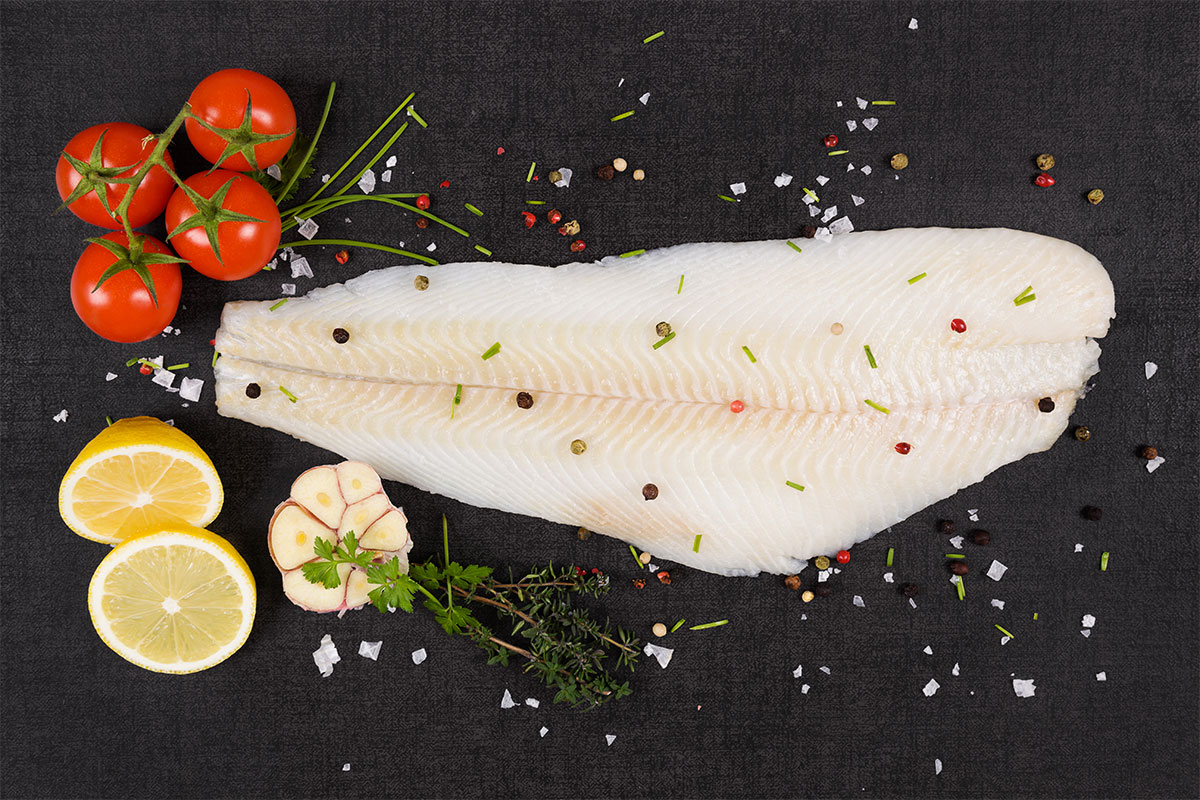
Here’s just one sample 1,500 calorie day of familiar American foods to get your started*:
Analysis on www.FitDay.com by a Registered Dietitian Nutritionist = 28% Protein, 28% Fat, 44% Carbohydrate, 25 gm Fiber * Findings were used along with RDN’s professional judgment.
– Debbie J., MS, RD
This article should not replace any exercise program or restrictions, any dietary supplements or restrictions, or any other medical recommendations from your primary care physician. Before starting any exercise program or diet, make sure it is approved by your doctor.
Some questions have been edited for length and/or clarity.
 Have a nutrition question? Our registered dietitian is ready to help!
Email nutrition@lafitness.com or submit your question below and it may be featured in an upcoming article!
For structure, you could follow a moderate diet plan providing no fewer than 1500 calories a day. We offer a sample daily diet plan.

Is it OK to indulge every once in awhile? Our registered dietitian weighs in & lets us know what type of healthy indulgences may help satisfy our cravings.

Having an appetite is normal, friends. We all want a little permission to eat according to that appetite sometimes, especially when we’ve made changes to our diets. The key is doing so while maintaining progress toward our health and physique goals. Like spending money when on a budget, you may need to make compromises and sacrifices when you want to splurge.
First, let’s understand the ‘budget’ – your self-imposed diet. It’s okay to make healthy changes such as moderately restricting intake for calorie reduction or cleaning up a diet that is full of processed foods or high in fat. On the other hand, intense restrictions* or abstinence from favorite foods are often followed by gorging/binging when those eating restrictions are lifted. Gluttony and over-indulgence not only mean excessive calories, but may lead to guilt.
Instead of telling yourself that you’re “following” a diet or “cheating” on it, drop both terms, which infer that only 100% compliance is acceptable and create negative thoughts when you can’t adhere to diet requirements. You should feel good about your overall intent, specific diet plan and progress, while anticipating hiccups along the way. Day to day or week to week, we all have natural fluctuations in the amount we eat (and our body weight) that a new diet plan may not be able to override.
So now on to the relaxation part…
Many people successfully attain their goals while incorporating a little freedom to their eating. Balance is the key. One approach is the 80/20 rule, where a very healthy diet is eaten 80 percent of the time so that 20 percent of the time a more relaxed diet can be consumed. In terms of days of the week, that 20% would account for about 1.5 days. Another method used to balance indulgence with restriction is to choose one discretionary food per day — a pre-planned sugary, fatty or alcoholic item. In fact, incorporating a moderate amount of a favorite food may help obese individuals achieve success in the long run, by avoiding some of the aforementioned rebound excessive eating.

Here are some specific suggestions for healthy indulgences:



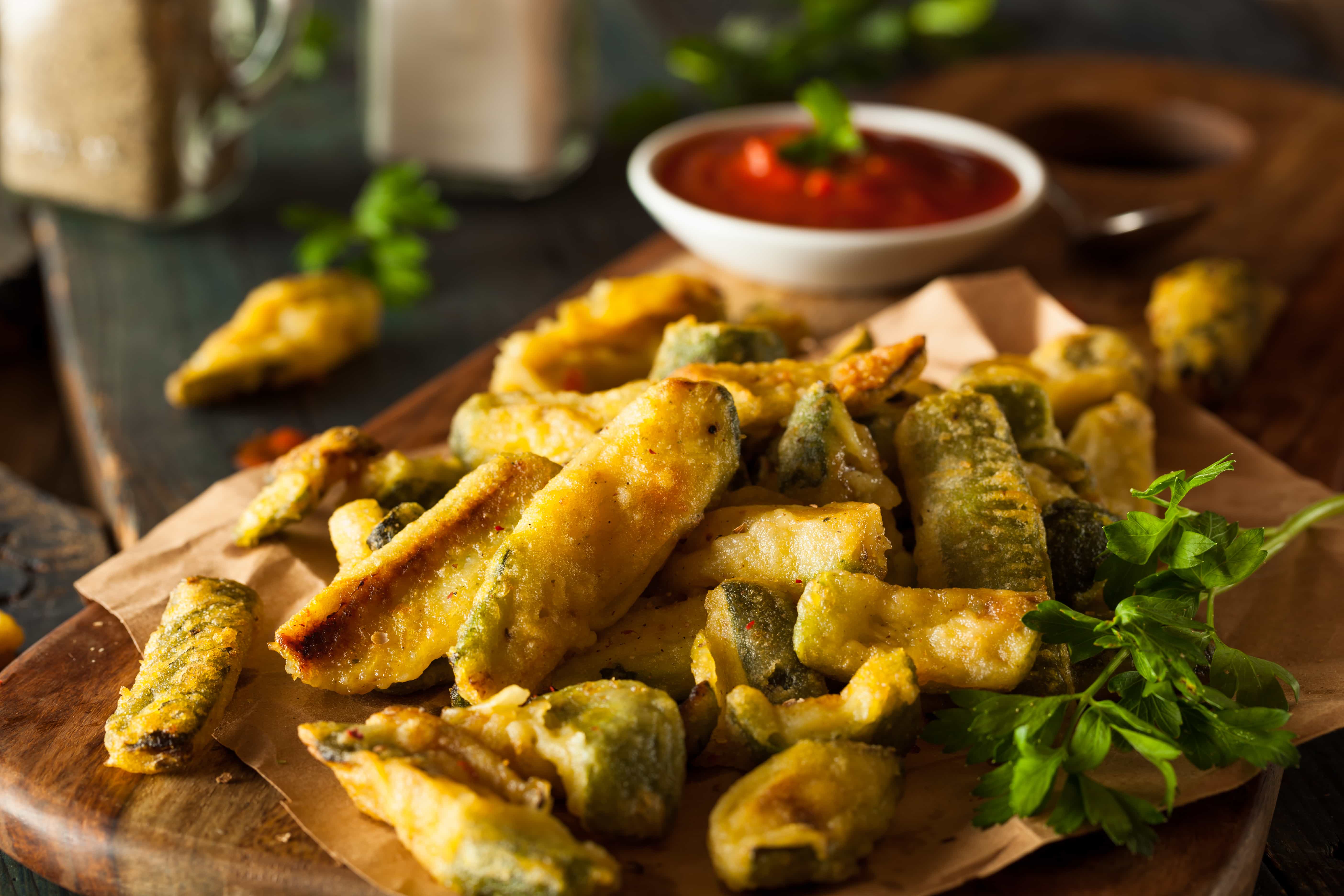
Tips for maintaining progress while relaxing your diet:
*If you think you may have an unhealthy obsession or preoccupation with your diet or an inflexible or rigid eating behavior which impacts your well-being (physical, social, emotional, financial), you should seek out the assistance of an expert in disordered eating. To find one, call NEDA 1-800-931-2237 (US) or NEDIC 1-866-633-4220 (Canada).
Disclaimer: This blog post should not be construed as medical advice. Do not attempt to change your diet, fitness routine, or any other activity related to your health without first obtaining the advice of a medical professional.
References:
Mind over platter: pre-meal planning and the control of meal size in humans. JM Brunstrom.
International Journal of Obesity, 2014. 38, S9–S12.
Psychological Consequences of Food Restriction. Janet Polivy. Journal of the American Dietetic Association, June 1996. 96 (6): 589-592.

Want more? SUBSCRIBE to receive the latest Living Healthy articles right in your inbox!

Are you searching for “kickboxing near me”? Stop the search party because you’ve struck fitness gold with Kickbox Cardio classes at LA Fitness. These classes aren’t just a workout, but an experience. With classes designed to kick, punch, bob, and weave your way to a...

Incorporating cardio exercises between sets, also known as ‘cardio-acceleration’, is a revolutionary way to maximize your workout efficiency. This technique involves performing short bursts of cardio exercises, usually lasting 30-60 seconds, in between your strength...

In today’s fast-paced world, finding balance and maintaining mental and physical health can be challenging. However, combining exercise and mindfulness offers a powerful approach to achieving holistic well-being. Let’s explore how these practices complement each other...