Bulking on a Clean Diet | QA

Bulking on a Clean Diet | QA

Question:

Hi, my name is Nigel and I was wondering if you could help me with eating tips for someone trying to clean bulk. Thanks.

– Nigel A.

Answer:

As a dietitian I interpret your inquiry as you’d like advice for bulking up on strictly a ‘clean’ diet. Bulking up without gaining fat pretty much means eating a clean diet, anyway. 

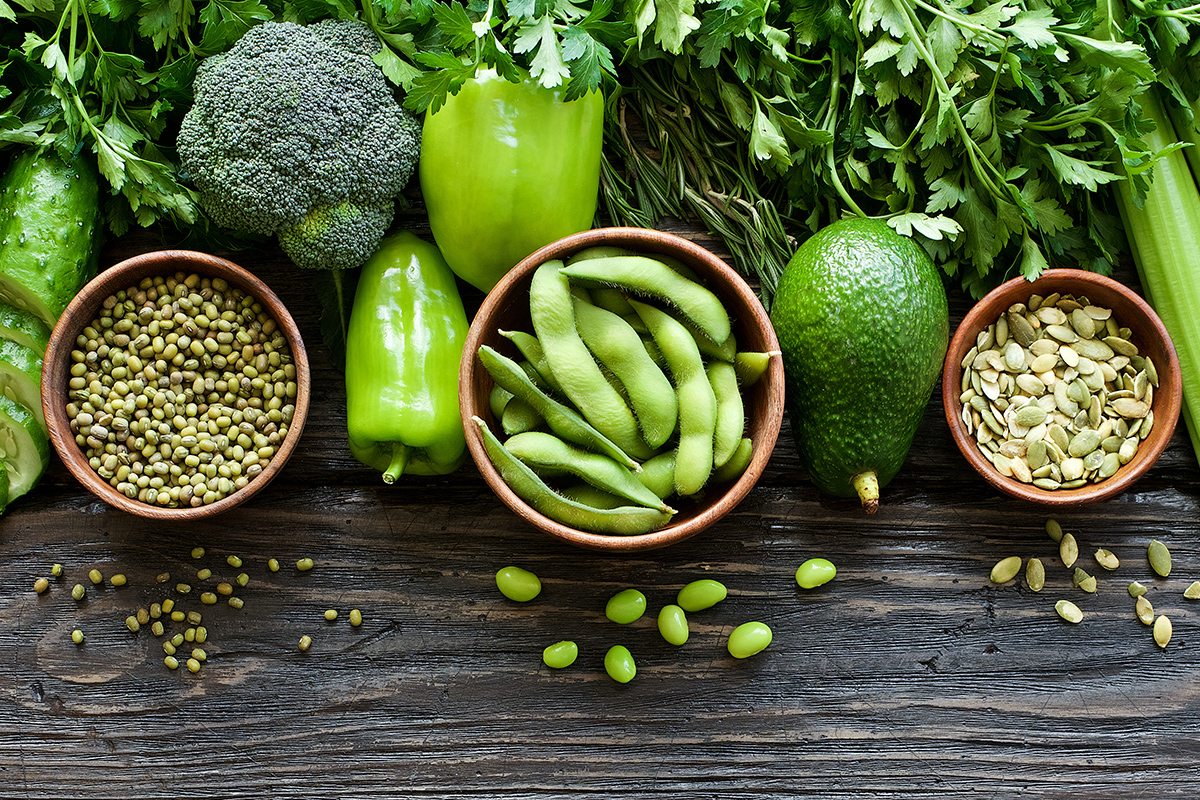
Clean foods – those that are raw or minimally processed – include energy dense foods like avocados, banana, coconut, fatty fish, meats, nuts, extra virgin olive oil, poultry dark meat, seed butters, and soybeans which can help you put on weight. Muscle weight if resistance training consistently, of course. Starchy vegetables like corn, potatoes, peas and winter squash and (naturally) dried fruit provide more energy per bite than watery ones. Other higher calorie foods (by weight) such as granola/trail mix, pesto and cottage cheese can be made from scratch if raw/unprocessed is desired. Incorporating eggs and quinoa helps to keep protein intake up. 

Resources: 

  1. Dold, K. (2017, July 28) The 13 Most Basic Rules of Clean Bulking https://www.mensjournal.com/health-fitness/eight-essential-rules-clean-bulk/ Accessed 1.10.2020 
  2. Geiger, B. (2018, Oct. 16) The Clean Bulk: A New Approach To Adding Offseason Muscle https://www.bodybuilding.com/content/the-clean-bulk-a-new-approach-to-adding-offseason-muscle.html Accessed 1.10.2020 

– Debbie J., MS, RD

This article should not replace any exercise program or restrictions, any dietary supplements or restrictions, or any other medical recommendations from your primary care physician. Before starting any exercise program or diet, make sure it is approved by your doctor.

Some questions have been edited for length and/or clarity.

Ask our Dietitian

Have a nutrition question? Our registered dietitian is ready to help!

Email nutrition@lafitness.com or submit your question below and it may be featured in an upcoming article!

13 + 3 =


Recommended Reading - Q+A

Good carbs vs bad carbs
Debunking Diet Myths

Debunking Diet Myths

With so many sources offering nutrition advice, it’s hard to know what’s true. Even factual information can become distorted by the time it reaches you. Like a game of telephone, the message often changes as it’s passed along. Here, we debunk 5 common diet myths to...

The Right Recovery Drink for Your Workout | QA

The Right Recovery Drink for Your Workout | QA

Question:

What is the best type of recovery drink that can help my muscles recover quicker from exercising?

– David A.

Answer:

The optimum content of your recovery drink depends on the type of exercise, intensity and duration.  

  • For heavy resistance training you’ll want 10 to 20 grams quick-delivery protein, such as from concentrated whey, casein, albumin or soy in powdered or liquid form to prevent muscle breakdown and enhance repair. Micro-fractionated isolated protein, peptides or amino acids might be suitable after an extended weights workout. Still, some carbohydrate helps ‘push’ that protein into muscle cells where it’s needed. 
  • For an hour’s worth of high intensity interval training (HIIT) or circuit training which incorporate both aerobic work and strength, a diluted yogurt and fruit smoothie might be suitable. It has carbohydrates to replete, plus some protein and electrolytes to combat muscle soreness. 
  • For exercise that is lower intensity, such as for fitness or endurance, a glass of chocolate milk or protein-enhanced juice will help replenish electrolytes and glycogen stores

Stop by your club’s juice bar to see what’s likely to fit into your recovery nutrition. No matter what you choose, remember to consider portion/energy since some shakes can contain over 300 calories and may surpass what was burned during the exercise

– Debbie J., MS, RD

This article should not replace any exercise program or restrictions, any dietary supplements or restrictions, or any other medical recommendations from your primary care physician. Before starting any exercise program or diet, make sure it is approved by your doctor.

Some questions have been edited for length and/or clarity.

Ask our Dietitian

Have a nutrition question? Our registered dietitian is ready to help!

Email nutrition@lafitness.com or submit your question below and it may be featured in an upcoming article!

2 + 8 =


Recommended Reading - Q+A

Good carbs vs bad carbs
Debunking Diet Myths

Debunking Diet Myths

With so many sources offering nutrition advice, it’s hard to know what’s true. Even factual information can become distorted by the time it reaches you. Like a game of telephone, the message often changes as it’s passed along. Here, we debunk 5 common diet myths to...

Micronutrients: How Much Do I Need? | QA

Micronutrients: How Much Do I Need? | QA

Question:

Good evening. I am a 53-year-old male and I was hearing that I should be taking fish oil, a multivitamin, B-12, vitamin D, magnesium, and creatine. Do you agree? And what do you recommend in terms of dosage for the fish oil, vitamin d, magnesium and creatine? Do you recommend any others as well? 

Thank you for your time.

– Jeff 

Answer:

If your multivitamin (usually has minerals too) supplement provides close to 100% of the Daily Value for micronutrients, then you probably don’t need additional vitamin B12 or D. Most “once daily” multi’s are meant to cover the bases of micronutrient needs, but they vary greatly. A quick glance at a few widely available products (Centrum for Men, One a Day Men’s Formula, Nature Made Multi for Him) reveals they are rather low in magnesium, which is on purpose because the risk of toxicity is greater from supplemental magnesium than from foods. Though the Daily Value for magnesium is 420 mg for men, the maximum advised from supplements is only 350 mg daily1. Get the remainder of your magnesium intake from good sources such as almonds, spinach, cashews, peanuts, shredded wheat cereal, soymilk, black beans, edamame, peanut butter, wheat bread, avocado, baked potato, brown rice and plain yogurt1. 

Fish oil contains the omega-3 fatty acids, eicosapentaenoic acid (EPA) and docosahexaenoic acid (DHA). There is no set Adequate Intake for EPA and DHA, only for another omega-3: alpha lipoic acid (ALA) from plant sources2. It’s recommended to eat fish twice per week and walnuts, chia seed or flaxseed daily to obtain omega-3 naturally from the diet. Generally, a combined EPA+DHA dose of 300-500 mg per day is suggested for anti-inflammation but higher levels may be warranted for certain health conditions. For cardio protection there may be benefit for African-Americans and non-fish eaters to take 1,000 mg supplemental omega-3 daily3, and higher doses by prescription. 

Creatine works by providing ready energy for muscle contractions in the form of ATP. Whether or not you’d benefit from a creatine supplement depends on your exercise routine and goals. About 3-6 grams pre-workout has been shown to increase creatine stores and affect strength gains accompanying weight training4, and is relatively safe to take. You can get creatine from protein-rich foods and your body makes some, thus it’s not worth supplementing if you don’t participate in short duration high-intensity resistance exercise.  

References: 

  1. Magnesium – Health Professional’s Fact Sheet. (October 11, 2019) Retrieved from https://ods.od.nih.gov/factsheets/Magnesium-HealthProfessional/  Accessed 12.30.2019
  2. Omega 3 Fatty Acids – Health Professional’s Fact Sheet. (October 17, 2019) Retrieved from https://ods.od.nih.gov/factsheets/Omega3FattyAcids-HealthProfessional/ Accessed 12.30.2019 
  3. Harvard Women’s Health Watch (April, 2019) Should You Be Taking An Omega-3 Supplement? https://www.health.harvard.edu/staying-healthy/should-you-be-taking-an-omega-3-supplement  Accessed 12.30.2019 
  4. Hall, M and Trojian, TH. Creatine Supplementation. Current Sports Medicine Reports. July/August 2013; 12(4): 240–244.  doi: 10.1249/JSR.0b013e31829cdff2 

– Debbie J., MS, RD

This article should not replace any exercise program or restrictions, any dietary supplements or restrictions, or any other medical recommendations from your primary care physician. Before starting any exercise program or diet, make sure it is approved by your doctor.

Some questions have been edited for length and/or clarity.

Ask our Dietitian

Have a nutrition question? Our registered dietitian is ready to help!

Email nutrition@lafitness.com or submit your question below and it may be featured in an upcoming article!

12 + 5 =


Recommended Reading - Q+A

Good carbs vs bad carbs
Debunking Diet Myths

Debunking Diet Myths

With so many sources offering nutrition advice, it’s hard to know what’s true. Even factual information can become distorted by the time it reaches you. Like a game of telephone, the message often changes as it’s passed along. Here, we debunk 5 common diet myths to...

What to Do When Weight Loss Stalls | QA

What to Do When Weight Loss Stalls | QA

Question:

Are you able to help me with calorie recommendations? In the last 8 months I have lost almost 60 pounds through diet. I started going to the gym 4-5 days a week and seeing a trainer 1 day a week. My weight loss has virtually stalled in the past month. I don’t know if my calories are too high or too low.   

I am a 57-year-old male and I currently weigh 254 pounds. I am eating between 1,400 and 1,800 calories a day. Based on the online diet calculations I should be eating 1,900 calories a day to lose 2 pounds a week. I use Apple Watch to track calories and usually burn between 400 and 800 calories a day more in exercise calories. I never eat back the exercise calories. Thanks for your thoughts. 

Doug S. 

Answer:

A brief month stall is a blink in your profound progress over the last year, Doug. It sounds like your metabolism has adapted to the diet and exercise routine you’ve set up. Time to shake things up!  

What your calories are comprised of makes a big difference in whether you’ll store or burn fat. Since you’ve already done the math and determined your intake is lower than suggested, I’d say try adding a couple hundred calories in vegetables, legumes and pre-workout shakes or recovery drinks on exercise days. Don’t add more if you feel satisfied at your present intake. 

Assuming your training workouts are progressing, focus on amping up your gym visits on the other days. You may benefit from a new exercise like a high intensity interval training (HIIT) class, harder weights/resistance, or increased cardio duration. Also look at your daily activity outside the gym and try to increase movement whenever possible.  

Remember that weight loss and body composition change aren’t linear, but usually occur with ups and downs. The fact that you are consistent in your exercise routine and dietary tracking means you’re very likely to see results again soon. Read more about overcoming plateaus in the Living Healthy blog, here and here. 

– Debbie J., MS, RD

This article should not replace any exercise program or restrictions, any dietary supplements or restrictions, or any other medical recommendations from your primary care physician. Before starting any exercise program or diet, make sure it is approved by your doctor.

Some questions have been edited for length and/or clarity.

Ask our Dietitian

Have a nutrition question? Our registered dietitian is ready to help!

Email nutrition@lafitness.com or submit your question below and it may be featured in an upcoming article!

10 + 5 =


Recommended Reading - Q+A

Good carbs vs bad carbs
Debunking Diet Myths

Debunking Diet Myths

With so many sources offering nutrition advice, it’s hard to know what’s true. Even factual information can become distorted by the time it reaches you. Like a game of telephone, the message often changes as it’s passed along. Here, we debunk 5 common diet myths to...

Which Supplements Can I Take as a Diabetic? | QA

Which Supplements Can I Take as a Diabetic? | QA

Question:

As a newly diagnosed diabetic, what supplements can I take that will not spike my blood sugar? 2 months ago, I started a cardio program at home, but I want to start weight training.

-Jose

Answer:

Kudos to rounding out your exercise routine!

To narrow down an answer, I’ll have to assume you are asking about pre-workout powders, meal replacement bars, recovery shakes and other sports/body-building supplements with macronutrients (carbohydrate, fat, and protein) not individual compounds, like stimulants. Caffeine may reduce sensitivity of insulin and raise blood sugar levels.  

Generally, single servings of products with only protein and fat shouldn’t raise blood sugar levels. Many “keto-safe” protein shakes, powders and bars fall into this category. Still, they are designed for fast digestion and absorption, making a quicker impact on insulin levels than whole foods which take longer to consume and digest. Consider making your own protein beverages to drink pre and post workout. 

Products with any sugar present should also have fiber plus a balance of protein and fat, to prevent blood sugar spikes. Check the nutrition facts panel for gram levels of these. There are no magic numbers, but I would recommend avoiding products with half of total carbohydrates from sugar and those with more than 10 grams of sugar per serving. You should look at what you’re eating between meals, too. Several snack bars are promoted for those with diabetes. 

Unfortunately, there are no guarantees how your blood sugar will respond to even the most low-risk caloric supplement. No matter what supplements you take, always follow the usage directions on the product package. 

– Debbie J., MS, RD

This article should not replace any exercise program or restrictions, any dietary supplements or restrictions, or any other medical recommendations from your primary care physician. Before starting any exercise program or diet, make sure it is approved by your doctor.

Some questions have been edited for length and/or clarity.

Ask our Dietitian

Have a nutrition question? Our registered dietitian is ready to help!

Email nutrition@lafitness.com or submit your question below and it may be featured in an upcoming article!

9 + 8 =


Recommended Reading - Q+A

Good carbs vs bad carbs
Debunking Diet Myths

Debunking Diet Myths

With so many sources offering nutrition advice, it’s hard to know what’s true. Even factual information can become distorted by the time it reaches you. Like a game of telephone, the message often changes as it’s passed along. Here, we debunk 5 common diet myths to...