Portion Control is Essential

Portion Control is Essential

Question:

I am trying to lose 10 pounds. What would you suggest eating every day for breakfast and dinner? I have tried multiple things like oatmeal, rice, and chicken, etc. I think my problem is that I eat too many calories during the day.

– Aubrey H.

Answer:

You’re requesting suggested breakfasts and dinners to eat repeatedly day-in and day-out, though your stated problem seems to be you eat too much during the day. If your schedule and environment don’t allow you to plan or prepare for a balanced lunch or to prevent mindless snacking, that is something you need to address! Controlling the start and conclusion of your day makes sense for now.  I always recommend a variety of foods for the most optimal nutrition as only one combination won’t provide all the nutrients required on limited calories.

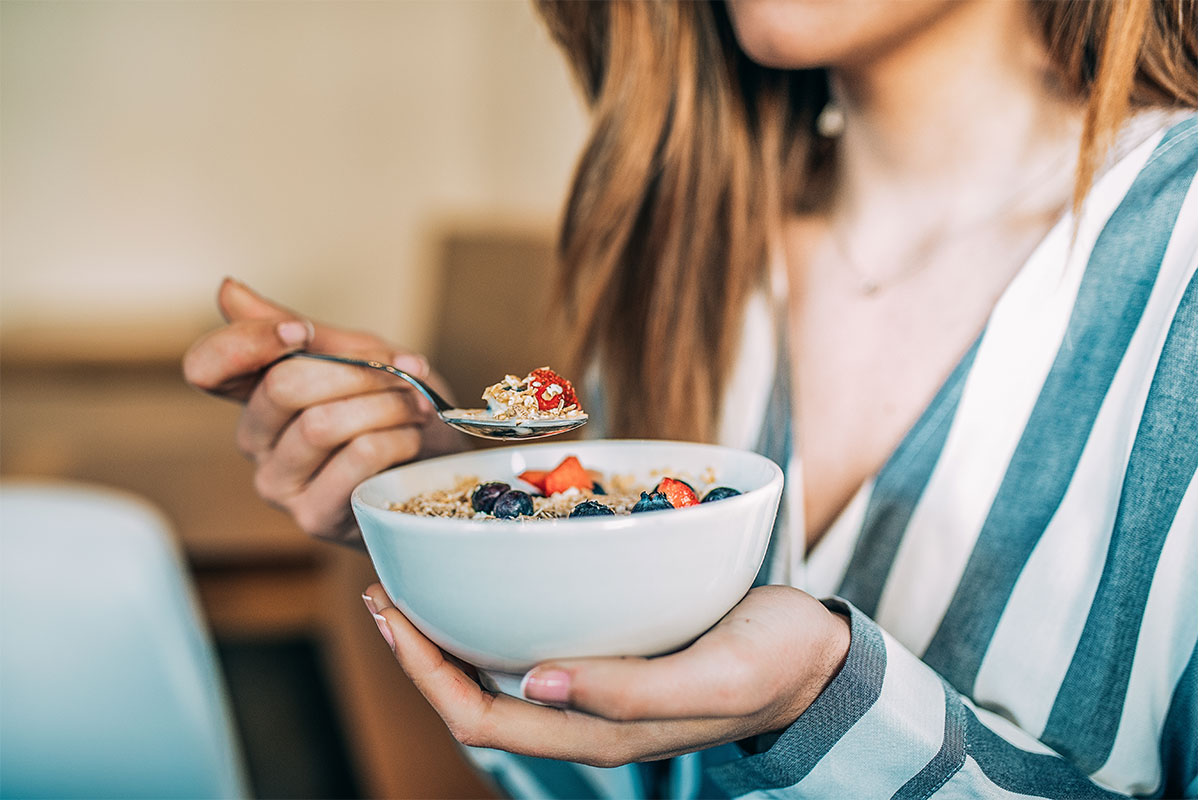
That said, oats are a great beginning and offer a myriad of ways to be served – just think of the toppings! They can be served spiced with cinnamon and apples or nutty with chia seeds, honey, and sliced almonds. Oats are filling and may help you desire less food later. Choose a heartier steel cut or stone-ground oats for more whole grain fiber.

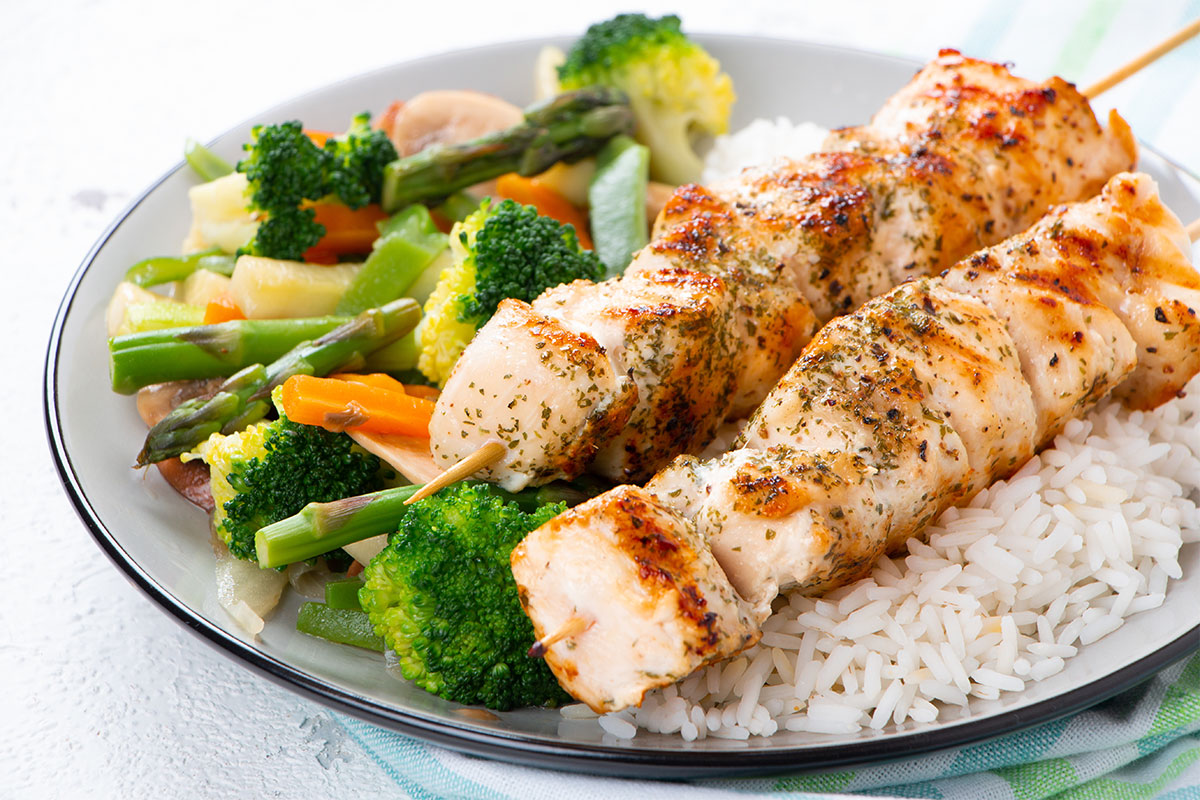
Chicken is a good choice to base your dinner around as well. It can easily be incorporated into pasta primavera, fajitas, or stir-frys. Almost every way beef, pork or fish can be served, chicken can take a similar form. Thoughts of barbequed chicken, baked homemade breaded tenders, and grilled skewered chunks come to mind. There are probably chicken recipes to last you all year without repeating!

Balancing the rest of your breakfast and dinner with other meal components (food groups) is essential for health. It’s important to remember that no matter what you choose, portions matter. If your appetite is not a reliable guide, try drinking more water before meals.

– Debbie J., MS, RD

This article should not replace any exercise program or restrictions, any dietary supplements or restrictions, or any other medical recommendations from your primary care physician. Before starting any exercise program or diet, make sure it is approved by your doctor.

Some questions have been edited for length and/or clarity.

Ask our Dietitian

Have a nutrition question? Our registered dietitian is ready to help!

Email nutrition@lafitness.com or submit your question below and it may be featured in an upcoming article!

6 + 15 =


Recommended Reading - Q+A

Good carbs vs bad carbs
Debunking Diet Myths

Debunking Diet Myths

With so many sources offering nutrition advice, it’s hard to know what’s true. Even factual information can become distorted by the time it reaches you. Like a game of telephone, the message often changes as it’s passed along. Here, we debunk 5 common diet myths to...

Help with Carb Intake Needed

Help with Carb Intake Needed

Question:

I need help with my carbs, please. I only allow 45 gm of carbs at each meal.

– Laura B.

Answer:

You are in company with other people who may need to count carbohydrates, often for blood sugar management. The focus would be on low glycemic choices. For a limit of 45 grams carbohydrate per meal you could roughly plan on 25 gm from grain/starch, 10 gm from fruit or milk, and 10 gm from non-starchy vegetables. Remember that use of certain condiments will necessitate corresponding reduction from your food total.

Here’s one example providing approx. 45 gm carbohydrate meals:

  • Breakfast: 8 oz. plain Greek yogurt, ¾ C raspberries, 1 medium white potato and ½ C peppers & onion as potatoes O’Brien (Tbsp oil)
  • Lunch: ½ C rice pilaf, fish fillet, 2 Tbsp tartar sauce, 1 pineapple ring, 1 C green beans
  • Dinner: 5” corn cob, 1 C broccoli, grilled chicken, grilled peach half, 6 fl. oz. milk

Analysis on www.FitDay.com by a Registered Dietitian Nutritionist = 135 gm total carbohydrate (42 breakfast, 47 lunch, 42 dinner) in 1850 calories. Findings were used along with RDN’s professional judgment.

– Debbie J., MS, RD

This article should not replace any exercise program or restrictions, any dietary supplements or restrictions, or any other medical recommendations from your primary care physician. Before starting any exercise program or diet, make sure it is approved by your doctor.

Some questions have been edited for length and/or clarity.

Ask our Dietitian

Have a nutrition question? Our registered dietitian is ready to help!

Email nutrition@lafitness.com or submit your question below and it may be featured in an upcoming article!

7 + 4 =


Recommended Reading - Q+A

Good carbs vs bad carbs
Debunking Diet Myths

Debunking Diet Myths

With so many sources offering nutrition advice, it’s hard to know what’s true. Even factual information can become distorted by the time it reaches you. Like a game of telephone, the message often changes as it’s passed along. Here, we debunk 5 common diet myths to...

The Best Foods to Consume Pre-Resistance Training

The Best Foods to Consume Pre-Resistance Training

Question:

What are the best foods to consume pre-resistance training?

– Steve S.

Answer:

Since resistance exercise is largely an anaerobic activity, you will burn mostly carbohydrates for energy during your training bout. ‘Ready’ carbohydrates will fuel you and prime your muscles’ insulin pump to prepare for protein synthesis with your recovery meal. Choose low fat, low fiber carbohydrates such as pasta, white rice, pretzels, non-grainy crackers, most cereals, bread, skinless sweet potato, cooked carrots, tomatoes, bananas, melons, strawberries, oranges, and unsweetened applesauce.

You’ll want to incorporate easily digestible protein such as egg whites, skinless chicken/turkey breast, deli-sliced lean meat, tuna, tofu, casein, and soy or whey protein concentrate. If you have a sensitive stomach you might consider peptides (partially broken-down proteins) considered more bio-available, but they are not beneficial for most people. A branched-chain amino acid (BCAA) enriched protein powder could benefit, as BCAAs may preserve muscle glycogen stores and reduce the amount of protein breakdown.

Four examples of pre-training mini-meals are:

  1. rice or oat square cereal, non-fat milk, strawberries
  2. noodles & chunky marinara, turkey meatball
  3. ½ steamed sweet potato, chicken tenderloin
  4. banana, graham crackers, hard-cooked egg whites

– Debbie J., MS, RD

This article should not replace any exercise program or restrictions, any dietary supplements or restrictions, or any other medical recommendations from your primary care physician. Before starting any exercise program or diet, make sure it is approved by your doctor.

Some questions have been edited for length and/or clarity.

Ask our Dietitian

Have a nutrition question? Our registered dietitian is ready to help!

Email nutrition@lafitness.com or submit your question below and it may be featured in an upcoming article!

2 + 8 =


Recommended Reading - Q+A

Good carbs vs bad carbs
Debunking Diet Myths

Debunking Diet Myths

With so many sources offering nutrition advice, it’s hard to know what’s true. Even factual information can become distorted by the time it reaches you. Like a game of telephone, the message often changes as it’s passed along. Here, we debunk 5 common diet myths to...

Lose 50 lbs. the Safe Way

Lose 50 lbs. the Safe Way

Question:

What type of foods should I eat, and exercises should I do? I want to lose 50 lbs. safely. I’m 5’7″ and weigh 203 lbs. and I want to reduce my BMI. How can I stay motivated to workout consistently and hard?

– Kristy M.

Answer:

Since your height and weight don’t tell me anything about who you are, it’s difficult to say what foods you should eat. There are several approaches to weight loss. One is to start with what you already eat and reduce portions, say by 25%. Another is to calorie count and track your intake. You could also go vegetarian. But realistically, the plan you choose should match up with how you live and what you believe about food. I mean, telling you to cook steel cut oats if you dash out the door in 10 minutes each morning is a set-up for failure! I can say that nearly everyone could stand to eat more wholesome, unprocessed ‘clean’ plant-based foods and avoid fried food, candy, junk food, and soda.

I’d encourage you to work through our 90 Day Nutrition Plan to a Leaner You, laid out over three parts. #MoveMoreBurnMore

Motivation comes from within, but a repeating few mantras or sayings can help keep you focused:

  • Don’t shoot for perfection, just better or more than current.
  • “The only bad workout is the one that didn’t happen.”
  • Each bout of exercise brings you closer to your goal – sooner.

As far as working out hard, know that it takes a change to create a change – push yourself out of your comfort zone so your body is forced to adapt.

– Debbie J., MS, RD

This article should not replace any exercise program or restrictions, any dietary supplements or restrictions, or any other medical recommendations from your primary care physician. Before starting any exercise program or diet, make sure it is approved by your doctor.

Some questions have been edited for length and/or clarity.

Ask our Dietitian

Have a nutrition question? Our registered dietitian is ready to help!

Email nutrition@lafitness.com or submit your question below and it may be featured in an upcoming article!

14 + 8 =


Recommended Reading - Q+A

Good carbs vs bad carbs
Debunking Diet Myths

Debunking Diet Myths

With so many sources offering nutrition advice, it’s hard to know what’s true. Even factual information can become distorted by the time it reaches you. Like a game of telephone, the message often changes as it’s passed along. Here, we debunk 5 common diet myths to...

Hungry Post Workout Tips

Hungry Post Workout Tips

Question:

I recently started doing the boot camp class at LA Fitness and I noticed that I get very hungry after class. Any recommendations? I need to lose like 30 lbs., please help.

– Adela C.

Answer:

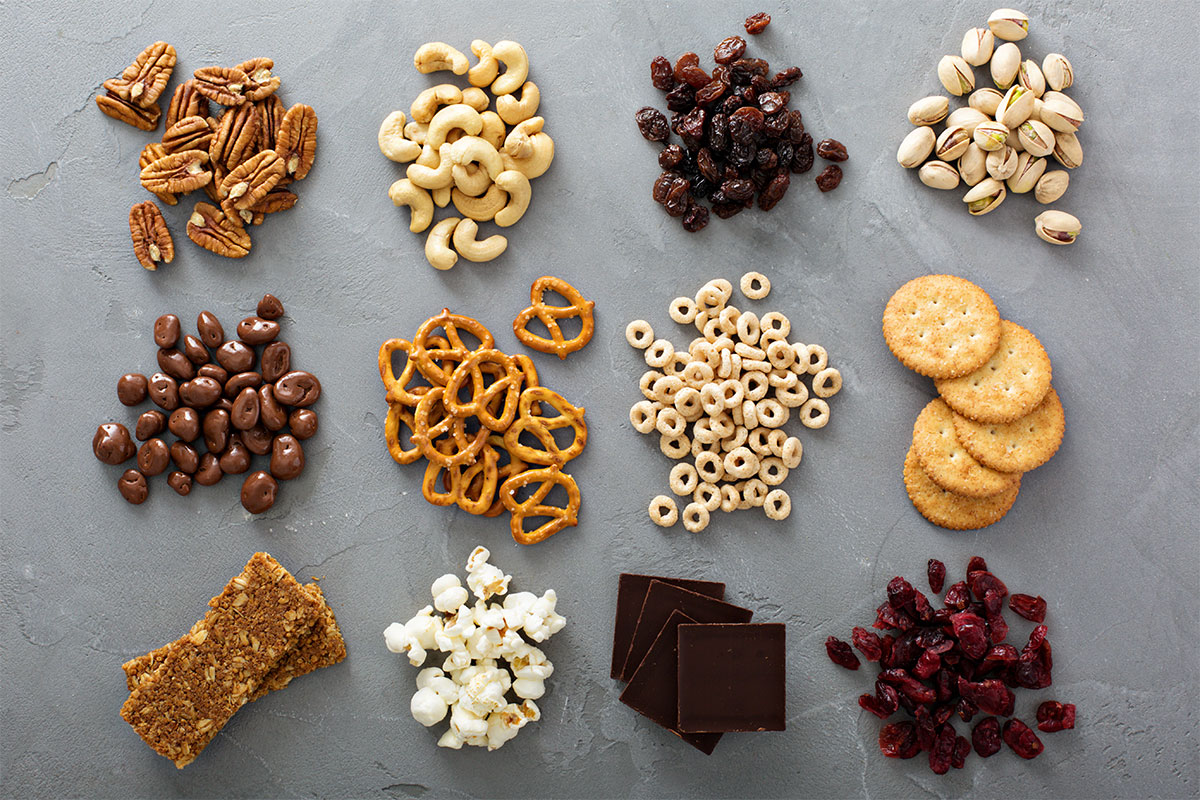
When your body tells you to EAT (now!) post-exercise, it certainly gets your attention! That hunger may be normal, though disruptive to weight loss efforts if you eat the energy equivalent of what you just burned. A small recovery snack such as a two-inch apple and tablespoon of peanut butter may do the trick. Base it on carbohydrates to replace spent fuel. A cup of dry cereal to munch on travels well. A single ounce granola bar is another convenient option. But if you’re planning on a meal in an hour or so, try to fill up on light fare such as air-popped popcorn, celery, rice cakes, and melon to stave off hunger until then.

Other tips include:

  • Depending on when you work out, consider boosting up your previous meal to give you the fuel you need for vigorous exercise.
  • If you’re exercising over an hour, switch from water to a simple sports drink during your exercise to keep blood sugar up.
  • Include some protein and healthy fat at the previous meal to promote satiety and help keep energy levels stable.

– Debbie J., MS, RD

This article should not replace any exercise program or restrictions, any dietary supplements or restrictions, or any other medical recommendations from your primary care physician. Before starting any exercise program or diet, make sure it is approved by your doctor.

Some questions have been edited for length and/or clarity.

Ask our Dietitian

Have a nutrition question? Our registered dietitian is ready to help!
Email nutrition@lafitness.com or submit your question below and it may be featured in an upcoming article!

15 + 8 =


Recommended Reading - Q+A

Good carbs vs bad carbs
Debunking Diet Myths

Debunking Diet Myths

With so many sources offering nutrition advice, it’s hard to know what’s true. Even factual information can become distorted by the time it reaches you. Like a game of telephone, the message often changes as it’s passed along. Here, we debunk 5 common diet myths to...