Help! I’m Hungry ALL. THE. TIME.

Help! I’m Hungry ALL. THE. TIME.

Question:

I’m hungry all the time, what can I do?

– Charlotte S.

Answer:

As opposed to a specific craving or passing desire, true hunger is uncomfortable and is a strong message for our bodies to seek food. If you experience hunger throughout the day, it may be that you are not consuming enough calories. The easy answer is to eat more food.

If you have been maintaining weight or wish to lose, then modifying your diet to include satisfying foods at regular mealtimes may drive down hunger:

When to Eat

Your body uses energy throughout the day, so you need to fuel it regularly. Having consistent meals and snacks ensures that your fuel tank doesn’t go empty. Most people eat too little in the morning and consume the bulk of their calories in the evening when they’re less active. By having a substantial breakfast, medium lunch and smaller dinner, you’d better match your body’s energy use. A small snack to support your workout is also ideal.

What to Eat

Foods high in fiber, protein, fat and physical volume are the most satisfying. For example, a slice of 7-grain toast with almond butter, half a grapefruit, an egg, and a glass of milk would stave off hunger better than two toaster waffles with syrup, a cup of orange juice and mug of coffee. Including a healthy plant fat at each meal helps to lock in the complex carbohydrates and lean proteins eaten so they are digested more slowly. Vegetables are the most notable source of bulk and fiber with the least calories so they should fill up your plate!

Consult a physician if hunger is unabated, you’re also experiencing weakness or observe unintentional weight loss, as these may be due to an underlying medical condition.

– Debbie J., MS, RD

This article should not replace any exercise program or restrictions, any dietary supplements or restrictions, or any other medical recommendations from your primary care physician. Before starting any exercise program or diet, make sure it is approved by your doctor.

Some questions have been edited for length and/or clarity.


Ask our Dietitian

Have a nutrition question? Our registered dietitian is ready to help!
Email nutrition@lafitness.com or submit your question below and it may be featured in an upcoming article!

1 + 1 =


Recommended Reading - Q+A

Blender with fresh ingredients to making healthy detox smoothie with glass of green prepared drink with a straw. Vegan cooking concept
Healthy Smoothie Recipes

Healthy Smoothie Recipes

Cue the sound of a revving engine… running your blender at home can bring goodness with that whirring noise! Creating your own smoothies is a great way to get in some nutrients and plant phytochemicals you otherwise wouldn’t during the day. It allows you to prepare...

Good carbs vs bad carbs
Debunking Diet Myths

Debunking Diet Myths

With so many sources offering nutrition advice, it’s hard to know what’s true. Even factual information can become distorted by the time it reaches you. Like a game of telephone, the message often changes as it’s passed along. Here, we debunk 5 common diet myths to...

The Relationship Between Whey Protein and Lactose Intolerance

The Relationship Between Whey Protein and Lactose Intolerance

Question:

I am lactose intolerant. Is whey protein bad for me? Is whey protein bad for people with lactose intolerance?

– Dan

Answer:

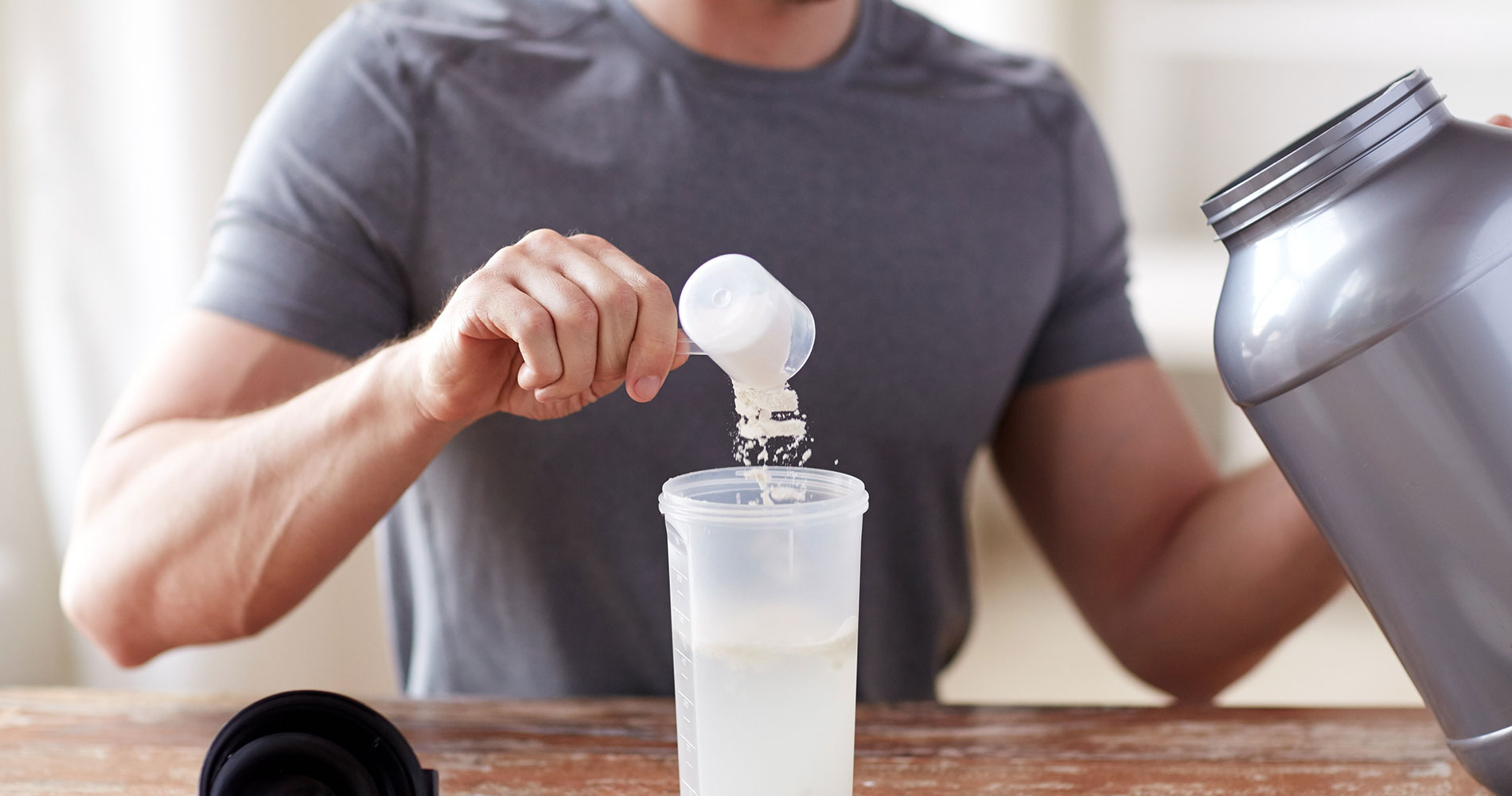
“Whey protein” is a catch-all term referring to several proteins found in the whey of milk after solid caseins and moisture are removed. Whey protein is generally okay for those with mild lactose intolerance. Depending on the form, whey protein contains less than 5 gram of lactose per 100 grams dry product, which provides 80-90 of grams protein.* Compare this to the 12 grams of lactose per 245 grams (a cup) of fluid cow’s milk for 8 grams of protein or 1 gram of lactose per 30 grams (an ounce) of some cheeses for 7 grams of protein.

Whey protein as an ingredient or by itself as a supplement is usually found in concentrate or isolate form. Here’s the difference: the highest whey protein concentrate still includes some fat, cholesterol and lactose particles (up to 20%), whereas whey protein isolate has usually undergone microfiltration leaving only 10% as those particles.

Pure whey protein isolate may be tolerated by those with lactose intolerance, but individual response varies. Some whey protein isolates are further processed to be lactose-free. Keep in mind that if the final whey protein supplement product is a shake powder or bar, it has other ingredients that may contribute lactose.

For those with a very severe lactose intolerance much like an allergy, it is best to avoid all milk-derived products.

* From U.S. Dairy Export Council’s Reference Manual for U.S. Whey and Lactose Products. Composition of whey protein concentrate with 80% protein is typically 4%-8% lactose by weight. Composition of whey protein isolate with at least 90% protein is typically 0.5%-1% lactose by weight.

– Debbie J., MS, RD

This article should not replace any exercise program or restrictions, any dietary supplements or restrictions, or any other medical recommendations from your primary care physician. Before starting any exercise program or diet, make sure it is approved by your doctor.

Some questions have been edited for length and/or clarity.


Ask our Dietitian

Have a nutrition question? Our registered dietitian is ready to help!

Email nutrition@lafitness.com or submit your question below and it may be featured in an upcoming article!

12 + 6 =


Recommended Reading - Q+A

Blender with fresh ingredients to making healthy detox smoothie with glass of green prepared drink with a straw. Vegan cooking concept
Healthy Smoothie Recipes

Healthy Smoothie Recipes

Cue the sound of a revving engine… running your blender at home can bring goodness with that whirring noise! Creating your own smoothies is a great way to get in some nutrients and plant phytochemicals you otherwise wouldn’t during the day. It allows you to prepare...

Good carbs vs bad carbs
Debunking Diet Myths

Debunking Diet Myths

With so many sources offering nutrition advice, it’s hard to know what’s true. Even factual information can become distorted by the time it reaches you. Like a game of telephone, the message often changes as it’s passed along. Here, we debunk 5 common diet myths to...

What Causes Inflammation?

What Causes Inflammation?

Question:

What causes inflammation?

– Sandra

Answer:

Inflammation is a situation where localized tissues of the body are swollen after the immune system kicks into gear. Most conditions ending in “itis” reflect an inflammatory condition such as gastritis and tendonitis. For acute inflammation, the instigators are usually an injury or infection and the inflammatory response is a defensive mechanism that we need to begin healing. For chronic inflammation, the culprits might be autoimmune disease, arthritis, or persistent foreign pathogens, and the inflammatory response occurs over a number of months or years instead of ending when it should.

Nutritionally, some foods may play a role in the development of chronic inflammation, while others help to prevent or resolve it. According to the Arthritis Foundation, sugar, saturated fat, trans fat, omega-6 fatty acids, refined carbohydrates, monosodium glutamate (MSG), gluten and casein are all notable food ingredients that can cause inflammation1. The publication Medical News Today recently advised that fried foods, white bread, pastry, soda and sugary drinks, red meat, margarine, and lard are foods that aggravate inflammation2.

Knowing what to avoid is half the battle in preventing chronic inflammation. Including these foods in your diet may help reduce the risk of inflammation: olive oil, tomatoes, nuts, green leafy vegetables, fatty fish (such as salmon and mackerel), and fruit.

References:

– Debbie J., MS, RD

This article should not replace any exercise program or restrictions, any dietary supplements or restrictions, or any other medical recommendations from your primary care physician. Before starting any exercise program or diet, make sure it is approved by your doctor.

Some questions have been edited for length and/or clarity.


Ask our Dietitian

Have a nutrition question? Our registered dietitian is ready to help!

Email nutrition@lafitness.com or submit your question below and it may be featured in an upcoming article!

1 + 14 =


Recommended Reading - Q+A

Blender with fresh ingredients to making healthy detox smoothie with glass of green prepared drink with a straw. Vegan cooking concept
Healthy Smoothie Recipes

Healthy Smoothie Recipes

Cue the sound of a revving engine… running your blender at home can bring goodness with that whirring noise! Creating your own smoothies is a great way to get in some nutrients and plant phytochemicals you otherwise wouldn’t during the day. It allows you to prepare...

Good carbs vs bad carbs
Debunking Diet Myths

Debunking Diet Myths

With so many sources offering nutrition advice, it’s hard to know what’s true. Even factual information can become distorted by the time it reaches you. Like a game of telephone, the message often changes as it’s passed along. Here, we debunk 5 common diet myths to...

The Mailman Diet

The Mailman Diet

Question:

I’m starting on my weight loss journey and a huge obstacle for me is eating healthy. I’m a mailman so I spend 8-10 hours working outdoors with no access to a microwave and only fast food restaurants near me. Do you have any advice needed on how to eat and maintain a healthy diet? 

– Cesar P.

Answer:

The best solution I can see for you, Cesar, is to bring healthy lunches with you during your shift. Since some carrier units even deliver groceries, I’ll assume you are allowed an insulated lunch bag or cooler in your vehicle. Information from the National Association of Letter Carriers indicates a lunch break for mealtime is 30 minutes – plenty of time to enjoy a healthy meal.  Whatever your route’s authorized lunch locations may be, a meal from home works. 

Without a microwave, you can still enjoy a hot healthy lunch. Today’s Thermos® food jars can keep food hot over 5 hours; longer with the larger sizes. For best results, pre-heat your vacuum insulated stainless steel container with hot water for several minutes while cooking your food. Stews, pasta dishes, casseroles, rice meals, even stir-fry all keep well, but this technique is not suggested for items you want to stay dry and flaky. An insulated lunch bag or tote with a few ice blocks can keep several items cool at once. Consider packing a turkey sandwich on whole wheat bread, fruit, and carrot/celery sticks for a balanced meal. More grown-up fare like a tuna pasta salad with cherry tomatoes works, too. 

For the days when you don’t bring along your own food, dig into the menus at the fast-food establishments near you. Many offer some type of chicken breast meal/sandwich and a side salad option. Omitting cheese, swapping out the fries for a vegetable or fruit, and are all possibilities to improve a traditional drive-thru meal.  Iced tea or water are preferable over soda. A small juice works occasionally, such as with an egg breakfast sandwich. 

– Debbie J., MS, RD

This article should not replace any exercise program or restrictions, any dietary supplements or restrictions, or any other medical recommendations from your primary care physician. Before starting any exercise program or diet, make sure it is approved by your doctor.

Some questions have been edited for length and/or clarity.


Ask our Dietitian

Have a nutrition question? Our registered dietitian is ready to help!
Email nutrition@lafitness.com or submit your question below and it may be featured in an upcoming article!

2 + 7 =


Recommended Reading - Q+A

Blender with fresh ingredients to making healthy detox smoothie with glass of green prepared drink with a straw. Vegan cooking concept
Healthy Smoothie Recipes

Healthy Smoothie Recipes

Cue the sound of a revving engine… running your blender at home can bring goodness with that whirring noise! Creating your own smoothies is a great way to get in some nutrients and plant phytochemicals you otherwise wouldn’t during the day. It allows you to prepare...

Good carbs vs bad carbs
Debunking Diet Myths

Debunking Diet Myths

With so many sources offering nutrition advice, it’s hard to know what’s true. Even factual information can become distorted by the time it reaches you. Like a game of telephone, the message often changes as it’s passed along. Here, we debunk 5 common diet myths to...

Calorie and Protein Consumption for Middle Aged Men

Calorie and Protein Consumption for Middle Aged Men

Question:

I’m a 49-year-old male, 5’ 11” in height and 188 lbs.  My body fat was measured at 30%. I do strength training 3 to 4 times a week. My goal is to reduce my weight (maybe another 10 lbs.), reduce my body fat percentage, and increase my muscle mass. How many calories should I be eating a day and how much protein should I be consuming? 

– Morrie B.

Answer:

A rough estimate of your energy and protein needs, given the anthropometrics and goals you provided, are 2,200-2,600 calories and 135-162 grams of protein daily. These are derived from the most common equations for predicting energy needs and setting protein at 25% calories.    

Your actual energy requirement could vary greatly since genetics, metabolism and individual biochemistry dictate how many calories you truly use. Your body has adapted to the way you eat over the last few decades so it’s possible you maintain weight currently at 2,000 calories or 3,000 calories. Thus, moving toward 2,500 could possibly be an unintended reduction or an increase. 

It’s best to determine how much you are currently consuming by tracking intake over several days and using a diet analysis program to calculate the calories and grams of protein for you. Then you can evaluate if you need to increase/decrease either component. Know that you can only effectively use a maximum of 2 grams protein per kilogram body weight (your 85.5 kg means 170 grams of protein) daily.  

– Debbie J., MS, RD

This article should not replace any exercise program or restrictions, any dietary supplements or restrictions, or any other medical recommendations from your primary care physician. Before starting any exercise program or diet, make sure it is approved by your doctor.

Some questions have been edited for length and/or clarity.


Ask our Dietitian

Have a nutrition question? Our registered dietitian is ready to help!

Email nutrition@lafitness.com or submit your question below and it may be featured in an upcoming article!

15 + 4 =


Recommended Reading - Q+A

Blender with fresh ingredients to making healthy detox smoothie with glass of green prepared drink with a straw. Vegan cooking concept
Healthy Smoothie Recipes

Healthy Smoothie Recipes

Cue the sound of a revving engine… running your blender at home can bring goodness with that whirring noise! Creating your own smoothies is a great way to get in some nutrients and plant phytochemicals you otherwise wouldn’t during the day. It allows you to prepare...

Good carbs vs bad carbs
Debunking Diet Myths

Debunking Diet Myths

With so many sources offering nutrition advice, it’s hard to know what’s true. Even factual information can become distorted by the time it reaches you. Like a game of telephone, the message often changes as it’s passed along. Here, we debunk 5 common diet myths to...