What to Eat for Rapid Weight Loss

What to Eat for Rapid Weight Loss

Question:

I currently weigh 270 lbs. and I’m looking to lose at least 70 lbs. I’m trying to lose at least 5 lbs. per week. What should I eat and how much?

– Niesha G.

Answer:

Your specific diet for rapid weight loss would need to be developed one-on-one with a dietitian, preferably in conjunction with a medical professional. I can say that we’ve addressed similar requests in the past – and the answer is different for each unique person.

Though it’s certainly plausible the scale could drop 5 pounds each of the first few weeks, it’s likely most of that weight would be water loss. Unless you are burning an extra 2,000 calories (a week’s worth of exercise!) daily there wouldn’t be an energy deficit great enough to promote fat burning to that extent.

So… I’d say to focus on your first 10-15-pound reduction by reducing portions, eliminating fried foods, alcohol, and sweets. For structure, you could follow a moderate diet plan providing no fewer than 1,500 calories a day. Whether it’s Mediterranean style, lower carbohydrate, high fiber or 6 mini-meals, adhering to a regimen for a couple of months forces you to plan, shop and prepare for everything you eat.

Here’s just one sample 1,500 calorie day of familiar American foods to get your started*:

  • Breakfast
    • 1 Cup bran flake cereal, 1 Tbsp. almonds, ½ Cup 1% milk, 2 scrambled eggs, ½ grapefruit
  • Lunch
    • 3 oz. grilled chicken breast, ½ Cup coleslaw, 1 cob corn
  • Dinner               
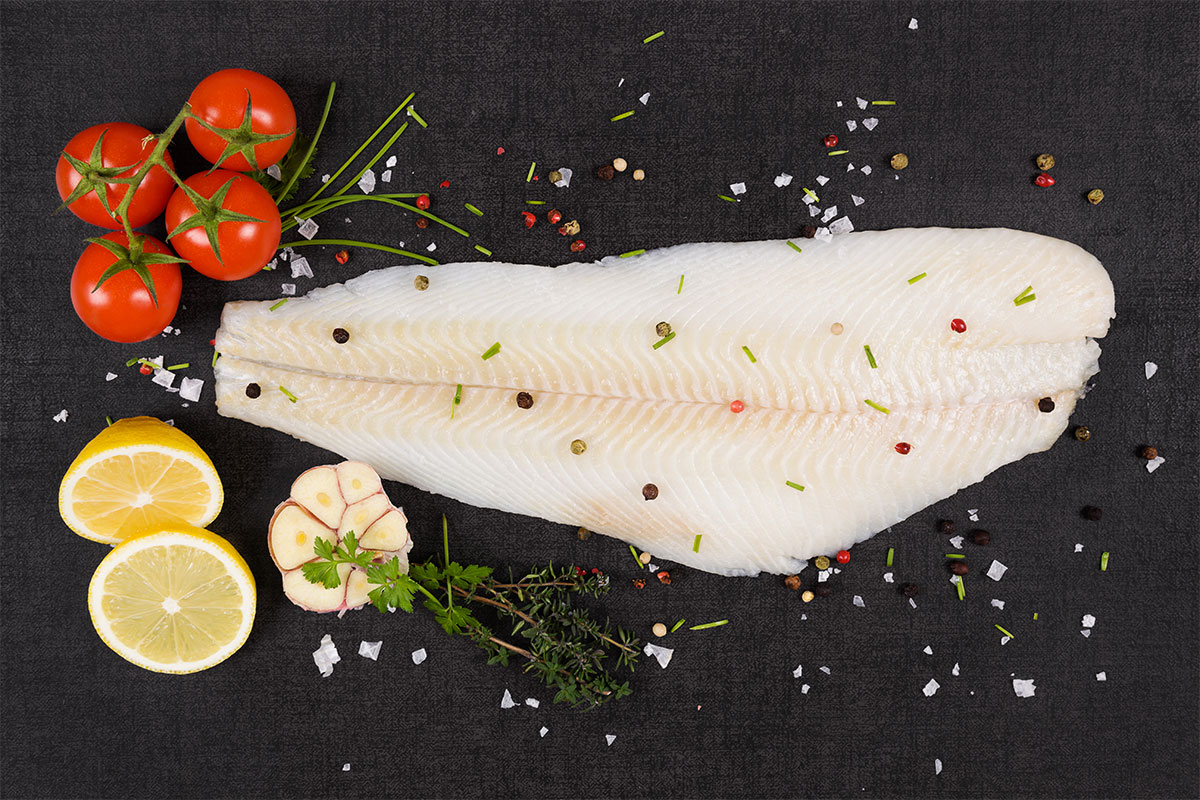
    • 3 oz. halibut, 1 Cup green beans, 1 Cup wheat noodles
  • Snacks
    • 3 Cup light popcorn
    • 1 C. plain low-fat yogurt + ½ C. berries

Analysis on www.FitDay.com by a Registered Dietitian Nutritionist = 28% Protein, 28% Fat, 44% Carbohydrate, 25 gm Fiber * Findings were used along with RDN’s professional judgment.

– Debbie J., MS, RD

This article should not replace any exercise program or restrictions, any dietary supplements or restrictions, or any other medical recommendations from your primary care physician. Before starting any exercise program or diet, make sure it is approved by your doctor.

Some questions have been edited for length and/or clarity.

Ask our Dietitian

Have a nutrition question? Our registered dietitian is ready to help!
Email nutrition@lafitness.com or submit your question below and it may be featured in an upcoming article!

8 + 1 =


Recommended Reading - Q+A

Blender with fresh ingredients to making healthy detox smoothie with glass of green prepared drink with a straw. Vegan cooking concept
Healthy Smoothie Recipes

Healthy Smoothie Recipes

Cue the sound of a revving engine… running your blender at home can bring goodness with that whirring noise! Creating your own smoothies is a great way to get in some nutrients and plant phytochemicals you otherwise wouldn’t during the day. It allows you to prepare...

Good carbs vs bad carbs
Debunking Diet Myths

Debunking Diet Myths

With so many sources offering nutrition advice, it’s hard to know what’s true. Even factual information can become distorted by the time it reaches you. Like a game of telephone, the message often changes as it’s passed along. Here, we debunk 5 common diet myths to...

Portion Control is Essential

Portion Control is Essential

Question:

I am trying to lose 10 pounds. What would you suggest eating every day for breakfast and dinner? I have tried multiple things like oatmeal, rice, and chicken, etc. I think my problem is that I eat too many calories during the day.

– Aubrey H.

Answer:

You’re requesting suggested breakfasts and dinners to eat repeatedly day-in and day-out, though your stated problem seems to be you eat too much during the day. If your schedule and environment don’t allow you to plan or prepare for a balanced lunch or to prevent mindless snacking, that is something you need to address! Controlling the start and conclusion of your day makes sense for now.  I always recommend a variety of foods for the most optimal nutrition as only one combination won’t provide all the nutrients required on limited calories.

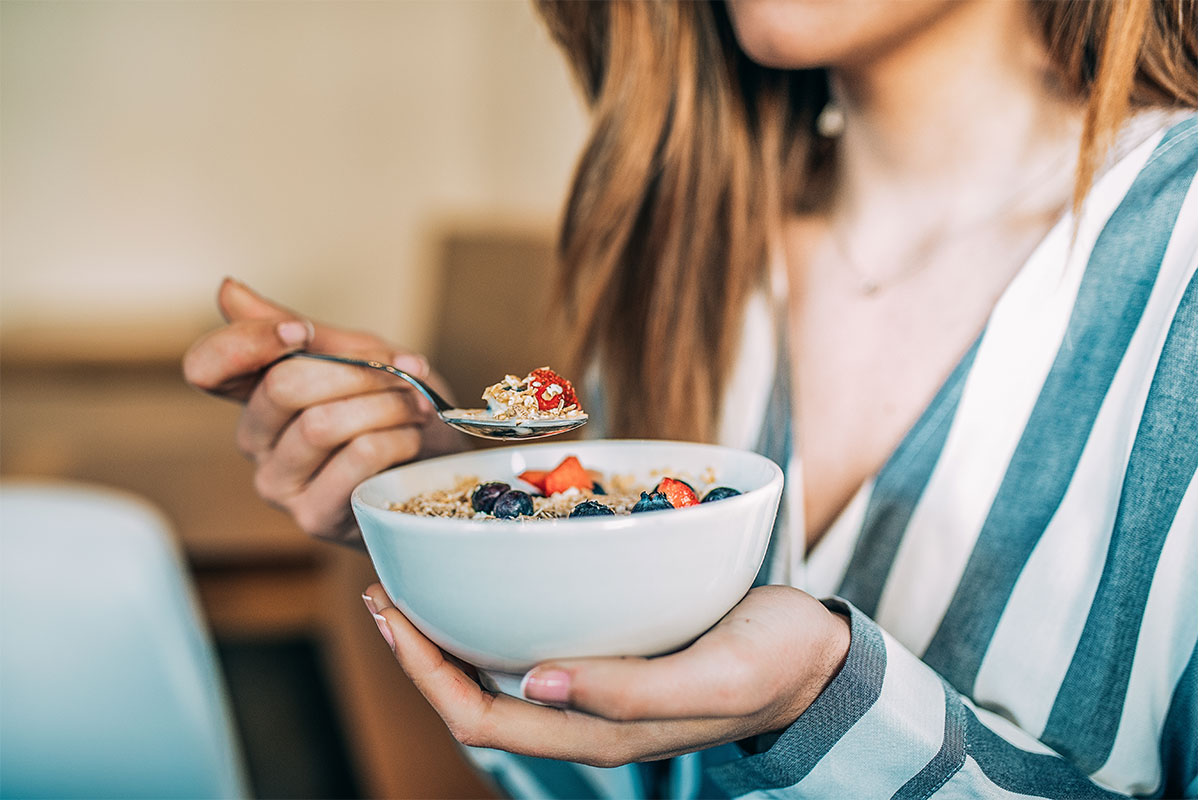
That said, oats are a great beginning and offer a myriad of ways to be served – just think of the toppings! They can be served spiced with cinnamon and apples or nutty with chia seeds, honey, and sliced almonds. Oats are filling and may help you desire less food later. Choose a heartier steel cut or stone-ground oats for more whole grain fiber.

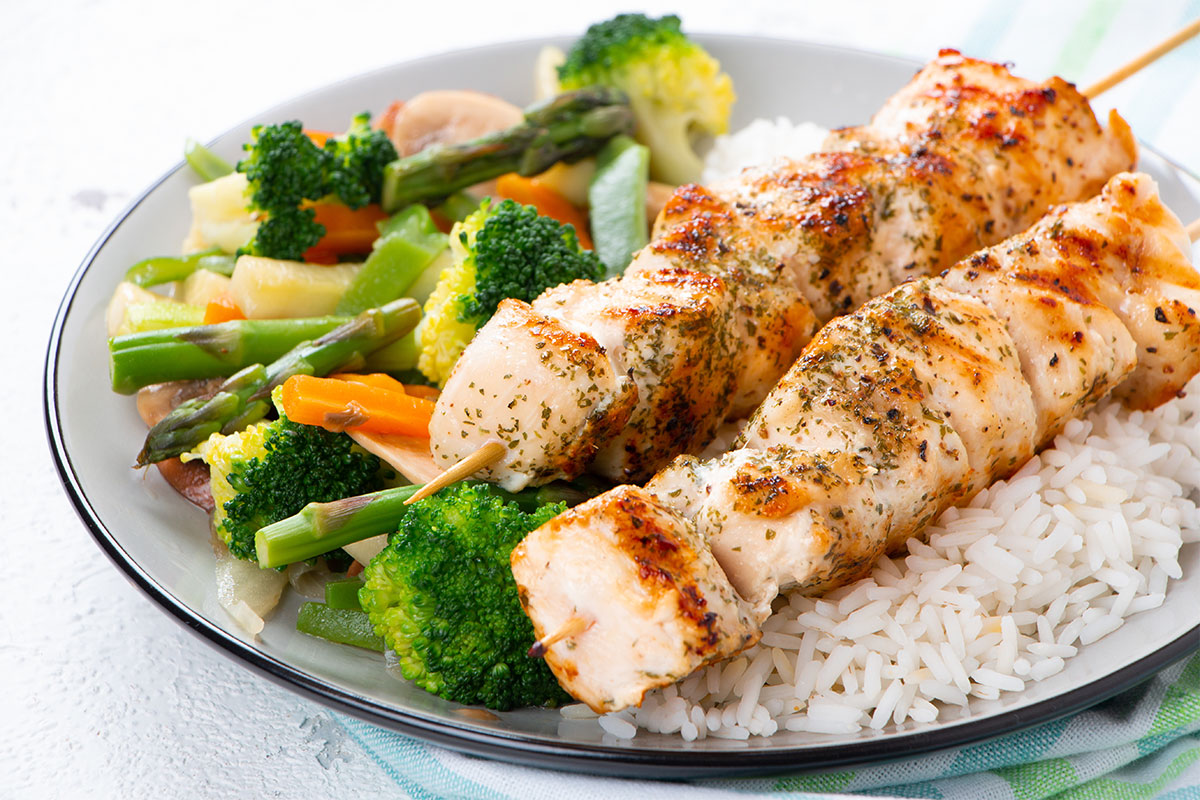
Chicken is a good choice to base your dinner around as well. It can easily be incorporated into pasta primavera, fajitas, or stir-frys. Almost every way beef, pork or fish can be served, chicken can take a similar form. Thoughts of barbequed chicken, baked homemade breaded tenders, and grilled skewered chunks come to mind. There are probably chicken recipes to last you all year without repeating!

Balancing the rest of your breakfast and dinner with other meal components (food groups) is essential for health. It’s important to remember that no matter what you choose, portions matter. If your appetite is not a reliable guide, try drinking more water before meals.

– Debbie J., MS, RD

This article should not replace any exercise program or restrictions, any dietary supplements or restrictions, or any other medical recommendations from your primary care physician. Before starting any exercise program or diet, make sure it is approved by your doctor.

Some questions have been edited for length and/or clarity.

Ask our Dietitian

Have a nutrition question? Our registered dietitian is ready to help!

Email nutrition@lafitness.com or submit your question below and it may be featured in an upcoming article!

14 + 8 =


Recommended Reading - Q+A

Blender with fresh ingredients to making healthy detox smoothie with glass of green prepared drink with a straw. Vegan cooking concept
Healthy Smoothie Recipes

Healthy Smoothie Recipes

Cue the sound of a revving engine… running your blender at home can bring goodness with that whirring noise! Creating your own smoothies is a great way to get in some nutrients and plant phytochemicals you otherwise wouldn’t during the day. It allows you to prepare...

Good carbs vs bad carbs
Debunking Diet Myths

Debunking Diet Myths

With so many sources offering nutrition advice, it’s hard to know what’s true. Even factual information can become distorted by the time it reaches you. Like a game of telephone, the message often changes as it’s passed along. Here, we debunk 5 common diet myths to...

Help with Carb Intake Needed

Help with Carb Intake Needed

Question:

I need help with my carbs, please. I only allow 45 gm of carbs at each meal.

– Laura B.

Answer:

You are in company with other people who may need to count carbohydrates, often for blood sugar management. The focus would be on low glycemic choices. For a limit of 45 grams carbohydrate per meal you could roughly plan on 25 gm from grain/starch, 10 gm from fruit or milk, and 10 gm from non-starchy vegetables. Remember that use of certain condiments will necessitate corresponding reduction from your food total.

Here’s one example providing approx. 45 gm carbohydrate meals:

  • Breakfast: 8 oz. plain Greek yogurt, ¾ C raspberries, 1 medium white potato and ½ C peppers & onion as potatoes O’Brien (Tbsp oil)
  • Lunch: ½ C rice pilaf, fish fillet, 2 Tbsp tartar sauce, 1 pineapple ring, 1 C green beans
  • Dinner: 5” corn cob, 1 C broccoli, grilled chicken, grilled peach half, 6 fl. oz. milk

Analysis on www.FitDay.com by a Registered Dietitian Nutritionist = 135 gm total carbohydrate (42 breakfast, 47 lunch, 42 dinner) in 1850 calories. Findings were used along with RDN’s professional judgment.

– Debbie J., MS, RD

This article should not replace any exercise program or restrictions, any dietary supplements or restrictions, or any other medical recommendations from your primary care physician. Before starting any exercise program or diet, make sure it is approved by your doctor.

Some questions have been edited for length and/or clarity.

Ask our Dietitian

Have a nutrition question? Our registered dietitian is ready to help!

Email nutrition@lafitness.com or submit your question below and it may be featured in an upcoming article!

7 + 5 =


Recommended Reading - Q+A

Blender with fresh ingredients to making healthy detox smoothie with glass of green prepared drink with a straw. Vegan cooking concept
Healthy Smoothie Recipes

Healthy Smoothie Recipes

Cue the sound of a revving engine… running your blender at home can bring goodness with that whirring noise! Creating your own smoothies is a great way to get in some nutrients and plant phytochemicals you otherwise wouldn’t during the day. It allows you to prepare...

Good carbs vs bad carbs
Debunking Diet Myths

Debunking Diet Myths

With so many sources offering nutrition advice, it’s hard to know what’s true. Even factual information can become distorted by the time it reaches you. Like a game of telephone, the message often changes as it’s passed along. Here, we debunk 5 common diet myths to...

The Best Foods to Consume Pre-Resistance Training

The Best Foods to Consume Pre-Resistance Training

Question:

What are the best foods to consume pre-resistance training?

– Steve S.

Answer:

Since resistance exercise is largely an anaerobic activity, you will burn mostly carbohydrates for energy during your training bout. ‘Ready’ carbohydrates will fuel you and prime your muscles’ insulin pump to prepare for protein synthesis with your recovery meal. Choose low fat, low fiber carbohydrates such as pasta, white rice, pretzels, non-grainy crackers, most cereals, bread, skinless sweet potato, cooked carrots, tomatoes, bananas, melons, strawberries, oranges, and unsweetened applesauce.

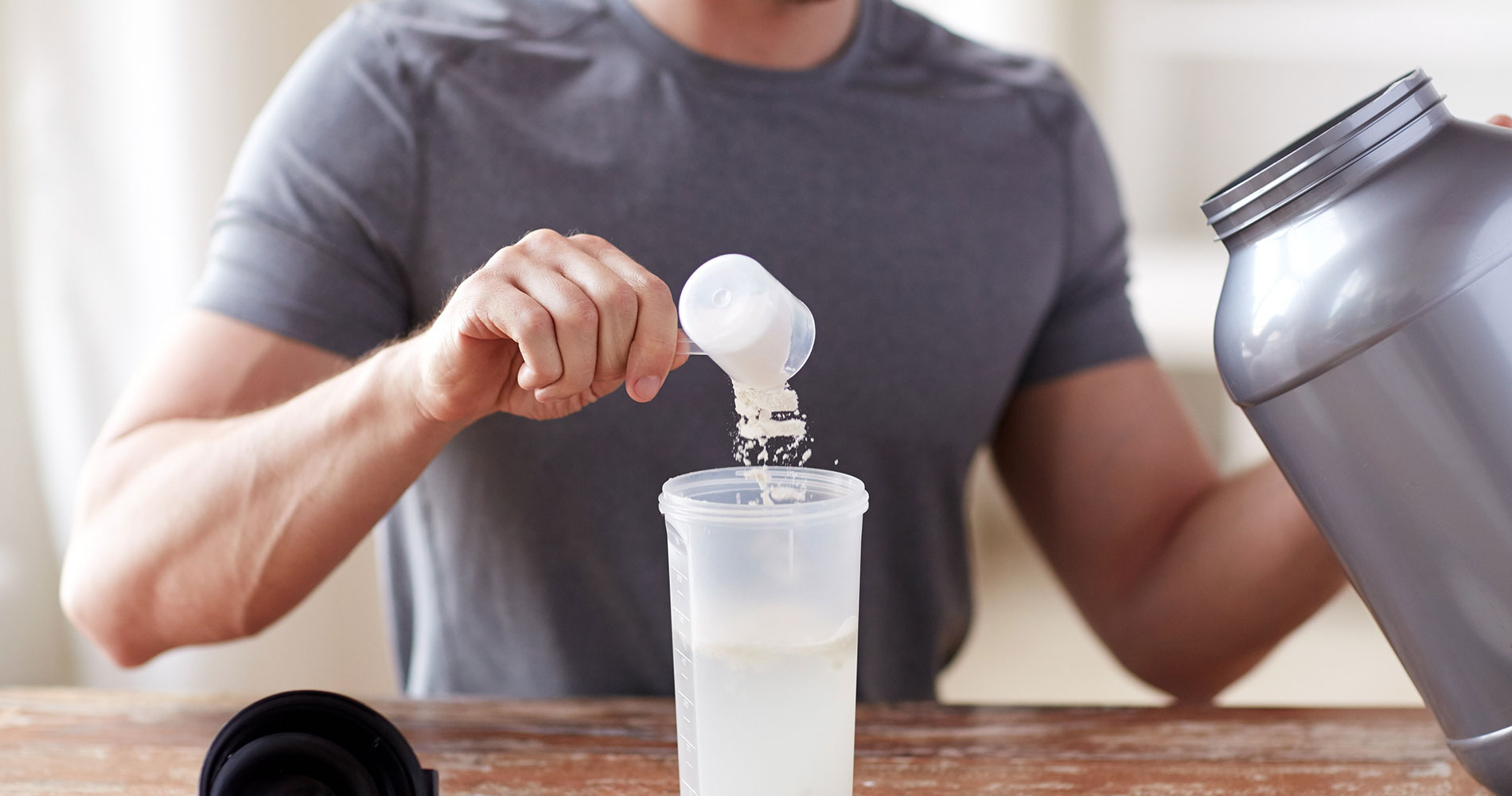
You’ll want to incorporate easily digestible protein such as egg whites, skinless chicken/turkey breast, deli-sliced lean meat, tuna, tofu, casein, and soy or whey protein concentrate. If you have a sensitive stomach you might consider peptides (partially broken-down proteins) considered more bio-available, but they are not beneficial for most people. A branched-chain amino acid (BCAA) enriched protein powder could benefit, as BCAAs may preserve muscle glycogen stores and reduce the amount of protein breakdown.

Four examples of pre-training mini-meals are:

  1. rice or oat square cereal, non-fat milk, strawberries
  2. noodles & chunky marinara, turkey meatball
  3. ½ steamed sweet potato, chicken tenderloin
  4. banana, graham crackers, hard-cooked egg whites

– Debbie J., MS, RD

This article should not replace any exercise program or restrictions, any dietary supplements or restrictions, or any other medical recommendations from your primary care physician. Before starting any exercise program or diet, make sure it is approved by your doctor.

Some questions have been edited for length and/or clarity.

Ask our Dietitian

Have a nutrition question? Our registered dietitian is ready to help!

Email nutrition@lafitness.com or submit your question below and it may be featured in an upcoming article!

6 + 3 =


Recommended Reading - Q+A

Blender with fresh ingredients to making healthy detox smoothie with glass of green prepared drink with a straw. Vegan cooking concept
Healthy Smoothie Recipes

Healthy Smoothie Recipes

Cue the sound of a revving engine… running your blender at home can bring goodness with that whirring noise! Creating your own smoothies is a great way to get in some nutrients and plant phytochemicals you otherwise wouldn’t during the day. It allows you to prepare...

Good carbs vs bad carbs
Debunking Diet Myths

Debunking Diet Myths

With so many sources offering nutrition advice, it’s hard to know what’s true. Even factual information can become distorted by the time it reaches you. Like a game of telephone, the message often changes as it’s passed along. Here, we debunk 5 common diet myths to...

The 8 Best Foods for Your Heart 

The 8 Best Foods for Your Heart 

Surprise – most foods for heart health come from living things without hearts! That is, only one item on our list of the nine most heart-healthy foods is an animal and the rest are plant sources. Vegetarians, omnivores and paleo-lovers alike can all protect their hearts by including suitable foods from the following list more often.

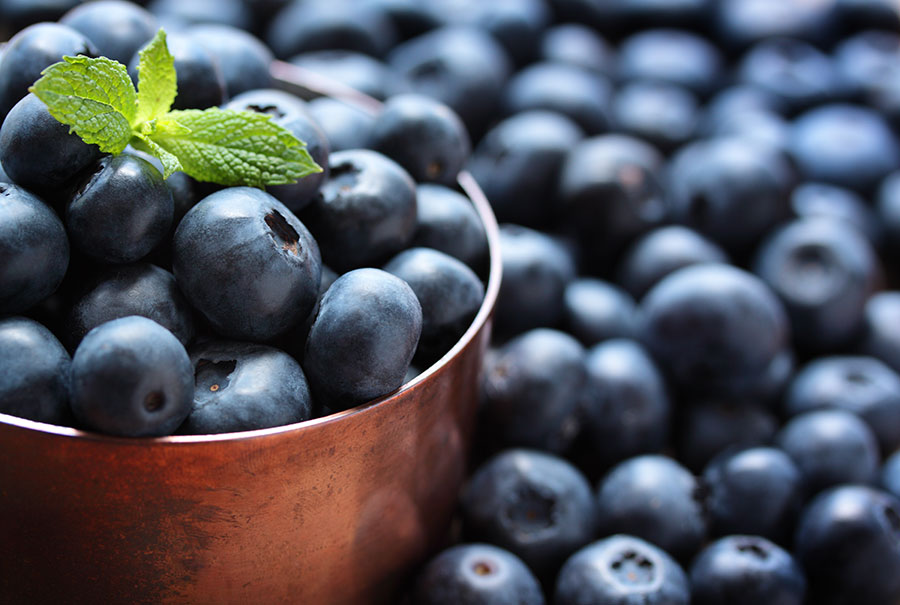
BLUEBERRIES

These fruit gems contain high levels of polyphenols1,2 and have multiple cardiovascular benefits including anti-inflammation,1 lowering blood pressure,2 regulating cholesterol oxidation2 and accumulation,1 reducing oxidative stress,1,2 and improving vascular function.1 Consumption of blueberries is associated with cardiovascular disease prevention1 and cardiovascular risk factor reduction.2

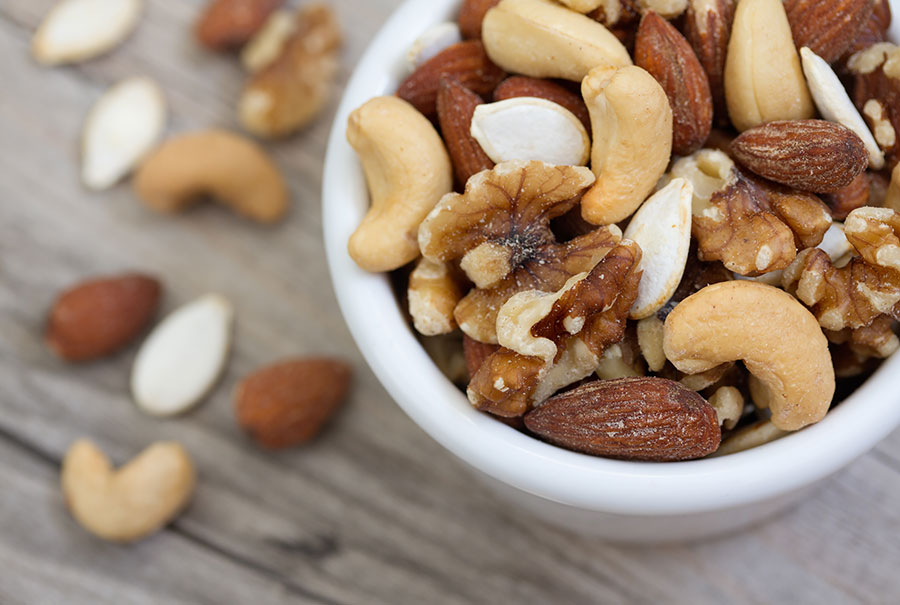
NUTS

The omega-3 fatty acid present in nuts, alpha-linolenic acid, may reduce cardiovascular disease risk and atherosclerotic plaque formation by changing vascular inflammation and improving endothelial dysfunction3 (the health of the vascular wall). In a nearly 5 year-long study those assigned to a Mediterranean diet supplemented with nuts (or extra-virgin olive oil) had a lower incidence of major cardiovascular events than those assigned to a reduced-fat diet.4

BEANS

Dietary fiber is known to help protect against cardiovascular disease.5 Legumes (including beans, peas, and lentils) are excellent sources of soluble fiber — the kind that can lower your “bad” LDL cholesterol.6 In a multi-country study, cardiometabolic risk (metabolic syndrome, inflammation, and obesity) was inversely associated with dietary fiber intake.5 Benefits are most pronounced with bean intake upwards of 4 times per week.

LEAFY GREEN VEGETABLES 

Intake of leafy green vegetables may confer strong cardiovascular health benefits7. Researchers noted that, “Increasing vegetable intake, with a focus on consuming leafy green and cruciferous vegetables may provide the greatest cardiovascular health benefits.”7 A few studies showed that the greatest cardiovascular benefits were observed at intakes greater than 120 g/day [about 2 cups] for leafy green vegetables.7 Spinach, kale, collard greens, mustard greens, and chard are well-known leafy green veggies.

AVOCADOS 

These fatty fruits contain beneficial monounsaturated fats (as well as polyphenols, carotenoids, vitamin E, phytosterols, and squalene) which can lower your LDL cholesterol. 6,8  Avocados seem to help prevent chronic inflammation that makes atherosclerosis, the hardening of artery walls, worse.6  They also inhibit platelet aggregation and help prevent thrombus formation. 8

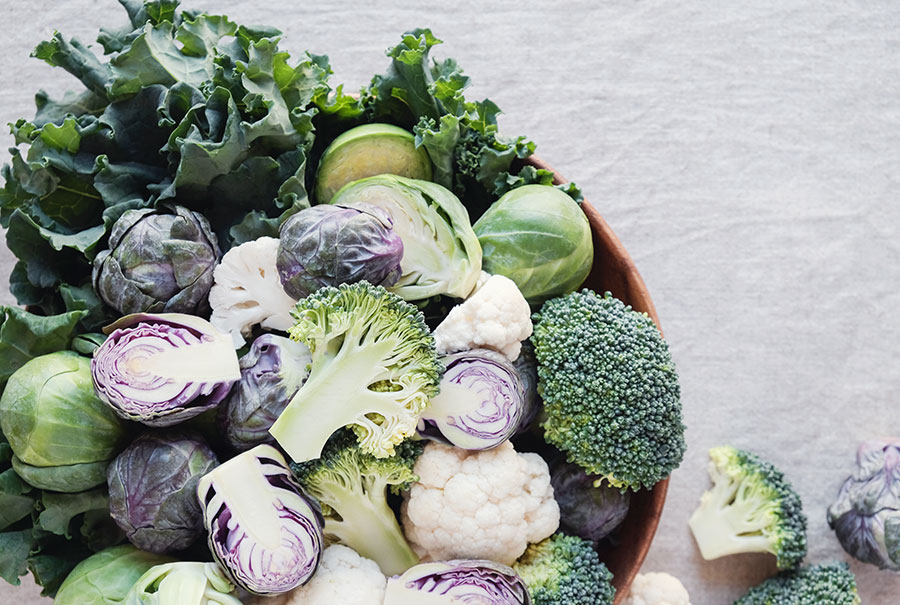
CRUCIFEROUS VEGETABLES

Evidence supports the notion that cruciferous vegetables promote strong cardiovascular health7. Researchers noted that, “Increasing vegetable intake, with a focus on consuming leafy green and cruciferous vegetables may provide the greatest cardiovascular health benefits.”7 A few studies showed that the greatest cardiovascular benefits were observed at intakes of greater than 200 g/day [about a cup] for cruciferous vegetables.7 Brussel sprouts, cabbage, cauliflower, broccoli, and bok choy are well known cruciferous veggies.

OLIVE OIL 

Extra-virgin olive oil contains minor antioxidant compounds9 and a lot of monounsaturated fat. Consuming extra virgin olive oil augments the anti-inflammatory effect of HDL, may repress atherosclerotic inflammatory genes, and helps retain anti-atherogenic activity with advancing age.9 In a nearly 5 year-long study those assigned to a Mediterranean diet supplemented with extra-virgin olive oil (or nuts) had a lower incidence of major cardiovascular events than those assigned to a reduced-fat diet.4

SALMON

Fatty fish such as salmon are rich in long chain omega-3 polyunsaturated fatty acids (LCn-3PUFA) which have anti-clotting6 and anti-inflammatory effects and help lower triglycerides,6 a fat implicated in heart disease. Though not all studies demonstrate cardio-protective effects of LCn-3PUFA, it may be that omega-3‘s role in cardiovascular disease prevention may be dampened by high intake of omega-6 fats. Within a Mediterranean diet (low saturated fat), high omega-3 fat consumption is cardio-protective.

REFERENCES:

  1. Preventionof Atherosclerosis by Berries: The Case of Blueberries. Wu X, et al. Journal of Agricultural and Food Chemistry. 2018 Sep 5;66(35):9172-9188. doi: 10.1021/acs.jafc.8b03201. Epub 2018 Aug 21.
  2. Research Backs Blueberries’ Heart Benefit. Tufts University Health & Nutrition Newsletter, November 2010, Accessed 12/17/2018.
  3. Acute effects of diets rich in almonds and walnuts on endothelial function. Bhardwaj R, et al. Indian Heart Journal 2018 Jul – Aug;70(4):497-501. doi: 10.1016/j.ihj.2018.01.030. Epub 2018 Feb 1.
  4. Primary Prevention of Cardiovascular Disease with a Mediterranean Diet Supplemented with Extra-Virgin Olive Oil or Nuts. Estruch R et al. New England Journal of Medicine 2018 Jun 21;378(25):e34. doi: 10.1056/NEJMoa1800389. Epub 2018 Jun 13.
  5. The Association of Dietary Fiber Intake with Cardiometabolic Risk in Four Countries across the Epidemiologic Transition. Lie L, et al. Nutrients. 2018 May 16;10(5). pii: E628. doi: 10.3390/nu10050628.
  6. Top 11 Heart-Healthy Foods. Kerri-Ann Jennings. WebMD.com Accessed 12/17/2017
  7. Cardiovascular Health Benefits of Specific Vegetable Types: A Narrative Review Lauren C. Blekkenhorst et al. Nutrients. 2018 May; 10(5): 595. Published online 2018 May 11. doi:  [10.3390/nu10050595]
  8. Fruits for Prevention and Treatment of Cardiovascular Diseases. Cai-Ning Zhao, et al. Nutrients. 2017 Jun; 9(6): 598. Published online 2017 Jun 13. doi: 10.3390/nu9060598
  9. Olive Oil and the Hallmarks of Aging. L Fernández del Río, et al. Molecules2016, 21 (2), 163.
  10. Contribution of Red Wine Consumption to Human Health Protection. Lukas Snopek, et al. 2018 Jul; 23(7): 1684. Published online 2018 Jul 11. doi:  [10.3390/molecules23071684]

Recommended Reading

Blender with fresh ingredients to making healthy detox smoothie with glass of green prepared drink with a straw. Vegan cooking concept
Healthy Smoothie Recipes

Healthy Smoothie Recipes

Cue the sound of a revving engine… running your blender at home can bring goodness with that whirring noise! Creating your own smoothies is a great way to get in some nutrients and plant phytochemicals you otherwise wouldn’t during the day. It allows you to prepare...

Good carbs vs bad carbs
Debunking Diet Myths

Debunking Diet Myths

With so many sources offering nutrition advice, it’s hard to know what’s true. Even factual information can become distorted by the time it reaches you. Like a game of telephone, the message often changes as it’s passed along. Here, we debunk 5 common diet myths to...