
Question:
Hello. I have a couple of questions on diet and nutrition if I may ask. I’m an 18-year-old male. I currently weigh ~143-146 lbs. I want to take on bulking but I’m not sure on what meal plan to use. Would you be able to help me out or point me in the right direction?Currently I have a full-time job with overtime, but I still manage to go to the gym almost every day even though I’m tired. I eat breakfast around 4am before work, pack myself 2 lunches, and also eat dinner around 6-8pm. I greatly appreciate any advice I can get from you guys. Couldn’t be happier with the gyms and the sauna by the way. Thanks
– Joshua A.

Answer:
Thanks for the compliment! A specific meal plan would depend on your lifestyle and food preferences in addition to your anthropometrics and weight gain goals. Working up a meal plan from scratch isn’t daunting – see our article How to Create a Meal Plan. You’d want to focus on increased calories and protein. That said, I realize following an already set list is desirable. If you’re set on that, I’d suggest a mass-building meal plan developed by a sports nutritionist such as a Certified Specialist in Sports Dietetics (CSSD).
My top diet tips for bulking include:
- Increase nutrient density.Get the most out of every bite with high calorie and nutrient-packed choices such as granola, tortillas, dried fruit, nuts and avocados. Choose ground meat over fish fillets (except higher fat salmon, herring, mackerel or sardines). Fill up on starchy vegetables like peas, corn, carrots and winter squash instead of watery veggies such as zucchini. Drink calorie rich shakes and nectars rather than tea and water.
- Eat a lot, eat often. Consuming more sheer volume boosts calories and usually offsets healthier (lower calorie) choices. When volume is limited, eating quickly before you feel full or splitting a meal in half to eat an hour or two later can mean getting in more bulk. When you think you’re done eating, push yourself to finish a couple more bites. Wait until after you eat to drink your beverage (and make sure it has calories, too.)
Time it right. Fuel your muscles properly pre- and post-workout to capitalize on the surge of hormones driving anabolism. The nutrition window to boost protein synthesis is considered about 30 minutes before and after weight training. Easy to digest lean proteins and low-fiber carbohydrates are the prime choices. Examples are whey shakes, egg whites, poultry breast, bagels, and pretzels.
Resources:
- Healthy Ways to Gain Weight, by Sonya Collins. www.WebMD.com
- The 18 Best Healthy Foods to Gain Weight Fast. www.Healthline.com
– Debbie J., MS, RD
This article should not replace any exercise program or restrictions, any dietary supplements or restrictions, or any other medical recommendations from your primary care physician. Before starting any exercise program or diet, make sure it is approved by your doctor.
Some questions have been edited for length and/or clarity.
Ask our Dietitian
 Have a nutrition question? Our registered dietitian is ready to help!
Email nutrition@lafitness.com or submit your question below and it may be featured in an upcoming article!
Recommended Reading - Q+A
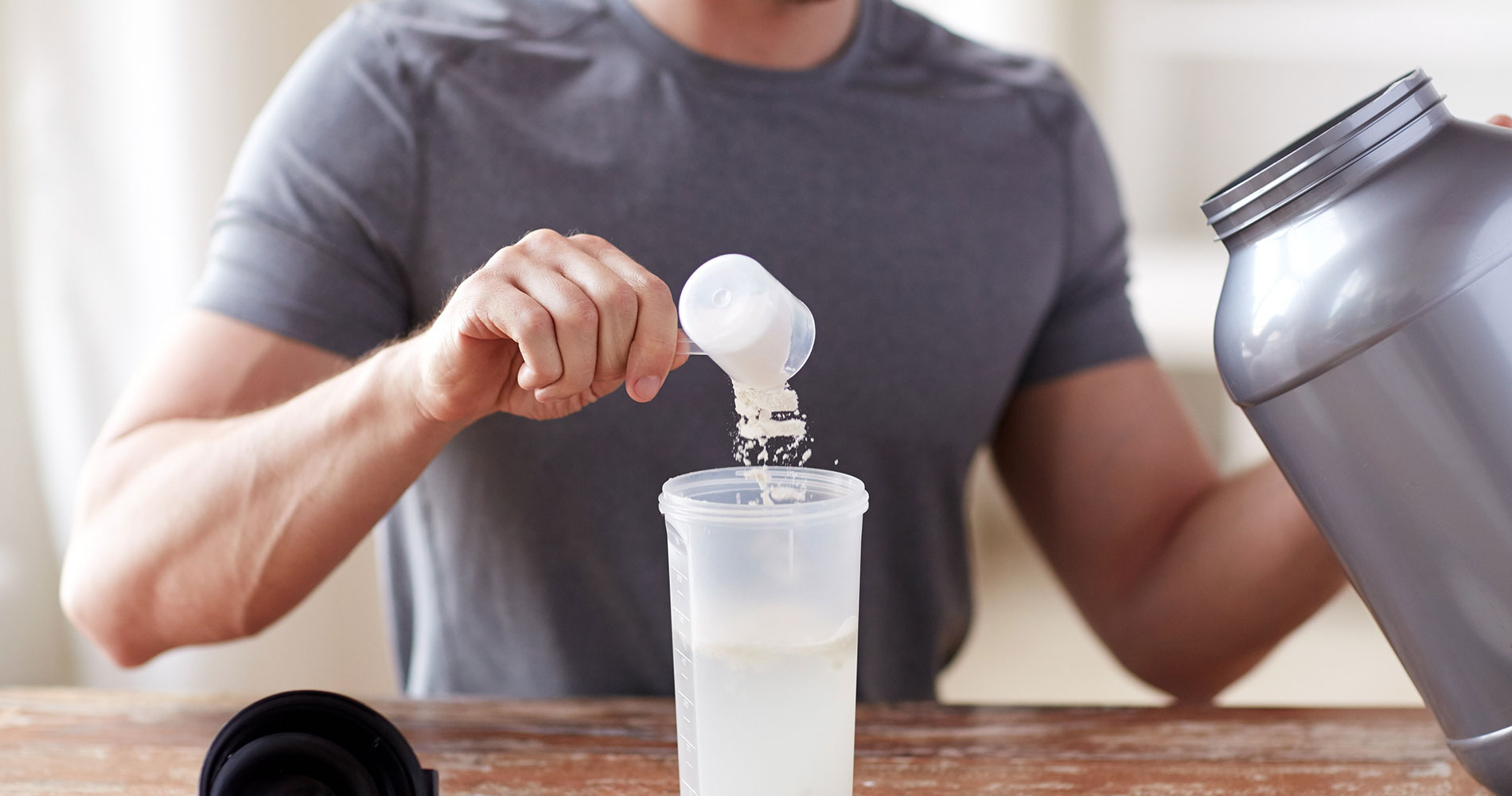
What to Know about Protein Powder and Supplements
Navigating the world of protein powders and supplements can indeed feel daunting, with countless options lining store shelves and online marketplaces. As you consider adding a scoop to your post-workout smoothie or exploring new ways to boost your nutrition, it’s...

Healthy Smoothie Recipes
Cue the sound of a revving engine… running your blender at home can bring goodness with that whirring noise! Creating your own smoothies is a great way to get in some nutrients and plant phytochemicals you otherwise wouldn’t during the day. It allows you to prepare...

Debunking Diet Myths
With so many sources offering nutrition advice, it’s hard to know what’s true. Even factual information can become distorted by the time it reaches you. Like a game of telephone, the message often changes as it’s passed along. Here, we debunk 5 common diet myths to...