

Question:
How can I realistically count calories for weight loss?
Hello, My name is Ani, I am a member of L.A. Fitness. I’ve decided to lose weight, I need realistic guidelines from you. I am 59 years old, Height 5′ 4″, Weight 139 lbs. Goal: go down to 133 lbs by Dec. 27, 2016 Plan? To lose 6 lbs in 3 months, how many calories may I ingest per day, and how many calories should I burn per day? I have not counted calories before; would you have an easy way to count calories?
-Ani K.

Answer:
Ani, as you are not currently counting calories and do not know how much you are consuming, I would first suggest that you determine your current intake. Use a diet analysis software with a broad range of foods (30K+) based on the USDA National Nutrient Database for Standard Reference* to average at least 3 typical days of your diet – everything you eat and drink, including condiments.
An estimated range of calorie needs to promote weight loss in females based on calculations using your age, height and weight is 1200 to 1600 calories per day. The actual amount you need depends on your activity level and individual metabolism. For effective weight loss, your intake should be about 500 calories less than your expenditures per day. If you increase your activity by 200 calories and trim 300 calories off your intake daily, you’d create the desired 500 calorie deficit.
I wish there was an easy way to accurately count calories! A simple bean and cheese burrito could be a 300 calorie frozen item or a whopping 800 calorie restaurant half-pounder. If you could break combination foods down to their base components and approximate the portion of each, you can add up each ingredient using a diet analysis program based on the USDA Food Composition Database. For example, doing so might provide this information: 10” flour tortilla (211 cals) + ¼ C shredded Colby Jack cheese (108 cals) + ½ C. refried beans in oil (182 cals) = 501 calories.
*as of the writing of this post, the newest version is Release 28.
– Debbie J., MS, RD
This article should not replace any exercise program or restrictions, any dietary supplements or restrictions, or any other medical recommendations from your primary care physician. Before starting any exercise program or diet, make sure it is approved by your doctor.
Suggested Articles

Healthy Advice for Over-eaters
Cravings and hunger are a common issue for a lot of people looking to begin a healthier relationship with food. We understand the frustration of trying to build healthy habits and falling back into unhealthy ones. Our registered dietitian offers some helpful advice.
Member Spotlight | The Journey to Gain Weight
For some of us, gaining weight is an ongoing struggle. For Adrianna E., she has battled to maintain a healthy weight since adolescence. This is her remarkable story of victory.
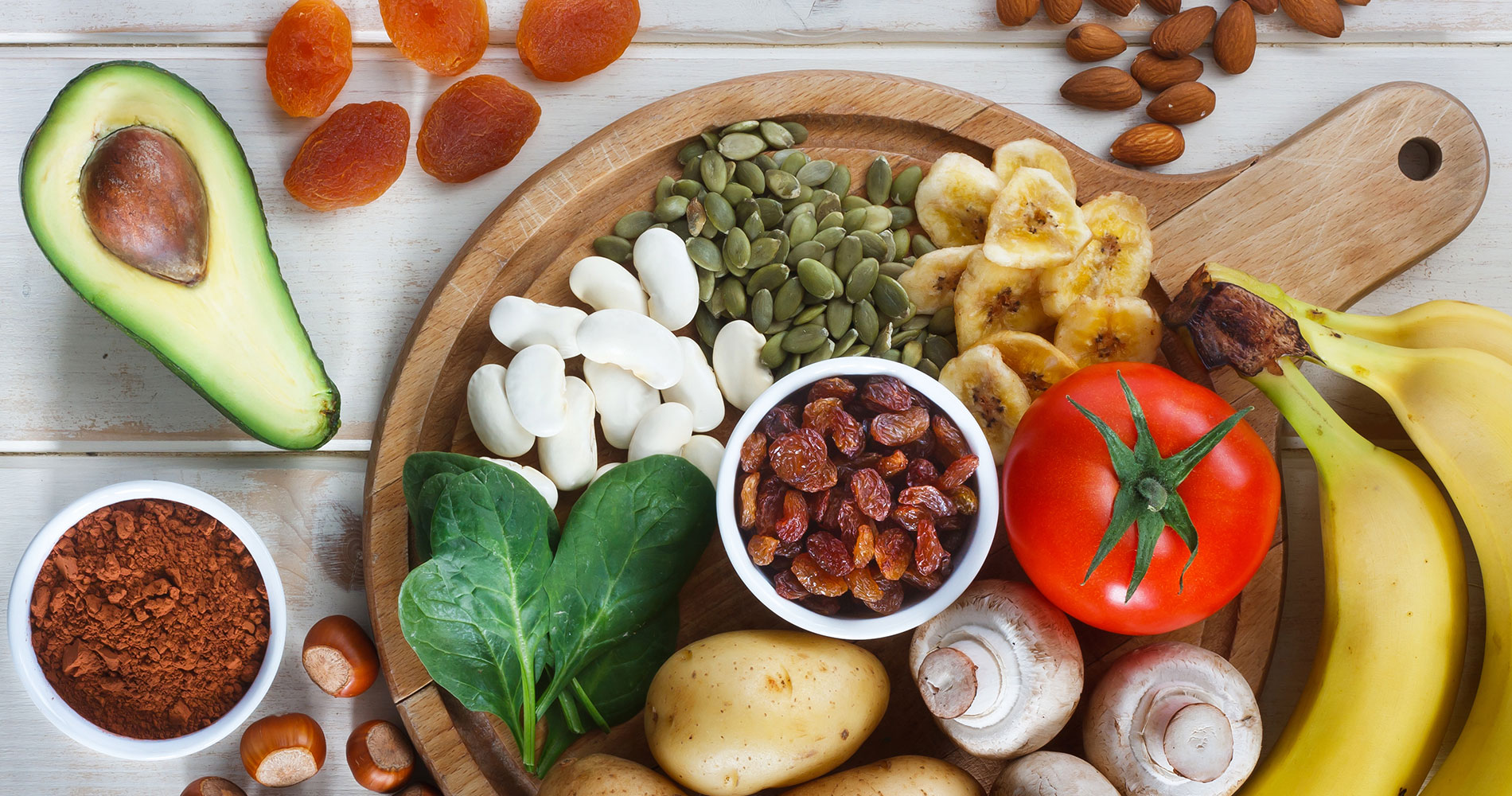
Controlling High Potassium Levels
Has your doctor notified you of higher than average potassium levels? The good news is there are plenty of foods that can be substituted for their high-potassium counterparts. Check out our advice for managing high potassium levels.
Ask our Dietitian

Have a nutrition question? Our registered dietitian is ready to help!
Email nutrition@lafitness.com or submit your question below and it may be featured in an upcoming article!

Want more? SUBSCRIBE to receive the latest Living Healthy articles right in your inbox!