1 Mile, 4 Years and 3 Lives…Saved
Watch this inspiring story of a son, his wife and their father. Three lives bonded by family, love and the will to swim through life together…one mile, one day, at a time.

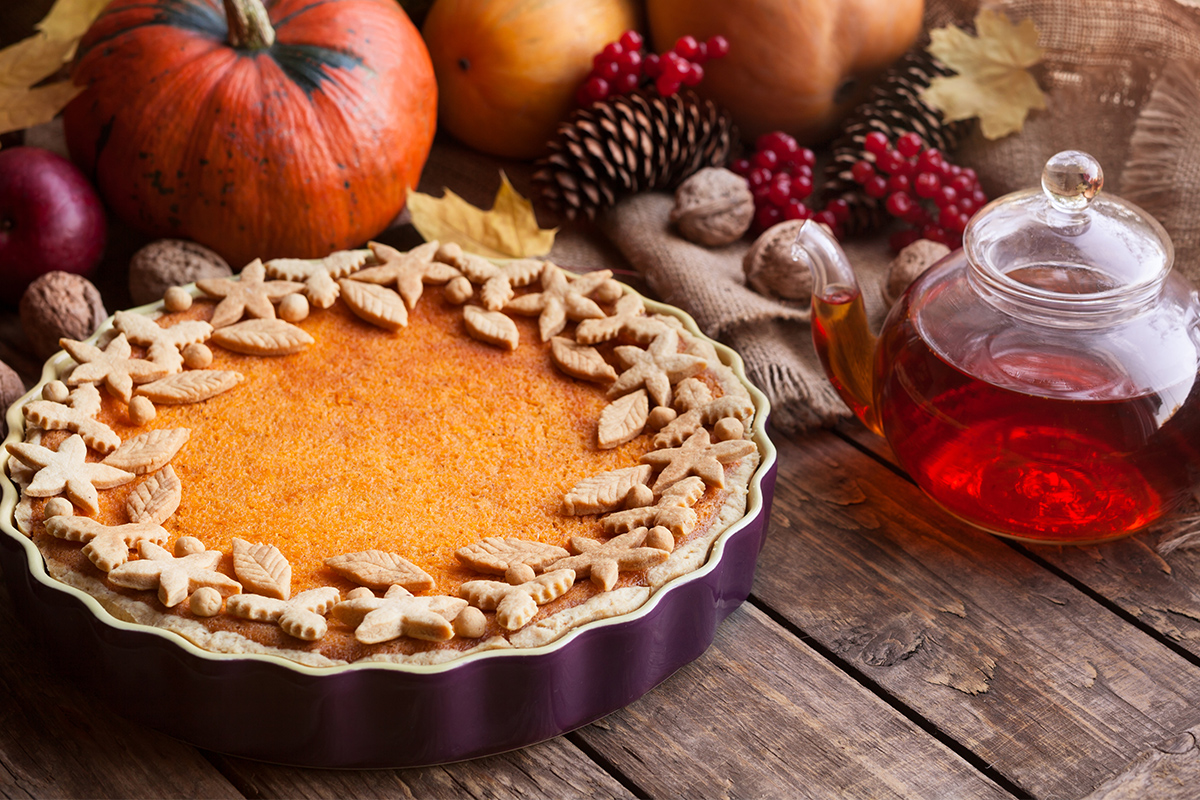
Thanksgiving is an ideal time to reflect on what we are grateful for in our lives. It is also a time to recognize that, for many people, this time of year evokes difficult memories and is a time when being with family is not as joyful as it might be for others.
Knowing that with every life there is a unique history, we would like to offer 10 ways to observe Thanksgiving that can be enjoyed by anyone.
Before we dive in, however, we’d like to take a moment to thank you, our gym members, blog readers, and social media followers, for your continued support. We appreciate your trust in our team, your commitment to health and fitness, and the feedback you share to help us give our best!

Thanksgiving ideas to Revive Your Celebrations

01.
Invite a Friend or Family Member Who Might Be Alone for Thanksgiving
Even if your invitation is declined, everyone likes to feel included. Try broadening your invitation list this year and spread some feelings of warmth and welcome!

02.
Try Something Other Than Turkey
Every Thanksgiving, approximately 46 million turkeys are eaten! Save some turkeys from the dinnerplate and try alternative meat or plant-based choices.
You can easily make a main course out of fish, chicken, pot roast, and other meats, or take the vegetarian or vegan route and use hearty ingredients like mushrooms, squash, potatoes, cheese, and cauliflower to craft some delicious courses.

03.
Try Hosting a Friendsgiving
This seems to become more and more of a common practice with every passing year. Friendsgiving is essentially a Thanksgiving dinner that brings together your friends, their friends, and new people who become friends, over good food and great conversation.
With larger events, try asking your guests to contribute to the table by hosting a potluck-style event. This also encourage a diverse dinner spread because everyone’s cooking styles, food choices, and palates are unique!

04.
Spontaneous Exercise Challenge
Any time someone says the word you chose in step 1, everyone in the room has to do their selected number of their selected exercise. The number and exercise will stay the same throughout the evening, and you’ll have fun trying to find your way around these common Thanksgiving words!

05.
Plan a Pre-Event Gathering to Help Disperse the Workload
Plan a simple Pre-Thanksgiving gathering with your intended guests before your actual holiday feast. If you are able, walking to the store can help you steer clear of holiday traffic and impossible parking situations. Everyone can carry an item and even help you with some early preparations like decorating or cooking before the main event.

06.
Serve the Less Fortunate
Whether you’re getting together with others or planning to enjoy some time solo, serving others is a great way to participate in the Thanksgiving celebrations.
All you need to do is a quick internet search to find places in your area where you can volunteer. Don’t stop at serving food, however. If you can, sit and talk with the individuals and families who arrive to be served. Hear their stories, treat them like human beings, make eye contact and remember their faces. These small gestures can make a world of difference.

07.
Plan Ahead
Even your hosts want to enjoy the gathering of their friends and family. You can help make sure that no one is left in the kitchen while everyone else enjoys the festivities by offering your help at least once or twice.
If you are the host, try setting the table the night before. Lay out the plates, cups, napkins, and silverware, and any other items that don’t need to be refrigerated. This can help make your event day run more smoothly and with less last-minute scrambling.

08.
Agree to Leave Debatable Topics at the Door
Some gatherings are particularly difficult because of discussions that become debates and debates that become arguments.
Agree with your guests, prior to your event, that debatable topics should be set aside for the duration of your gathering.
09.
Start a New Tradition
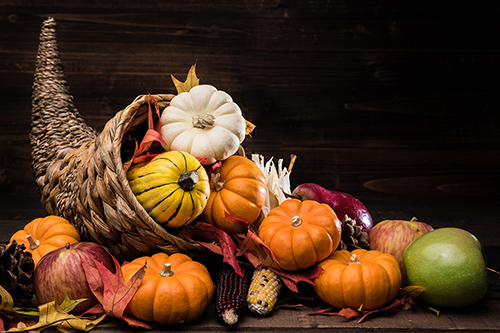
There are tons of simple but memorable things you can do to start a new tradition. It can be something like watching a certain movie, playing a game everyone loves, or creating a handmade addition for your cornucopia and adding a new one each year. This one is especially fun for new families or couples who want to commemorate each year of holidays in a special way.
If you want to go a little further, try signing up for a Post-Thanksgiving Turkey Trot! You can find events in your area, here.

10.
Get Creative with Your Leftovers
In the United States, Thanksgiving will be celebrated on Thursday, November 28th. Canada celebrates early in comparison, and observed this holiday on Monday, October 14th. In either case, leftovers are a certainty with any feast.
Whether you’ve frozen your leftovers from the 14th or are expecting more than you can manage tomorrow evening, you can get creative with your leftovers and enjoy them in inventive ways. Check out these turkey ideas to put a fun and flavorful twist on your post-event meals.
For some delicious salad dressing recipes from our registered dietitian, read her post on Homemade Salad Dressings 101. Or, listen to our podcast to hear about how to navigate the path between Fitness and Food This Holiday Season. To access our monthly blog post highlights, subscribe to our newsletter today!

We’ve all heard the outburst “I’m not hungry!” when a healthy meal is placed in front of an obviously low-fueled child. [And why, oh why, does this particularly happen after ordering an expensive dish or preparing a labor-intensive meal followed by said child eating half a loaf of bread?] Children certainly can be poor eaters, no doubt. With patience and creativity, parents can turn that into “Peas please, Mom!”
It all starts in infancy when the innate taste preference for sweet flavor (bitter foods were toxic in human history) is met with a bounty of fruity baby food; followed by edible treats from Grandma’s kitchen making their way into toddler hands. No wonder getting little ones to eat decent solid food can be challenging. It’s said that it may take 15 times of introducing a new food item before a child will eat it!
If your kiddo seems to eat the same thing day in and out, you may not need to worry. Food jags are generally okay lasting anywhere from a couple of weeks to a couple of months. Continue to offer nutritious choices and a child will eventually eat when they are hungry enough. Remember, feeding your child is about nourishment. If you engage in a battle of the wills, your child’s attitude toward food in general may lean toward the negative and his or her long-term nutrition may lose out.
Let’s talk about the elephant in the kitchen – vegetables. Children are known for eschewing them from their plates and failing to consume the recommended number of servings (see highlight/box below). Only a handful of veggies satisfy children’s preference for sweet, namely: carrot, corn, sweet potato/yam, tomato and acorn squash. We could write an entire blog just addressing ways to get your kid to eat more vegetables, but here we’ll name a few.
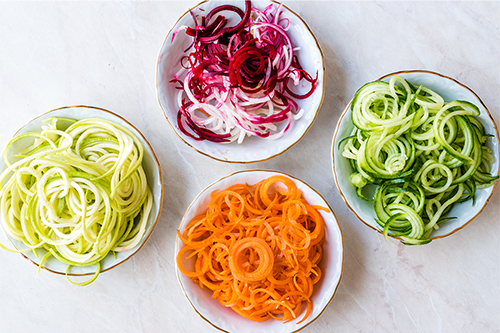
It may be the look. Who said they had to be served in leafy salad or in a naked cooked pile on the plate? Make it fun and appealing! Shred or spiralize vegetables to serve as a topping for sandwiches, burgers, pasta and more. Combine diced vegetables as ‘confetti’ with rice, quinoa or couscous.

Texture aversions present an opportunity to find ways of preparing foods in another manner with an acceptable mouthfeel. Slimy hot okra might be replaced by breaded okra bites. Stringy or leafy vegetables may be pureed into smoothies, soups or sauces. Freeze dried or lightly fried vegetable chips work well in lunch boxes.
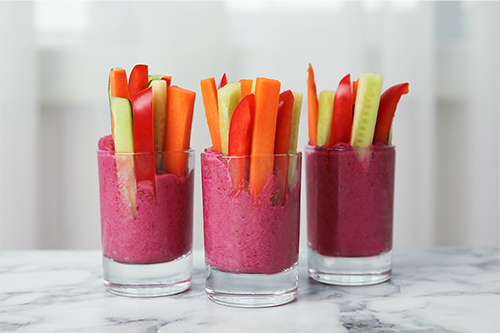
Don’t forget about between meal eating. Snacks are necessary for continued energy and offer a valuable time for additional nutrients, especially for small bellies that can only get so much at mealtime. Serve beet-blended pink hummus with crackers or pita bread.
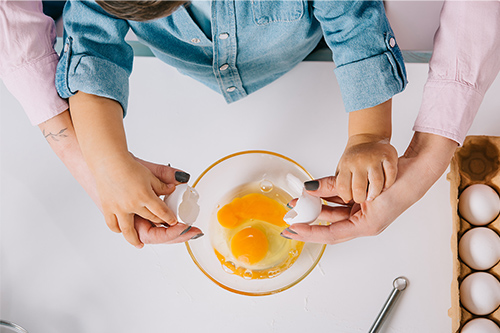
Involve Kids in Food Prep
To increase interest in food, try to get kids involved in cooking or at least preparing a few meals here and there. Children are more likely to try the fruits of their labor than if food is just presented to them. A four–year–old can scoop and stir, a six year old can pour and peel, an eight year old can measure and assemble, while a ten year old can cut and become more confident in advanced tasks. Children like to feed themselves, so finger-friendly foods assure independence at mealtime. To help promote a desire to eat, make sure kids aren’t full of empty calorie foods before meals — keep sweets and treats at a minimum.

Older children often make their own food decisions about what to buy from the school cafeteria or buy from vending machines and drive-through. There’s a reason why teens are stereotyped for their greasy fast food choices, soda and pizza consumption. In a way, adolescents are exerting their freedom from rules and parental control.
On the flip side, too much attention and focus on healthfulness of food can lead to dieting and an unhealthful preoccupation with nutrition among teenagers. Set clear expectations on how spending cash is to be used. It’s best to be a good role model, following habits and behaviors that demonstrate healthy choices, starting early when children are young.
At any stage of childhood, parents should consult with a healthcare professional if their child’s growth is no longer on trend for them individually. For specific eating behaviors and nutritional concerns, look for a Registered Dietitian who is a board–certified specialist in pediatric nutrition, designated by the CSP credential.
Recommended daily vegetable servings*
| Children | 2-3 years old | 1 cup |
| Children | 4-8 years old | 1-1.5 cups |
| Girls | 9-13 years old | 2 cups |
| Boys | 9-13 years old | 2.5 cups |
| Girls | 14-18 years old | 2.5 cups |
| Boys | 14-18 years old | 3 cups |
Cup vegetable equivalents (1 cup = 1 baseball or fist of an average adult)
| 1 cup | Tomato and other vegetable juices |
| 1 cup | Broccoli, Carrots, Green beans and other cooked chopped vegetables |
| 1 cup | Pumpkin and other winter squash |
| 1 cup | Peas, Corn and other starchy vegetables |
| 1 cup | Celery, Peppers, Cucumber and other raw crunchy vegetables |
| 2 cups | Spinach and other raw leafy greens |
*Reference: Daily Vegetable Table. USDA. www.choosemyplate.gov/vegetables July 18, 2019. Accessed 9.6.2019
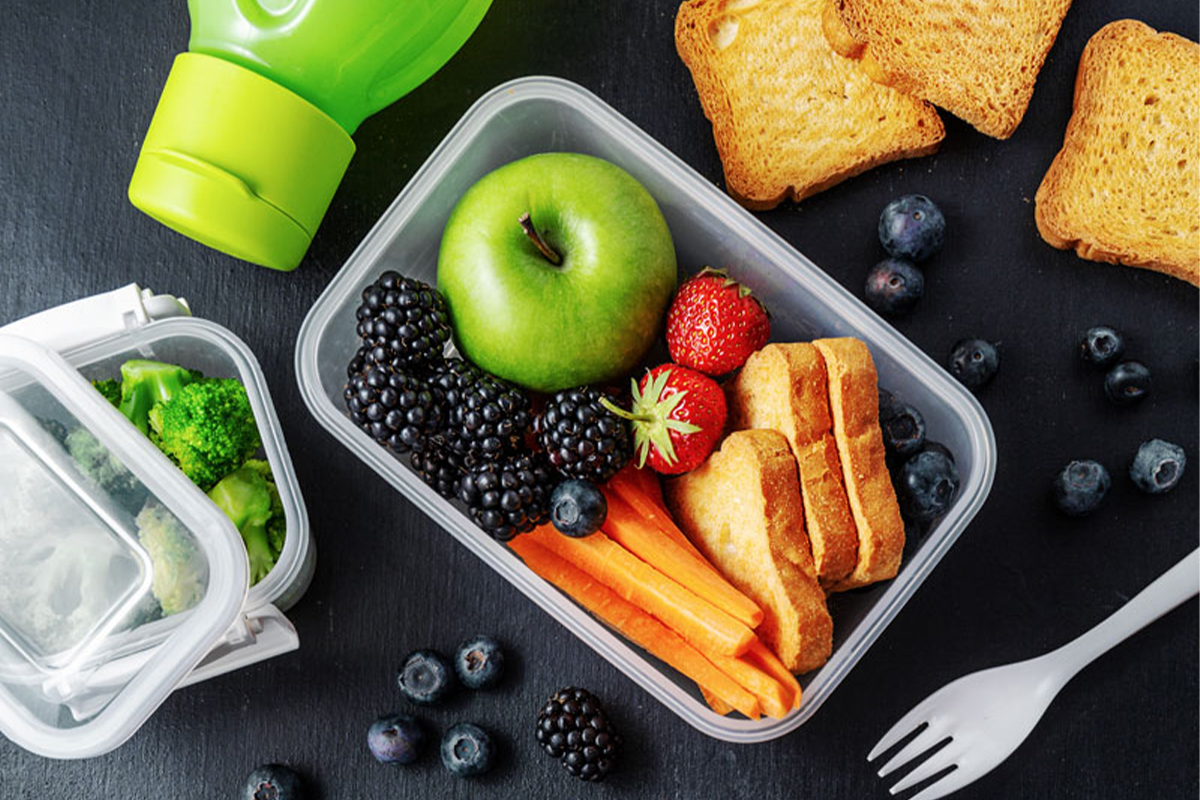
Snacks can easily be something to grab-n-go! Whether you invest a little effort to prep snacks ahead of time or purchase one of the many available options at the grocery store, a quick snack “helps bridge the gap between meals,” as Kimberlain puts it.
It used to be that eating between meals was a “no-no.” Snack food was often equated with junk food. But no more! Eating healthy snacks in between meals can give you an energy boost, keep you satisfied and help prevent overeating at meals. The right snacks can add fiber and nutrients to your day without an abundance of calories.
Many people know this but still end up stretched thin and starving by the next meal or dragged down by fat and calories. Why? Several obstacles can stand in the way of snacking smart. We dug in with the help of Amy Kimberlain, RD, Spokesperson for the Academy of Nutrition and Dietetics in Miami, Florida, to find solutions for seven common snack problems.

Follow These 7 Solutions
01.
NO PREP TIME
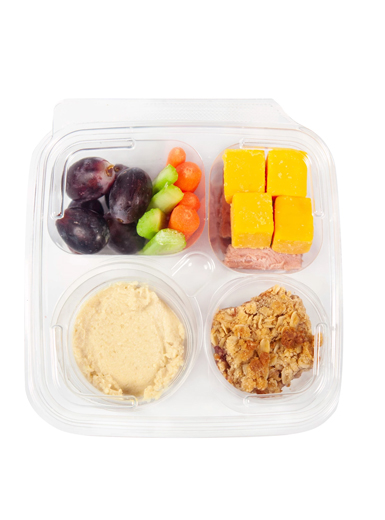
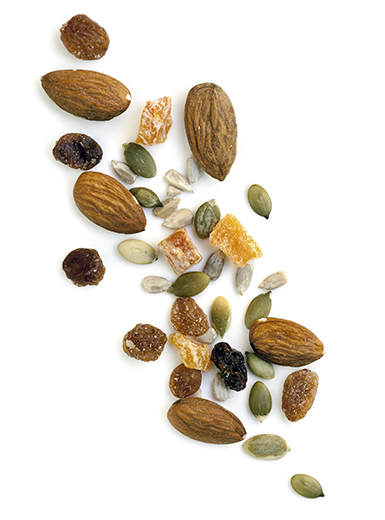
Snacks can easily be something to grab-n-go! Whether you invest a little effort to prep snacks ahead of time or purchase one of the many available options at the grocery store, a quick snack “helps bridge the gap between meals,” as Kimberlain puts it. She suggests protein packs, nuts pre-portioned with dried fruit or simply a banana or apple. An individual tuna salad kit complete with crackers is another quick option. Even a package of peanut butter sandwich crackers or small 1.5 ounce energy bar works.
02.
DIETING
If you think you need to avoid snacking to curb overall intake, think again. Kimberlain comments that “going too long without eating may sometimes lead to overeating.” Crunchy fruit or vegetables provide bulk with fewer calories, such as fresh fruit bowl, celery sticks, baby carrots, sliced cucumbers, mini bell peppers, and sugar snap peas. Those are light enough to combine with a couple tablespoons yogurt dip or hummus. Items under 150 calories like these Avocado Turkey Roll Ups and Strawberry Coconut Energy Bites, as well as low-sodium V8® juice, also serve for calorie-controlled snacking.

03.
CARDIAC DIET
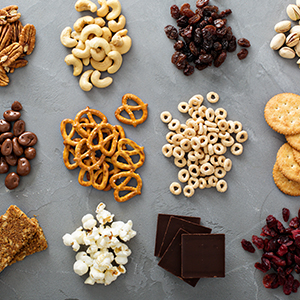
Sensible snack choices can be part of a heart-healthy diet! Low-saturated fat foods that have moderate protein or high fiber will satisfy between meals. Pick items with 2 or more grams of fiber per serving. Functional foods that include omega-3 fatty acids or calcium + vitamin D are also heart-smart. Our top recommendations include grapes & almonds, peach & nonfat cottage cheese, and a whole-wheat waffle with 1 Tbsp. peanut butter and a few berries. Create your own 3-ingredient trail mix with 1 cup pretzels or dry cereal, 1/4 cup raisins or other small dried fruit, and 1/4 cup cashews or pistachios; makes 4 servings.
04.
ATTACK OF THE MUNCHIES
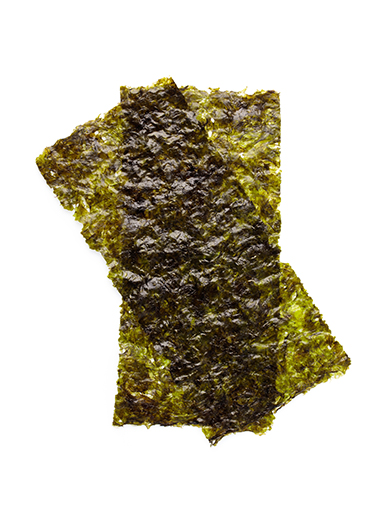
Having a salty, crunchy snack craving can lead you to grab a not–so–healthy treat. Goodbye chips — Kimberlain states, “There are several savory foods you can purchase ahead of time and portion out at home to meet your salt cravings. This way you can grab a healthy snack to take to work, instead of grabbing something salty from the vending machine.” Find a microwave low-sodium popcorn in single-serve (usually 100 calorie) bags. Try seasoned roasted chickpeas, dry roasted seaweed sheets or freeze dried crunchy veggies. Aim for 200 mg or less total sodium per snack.

05.
MEALTIME MISHAP
When you’ve missed a meal or are running a couple hours behind, cramming in a full meal before yet another one later may do more harm than good. Mini-meals that are filling yet calorie-controlled resolve this situation. Here are some of our favorites… Half quesadilla: whole wheat tortilla with a slice of reduced fat cheese, leaves of spinach and a spoonful of salsa, folded and pan warmed. Mini pizza: grain bagel half topped with marinara sauce and shredded low fat cheese, broiled until cheese is melted. Potato bites: split 4 creamer potatoes, scored and microwaved open-faced with broccoli bits, then topped with nonfat cottage cheese and a squirt of hot sauce.
06.
DESSERT DOWNFALL
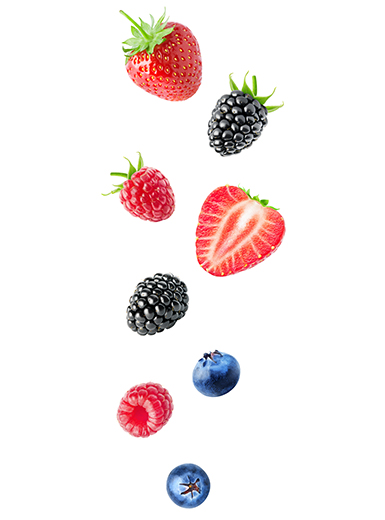
Instead of giving in to your sweet tooth’s urge for a dessert, consider healthy alternatives. Kimberlain says, “While it’s OK to indulge your cravings every now and then, there are healthier options out there that will help satisfy these cravings.” Try a slice of cinnamon toast or a few graham crackers instead of rich baked goods. Opt for flavored yogurt instead of ice cream or pudding. For a fruitier flavor, pop berries into your mouth for sweetness with each bite or mix diced apples with a couple spoonfuls light whipped cream and walnuts.

07.
NUT-FREE AND VEGETARIAN
There’s more to snacks than carb-loaded starches like pretzels for vegetarians who also need to avoid nuts. Protein helps you feel fuller longer, and meat-free protein sources are no exception. Kimberlain shares that “there are plenty of quick, nut-free snack options that pack lots of protein.” Her top suggestions are edamame, hard-boiled egg, hummus (or other bean dips), and cheese with fruit. A high protein skyr or Greek yogurt with granola is another good option, as is a sunflower seed butter + sliced banana–topped English muffin half.
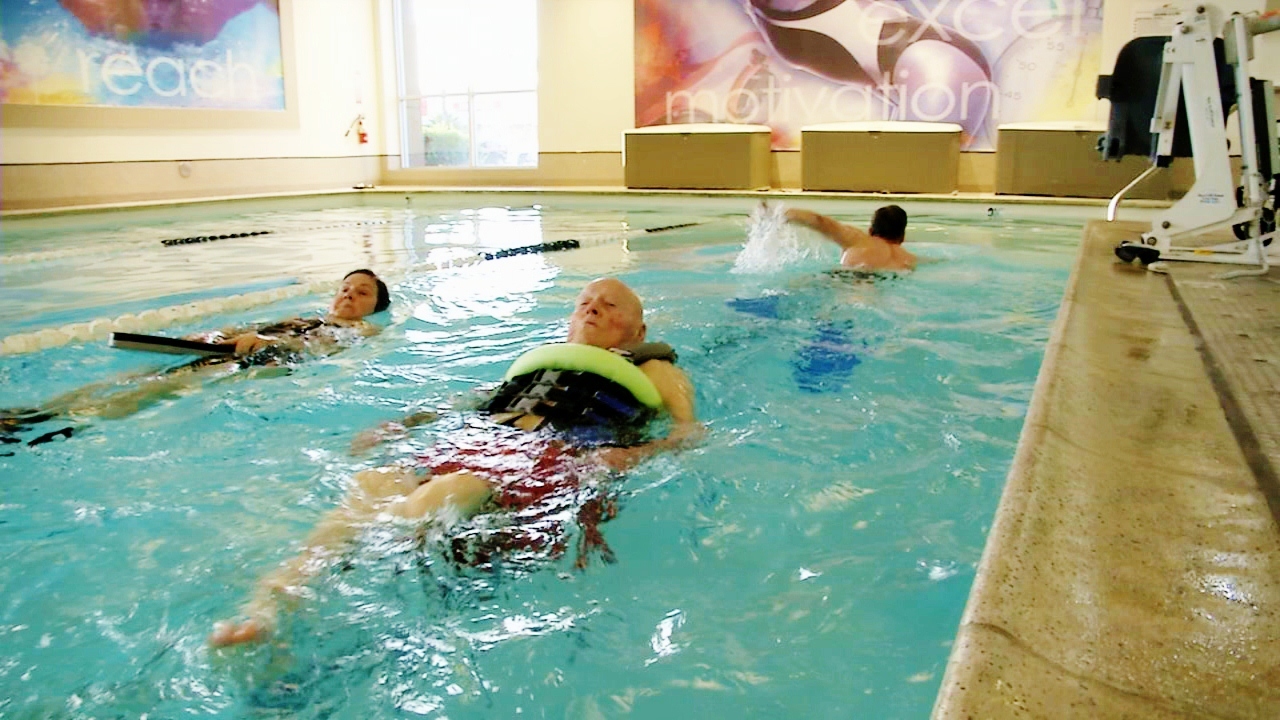

Watch this inspiring story of a son, his wife and their father. Three lives bonded by family, love and the will to swim through life together…one mile, one day, at a time.
Follow this link to subscribe and make sure you don’t miss a single article: http://bloglafitness.azurewebsites.net/subscribe/
Watch this inspiring story of a son, his wife and their father. Three lives bonded by family, love and the will to swim through life together…one mile, one day, at a time.