
10 Thanksgiving Ideas to Revive Your Celebrations

10 Thanksgiving Ideas to Revive Your Celebrations

Thanksgiving is an ideal time to reflect on what we are grateful for in our lives. It is also a time to recognize that, for many people, this time of year evokes difficult memories and is a time when being with family is not as joyful as it might be for others.   

Knowing that with every life there is a unique history, we would like to offer 10 ways to observe Thanksgiving that can be enjoyed by anyone.  

Before we dive in, however, we’d like to take a moment to thank you, our gym members, blog readers, and social media followers, for your continued support. We appreciate your trust in our team, your commitment to health and fitness, and the feedback you share to help us give our best! 

Thanksgiving ideas to Revive Your Celebrations

01.

Invite a Friend or Family Member Who Might Be Alone for Thanksgiving

Even if your invitation is declined, everyone likes to feel included. Try broadening your invitation list this year and spread some feelings of warmth and welcome! 

02.

Try Something Other Than Turkey

Every Thanksgiving, approximately 46 million turkeys are eaten! Save some turkeys from the dinnerplate and try alternative meat or plant-based choices. 

You can easily make a main course out of fish, chicken, pot roast, and other meats, or take the vegetarian or vegan route and use hearty ingredients like mushrooms, squash, potatoes, cheese, and cauliflower to craft some delicious courses. 

03.

Try Hosting a Friendsgiving

This seems to become more and more of a common practice with every passing year. Friendsgiving is essentially a Thanksgiving dinner that brings together your friends, their friends, and new people who become friends, over good food and great conversation. 

With larger events, try asking your guests to contribute to the table by hosting a potluck-style event. This also encourage a diverse dinner spread because everyone’s cooking styles, food choices, and palates are unique!  

04.

Spontaneous Exercise Challenge

  1. Agree on the selection of a word like “Turkey,” “Cranberries,” “Thanksgiving,” or “Gravy”
  2. Have each person pick a number between 1 and 5 
  3. Have each person pick a basic exercise like push-ups, jumping jacks, or squats 

Any time someone says the word you chose in step 1, everyone in the room has to do their selected number of their selected exercise. The number and exercise will stay the same throughout the evening, and you’ll have fun trying to find your way around these common Thanksgiving words! 

05.

Plan a Pre-Event Gathering to Help Disperse the Workload

Plan a simple Pre-Thanksgiving gathering with your intended guests before your actual holiday feast. If you are able, walking to the store can help you steer clear of holiday traffic and impossible parking situations. Everyone can carry an item and even help you with some early preparations like decorating or cooking before the main event. 

06.

Serve the Less Fortunate

Whether you’re getting together with others or planning to enjoy some time solo, serving others is a great way to participate in the Thanksgiving celebrations. 

All you need to do is a quick internet search to find places in your area where you can volunteer. Don’t stop at serving food, however. If you can, sit and talk with the individuals and families who arrive to be served. Hear their stories, treat them like human beings, make eye contact and remember their faces. These small gestures can make a world of difference. 

07.

Plan Ahead

Even your hosts want to enjoy the gathering of their friends and family. You can help make sure that no one is left in the kitchen while everyone else enjoys the festivities by offering your help at least once or twice. 

If you are the host, try setting the table the night before. Lay out the plates, cups, napkins, and silverware, and any other items that don’t need to be refrigerated. This can help make your event day run more smoothly and with less last-minute scrambling. 

08.

Agree to Leave Debatable Topics at the Door

Some gatherings are particularly difficult because of discussions that become debates and debates that become arguments.  

Agree with your guests, prior to your event, that debatable topics should be set aside for the duration of your gathering. 

09.

Start a New Tradition

There are tons of simple but memorable things you can do to start a new tradition. It can be something like watching a certain movie, playing a game everyone loves, or creating a handmade addition for your cornucopia and adding a new one each year. This one is especially fun for new families or couples who want to commemorate each year of holidays in a special way.  

If you want to go a little further, try signing up for a Post-Thanksgiving Turkey Trot! You can find events in your area, here. 

10.

Get Creative with Your Leftovers

In the United States, Thanksgiving will be celebrated on Thursday, November 28th. Canada celebrates early in comparison, and observed this holiday on Monday, October 14th. In either case, leftovers are a certainty with any feast.  

Whether you’ve frozen your leftovers from the 14th or are expecting more than you can manage tomorrow evening, you can get creative with your leftovers and enjoy them in inventive ways. Check out these turkey ideas to put a fun and flavorful twist on your post-event meals. 

For some delicious salad dressing recipes from our registered dietitian, read her post on Homemade Salad Dressings 101. Or, listen to our podcast to hear about how to navigate the path between Fitness and Food This Holiday Season. To access our monthly blog post highlights, subscribe to our newsletter today! 

How Laughter Improves Your Health

How Laughter Improves Your Health

The phrase “laughter is the best medicine” is widely known, but how did it come about? What are the reasons behind its presumed healing properties? Apparently, there’s some science behind this old saying. Laughter really does have the ability to boost your wellness! Not only can it improve your mood, it can also encourage blood flow, heighten your immunity, increase your intellectual performance, and set you up for a better night’s rest.1 

Tomorrow is National “Let’s Laugh” Day. Make some time to go down to a comedy club or to watch your favorite comedy at home. As you’ll soon learn, a little joy can go a long way! 

Blood Flow Benefits

Laughter can actually impact your physiology. To examine this, the University of Maryland Medical Center invited volunteers to watch funny and disturbing movies. While watching the movie that produced mental stress, the group developed a reduction of blood flow from the narrowing of their blood vessels. The opposite reaction was observed when they watched a movie that made them laugh. Their blood vessels dilated which increased blood flow. 

The endothelium, the inner lining of the blood vessels that is expanding or constricting, plays an important role in cardiovascular health. It’s plausible that laughter can help keep it healthy which, in turn, can help reduce the risk of cardiovascular disease.2 

Immunity 

Stress is known to lower your body’s ability to protect itself. Positive, stressreducing thoughts can release neuropeptides that help fight stress and potentially more serious illnesses.3 In addition to that, a study on laughter therapy found that laughing increases the number and activity level of natural killer cells that attack viral infected cells and even certain kinds of tumor and cancer cells.4 This means that laughter can naturally beef up your body’s defense mechanisms. Those are some powerful benefits!  

Intellectual Performance

Have you ever sat down to an exam, a difficult assignment, or a meeting, and felt too anxious to really give it your best? Laughter can help you improve your intellectual performance because it helps relieve your anxiety! In an experiment that tested this concept, participants who were exposed to funny cartoons before a mathematics exam performed better than participants who did not have this exposure.5 When anxiety cannot impair your thinking, it is easier to perform intellectual tasks. 

Better Sleep

Because laughter stimulates blood circulation and helps your muscles relax, physical symptoms of stress are allowed to dissipate.3 Reducing your stress levels can help your body reach the state of relaxation it needs in order to fall asleep and to sleep more restfully. A key finding among studies that examined laughter therapy and its effects on depression and sleep was that once a week was insufficient. Laughter therapy provided more than twice a week was shown to improve both depression and quality of sleep in participants.6 

It seems the old saying has some merit! Even if some of its effects are minor or gradual, there’s no doubt the body can benefit from a good laugh. Read up on more interesting health topics and stay in-the-know by subscribing to our monthly newsletter! 

10 Everyday Items That are Covered in Germs

10 Everyday Items That are Covered in Germs

Good health starts with good hygiene practices. Many of these everyday items are not our first thought when we think of germs, but if you know it’s there, you can do more to protect yourself from illnesscausing pathogens. Promote healthy living by keeping your immune system strong with nutritious food and regular exercise, and by washing your hands often (especially after touching or using any of these germy everyday items). 

Cash

Cash is notoriously germy and can carry potential pathogens like E. Coli, Staph bacteria, and salmonella.1 While you won’t get sick just from touching it, you can get sick if you eat or if you touch your nose or mouth before washing your hands.

Cellphone

Be truthful with yourself for just a minute. Has your phone accompanied you to the bathroom even once? Even if it hasn’t, research has found that phones carry tons of bacteria, including the kind that cause strep throat, the flu, and yeast infections.2 It’s a good idea to sanitize your phone regularly! You can use an alcohol-based wipe or a cotton ball with a light coating of rubbing alcohol.

Your Purse, Backpack, or Wallet

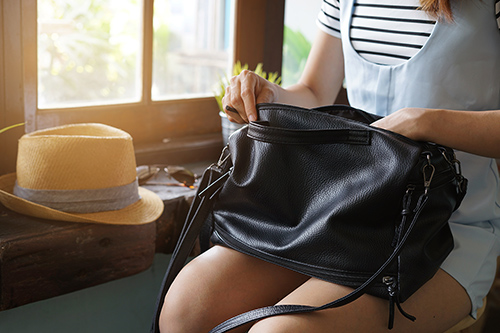
These items go everywhere with you. Your purse or backpack will often go to the bathroom with you, get set on the floor, and carry germy items like your phone and cash. Your wallet is no exception, especially if you carry it in your pocket where the warmth and humidity created by your body provides the right environment for bacterial growth.

Pin Pads

Every time you purchase something and use a pin pad or other electronic check-out device, you are touching something that hundreds of others have touched too. They aren’t sanitized between each guest, so we’re not surprised at the research that states there are as many bacteria on pin pads as there are on toilet seats!3

Remote Control

When you get home and just want to wind down with some of your favorite shows, you may want to consider what’s living on your remote control. When was the last time you wiped it down? If you’ve ever munched on snacks while watching T.V., you may have grabbed the remote to turn down the volume or changed the channel when your hands weren’t exactly clean. We all know what loves to live on sticky, oily, foodcovered surfaces.

The Gasoline Pump

The gas pump is packed with germs, probably because they’re never or rarely cleaned! A study by the University of Arizona found astoundingly high numbers of microbes on gas pump handles. 71% of the inspected handles had microbes associated with illness and disease.4

Refrigerator and Microwave Doors

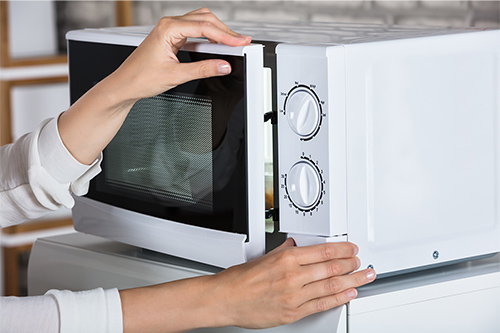
For the same reason you want to clean other surfaces that come into contact with food, you’ll want to clean your refrigerator and microwave doors. Not only are they commonly touched, but you may be touching them when you’re in the middle of food prep. Washing your hands before you eat is a good way to keep bacteria that was on your hands from entering your body. Follow the same principle for the surfaces you touch just before you eat.

Air Dryers

Air dryers in public restrooms circulate the bacteria in the air and deposit it on your freshly washed hands. According to Healthline, the bacteria doesn’t come from within the air dryer itself. The movement of air essentially collects the freefloating bacteria5 (which is already going to be more plentiful in a public space). Your best bet is to dry with paper towels. Fortunately, more and more tree-free products are hitting the market, so you don’t have to feel too guilty.

Toothbrush Holders

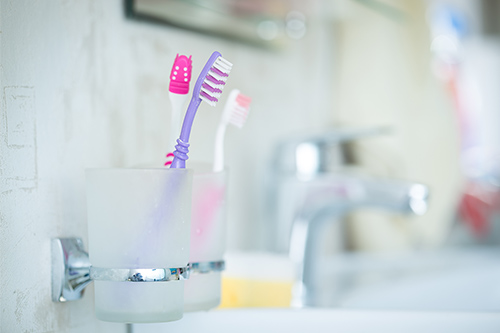
Because it’s so close to the toilet, your toothbrush holder can be teaming with bacteria. One flush can unleash fecescontaining aerosols6 from the toilet and release them into the bathroom where they can land on anything. Considering it holds a brush that goes in your mouth, try sanitizing it by popping it in the dishwasher (if it’s dishwasher safe) or washing it with hot soapy water. 

For more articles like this one, and to keep up to date on our fitness, nutrition, and wellness articles, subscribe to our monthly newsletter, today! 

What You Should Know About Women’s Depression

What You Should Know About Women’s Depression

International Women’s Day

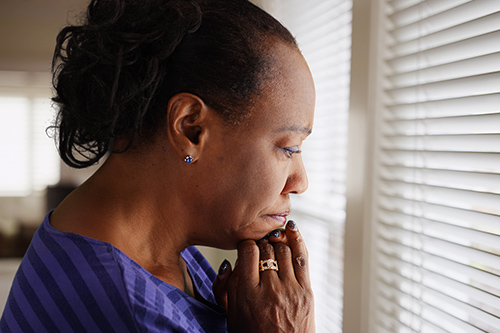
This Sunday is International Women’s Day. The day is dedicated to women’s rights, to recognizing key achievements, and to acknowledging all that still needs to be done. We’d like to contribute to the day’s spotlight on women by discussing an important piece of women’s health: mental health. 

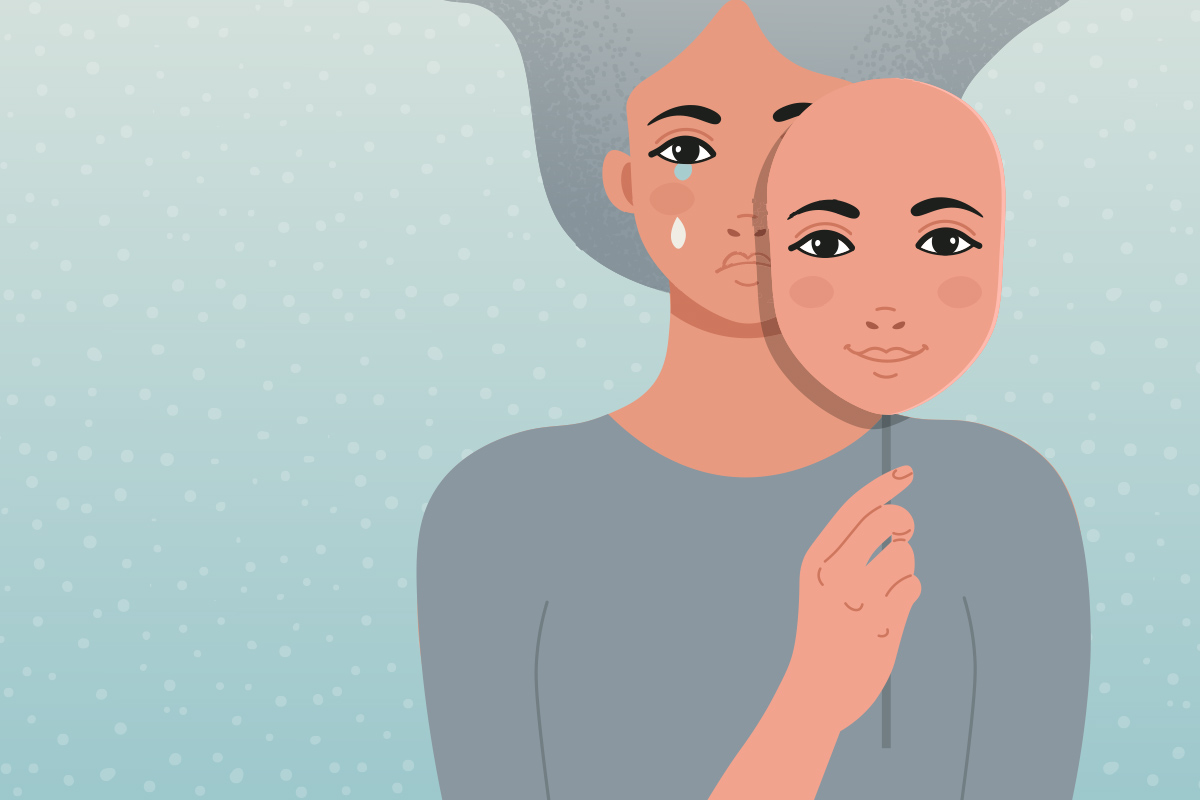
Depression affects both men and women, and it’s not just a bad case of sadness. It doesn’t always have a reason and isn’t gender, age, or lifestyle exclusive; it happens to everyone.  

Our focus is on depression today because of its prevalence. We hope that all readers can benefit from today’s article but would also like to note that this issue is more present among women than it is among men. This is likely due to certain biological, hormonal, and social factors that are unique to women.1 It’s an appropriate time to bring the discussion to the table and to offer up some helpful information. 

Is Depression Normal?

No. Depression is not just a part of life or something you have to live with. It’s a medical condition with many models of treatment. Yes, depression is common, but it’s also serious. It’s important to remember that sadness and grief are normal and healthy parts of the human experience. Only your healthcare provider can help you determine whether your symptoms indicate depression, but if you would like to reference a description of potential symptoms, you can find one here 

Will it Go Away on Its Own?

Depression typically requires treatment, either in the form of therapy (which isn’t scary or something to be ashamed of by the way), medication, or sometimes a combination of both. A statement from an article by the National Institute of Mental Health deserves to be reiterated here:You can’t just ‘snap out’ of depression. Well-meaning friends or family members may try to tell someone with depression to “snap out of it,” [or to] “just be positive,” but depression is not a sign of a person’s weakness or a character flaw.” Often, the reason a person is depressed stems from something that’s out of their control (like a biological, psychological, or environmental factor)1. 

Why Do Women Experience Depression More Than Men?

The Mayo Clinic offers a nice breakdown of the various elements that make depression more commonplace among women. It demonstrates exactly what it means to have biological, psychological, and environmental factors in play. We will briefly describe them here, but if you would like to read about them in greater detail, you can read the Mayo Clinic’s article on Depression in Women.

Puberty

Certain factors that emerge during puberty, like sexuality and identity issues, conflicts with parents, and increasing pressure to achieve in various areas of life, contribute to the emergence of depression. These factors apply to boys as well, but because girls typically reach puberty earlier, they are likely to develop depression earlier; this depression gender gap may continue throughout life.2 

Premenstrual Problems

Most of the time, premenstrual syndrome (PMS) symptoms are minor and short-lived. Some women, however, experience severe symptoms that are significantly disruptive to their lives. This increased severity turns PMS into a type of depression that generally requires treatment.2 

Pregnancy

Dramatic hormonal changes during pregnancy or during attempts to become pregnant can contribute to depression. There are also many other lifestyle, relationship, work, and social factors associated with pregnancy that play a role.2

Post-Partum Depression

Many new moms experience sadness, anger, and irritability after giving birth, but serious and long-lasting depressive symptoms may point to post-partum depression. This occurs in about 10-15% of women.2 

Peri-Menopause and Menopause

The erratic fluctuation of hormone levels can increase the risk of developing depression. Other factors like poor sleep and weight gain also play a part.2

Life Circumstances and Cultural Stressors

Unequal power and status, work overload, and sexual or physical abuse, also contribute to depression in women. These factors occur in men too, but usually at a lower rate.2 

What to Do if You or Someone You Know is Exhibiting Signs of Depression

For the person experiencing depression, the most difficult part of treatment is recognizing the need for it and seeking help. A good first step is to talk to your doctor. They can help assess your symptoms and point you in the right direction. 

If you would like to help someone who is struggling with depression, the best thing you can do is to be present. Show your support by listening and asking how you can help. Sometimes the preferred help is simply that you sit with them for a while. Avoid giving unsolicited advice, minimizing the problem, or trying to “fix” how the person is feeling.  

Depression is not to be taken lightly, and the risk of suicide is very real. If you believe your loved one is at risk for suicide, do not leave them alone. In the U.S., call 911 or the National Suicide Hotline at 1 (800) 273 – 8255. The new 3-digit national crisis hotline (988) is not yet active. In Canada, call the Canada Suicide Prevention Service at 1 (833) 456 – 4566. For anywhere else in the world, visit the International Association for Suicide Prevention to find resources and helplines for wherever you are. 

For more articles like this one, read our article on the Elimination of Violence Against Women. To stay in-the-know on important health and nutrition topics, subscribe to our newsletter to receive monthly highlights from the Living Healthy Blog! 

Sources  

  1. “Depression in Women: 5 Things You Should Know.” National Institute of Mental Health, U.S. Department of Health and Human Services, https://www.nimh.nih.gov/health/publications/depression-in-women/index.shtml  
  2. “Women’s Increased Risk of Depression.” Mayo Clinic, Mayo Foundation for Medical Education and Research, 29 Jan. 2019, https://www.mayoclinic.org/diseases-conditions/depression/in-depth/depression/art-20047725  

10 Ways to Take Advantage of the Increasing Daylight

10 Ways to Take Advantage of the Increasing Daylight

Spring is rapidly approaching and, with it, those longer days of sunshine! With the exception of Hawaii, a large majority of Arizona, and a handful of U.S. territories like Puerto Rico and Guam, the clock will shift forward by one hour this Sunday, March 8th 

With more daylight, you can do a lot more with your evening hours. To enjoy that benefit, you’ll have to exchange your crisp blue morning for a darker one. Here are some tips for how to adjust to the darker morning, and how to make the most of your longer evening. 

Your Sleep Schedule

Your sleep schedule is getting thrown off again, when it seems you’ve only just gotten used to the new routine. Your circadian rhythm regulates your alertness or sleepiness, and it accomplishes this by assessing the light levels in your environment. Because your mornings will now be darker, you may notice greater difficulty with waking up. You might also have more trouble getting sleepy as your usual bedtime approaches because it won’t get dark until later.  

Turn on some lights when your alarm goes off in the morning to help you feel more awake and be mindful of the time in the evening so you can give yourself time to wind down before bed. 

Take Advantage of the Extra Evening Light 

The best thing about extra light in the evening, is that you can actually tackle your to-do list. With the extra daylight, these items no longer have to wait for the weekend. 

  1. Clean Out the Rain Gutters: If you have your own house, you’ve probably needed to clean these out at some point. You probably also know how dangerous it can be to do this job while it’s dark. Use your judgment to determine whether it’s best do this before or after the April showers.
  2. Do Some Gardening: Unless you really love nighttime critters, it’s a good idea to do your gardening in the daytime. You’ll have a better sense of the bigger picture you’re creating and also better gauge color and plant sizes.   
  3. Food Prep: Sometimes we just can’t get to this on the weekends. A little extra daylight can help give you that boost of energy you need to tackle this one on a weeknight! 
  4. Laundry: Mid-week laundry sessions can help you make up for the times you’ve let things pile up. Just like with food prep, the extra light can keep you energized during this monotonous chore.  
  5. Get Dusting: Natural light can help you see where the dust has been collecting. Take the opportunity to wipe off dusty surfaces and sweep or mop the floors. With allergy season looming, you’ll be glad you did! 

Add More Fresh Air to Your Week 

Your to-do list isn’t the only thing that can benefit from extra daylight. You can finally enjoy the outdoors again as the weather warms. Here are some ways to add a little more fresh air to your week. 

  1. Go for a Jog, a Walk, or a Cycling Session: Not only is it safer to do this in daylight, it’s also a perfect time for evening exercise. Once summer weather arrives, the day’s heat can make evening workouts far less enjoyable. If you’re accustomed to early morning exercise, make sure you wear bright, reflective clothing because the darker morning will make you less visible. 
  2. Go Out to Watch the Sunset: After a long day, you’ll actually have time to make it out to a good spot to catch the sunset. Don’t waste that opportunity! 
  3. Enjoy Your Dinner Outside: If you live in a part of the country that’s already serving up picnic weather, take your dinner outdoors and banish those wintertime blues. 
  4. Build Something: It’s not fun when you’re sanding, painting, or staining your project in artificial light and later realize it looks nothing like what you expected. Use your precious daylight to work on projects that need a bit of extra care.  
  5. Pause for Playtime: Take your pet to the park or give them some much deserved love and attention at home! Or, enjoy some time with friends or family that isn’t focused on homework or chores. 

How will you use your extra daylight? Share your thoughts in the comments below! Stay in-the-know on trending health and nutrition topics and subscribe to our newsletter to receive monthly highlights from the Living Healthy Blog!