
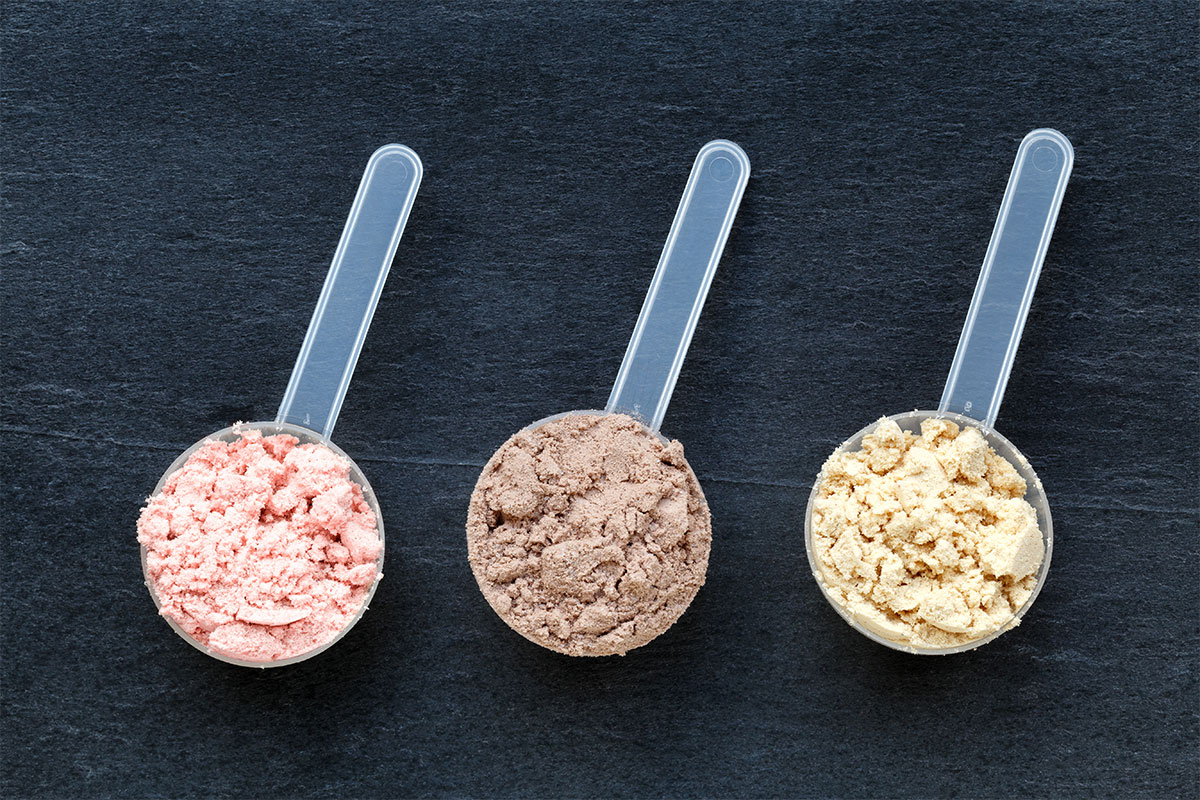
 Navigating the world of protein powders and supplements can indeed feel daunting, with countless options lining store shelves and online marketplaces. As you consider adding a scoop to your post-workout smoothie or exploring new ways to boost your nutrition, it’s easy to feel overwhelmed by the choices. However, fear not! Our guide to protein powders and supplements will help you make informed decisions on what to buy –or skip.
Are They Necessary?
You can achieve your physical goals without extra protein, just as you can get in a good workout without ever lifting a free weight or stepping on a treadmill. Here’s the caveat… If you are restricting calories then you may need a little more protein than usual to replace other fuel sources. Protein powders are also useful in situations of maldigestion/malabsorption or when the alternative is to miss out entirely when you have no other viable choice. Most lean protein sources are animal-based and need to be kept refrigerated which is difficult (but not impossible!) on the run.
Are They Beneficial?
The highest quality protein powder still won’t make up for a poor diet or eating habits! But for the three indications mentioned above, a protein supplement can prove a useful tool in one’s exercise arsenal. Depending on the protein source and other ingredients, a supplement can complement the rest of one’s nutrition.
While the quantity of protein you consume each day is important, the quality and timing of your meals can have just as much, if not more, impact than simply hitting your gram targets. Taking a supplement after a morning workout won’t necessarily help if you’ve already had a full breakfast. However, it can be beneficial with a low-protein lunch prior to an afternoon workout. Additionally, post-workout recovery is another chance to support your efforts, especially if it’s been hours since your last meal.
What Are My Choices?
Pure protein by itself is quite bland (think egg whites). So, protein as the main ingredient is usually offered in combination with a little carbs or fat …or a lot in the case of meal replacement shakes. Here’s a run-down of the top protein sources in powder form:
- Cow’s milk – provides casein and whey (heard of curds & whey?) which are high quality proteins providing all 20 amino acids. Casein is slower-digesting (good to tide you over between meals) and whey is quicker for immediate muscle use.
- Egg albumen – considered the gold standard with highest quality protein
- Peas – a non-allergenic (soy, dairy and egg-free) vegetarian choice
- Soy – a plant-based complete protein providing all essential amino acids (can’t be made by your body and need to be obtained through diet)
Powders offer a convenient, portable option to mix with your fluid of choice just prior to consumption. The cost should be about $1.50 per serving for a standard protein powder and a little more for specialty products. That price is comparable to plain cooked chicken breast which is more cost-efficient per gram than filet mignon …but not eggs or beans!
Ready-to-drink packaged shakes are usually shelf-stable but taste best cold. They may be upwards of $3-6 each but often provide more protein and/or calories with that convenience.
How Much Should I Have?
Considering that protein powder shouldn’t be a full replacement for protein in the diet, look for about 20-25 grams per serving (2 scoops). Many people will mix that into a glass of milk which already provides 8 grams protein per Cup. Using more powder means a thicker end result, unless you also use more liquid. Some products are clear or formulated to mix with water or juice.
Other Protein-Based Supplements
Now other protein-based supplements include amino acids (the building blocks of protein) and peptides (small protein fragments). Both are naturally formed during protein digestion, so taking them in supplement form is an expensive way to bypass that digestive process. While they may be indicated for malabsorptive conditions due to their higher bioavailability compared to solid protein, they are not beneficial for most people.
Certain essential amino acids, known as branched chains [BCAAs], are used more in cell growth. These BCAAs are also a fuel source for skeletal muscle so may preserve muscle glycogen stores and help reduce muscle breakdown induced by exercise. Read the Supplement Facts panel carefully – it may show a large number like 5000 mg but that’s only 5 grams of protein.
The Take-Away
Protein powders are convenient when ready-to-eat solid proteins, refrigeration and/or cooking are unavailable, but can be expensive. They won’t enhance your exercise routine unless you’re already optimizing your training and nutrition. Focus on a balanced diet and effective training to achieve your fitness goals.
Note: This blog post is a general guide and should not replace professional advice. Always consult with a fitness professional or personal trainer at LA Fitness for personalized guidance and support.