
Cue the sound of a revving engine… running your blender at home can bring goodness with that whirring noise! Creating your own smoothies is a great way to get in some nutrients and plant phytochemicals you otherwise wouldn’t during the day. It allows you to prepare multiple servings at one time (if you wish) and save money in the process.
Smoothies can be a good use of leftover fruit. Almost any will do! Bananas provide creaminess. Citrus and pineapple boost vitamin C content. Fruits with edible skin and seeds (like berries) offer more fiber. For vegetables, the best ones for blending are soft, sweet or high in moisture such as avocado, beet root, carrot, cucumber, pumpkin, spinach and tomato. These offer a range of minerals to up your micronutrient intake. For the smoothest texture avoid thick skins and stringy parts of celery and snap peas.
You can get more essential fatty acids by adding chia seeds, ground flax seed, hemp seeds or wheat germ. Use up to a tablespoon per serving for such enhancers. For a boost of B vitamins mix in a teaspoon of nutritional yeast or spirulina. Not sure where to start? Try these four basic single-serving smoothie recipes, substituting for any ingredients you’re allergic to:
GREEN MACHINE

½ Cup apple juice
½ Cup seedless green grapes
1 peeled kiwi, quartered (may cut out seeds if desired)
1 Cup spinach leaves
1/3 cucumber, cut into chunks (may peel if desired)
Optional: wedge of lime; sprig of cilantro or parsley
BERRY ZINGER
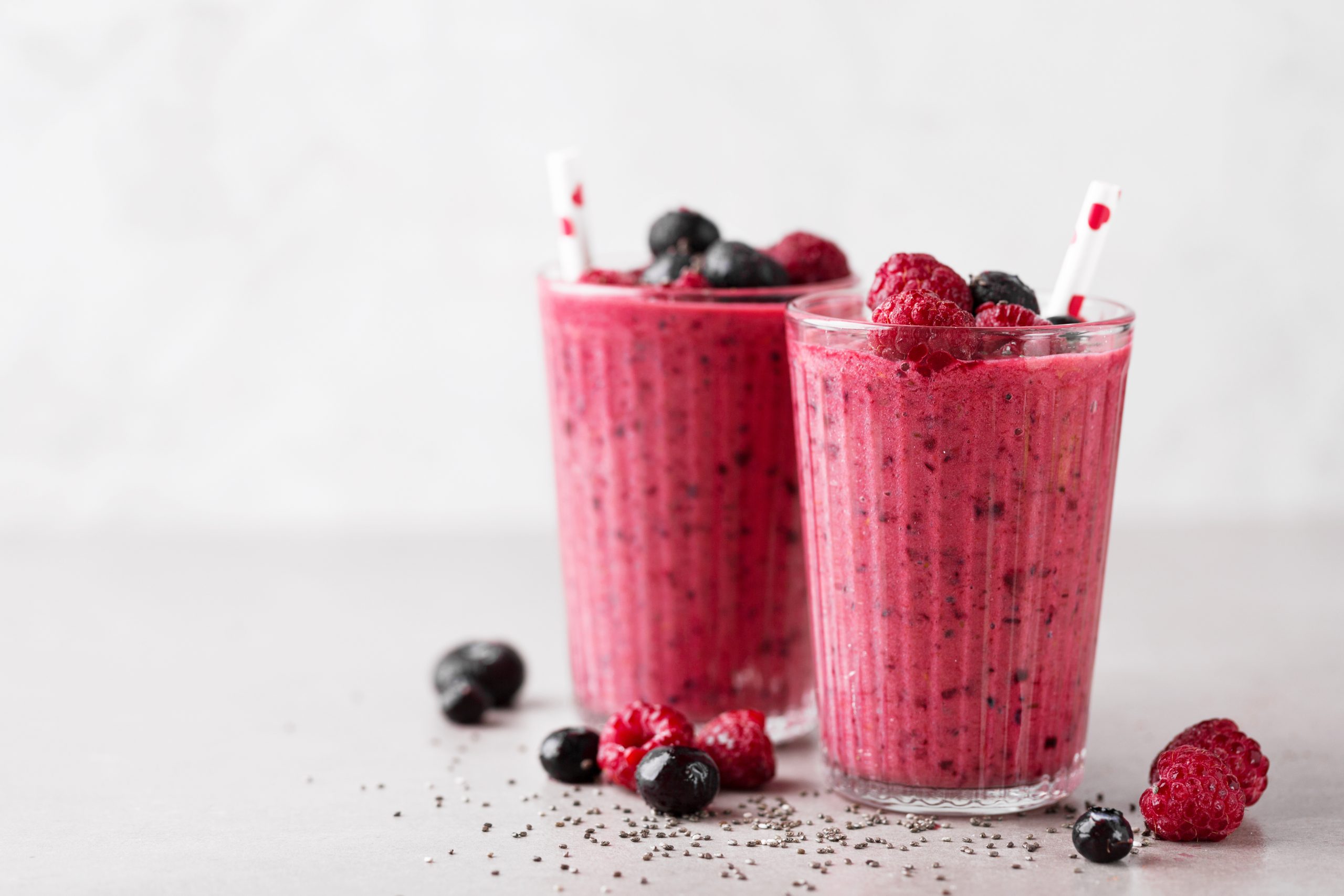
½ Cup pomegranate juice
½ Cup berries (any – raspberry, strawberry, blackberry, blueberry)
1 tomato, quartered
1 cooked beet, peeled & cut into chunks
Optional: 1/8 teaspoon ginger or turmeric; ½ Cup strawberry yogurt
SUNRISE

½ Cup orange juice
½ Cup pineapple, cut in chunks
½ Cup peach or mango
1 cooked carrot, cooled
Optional: lemon wedge
POWER BOOST
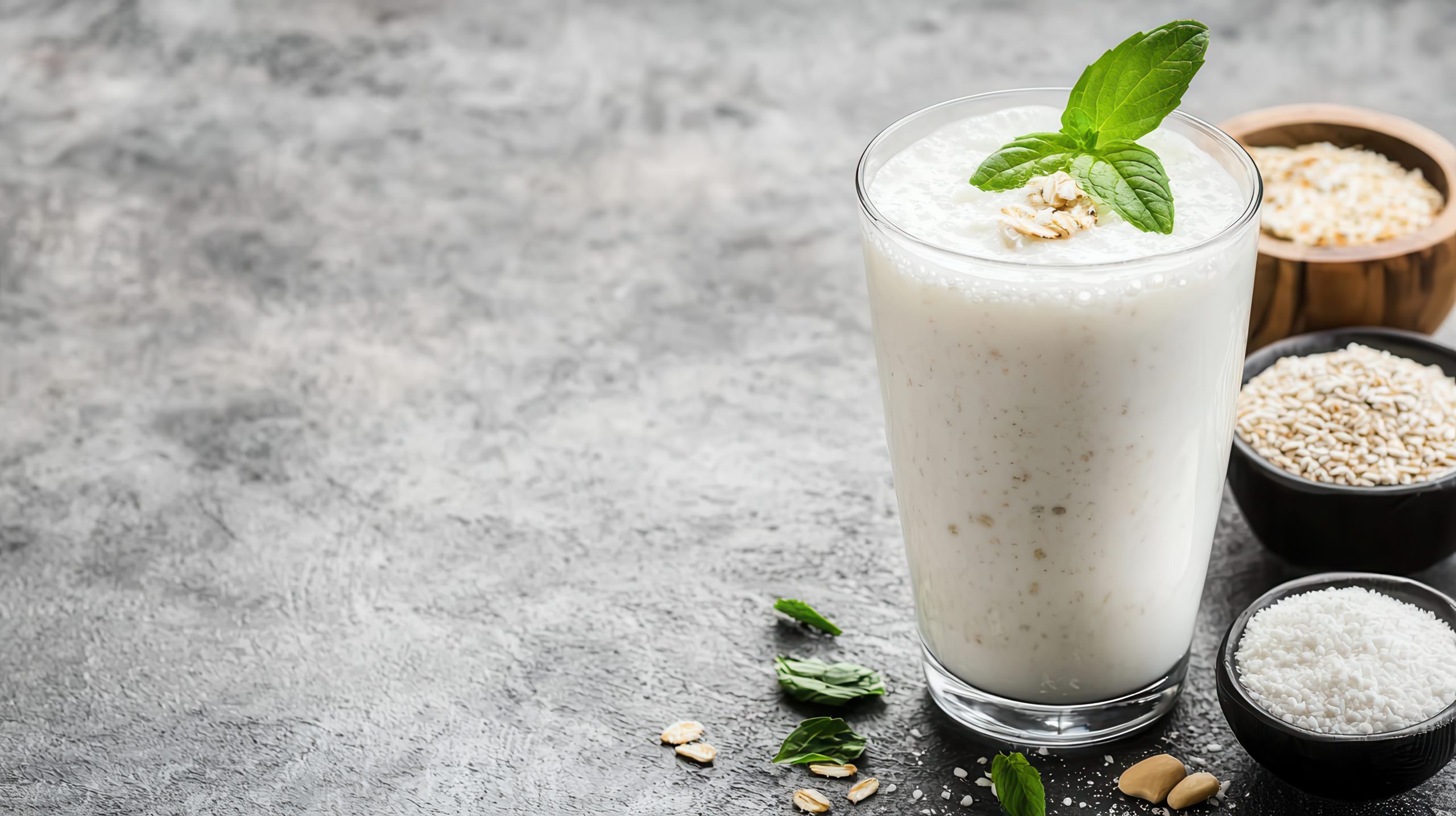
½ Cup vanilla nut milk
1 small banana, quartered
½ avocado, pit and skin removed
½ Cup vanilla high-protein yogurt
Optional: ½ teaspoon powdered green tea
Here are the best tips for blending healthy smoothies like a pro:
- Use a high-power blender. Ones with both single (16 fl oz) serving and pitcher (48-64 fl oz) size with multiple blades will serve you well.
- Dice and freeze the fruit ahead of time for a colder blend. Alternatively, use ice to dilute caloric density by increasing volume.
- For high-volume batch blending when extra servings are stored for later:
- Only add chia seeds or oats just prior to consumption to avoid pudding-like consistency.
- Skip citrus peels and heavy greens like mustard and dandelion to avoid bitterness.
- To manage consistency, adjust liquid as needed, adding a little at a time.
- Juice is preferable over agave nectar, corn syrup or honey.
- Water will dilute caloric density, but flavor too.
- Soy milk or pea milk are the best non-dairy options (rice, almond and coconut milk are lower protein).
- Don’t rush it! Process until smooth.
Feel free to play around with combinations to your taste and texture preferences. Add a scoop of protein powder if you wish. Punch up the flavor with cinnamon or vanilla extract. Make as much or as little as you would like. The options are limitless!
Resources: