
Everyone wants a flatter belly, especially when warmer weather dictates lighter clothing. When it comes time to hit the beach or pool, will you be ready to dive in? To even head in the direction of belly-baring status, you must first know thine enemy – your abdominal fat. Afterward, read on to see what you can do to help chisel a trimmer tummy.
No matter your current physique, the following approaches may help you achieve obtaining a flatter belly.
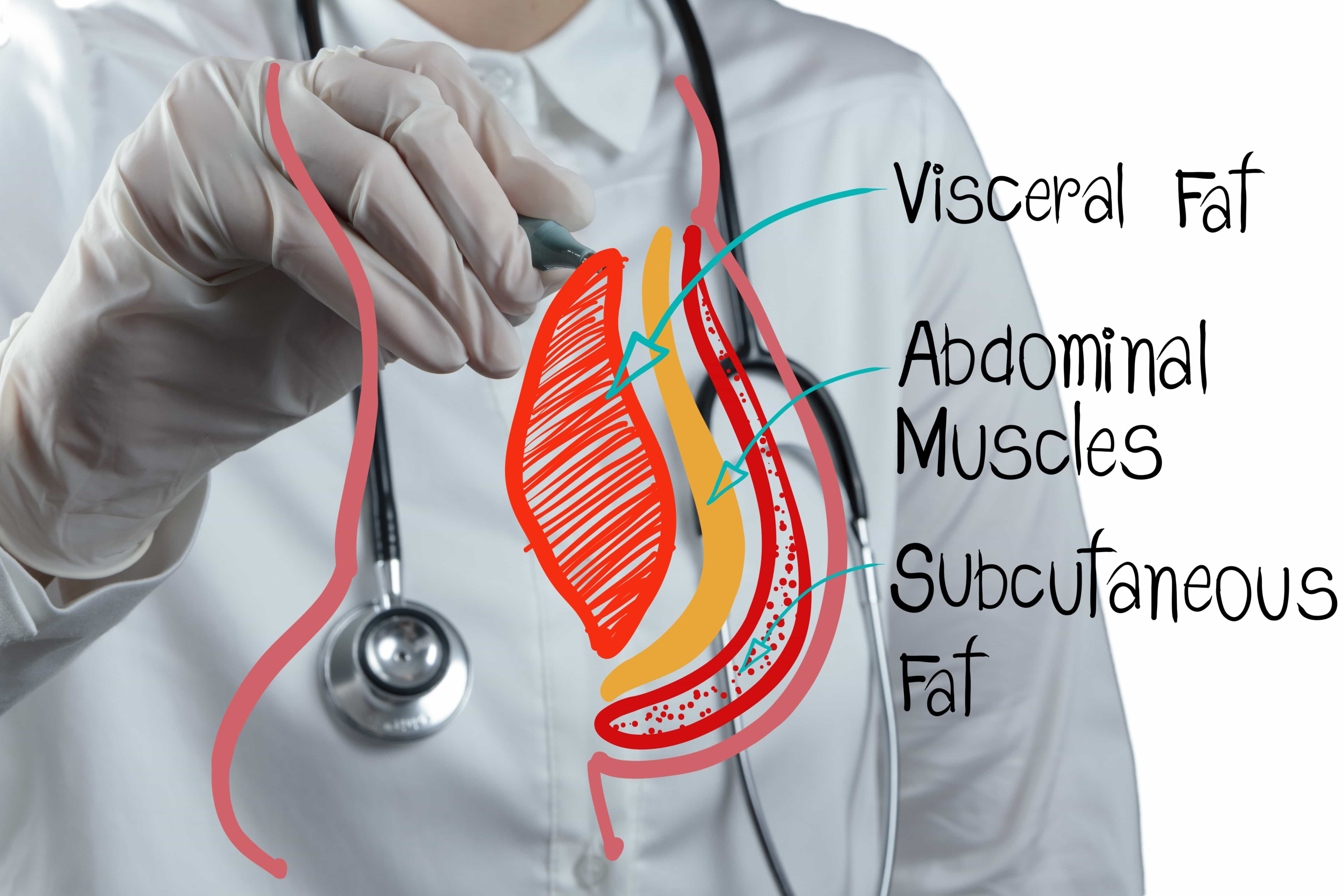
Your abdominal fat is actually in two places or compartments – under the skin (subcutaneous) and intra-abdominal (visceral) fat. The former lies above the abdominal muscles, the latter beneath. In simple view, here’s what they look like:
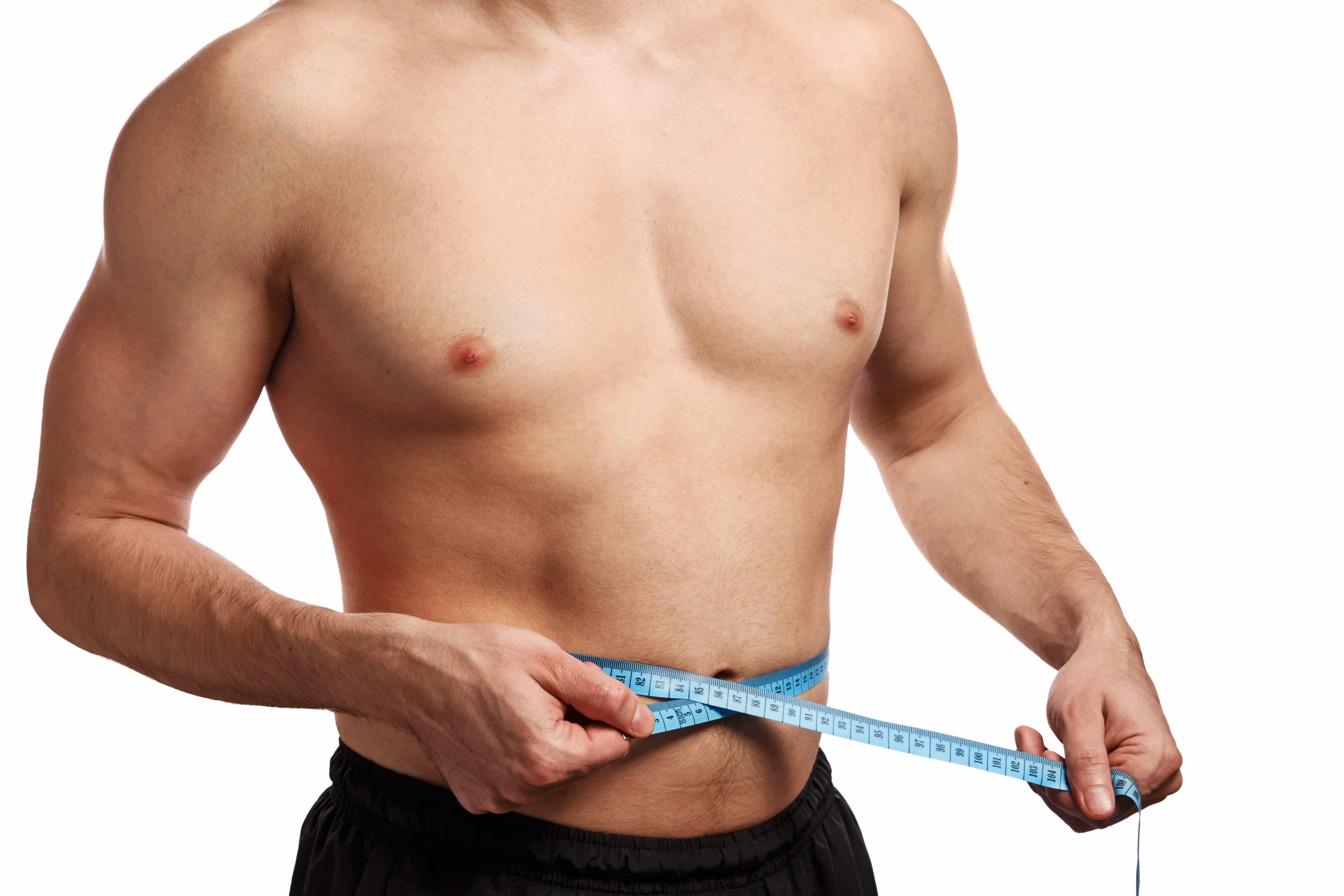
It just takes a quick measurement to see how much fat you’ve got and to track changes. Waist circumference can’t pinpoint where fat lies, but this measurement does correlate with overall abdominal fat. Total waist measurement depends on your body frame size, so it’s better to look at waist to hip ratio which shows how your belly area compares to your hips.
How to measure your Waist-to-Hip ratio (either metric or customary):
- Standing relaxed, with a flexible tape, measure waist at the smallest area – or if this is not apparent, mid-way between the lowest rib and top of the hip bone.
- With feet and thighs together, measure hips at the widest portion of your buttock.
- Divide waist measurement by hip measurement to get your ratio. The ratio should be less than 0.9 for men; less than 0.85 for women.
1. Exercise
Greater physical activity is associated with lower waist circumference and waist-to-hip ratio. It’s no secret that moving muscles are the furnace for fat burning. Exercise is really essential in fat metabolism. Exercise burns fatty acids (in processes called lipolysis and oxidation), contributing to reduction in body fat. Aside from exercise aiding in fat-burning, a developing theory is that fat cells, including those in the abdomen, are temporarily ‘starved’ when blood flow is focused to moving muscles.
True, you can’t spot reduce, selectively dropping fat from only one area of the body. But new research indicates that certain types of exercise can reduce belly fat more than others. While the same level of calories are burned with each, anaerobic high-intensity intermittent training has been shown to produce greater abdominal fat reduction than continuous aerobic training.1
2. Diet
Energy
Calorie restriction (regardless of energy source) affects both visceral fat and subcutaneous fat. This is only true to an extent, as very low calorie diets end up with the losses of visceral fat regained weeks afterward. In fact, modest weight loss, even 5% body weight for overweight individuals, is enough to reduce visceral fat, regardless of method. One study showed that 4 different calorie-reduced diets were equally effective in reducing abdominal fat, with most loss coming from subcutaneous fat.2
Composition
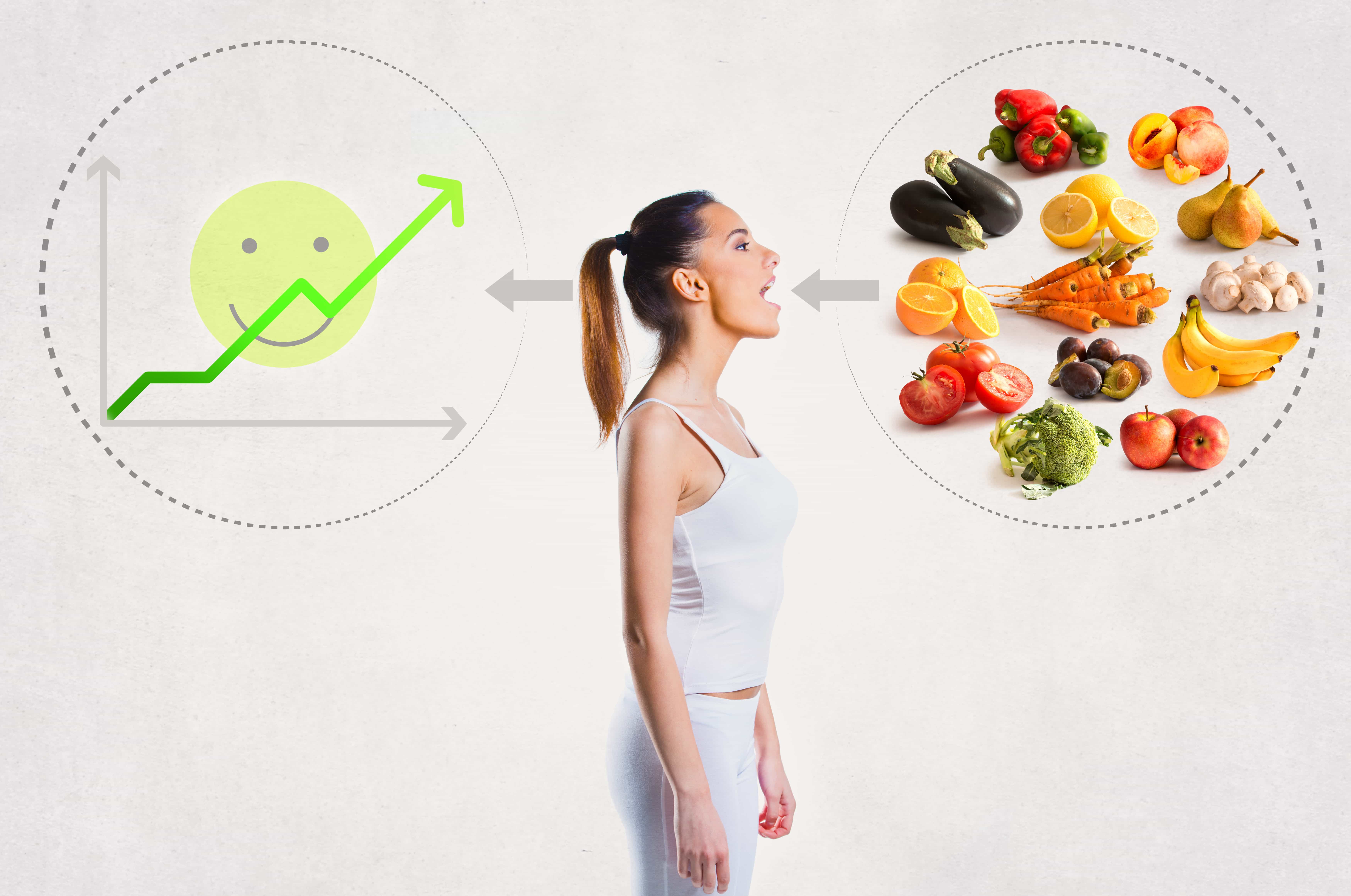
A greater intake of fat and carbohydrates, typical of Western diets, is associated with higher waist circumference. Conversely, those following a Mediterranean style diet were less likely to gain abdominal fat over 10 years.3 This style reflects a focus on plant-based foods (like vegetables, fruit, and whole grains) with moderate protein intake, minimal animal fats, and a prominence of olive oil, all resulting in a low saturated fat intake. The bulk of research indicates conventional nutritionally-balanced plans are as effective as high protein diets in reducing abdominal fat.

Green Tea
Green tea (vs. black) is made with the youngest leaves, which have the most catechins. See our related article – Nutrition is Sprouting this Spring!
At a certain threshold, catechin compounds in green tea can impact abdominal fat. These compounds (prominently EGCG) may affect the sympathetic nervous system in a way that influences fat distribution. It takes about the equivalent of 5 cups of tea, or 500 mg catechins, for an effect. Studies with significant finding used catechin-enhanced beverages.4,5 More is not better… consuming >800 mg ECGC in one sitting would be like slamming a gallon of green tea all at once, and instead of acting as an antioxidant (as it does at lower levels), you’d get pro-oxidant effects! Also, having smaller servings spread throughout the day is more effective than a single huge dose.
For the most catechins, look for quality packaging to ensure better storage with minimal exposure to oxygen, light, and moisture. Also, don’t take highly concentrated EGCG green tea extracts or supplements while taking acetaminophen.
3. Posture
Though it won’t change your belly fat, adjusting your posture could improve the appearance of your midsection. Tilt your pelvis when standing so that your tailbone is in (pointed down, not out), as shown to the right.
References:
- Abdominal fat reducing outcome of exercise training: fat burning or hydrocarbon source redistribution? Kuo CH and Harris MB. Canadian Journal of Physiology and Pharmacology. 2016 Jul; 94(7):695-8. doi: 10.1139/cjpp-2015-0425.
- Effects of 4 weight-loss diets differing in fat, protein, and carbohydrate on fat mass, lean mass, visceral adipose tissue, and hepatic fat: results from the POUNDS LOST trial. De Souza RJ, et al. American Journal of Clinical Nutrition 2012 Mar;95(3):614-25. doi: 10.3945/ajcn.111.026328.
- Mediterranean diet impact on changes in abdominal fat and 10-year incidence of abdominal obesity in a Spanish population. Funtikova AN, et al. British Journal of Nutrition. 2014 Apr 28; 111(8):1481-7. doi: 10.1017/S0007114513003966.
- Green tea catechin consumption enhances exercise-induced abdominal fat loss in overweight and obese adults. Maki KC, et al. Journal of Nutrition. 2009 Feb;139(2):264-70. doi: 10.3945/jn.108.098293.
- Effects of catechin enriched green tea on body composition. Wang H, et al. Obesity (Silver Spring). 2010 Apr; 18(4):773-9. doi: 10.1038/oby.2009.256.

This article should not replace any exercise program or restrictions, any dietary supplements or restrictions, or any other medical recommendations from your primary care physician. Before starting any exercise program or diet, make sure it is approved by your doctor.
Recommended Reading
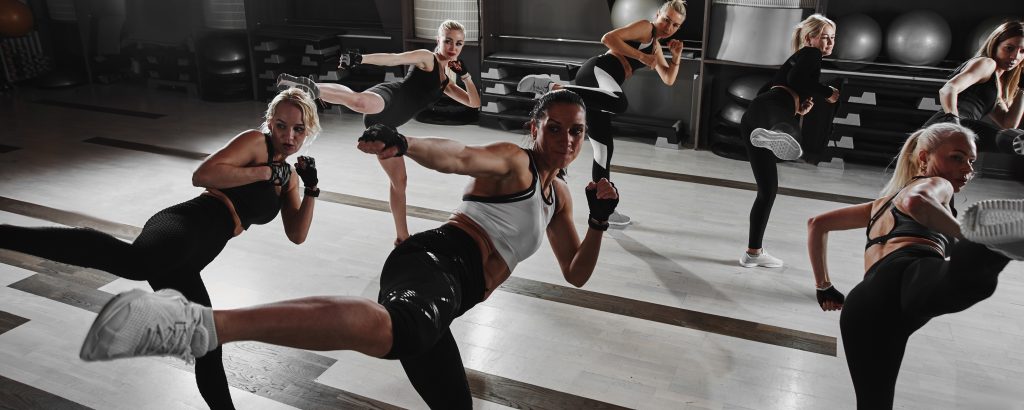
Kick into High Gear: Kickboxing Classes at LA Fitness
Are you searching for “kickboxing near me”? Stop the search party because you’ve struck fitness gold with Kickbox Cardio classes at LA Fitness. These classes aren’t just a workout, but an experience. With classes designed to kick, punch, bob, and weave your way to...
10 Thanksgiving Ideas to Revive Your Celebrations
The Holiday Season can get stressful, so we may stick to a routine for the sake of easy planning. Try any of these 10 simple ideas to bring new life to your Thanksgiving celebrations.

What is “Toys for Tots” and How Can I Participate?
By now, you may have seen some donation boxes at your local LA Fitness. If you haven’t been entirely sure what those boxes are all about, you’re in the right place!