
The caffeine in coffee, energy drinks* and energy shots is certainly a stimulant, but one that calls you back again to remedy a subsequent crash. It also acts as a diuretic and has other potential side effects including insomnia, headaches, irritability and nervousness.
* A word about “energy” drinks… Many contain B vitamins in addition to caffeine, which are really boosters for metabolic pathways to derive energy from food, as these micronutrients do not provide any calories directly and are not stimulants.
Consumers may not be aware that caffeine is being added to everything from jellybeans to beef jerky. Have you seen “wired” waffles? In response to this growing trend, the FDA announced in 2016 that it would investigate the safety of caffeine in food products. For our neighbors to the North, Health Canada institutes caffeine content limits in cola-type beverages and requires mandatory cautionary labelling.
Some natural caffeine sources include guarana, yerba mate, chocolate and tea. The last two only have a quarter to half the caffeine content of prepared coffee. Chocolate also has theobromine, which has direct psychoactive effects like stimulating neurovascular activity and enhancing memory and alertness. As far as tea, green tea that contains catechins which impact energy, mood and cognition separate from the caffeine effect.1
Chocolate and tea may give you some verve but are hardly a recipe for a full breakfast. What the body needs is energy in the form of molecules called ATP to activate muscles. These are provided from the calories in food during metabolism, and carbohydrates are the body’s primary energy source.
Juice contains mostly fructose and water, and is rapidly absorbed requiring minimal digestion, thus providing quick energy for a perk. Both citrus juices and cocoa-based drinks are rich in flavonoids, which may increase cerebral blood flow and increase neural activity.2
So what’s wrong with a typical bowl of corn flakes to go with a cup of juice, cocoa or tea? Refined grains fall flat of providing sustained energy. For that you’ll need complex carbohydrates and a little protein and healthy (unsaturated) fat. One type of complex carbohydrate, known as fructo-oligosaccharides, may boost mood by way of its effect on gut bacteria which influences behavior via neurotransmitter systems. Another type, inulin, is similar to fructo-oligosaccharides and linked to improvements in learning and memory tasks, such as accuracy in recall.3 Some lean protein and healthy fat serve to prolong the energy from carbohydrates.
Some specific natural energy foods to work into your morning routine for more oomph:


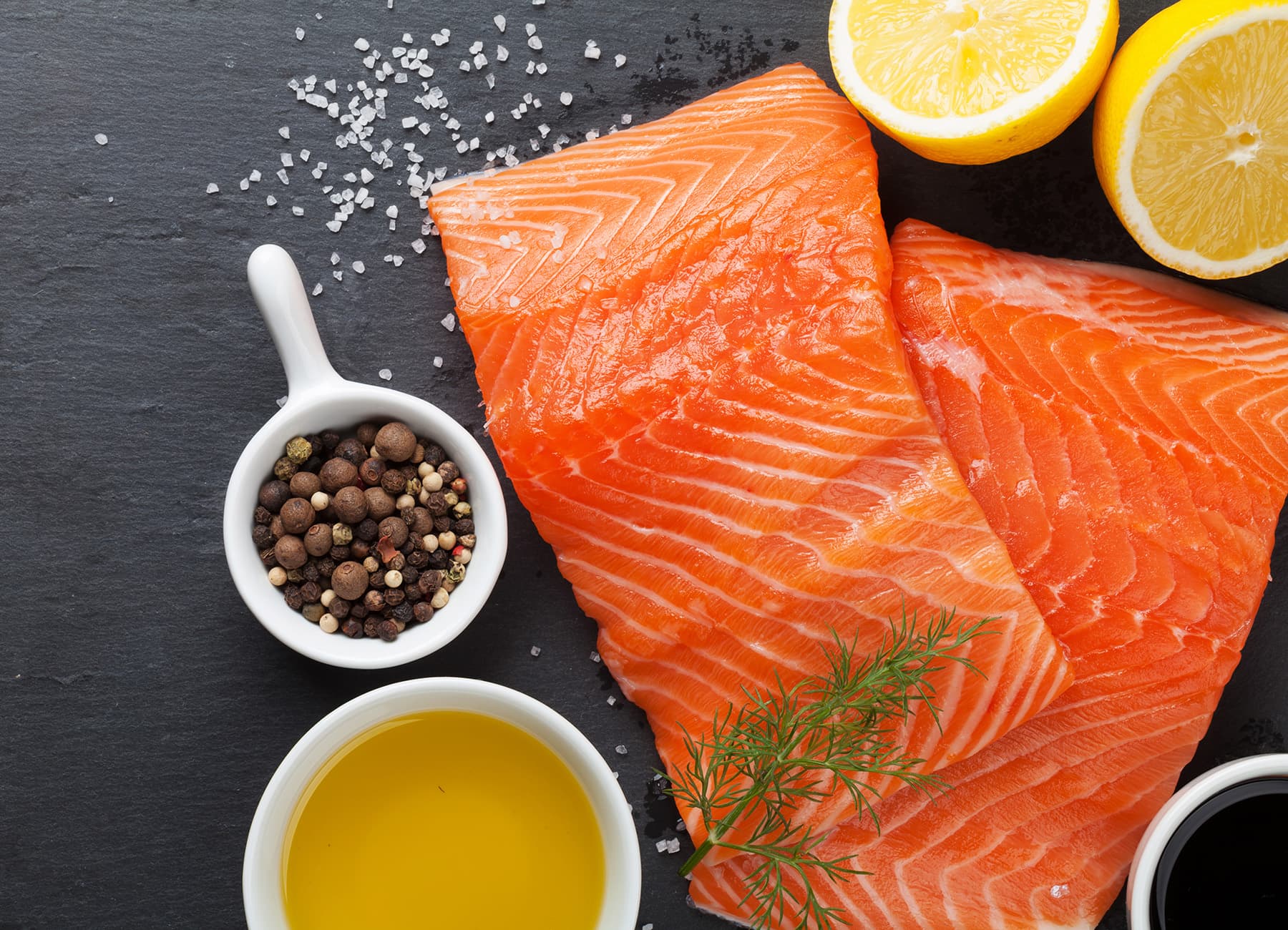
Salmon – Protein for sustained energy, plus unsaturated omega-3 fats for energy production, brain activity and circulation.

Gum – Chewing gum may enhance attention and promote well-being, probably from the motor activity of chewing which enhances arousal. Those that chew gum also report less stress! 4

Apple Cider Vinegar – A spoonful mixed with water and honey may give a pick-me-up for a burst of vitality.

Coconut – Its medium chain triglyceride fats are turned into energy quickly and efficiently.

Water – One of the symptoms of dehydration is tiredness. Cold water stimulates the nerve endings nearest your brain stem (those at back of throat and top of mouth) to give you a perk. Plus your body has to ‘rev up’ to warm your system.

Curry (turmeric, cinnamon, cumin) – These spices boost energy levels with antioxidants, promote good circulation and normalize blood sugar levels.

Oats – Just a half cup of this fiber-rich hearty grain will fuel you without a swollen belly afterward. Complement its protein with almonds, and add berries instead of sugar/maple syrup for natural sweetness.

Mint – A peppermint scent increases alertness and decreases fatigue. Menthol, one of the compounds in peppermint oil, is an activating aroma that makes you want to get up and go!

Eggs – Protein for sustained energy, plus iron and choline for blood and brain function.
Still a coffee addict? Try switching to half decaf coffee, an herbal coffee, or a tea (e.g. ginko biloba, ginseng, rooibos) to fill your mug. Don’t forget that getting those muscles moving will help circulate oxygen to the brain. See our article How Early Morning Workouts Can Impact Your Day | Fitness. If you’re slow to rise and an AM workout is out of the question, stretching is a great start.
– Debbie J., MS, RD
This article should not replace any exercise program or restrictions, any dietary supplements or restrictions, or any other medical recommendations from your primary care physician. Before starting any exercise program or diet, make sure it is approved by your doctor.
Sources:
- Effect of Green Tea Phytochemicals on Mood and Cognition. Dietz C, Dekker M. Current Pharmaceutical Design 2017 Jan 5. [Epub ahead of print]
- Flavonoid-rich orange juice is associated with acute improvements in cognitive function in healthy middle-aged males. Alharbi MH, Lamport DJ, Dodd GF, Saunders C, Harkness L, Butler LT, Spencer JP. Eur J Nutr. 2016 Sep;55(6):2021-9. doi: 10.1007/s00394-015-1016-9. Epub 2015 Aug 18.
- An Investigation of the Acute Effects of Oligofructose-Enriched Inulin on Subjective Wellbeing, Mood and Cognitive Performance. Smith AP, Sutherland D, Hewlett P. Nutrients. 2015 Oct 28;7(11):8887-96. doi: 10.3390/nu7115441.
- Chewing gum: cognitive performance, mood, well-being, and associated physiology. Allen AP, Smith AP. Biomed Res Int. 2015;2015:654806. doi: 10.1155/2015/654806. Epub 2015 May 17.

Want more? SUBSCRIBE to receive the latest Living Healthy articles right in your inbox!