Mid-Workout Snacks to Boost Your Energy | QA
Debbie James, RDN, helps answer a question about energizing snack options to pull athletes through the second half of a high energy workout.



I’m having major problems losing weight. Using MyFitnessPal to track calories. Consumed calories averages 1200. Exercise 400-600 per day. Alternate day’s cardio and weights. No major “wrong” foods etc. Weight constant at 159. Tried upping calorie to 1500 in case I was undereating but no change. What am I doing wrong, what do I need to change?
– Hemant P.

Since your age, height and weight are not stated, I’m unsure of your estimated energy needs. Definitely go with at least 1500 calories daily since you’ve not gained at that level. What those calories are comprised of matters a lot! Not knowing how you are actually eating, my general advice is to:


See our articles Am I Eating Too Little? | Q+A and Do you have any suggestions on small ways to increase the FIBER in my diet? for more insight.
– Debbie J., MS, RD
This article should not replace any exercise program or restrictions, any dietary supplements or restrictions, or any other medical recommendations from your primary care physician. Before starting any exercise program or diet, make sure it is approved by your doctor.
Some questions have been edited for length and/or clarity.

Want more? SUBSCRIBE to receive the latest Living Healthy articles right in your inbox!
 Have a nutrition question? Our registered dietitian is ready to help!
Email nutrition@lafitness.com or submit your question below and it may be featured in an upcoming article!

Debbie James, RDN, helps answer a question about energizing snack options to pull athletes through the second half of a high energy workout.

Registered Dietitian, Debbie James, helps answer a reader’s question about a good nutrition guide for a healthy pregnancy.
Registered Dietitian, Debbie James, helps answer a reader’s question about how to put on muscle while eating a clean diet.


Hi, I’m getting married next April and want to lose 50 lbs. I’m a male 6’4 currently 280 and 53 years young! Is this realistic? By the way, I’m getting married to a fellow LA fitness member I was dating and we are now engaged.
– Gabe R.
Woohoo! Congratulations, Gabe. Yes, it’s realistic for someone your age and size to lose 50 pounds in under a year. With regular exercise and significant dietary changes over the next 9 months, it is possible to reach your weight goal of 230 lbs. Check our other LA Fitness members’ weight loss achievements Keely’s Success Story, Footsteps Leading to Success, Mary’s 50 Pound Weight Loss Side-Effect, People Aren’t Recognizing Her! and those posted from the National Weight Control Registry at http://www.nwcr.ws/stories.htm.
You will need to maintain a consistent daily 1,000 calorie deficit and I would recommend you consume about 1800-2000 calories for now, so that means lots of physical activity. Later, if you reach a plateau or are nearing your wedding date, you can reduce to 1500 calories daily.
– Debbie J., MS, RD

This article should not replace any exercise program or restrictions, any dietary supplements or restrictions, or any other medical recommendations from your primary care physician. Before starting any exercise program or diet, make sure it is approved by your doctor.
Some questions have been edited for length and/or clarity.
Want more? SUBSCRIBE to receive the latest Living Healthy articles right in your inbox!
Have a nutrition question? Our registered dietitian is ready to help!
Email nutrition@lafitness.com or submit your question below and it may be featured in an upcoming article!
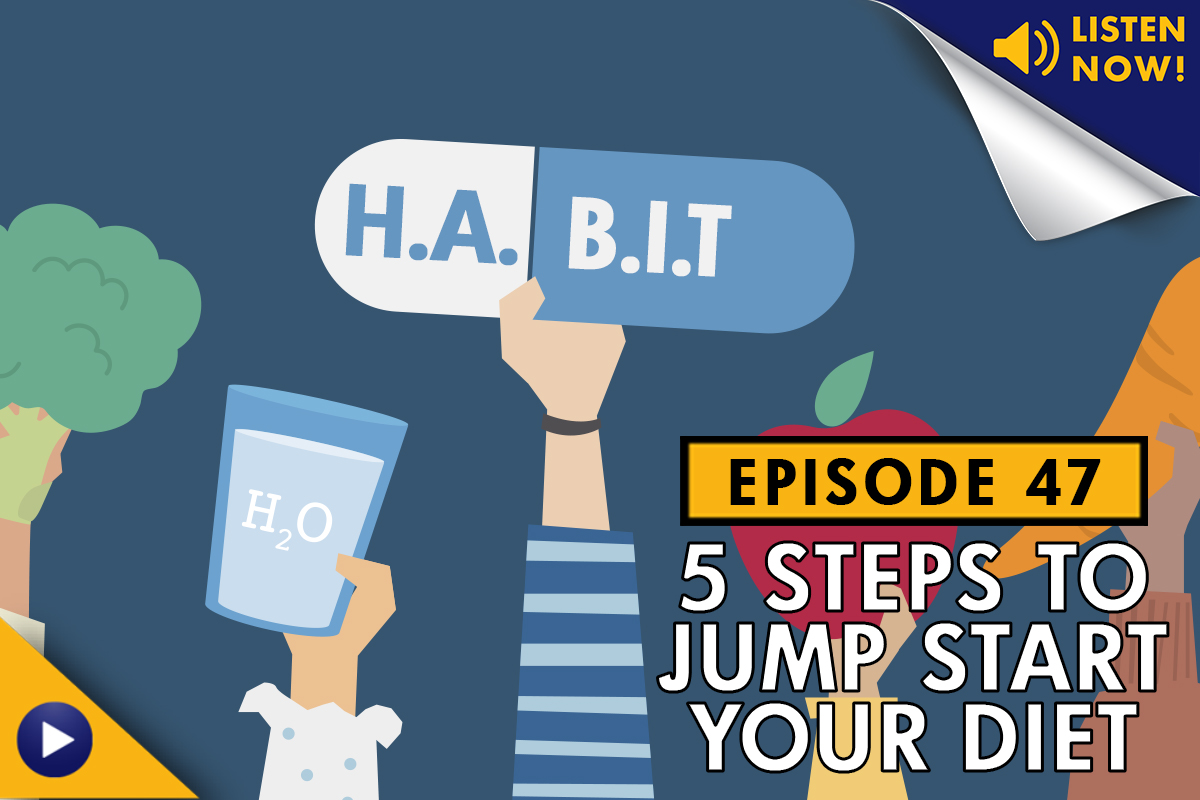
Welcome to 5 Steps to Jump Start Your Diet, the 47th episode of the Living Healthy Podcast. Today we discuss 5 Steps to Jump Start Your Diet with Registered Dietician, Debbie James. Debbie has broken them down into the anacronym H.A.B.I.T so they are easy to...
Welcome to today's episode about "Your Relationship to Food." It's the 46th episode of the Living Healthy Podcast. On today's episode, we are discussing how you can honestly assess your relationship to food and how you can create a positive relationship to food...
We're "Trimming the Fat and Keeping the Muscle" on today's episode of the Living Healthy Podcast! On this episode of the Living Healthy Podcast, just in time for Thanksgiving, we learn about trimming or "cutting" the fat after you finish the bulking phase. This is the...
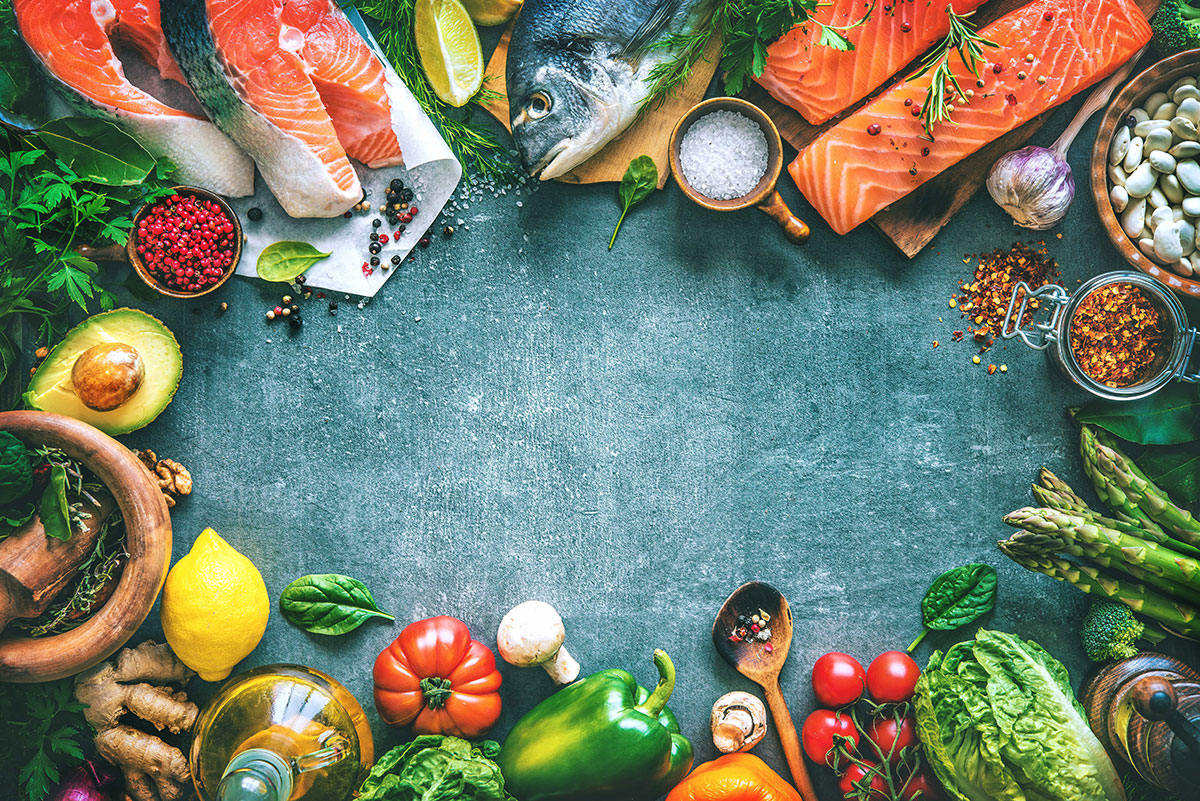
Good afternoon, my name is Howard G., and I am a member of LA Fitness. I am a 49-year-old male, I weigh 294 lbs., and I am 6’2″. I have been consistently working out for the past two weeks. I would like to know what would be the ideal calorie intake along with what specific foods should I consume. I am looking to drop weight which is my first goal and then to tone my body. Whatever help you can give me will be much appreciated.
– Howard G.
Hello Howard. You really don’t want to count 2000+ calories, do you? I suspect that your interest in “what specific foods” to eat lies more in a desire to follow a plan laid out for you than in constructing one with a large/vague limit like total calories.
In suggesting a sample diet plan for you as an individual, I’d ask you to consider what are the dietary changes you know you need to make and which are the ones you are willing to consistently apply? For example, fried foods may be a problem but unavoidable in your work/social environment yet you only eat sweets because they are there, so could
consciously skip those. Often I observe that one’s diet is reasonable and he just needs to reduce portions across the board. Hint, hint.
That said, IN GENERAL, a 2000-2200 caloric intake that reflects that following meal pattern could be a place to start for the next couple of weeks for someone not used to managing his intake at all.

2 cups FRUIT
1 cup of fruits counts as:

3 cups VEGETABLES
1 cup vegetables counts as:

6 ounces GRAINS
1 ounce of grains counts as:

6 ounces PROTEIN
1 ounce of protein counts as:
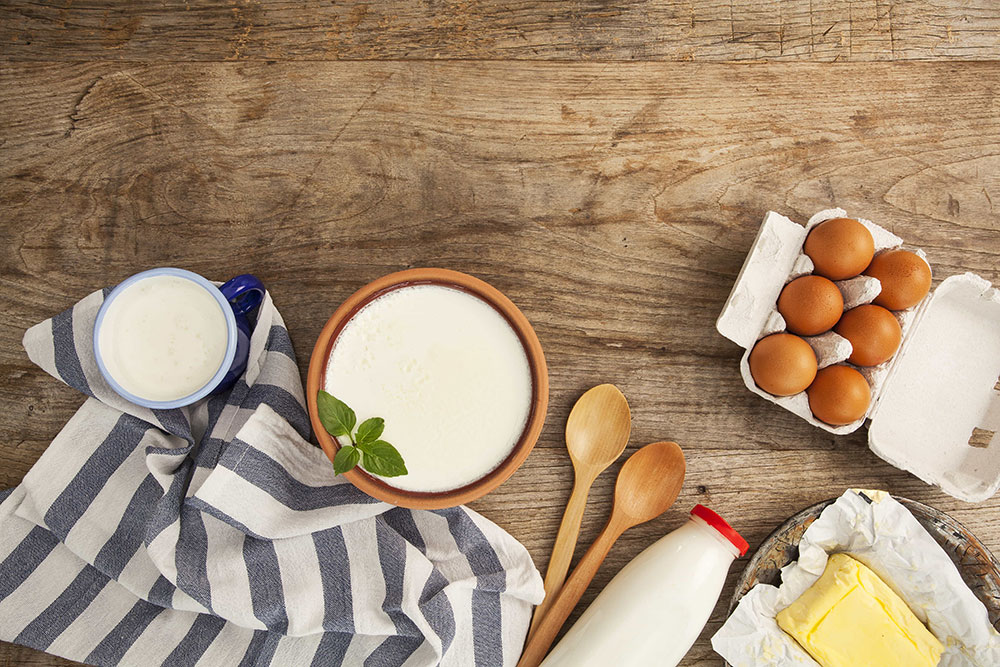
2-3 cups DAIRY
1 cup of dairy counts as:
Remainder of calories from 3 servings of healthy plant fat.
The above is based on the 2015 Dietary Guidelines which are supported in the ChooseMyPlate.gov recommendations and MyPlate checklists.
Laid out across meals and snacks with examples, it may look something like this:
Breakfast
1 fruit: small 5” banana
2 grain: 2 whole wheat waffles
1 fat: Tbsp. peanut butter
1 dairy: 8 fl. oz. 1% milk
Lunch
2 vegetable: 2 cups raw spinach
3 protein: half roasted chicken breast
1 grain: ½ C. white beans
1 fat: 2 Tbsp. reduced-fat salad dressing
Dinner
1 vegetable: ½ C cooked broccoli
3 protein: 3 oz. salmon
2 grain: 1 cup cooked brown rice
Snacks
1 grain: 3 C. popcorn
1 fat: tsp. oil for popping
1 fruit: 1 cup melon
– Debbie J., MS, RD
This article should not replace any exercise program or restrictions, any dietary supplements or restrictions, or any other medical recommendations from your primary care physician. Before starting any exercise program or diet, make sure it is approved by your doctor.
Some questions have been edited for length and/or clarity.
Want more? SUBSCRIBE to receive the latest Living Healthy articles right in your inbox!
Have a nutrition question? Our registered dietitian is ready to help!
Email nutrition@lafitness.com or submit your question below and it may be featured in an upcoming article!
Welcome to 5 Steps to Jump Start Your Diet, the 47th episode of the Living Healthy Podcast. Today we discuss 5 Steps to Jump Start Your Diet with Registered Dietician, Debbie James. Debbie has broken them down into the anacronym H.A.B.I.T so they are easy to...
Welcome to today's episode about "Your Relationship to Food." It's the 46th episode of the Living Healthy Podcast. On today's episode, we are discussing how you can honestly assess your relationship to food and how you can create a positive relationship to food...
We're "Trimming the Fat and Keeping the Muscle" on today's episode of the Living Healthy Podcast! On this episode of the Living Healthy Podcast, just in time for Thanksgiving, we learn about trimming or "cutting" the fat after you finish the bulking phase. This is the...

Hi! I am a sophomore in high school who has been interested in health and fitness since middle school. Within the past two years I have worked hard to lose a good amount of weight/fat, but I can’t seem to lose anymore. As a matter of fact, my only concern is losing the fat and maintaining my weight. I do plenty of weight training with machines, inclined running, and I even workout at school because I am on the dance team. I use the MyFitnessPal app to track my caloric intake, and even with the “weight loss” setting, I can’t seem to lose any more fat. I refer to myself as “skinny fat” because I am pretty long and slim, but my stomach has a good amount of fat to get rid of, and I want to look more toned. The past three months I have been pushing my workouts harder, and restricting my calories more. I can’t seem to get more results and I just don’t know what to do anymore. I am looking for fat loss, and a more toned look.
– Patricia S.
Lots of physical activity for a teen certainly burns calories, though it may not translate to toning because the tissues are programmed to reach their genetic potential under the guidance of your maturing hormones. Granted, you may see some older girls with six-packs in the media, but they are typically fitness models and make up less than 1% of the population. Chances are your body is fighting to attain its adult female form while you are attempting to prevent it from doing so. Consuming less than 1600 calories also makes it difficult to get the nutrients you need, such as iron and magnesium.
Experts do not recommend restricting calories1, but rather making the most out of what calories you do eat. Be sure to get at least 25 grams of fiber and 8-10 glasses of fluid daily. Instead of sweetened beverages or diet sodas, drink water or iced tea. Include healthy fats such as omega-3s (from fish), oils, avocado, nuts and nut butters. Eat two to three calcium rich foods per day, 5 servings of fruits and vegetables and 6 ounces of whole grains. Include a little protein at each meal and snack. Meals should have 3-4 food groups, while snacks should have items from at least 2 food groups.
It’s important to maintain a positive body image. Focus on the health benefits of your good choices. Embrace the long and slim physique that exercise has brought you. Concern yourself with enjoying summer, developing healthy habits and staying on top of dance! You’re on your way to becoming a capable, strong woman of substance.
If you think you may worry too much about your weight or body image, or if thinking about these things is interfering with your happiness, tell an adult you trust, like a parent, coach, teacher or doctor.
– Debbie J., MS, RD
Sourced:
Resources:
This article should not replace any exercise program or restrictions, any dietary supplements or restrictions, or any other medical recommendations from your primary care physician. Before starting any exercise program or diet, make sure it is approved by your doctor.
Some questions have been edited for length and/or clarity.
Want more? SUBSCRIBE to receive the latest Living Healthy articles right in your inbox!
Have a nutrition question? Our registered dietitian is ready to help!
Email nutrition@lafitness.com or submit your question below and it may be featured in an upcoming article!
Welcome to 5 Steps to Jump Start Your Diet, the 47th episode of the Living Healthy Podcast. Today we discuss 5 Steps to Jump Start Your Diet with Registered Dietician, Debbie James. Debbie has broken them down into the anacronym H.A.B.I.T so they are easy to...
Welcome to today's episode about "Your Relationship to Food." It's the 46th episode of the Living Healthy Podcast. On today's episode, we are discussing how you can honestly assess your relationship to food and how you can create a positive relationship to food...
We're "Trimming the Fat and Keeping the Muscle" on today's episode of the Living Healthy Podcast! On this episode of the Living Healthy Podcast, just in time for Thanksgiving, we learn about trimming or "cutting" the fat after you finish the bulking phase. This is the...

I have read an article in Korean newspaper saying that brown rice is not good for you. I thought brown rice is much healthier than white (regular rice) is it true?
– Caroline
Below are the nutritional values of brown rice compared to enriched white rice for 100 grams cooked rice. Overall, the brown rice offers more of the nutrients that we need (fiber, magnesium, potassium, zinc) with slightly fewer calories. Because it is enriched, white rice does offer more folate and iron. Neither have Vitamin A, Vitamin B-12, Vitamin D, or cholesterol.


Nutrient values as per standard reference (non-branded) in the USDA Food Comparison Database, (release 28), some values rounded.
– Debbie J., MS, RD
This article should not replace any exercise program or restrictions, any dietary supplements or restrictions, or any other medical recommendations from your primary care physician. Before starting any exercise program or diet, make sure it is approved by your doctor.
Some questions have been edited for length and/or clarity.
Want more? SUBSCRIBE to receive the latest Living Healthy articles right in your inbox!
Have a nutrition question? Our registered dietitian is ready to help!
Email nutrition@lafitness.com or submit your question below and it may be featured in an upcoming article!
Welcome to 5 Steps to Jump Start Your Diet, the 47th episode of the Living Healthy Podcast. Today we discuss 5 Steps to Jump Start Your Diet with Registered Dietician, Debbie James. Debbie has broken them down into the anacronym H.A.B.I.T so they are easy to...
Welcome to today's episode about "Your Relationship to Food." It's the 46th episode of the Living Healthy Podcast. On today's episode, we are discussing how you can honestly assess your relationship to food and how you can create a positive relationship to food...
We're "Trimming the Fat and Keeping the Muscle" on today's episode of the Living Healthy Podcast! On this episode of the Living Healthy Podcast, just in time for Thanksgiving, we learn about trimming or "cutting" the fat after you finish the bulking phase. This is the...