10 Thanksgiving Ideas to Revive Your Celebrations
The Holiday Season can get stressful, so we may stick to a routine for the sake of easy planning. Try any of these 10 simple ideas to bring new life to your Thanksgiving celebrations.


Having trouble breaking that midday unhealthy snacking routine? Find out some tricks that may help break the vicious cycle!

Uh oh… it’s that time of day again. You know, that hour when you are suddenly feeling tired, unfocused, and ready for that afternoon pick-me-up. I refer to it as the Midday Monster; that little hunger feeling that creeps up and causes us to crave something tasty. The trouble is, usually that midday snack is an unhealthy one. We tend to gravitate towards something sweet, caffeinated, or carb-loaded. This is because those “feel-good” foods and drinks, typically do just that – they make us feel good. Food and drinks high in sugar can cause the dopamine levels, or the “feel-good” hormones, in our brains to rise.1 Unfortunately, the old idiom too much of a good thing, rings all too true.
Overindulgence, whether it be a midday snack or a late night one, can be harmful to our bodies. Nevertheless, quitting cold turkey is easier said than done. Old habits are hard to kick, but the key to remember is that there are ways to change poor snacking habits. It’s a process that begins with baby steps. Before reaching for that bag of chips, or sweets, take a moment to ask yourself, ”Am I really hungry?“ A lot of the time we snack out of boredom or stress. Try drinking some water and see if that helps. Oftentimes, hunger can be confused with dehydration.2 Save yourself the unneeded calories and drink some refreshing H20.

Still feeling hungry? Rid yourself of unhealthy temptations by keeping only healthy snacks close by. The key is to find foods to snack on that are high in fiber, which may keep you feeling fuller, longer.3 A few of these healthier options include: hummus and veggies, almonds, cereal bars, and raspberries. Or, grab a snack that helps boost metabolism and burn fat. Some examples of these fat-burning foods include: apples, avocados and cottage cheese, or canned tuna on whole-wheat crackers.4 If you’re looking for a healthy alternative for your go-to calorie-filled lattes, try some minty green iced tea.




Another source of unhealthy snacking can be caused from skipping your morning breakfast.5 If you starve yourself in the morning, you typically have greater odds of overindulging later on in the day. Make sure you make time for breakfast, and save yourself later on.
Another interesting tactic to consider is brushing and/or flossing your teeth after eating, which helps reduce the temptation to eat.6 Once your teeth are clean, you’ll be less likely to grab something to snack on, in order to avoid brushing again.
In addition, it is helpful to meal plan. LA Fitness registered dietitian, Debbie J., RDN says, “Having a blueprint to follow for your week’s meals will help keep you eating regularly and on track, thus prevent you from skipping meals, so you’ll be less likely to snack.” Make things easier on yourself by preparing a few healthy snacks the night before. This way, you’re not tempted to grab for something unhealthy when you’re feeling stressed, tired, or on-the-go.
Check out one of our more recent Q+A’s from LA Fitness’ registered dietitian, Debbie J., MS, RDN, where she helps answer What Are Good Substitutions for Sugary and Salty Snacks? If you have a nutrition question of your own, please share it with us by submitting a question here, and your answer may be featured in a future post.
Sources:

The Holiday Season can get stressful, so we may stick to a routine for the sake of easy planning. Try any of these 10 simple ideas to bring new life to your Thanksgiving celebrations.

Starting your fitness journey at the gym can be both exciting and overwhelming. As a first-time gym user, it's important to approach your workouts with a plan that is tailored to you. LA Fitness welcomes first-time gym-goers with beginner workouts designed to build...
We're "Trimming the Fat and Keeping the Muscle" on today's episode of the Living Healthy Podcast! On this episode of the Living Healthy Podcast, just in time for Thanksgiving, we learn about trimming or "cutting" the fat after you finish the bulking phase. This is...


How many hours before and after working out until I can eat?
– Nino

Of course, you CAN eat anytime. The optimal time to eat around working out depends on what else is going on, what exercise you are doing, and what you intend to eat. It’s a matter of getting fuel to the muscles (but not an excess) and clearing your gut for comfort. Simple carbohydrates and lean proteins are more easily digested so they are good choices close to working out, within 30-60 minutes beforehand. On the other hand, solid fats and fibrous starches take a while to break down in your GI system, so you’ll need to allow multiple hours for those to digest.
If you sprint out of bed for a 6 am run, I’d suggest a sports drink to sip during the run and a breakfast immediately following. If you hit the gym an hour after rising, perhaps you should drink a smoothie as soon as you wake up and eat a small breakfast afterward. For a quick weight training workout during a lunch break, you’ll want a little easily-digested energy first (e.g. applesauce or soft pretzel) followed by a simple meal afterward, like a sandwich. You may not need a snack prior to an afternoon workout unless it’s been more than 3 hours since your mid-day meal. So if you finished lunch at 1 pm and plan to workout at 5 pm, then I’d suggest a protein drink an hour before at 4 pm. On the contrary, a 4-5 pm workout after a late 2 pm lunch should be fine.
For evening workouts, an afternoon snack is a must if dinner is pushed to after exercise. Suitable mini-meals in the afternoon include tuna salad and crackers, a bowl of soup, Greek yogurt & granola, or hummus with pita and carrots. If your workout is at the tail-end of your day, be sure to have your last meal 2-3 hours prior to the workout and a simple recovery option like chocolate milk afterward.
Examples:
1) whopping lunch, 5 pm workout.
It may take several hours to fully digest and absorb all those calories, so your tank would still be over half full in 4-5 hours. Just have a sports drink handy during your workout in case you feel a dip in energy, and plan for a small dinner afterward.
2) balanced lunch, late 8 pm workout.
You may want to snack twice in between, or opt for a small meal at 5 pm. For the former snack option, stash at-work options like trail mix in your desk, a pre-made wrap in the fridge, or buy an apple and peanut butter crackers from the vending machine. If you choose the latter small meal option, a pre-made chicken pasta primavera salad, a whole wheat wrap with turkey and avocado, or mini English muffins pizzas will provide a few hour’s energy.
– Debbie J., MS, RD
This article should not replace any exercise program or restrictions, any dietary supplements or restrictions, or any other medical recommendations from your primary care physician. Before starting any exercise program or diet, make sure it is approved by your doctor.

It’s Multiple Sclerosis Awareness Month! Here is what you need to know about exercise safety with MS.
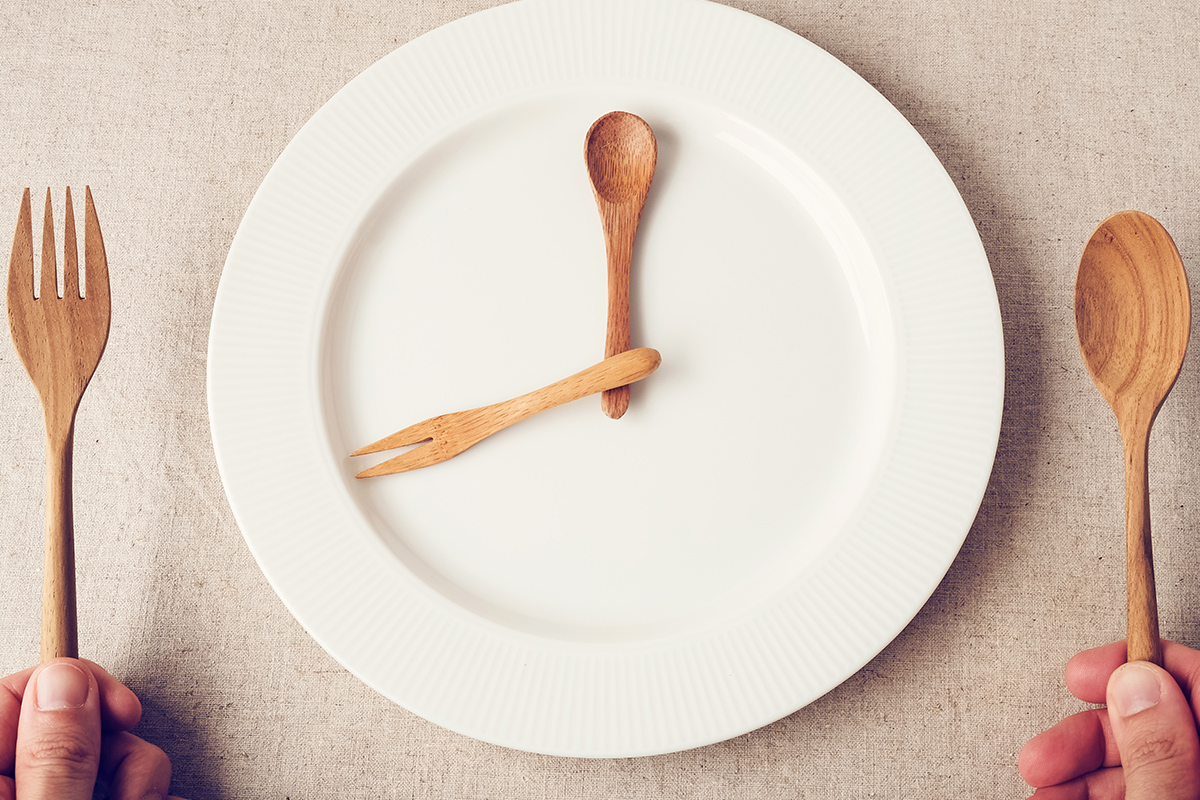
Does Intermittent Fasting give you enough time to pack the day’s protein? Our registered dietitian helps clear up the confusion!
On today’s episode, you’ll hear from one of our own Master Trainers about what you should be eating and how you should be exercising during your bulking phase.

Want more? SUBSCRIBE to receive the latest Living Healthy articles right in your inbox!
 Have a nutrition question? Our registered dietitian is ready to help!
Email nutrition@lafitness.com or submit your question below and it may be featured in an upcoming article!

When it comes to working out, our bodies are grateful no matter the time of day! However, if you choose to exercise in the morning you may get some additional benefits. A morning workout can help influence you to choose better food options throughout the day. That’s right, pushing yourself early on may help you to be more conscious of the nutrition choices you make over the course of the day.1 By making healthier food choices, you’ll save calories overall!
Aside from eating healthier, when we exercise, our bodies are blasted with feel-good hormones known as endorphins.2 And who wouldn’t want to feel a bit happier in the morning? A good morning mindset kickstarts the rest of your day. If you’re feeling happy, that mood carries with you as your day progresses.
Understandably, a rise and grind attitude may be hard for some of us to adhere to consistently. It’s easy to want to stay in bed for that extra precious bit of sleep. But, it’s possible to achieve better long-term results if you can manage an early morning workout. Our bodies become used to routine and develop habits, which can take an average of about 66 days to develop.3 If you motivate yourself to get through the tough times, you can develop a healthy new behavior that will benefit you long-term.
Oftentimes, as the day progresses our schedules get busy, making it hard to find time to workout. If you get it done early you save yourself from the distractions that can arise throughout the day. As Cedric X. Bryant, PhD, Chief Exercise Physiologist of the American Council on Exercise once said, “by doing the bulk of exercise first thing in the morning, you get your exercise in before other distractions can intrude…because once the day gets going, it’s hard to get off the treadmill called life.”4
And for those of you coffee enthusiasts out there, a morning workout could help you cut back on caffeine by improving brain function naturally.5 However, it’s important to note that not everyone’s daily exercise ritual is going to be the same, or affect them in the same way. What is important is that you’re up and moving on your way to becoming a better, and healthier, you.
This article is sponsored by Belvita Breakfast bars. Good Morning, Energy. For a list of hours to visit your favorite LA Fitness gym, click here.


This article should not replace any exercise program or restrictions, any dietary supplements or restrictions, or any other medical recommendations from your primary care physician. Before starting any exercise program or diet, make sure it is approved by your doctor.
Sources:
The Holiday Season can get stressful, so we may stick to a routine for the sake of easy planning. Try any of these 10 simple ideas to bring new life to your Thanksgiving celebrations.
Starting your fitness journey at the gym can be both exciting and overwhelming. As a first-time gym user, it's important to approach your workouts with a plan that is tailored to you. LA Fitness welcomes first-time gym-goers with beginner workouts designed to build...
We're "Trimming the Fat and Keeping the Muscle" on today's episode of the Living Healthy Podcast! On this episode of the Living Healthy Podcast, just in time for Thanksgiving, we learn about trimming or "cutting" the fat after you finish the bulking phase. This is...
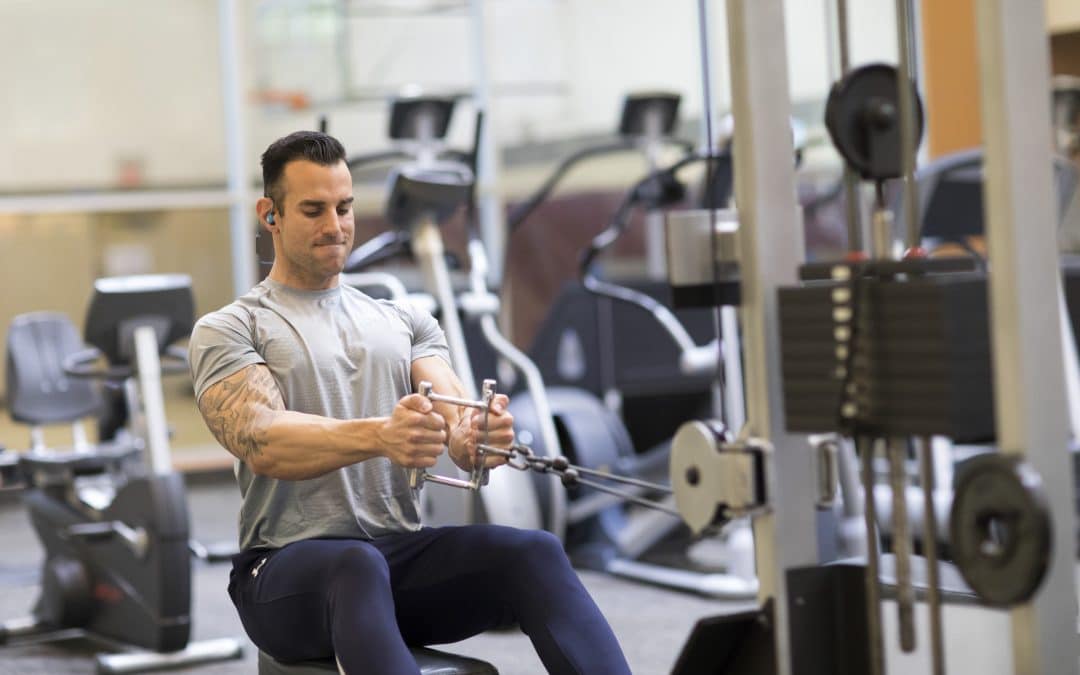
Do you have a fitness goal? Let us know here! To learn more about Commit to Fit, click here.
These are our most recent members who have committed to their fitness goals.

Todd S.
“It’s a committed lifestyle.”

Denny T.
Denny’s fitness goal is to stay healthier overall. We are happy to see her stick to her goal at LA Fitness!

Josiah J.
“My fitness goals are:
– 11% body fat (from 19%)
– 160lbs (from 175lbs)
– 3:05 Marathon (or 7min pace, down from 8min)
– 4min handstand (from 1min)”

Ready to make a commitment? Get started here.
**Selected submissions will be featured on the LA Fitness blog and possibly other LA Fitness digital media entities & websites. By making a submission, you hereby grant LA Fitness a non-exclusive, perpetual, worldwide, irrevocable license to use and make copies of the contents of such submission for any purpose and in any medium whatsoever, and you hereby waive and relinquish any copyright or other intellectual property right you may have in the contents of such submission and your right to pursue any claim for LA Fitness’s violation of those intellectual property rights
Debbie J., MS, RD contributed this article –
We’re on a mission to help Augie Nieto’s nonprofit charity find a cure for ALS (amyotrophic lateral sclerosis), which is a debilitating neurodegenerative disease that can impact anyone. Augie was diagnosed with ALS over 10 years ago and established Augie’s Quest to help find a cure for ALS. For over 5 years, LA Fitness has held an annual fundraiser each February to raise funds for Augie’s Quest. This year’s fundraiser, Action for ALS, will be on Saturday, February 25.
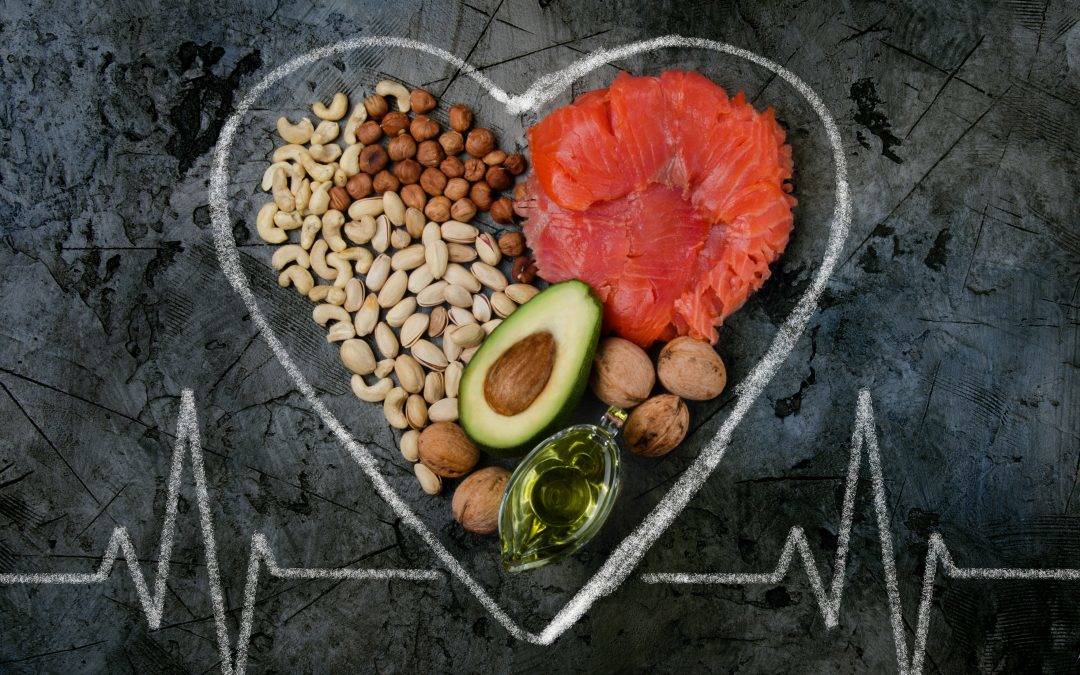
To stay committed to healthy eating & help improve his longevity, Augie focuses on a nutritious diet that includes extra virgin olive oil and good fats. Choosing the best types of fat is indispensable for your heart health and weight management.
You may have heard that a high intake of saturated fat, trans fat and dietary cholesterol raise the risk of cardiovascular disease. But did you know, recent studies show that consuming unsaturated fat as the predominant form of dietary fat, combined with adequate omega-3 fats, actually protects your heart from coronary artery disease1? The impact is even greater in combination with a plant-based diet low in salt and sugar2 and in conjunction with an abundance of fruits, vegetables, and whole grains as the main forms of carbohydrates1.


Substituting saturated and trans fats with unsaturated fats lowers LDL (bad) cholesterol production by the liver, meaning less potential for artery-clogging plaque. Keeping the “pipes clear” with healthy fats and adequate fiber is only one piece of the puzzle. Preventing damage to the epithelial cells lining the vascular wall and avoiding high blood pressure are also critical to avoiding stroke and heart attack. Unsaturated fats do both. In particular, olive oil’s polyphenols have anti-inflammatory and anti-oxidant functions3 to protect epithelial cells.
The Mediterranean diet, of which olive oil is the predominant fat source, is associated with increased longevity3 as well as reduced risk of cardiovascular diseases, improved health, lower mortality, and prevention of cancer and age-related cognitive decline as Parkinson’s and Alzheimer’s. Olive oil has bioactive compounds that alter cells’ gene expression, including those active in pathways of the aging process. In short, cells and tissues live better, longer.
Changing the fat that you eat may also change your body fat. While weight loss is multi-factorial, studies indicate that a high monounsaturated fat diet induces more weight loss compared to one with high saturated fat4. Why so? Olive oil, largely comprised of unsaturated fat, also contains phenolic compounds which have been shown to positively affect insulin sensitivity3 and therefore blood sugar control. These benefits are metabolically beneficial and that translates to better fat burning.

Use healthy unsaturated fats to your advantage, and your body will thank you in the long run!
This article should not replace any exercise program or restrictions, any dietary supplements or restrictions, or any other medical recommendations from your primary care physician. Before starting any exercise program or diet, make sure it is approved by your doctor.
References:
The Holiday Season can get stressful, so we may stick to a routine for the sake of easy planning. Try any of these 10 simple ideas to bring new life to your Thanksgiving celebrations.
Starting your fitness journey at the gym can be both exciting and overwhelming. As a first-time gym user, it's important to approach your workouts with a plan that is tailored to you. LA Fitness welcomes first-time gym-goers with beginner workouts designed to build...
We're "Trimming the Fat and Keeping the Muscle" on today's episode of the Living Healthy Podcast! On this episode of the Living Healthy Podcast, just in time for Thanksgiving, we learn about trimming or "cutting" the fat after you finish the bulking phase. This is...