The Right Recovery Drink for Your Workout | QA
Registered Dietitian, Debbie James, talks about the right recovery drink for your workout based on type, intensity, and duration.


Incorporating cardio exercises between sets, also known as ‘cardio-acceleration’, is a revolutionary way to maximize your workout efficiency. This technique involves performing short bursts of cardio exercises, usually lasting 30-60 seconds, in between your strength training sets. Not only does this method help in burning fat, but it also keeps the heart rate elevated, leading to a more intense and productive workout session.
Here are some effective cardio exercises that you can easily incorporate between your strength training sets:
By including cardio exercises between your sets you can make the most out of your gym time. By following the guidance provided in LA Fitness workout videos, you can create a dynamic and efficient workout routine that caters to both strength and cardiovascular fitness. Remember, always consult with a fitness professional before starting any new exercise regimen, especially if you’re new to cardio-acceleration.
Note: This blog post is a general guide and should not replace professional advice. Always consult with a fitness professional or personal trainer at LA Fitness for personalized guidance and support.
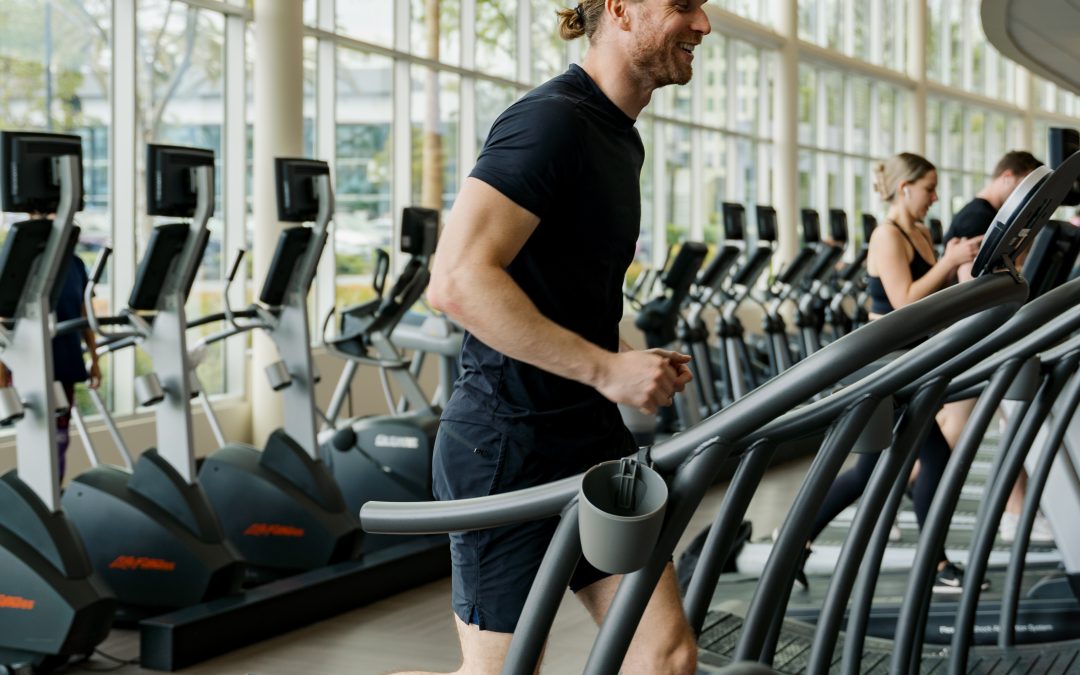
Starting your fitness journey at the gym can be both exciting and overwhelming. As a first-time gym user, it’s important to approach your workouts with a plan that is tailored to you. LA Fitness welcomes first-time gym-goers with beginner workouts designed to build confidence and establish a strong fitness foundation.
Before you hit the weights or jump on the treadmill, it’s crucial to understand the basics of gym etiquette and the equipment available to you. LA Fitness offers a variety of machines and free weights that can cater to all of your workout needs. Begin by familiarizing yourself with the gym layout and the functions of different equipment. Don’t hesitate to ask the staff for a tour or explanations on how to use the machines.
Your initial workouts should be about learning proper form and building a foundation of strength and endurance. Start with a simple routine that includes a mix of cardiovascular exercises and strength training. Here’s a sample workout plan for your first week:
Day 1: Full Body Circuit

Day 2: Rest or Light Activity
Take a day off from the gym to allow your muscles to recover. Engage in light activities like walking or stretching if you feel up to it.
Day 3: Cardio and Core

As you become more comfortable with the exercises and your fitness level improves, gradually increase the intensity and complexity of your workouts. Add more weight, reps, or sets to your strength exercises and challenge yourself with higher intensity or longer durations on the cardio machines.
Remember, exercise is just one part of the equation. Proper nutrition and staying hydrated are key to supporting your new workout routine. Drink plenty of water and fuel your body with balanced meals that include a mix of protein, carbohydrates, and healthy fats.
Starting at the gym can be a transformative experience. With the right approach, you can build a solid foundation for a healthier lifestyle. Remember to listen to your body, progress at your own pace, and most importantly, enjoy the journey to fitness at LA Fitness.
Note: This blog post is a general guide and should not replace professional advice. Always consult with a fitness professional or personal trainer at LA Fitness for personalized guidance and support. This blog post should not replace any exercise program or restrictions, any dietary supplements or restrictions, or any other medical recommendations from your primary care physician. Before starting any exercise program or diet, make sure it is approved by your doctor.
For more articles like this one, and to keep up to date on our fitness, nutrition, and wellness articles, subscribe to our monthly newsletter, today!


I work out in the morning about 5am every day. I also participate in intermittent fasting. My question is about the intake of protein. They say after a workout within about 30min you’re supposed to intake the protein, but that would break my fast (I eat at 11:30am every day). Should I break my fast or just be sure to intake enough protein within the day?
– Celeste C.

Choosing between the benefits of intermittent fasting and refueling post workout depend on your primary goals. Losing weight would dictate adhering to your time schedule for eating, while gaining strength or lean mass would necessitate repleting muscle building blocks in a timely manner. Endurance exercise repletion generally involves carbohydrate recovery – though protein helps. Really, we may only be talking about 50-75 calories or so from approximately 15 grams protein! If you think that would damage your fasting impact, then skip it. But doing so will certainly mean resistance workouts won’t have the maximum intended outcome.
– Debbie J., MS, RD
This article should not replace any exercise program or restrictions, any dietary supplements or restrictions, or any other medical recommendations from your primary care physician. Before starting any exercise program or diet, make sure it is approved by your doctor.
Some questions have been edited for length and/or clarity.
 Have a nutrition question? Our registered dietitian is ready to help!
Email nutrition@lafitness.com or submit your question below and it may be featured in an upcoming article!

Registered Dietitian, Debbie James, talks about the right recovery drink for your workout based on type, intensity, and duration.

It's National Donut Day! Ready to indulge? Don't be weighed down by eater's remorse, we have compiled a few ways to help you burn off that tasty treat!

Water is kind of a big deal! Water makes up 55 to 60 percent of the human body and plays a vital role in a number of essential bodily functions including regulating your internal body temperature and getting rid of waste.[i] That’s why it’s not a big surprise that...
What is the best type of recovery drink that can help my muscles recover quicker from exercising?
– David A.
The optimum content of your recovery drink depends on the type of exercise, intensity and duration.
Stop by your club’s juice bar to see what’s likely to fit into your recovery nutrition. No matter what you choose, remember to consider portion/energy since some shakes can contain over 300 calories and may surpass what was burned during the exercise!
– Debbie J., MS, RD
This article should not replace any exercise program or restrictions, any dietary supplements or restrictions, or any other medical recommendations from your primary care physician. Before starting any exercise program or diet, make sure it is approved by your doctor.
Some questions have been edited for length and/or clarity.
Have a nutrition question? Our registered dietitian is ready to help!
Email nutrition@lafitness.com or submit your question below and it may be featured in an upcoming article!
Registered Dietitian, Debbie James, talks about the right recovery drink for your workout based on type, intensity, and duration.
It's National Donut Day! Ready to indulge? Don't be weighed down by eater's remorse, we have compiled a few ways to help you burn off that tasty treat!
Water is kind of a big deal! Water makes up 55 to 60 percent of the human body and plays a vital role in a number of essential bodily functions including regulating your internal body temperature and getting rid of waste.[i] That’s why it’s not a big surprise that...

The start of the winter season is on Saturday, December 21st this year and we’re gearing up for a cold season. Many states have already seen record lows! If, like us, you don’t plan to slow down your fitness endeavors, you need to be prepared for working out in the cold.
We’ll be covering the warning signs of frostbite and hypothermia and giving you some useful information for your next winter workout!

Frostbite occurs when your skin and the underlying tissue are damaged by freezing. Exposed skin (especially on your nose, ears, and fingers) is most vulnerable, but you can still get it even if you’re covered up. If you plan to be out in cold weather, especially where the wind temperature is below 5° Fahrenheit (or -15° Celsius), these are some important precautions recommended by the Mayo Clinic:
Additionally, they identify these symptoms as warning signs of frostbite:
If you go out prepared and know the signs, you can head into your workout with confidence. Frostbite, however, is not the only worrisome condition you have to watch out for in cold weather. While the former can lead to loss of limb, hypothermia can cause death. Here is what you should know about hypothermia:

Your body’s normal temperature is 98.6° F (or 37° C). According to the Mayo Clinic, Hypothermia starts when your body loses heat faster than it can produce it; and, will start to show its effects once your temperature falls to 95° F (35° C) or lower.
In their article on Hypothermia, the Mayo Clinic identifies the following symptoms you should look out for:
Perhaps the easiest way to enter a hypothermic state is if you are wet from rain, snow, or if you fell into a body of water. Wind, on its own, whisks away your body heat. Add the fact that your clothes are wet, and the effect is amplified. It’s extremely important to change out of wet clothes and find a warm dry place when you are caught in cold weather.

Warm the Air Before You Breathe It – Breathing heavily in cold weather can make your lungs feel like they’re about to freeze over. Wearing a face scarf over your nose and mouth can help warm the air you’re breathing and make your workout more comfortable.
Map Your Route – You should know if you’re likely to encounter flooded areas, frozen patches of water, slick icy roads, or fallen plant life and debris. Stick to areas you’re familiar with so you can re-route if needed and still find your way. Choosing areas with more cover (like buildings, trees, etc.) will also help protect you from wind and other sporadic weather conditions.
Plan by Time of Day – Leave for your workout when you know the temperature will be at its warmest for the day. Going too early in the morning or too late in the evening will expose you to colder temperatures and, if it’s cold enough, icy roads and frozen slush.
Keep Hydrated – Hydrate before you leave and bring some with you if you plan to be out for a while. You may not notice that you’re sweating, but you probably are. Putting back what your body loses is important to a safe cold weather workout.
Protect Your Skin – Sunblock is still important in the wintertime, and the brisk winter air can dry out anything that’s exposed to it. Moisturize your lips, your face, and your hands if you don’t plan to wear gloves.
You can read up on the calorie burn of cold weather workouts by reading our post on Thermogenesis. For information on how to protect your eyes from the dryness of winter air, check out our blog on Eye Health. To access our monthly blog post highlights, subscribe to our newsletter today!