Salt Grains for Muscle Gains?
Does liberally salting your food help you pump more iron in the gym? Registered Dietitian, Debbie James, investigates the claims!



Salt has been called the “secret weapon in the gym” and “the newest workout supplement1.” The white granules known as table salt (also sea, kosher, or Himalayan salt) in your kitchen are simply sodium and chloride put together. By itself, sodium is one of several critical electrolytes which are minerals that affect the body’s fluid balance, muscle and nerve impulses, blood pressure and acid–base balance.
Though human requirements are only 300-500 milligrams of sodium daily, the average American consumes ten times that – over 3,400 mg2! It’s well known that athletes have a higher need for sodium, mainly due to sweat losses. However, competitive athletes also train hours a day (and the majority not resistance work) compared to the average person in the weight room. So then, we wondered where the hype about extra sodium came from. Does liberally salting nearly everything you put in your mouth help you pump more iron in the gym?
Reading through three online sources3,4,5 touting the benefits of salt for size and strength it would appear that we’ve missed out on the key to bodybuilding success! Sodium increases blood volume and intracellular water retention. True, but sodium just doing its job for fluid status and muscle contraction doesn’t mean more salt enhances power and strength for greater gains. None of those articles provide evidence-based references or citations to support these supposed enhancements. (Sodium phosphate is a different molecule that is mentioned as an intracellular buffer that can increase aerobic and anaerobic performance when supplemented3.) The authors do agree that although you shouldn’t limit sodium, you don’t need supplemental salt for strength gains, just ample dietary consumption. A fourth bodybuilding source6 advises not to add excessive sodium to meals and shares that it’s more important to have potassium in balance with sodium intake.
We asked Jennifer McDaniel, RDN, a Certified Specialist in Sports Dietetics (CSSD), in the St. Louis, Missouri area if strength athletes and power lifters need additional sodium beyond that in the typical American diet. She informed us that sodium requirements vary significantly based on intensity and time of training session, sweat rate and acclimation to the training environment. “Based on the current research available, strength-based athletes do not need more than the average intake of sodium from the typical Western diet,” McDaniel said. She explained that most athletes’ eating habits far exceed the recommended limit of 2,300 mg sodium* per day making it unlikely that strength trained athletes would need an increase in daily sodium for the average hour–long training bout.
* for the general public, from the 2015-2020 US Dietary Guidelines7.
Also, nationally known, Marie Spano, RD, CSSD and Certified Strength and Conditioning Specialist®, gave us her input regarding athletes’ sodium needs. She shared that dehydration can decrease strength and power. “Your muscles need sodium to hold on to more fluid and for muscular contractions, so consume adequate sodium to cover sodium losses through sweat,” Spano advises. She previously wrote, “To achieve proper hydration, athletes may want to add sodium to their sports drinks or preworkout meals to help retain the fluid they’re consuming.8” The amount depends on total dietary sodium intake and sodium losses through sweat while training in a particular environment.
American College of Sports Medicine’s (ACSM) 2016 position stand and The International Society of Sport Nutrition’s (ISSN) 2018 research and recommendation update both addressed sodium. Regarding hydration, the ACSM indicated, “Sodium consumed in pre-exercise fluids and foods may help with fluid retention,” and advised ingesting sodium during exercise when large sweat losses occur9. The ISSN stated that inadequate sodium would impair performance and advised replacing adequate amounts due to sweat losses10. In regard to extra sodium the Society indicated it was beneficial for hydration in the early days of training in the heat10.
Neither ACSM or ISSN directly mentioned sodium involved in strength, power, weight training or muscle mass. In fact, the ISSN didn’t list any sodium compounds as “muscle building supplements” based on available literature but did name sodium bicarbonate and sodium phosphate under the “performance enhancement” category, noting there was strong evidence to support their efficacy10. The Society also indicated limited or mixed evidence to support the efficacy of [sodium] nitrates to improve aerobic work performance and endurance exercise10.
Being that salt is everywhere in our diet, research on supplemental sodium chloride solely for muscle strength or growth is lacking. Sodium bicarbonate, on the other hand, is not easily obtained from food and has evidence as a modestly effective sports nutrition supplement for short-term, high intensity exercise (anaerobic work) performance11,12. Benefits are most likely due to its action as an extracellular (blood) buffer11. Sodium citrate is a potential alternative buffer, but with unknown effectiveness. For endurance work, sodium phosphate may enhance performance12.
So, it seems the hype surrounding salt for strength comes from the importance of sodium for hydration and muscular contraction. Most people generally get enough of it in the form of sodium chloride, more of which doesn’t help strength gains as long as dehydration is prevented, particularly for training sessions that are very long or in the heat. Other sodium molecules consumed as sports nutrition supplements may offer ergogenic effects that can’t be derived from table salt, namely sodium bicarbonate for anaerobic work. The consensus is not to limit salt if you’re intensely resistance training, but you don’t need to intentionally use the saltshaker everywhere either. Consider just drinking a higher sodium fluid electrolyte beverage pre-workout.
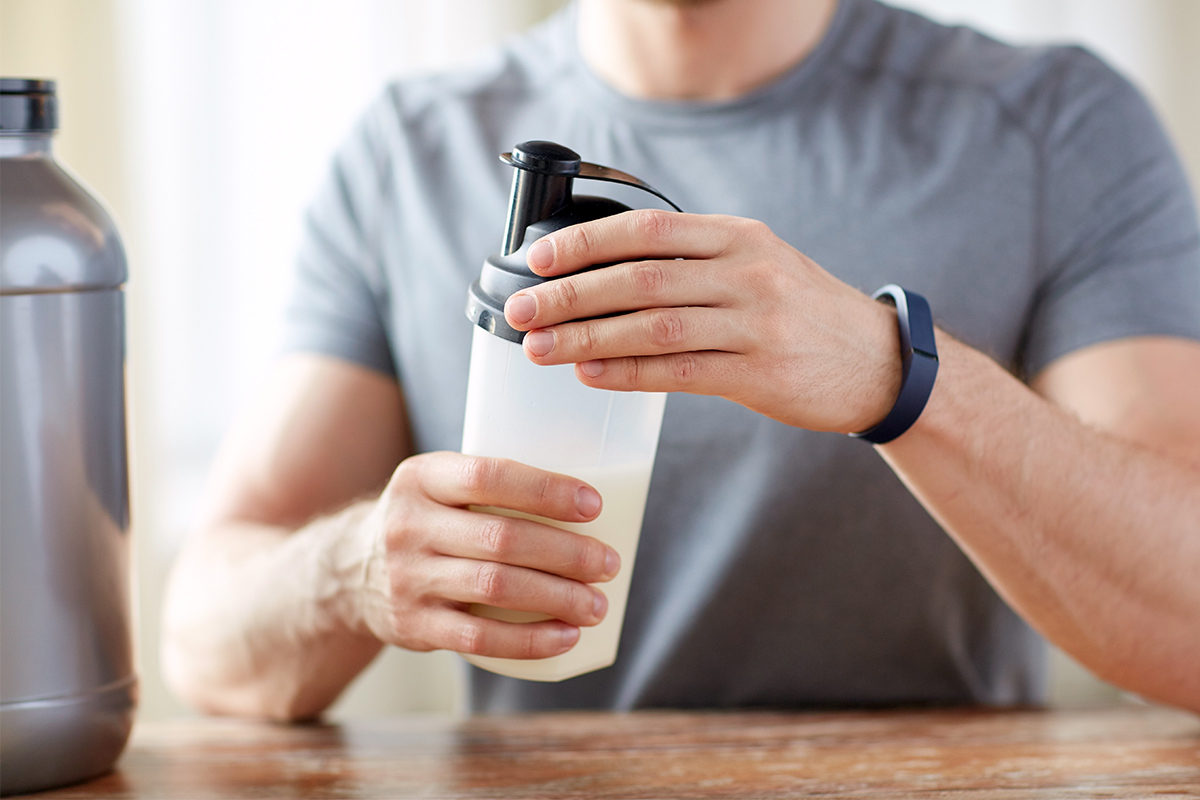

As a newly diagnosed diabetic, what supplements can I take that will not spike my blood sugar? 2 months ago, I started a cardio program at home, but I want to start weight training.
-Jose

Kudos to rounding out your exercise routine!
To narrow down an answer, I’ll have to assume you are asking about pre-workout powders, meal replacement bars, recovery shakes and other sports/body-building supplements with macronutrients (carbohydrate, fat, and protein) not individual compounds, like stimulants. Caffeine may reduce sensitivity of insulin and raise blood sugar levels.
Generally, single servings of products with only protein and fat shouldn’t raise blood sugar levels. Many “keto-safe” protein shakes, powders and bars fall into this category. Still, they are designed for fast digestion and absorption, making a quicker impact on insulin levels than whole foods which take longer to consume and digest. Consider making your own protein beverages to drink pre and post workout.
Products with any sugar present should also have fiber plus a balance of protein and fat, to prevent blood sugar spikes. Check the nutrition facts panel for gram levels of these. There are no magic numbers, but I would recommend avoiding products with half of total carbohydrates from sugar and those with more than 10 grams of sugar per serving. You should look at what you’re eating between meals, too. Several snack bars are promoted for those with diabetes.
Unfortunately, there are no guarantees how your blood sugar will respond to even the most low-risk caloric supplement. No matter what supplements you take, always follow the usage directions on the product package.
– Debbie J., MS, RD
This article should not replace any exercise program or restrictions, any dietary supplements or restrictions, or any other medical recommendations from your primary care physician. Before starting any exercise program or diet, make sure it is approved by your doctor.
Some questions have been edited for length and/or clarity.
 Have a nutrition question? Our registered dietitian is ready to help!
Email nutrition@lafitness.com or submit your question below and it may be featured in an upcoming article!
Does liberally salting your food help you pump more iron in the gym? Registered Dietitian, Debbie James, investigates the claims!

LA Fitness registered dietitian, Debbie James, talks bulking. Read her three tips to help increase body weight, the healthy way.
Is sagging skin bumming you out? We discuss some underlying causes, what you can do to help prevent this, & some helpful tips to help reverse the damage.
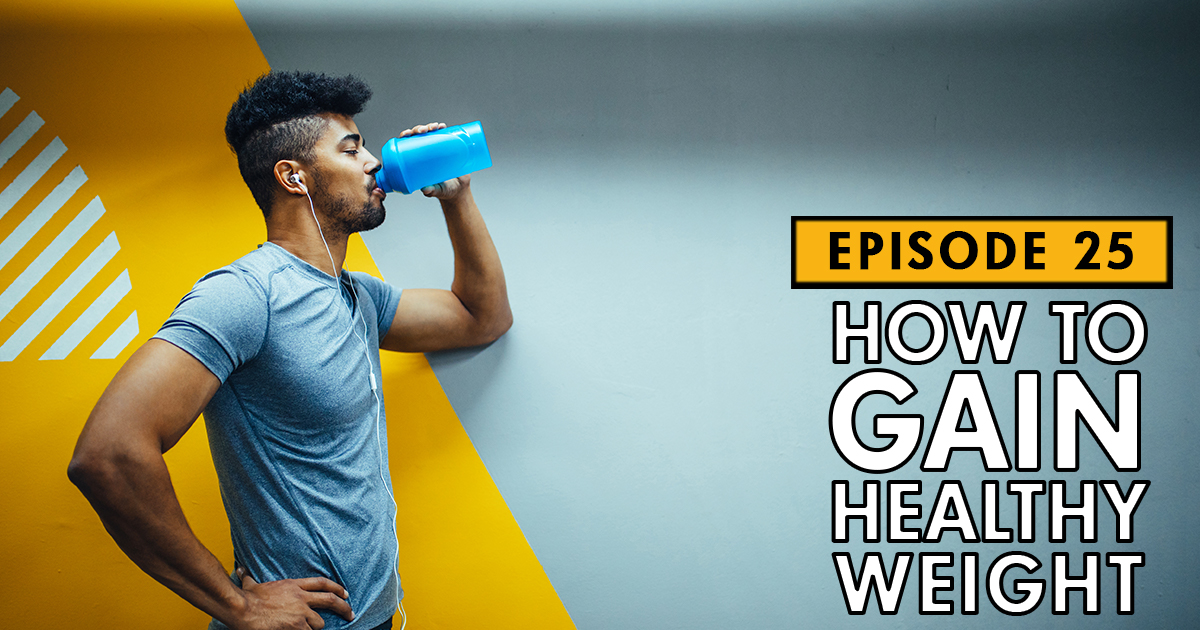
Welcome to the 25th episode of the Living Healthy Podcast, presented by LA Fitness.
On this episode of the Living Healthy Podcast, we speak with LAF Personal Training Director, Tristen Alleman, and LAF Registered Dietitian, Debbie James, as they share their expert advice on how to gain weight the healthy way. This episode is for anyone that’s ever been curious about how they can add lean muscle, and increase body mass, without adding the unhealthy type of body weight. We approach this from both the fitness side of things and nutritional side, to help those struggling with weight gain, find a healthy and balanced way to do so with their training and nutritional routines.
How Are We Doing?
This podcast should not replace any exercise program or restrictions, any dietary supplements or restrictions, or any other medical recommendations from your primary care physician. Before starting any exercise program or diet, make sure it is approved by your doctor.
Introduction
Begins at 0:01
Introduction of LAF Personal Training Director, Tristen Alleman, and LAF Registered Dietitian, Debbie James
0:22
What Would Someone Want to Add on Weight or Muscle?
0:32
Do You Have to Increase Your Caloric Intake to Gain Weight?
2:36
How Does Strength Training Help Build Muscles?
4:50
What Foods Are Good to Eat on Cardio-Focused Work Out Days?
4:16
How Many Days Per Week Should You Strength Train?
7:02
Austin, Our Skinny Colleague, Joins the Show (and Talks Food and Lack of Weight Gain)
8:43
Can Everyone Benefit from Adding Muscle onto Their Body? Or Only Bodybuilders?
14:42
Are Supplements Good or Bad When It Comes to Bulking?
16:36
How Much Protein is Too Much Protein?
19:00
Can You Gain Weight and Bulk as a Vegetarian or Vegan?
20:01
Are Full-Fat Products Always the Best Option for Weight Gain and Bulking?
20:40
Why Are Women Afraid of Gaining Muscle?
22:23
Actionable Advice
24:38
Outro
26:06
On this episode of the LHP we speak with LAF PTD, Tristen Alleman, and LAF RDN, Debbie James, as they share their expert advice on how to gain weight the healthy way.
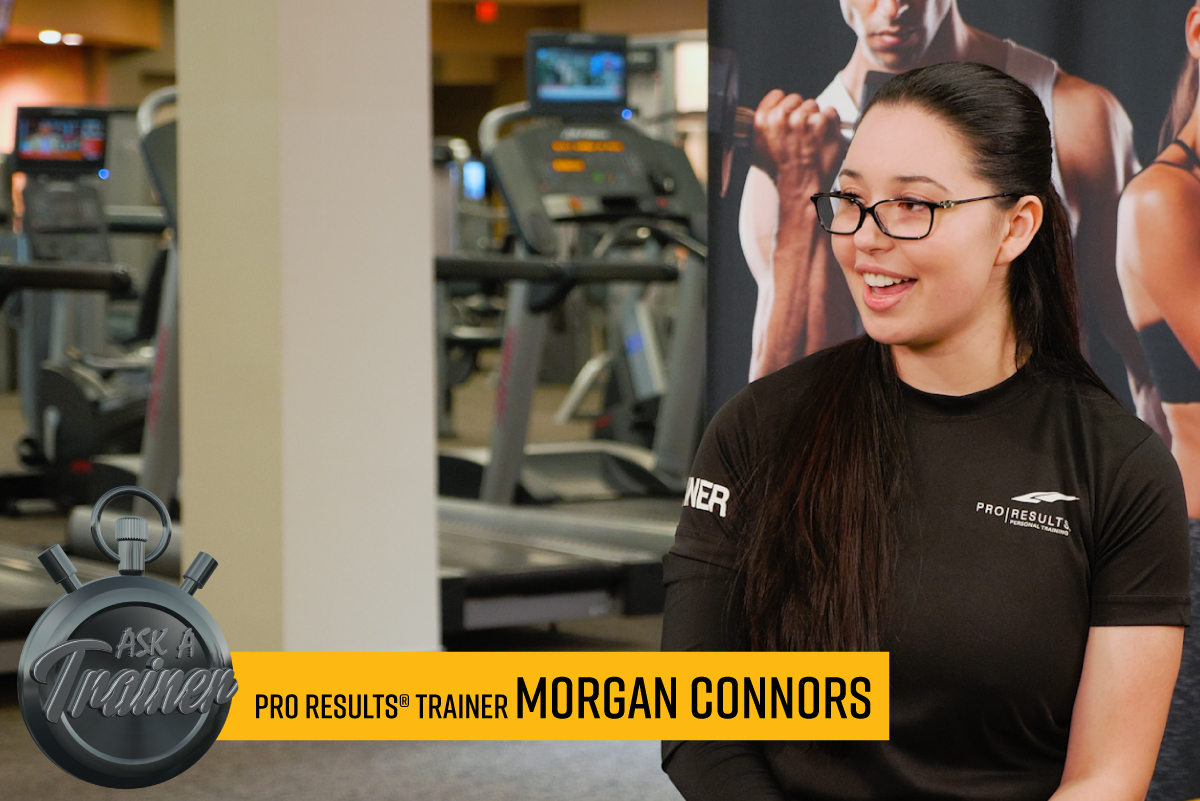
On this episode of ‘Ask A Trainer’ we speak with LA Fitness Pro Results® trainer Morgan C., and get her expert advice on how much weight is safe to lift while pregnant.

Do you have a fitness question? Ask one of our certified Pro Results® trainers here! Your question may be featured in an upcoming Ask Our Trainer video.**
**Selected submissions will be featured on the LA Fitness blog and possibly other LA Fitness digital media entities & websites. By making a submission, you hereby grant LA Fitness a non-exclusive, perpetual, worldwide, irrevocable license to use and make copies of the contents of such submission for any purpose and in any medium whatsoever, and you hereby waive and relinquish any copyright or other intellectual property right you may have in the contents of such submission and your right to pursue any claim for LA Fitness’s violation of those intellectual property rights.
On this episode of ‘Ask A Trainer’ we speak with LA Fitness Pro Results® trainer Morgan C., and get her expert advice on how much weight is safe to lift while pregnant.
On this episode of ‘Ask A Trainer’ we speak with LA Fitness Pro Results® trainer Morgan C., and get her expert advice on building muscle, protein, and what not to do.
My name is Kenton and I am 20 years old. I little bit of background: I swam for the University of the Pacific for 2 years but decided to take some time off from school to work and train. With Pacific I was training about 20 hours a week and I weighed 143 pounds at my heaviest. I have been weight training 4-5 times a week since January but currently weigh 140 lbs. My goal is to weigh around 155 pounds. Any advice would be amazing.
– Kenton Q.
I understand your weight goal is beyond your previous heaviest mark. That may take some doing! Further nutrition will only augment the weight training you are able to put towards that goal unless you want pure fat gain. (I’ll assume not.) As it’s not clear what your previous or current diet habits are, I can only offer general advice to put on lean mass.
First – increase nutrient density. Get the most out of every bite with high calorie and nutrient-packed choices. That means that dilute, air or water-filled choices take a back seat to heavier, and rich options. For example, eat oats or granola instead of puffed rice and choose ground meat patties over most fish fillets, except higher fat salmon, herring, mackerel or sardines. Tortillas can replace bread. Snack on dried fruits instead of melon. Fill half your plate with starchy vegetables like peas, corn, carrots and winter squash instead of watery vegetables such as onion, peppers, zucchini, and celery. Even higher sugar or fatty beverages like juices and whole milk help more than water for weight gain.
Second — eat a lot, eat often. Consuming more sheer volume boosts calories and usually offsets healthier (lower calorie) choices. When volume is limited, eating quickly before you feel full or splitting a meal in half to eat an hour or two later can mean getting in more bulk. When you think you’re done eating, push yourself to finish a couple more bites. Wait until after you eat to drink your beverage (and make sure it has calories, too.)
Third – time it right. Fuel your muscles properly pre- and post-workout to capitalize on the surge of hormones driving anabolism. The nutrition window to boost protein synthesis is considered about 30 minutes before and after weight training. Easy to digest lean proteins and low-fiber carbohydrates are the prime choices. Examples are egg whites, poultry breast, bagels, and pretzels. This is also when faster digesting liquid supplements have a leg up on solid food.
– Debbie J., MS, RD
This article should not replace any exercise program or restrictions, any dietary supplements or restrictions, or any other medical recommendations from your primary care physician. Before starting any exercise program or diet, make sure it is approved by your doctor.
Some questions have been edited for length and/or clarity.
Have a nutrition question? Our registered dietitian is ready to help!
Email nutrition@lafitness.com or submit your question below and it may be featured in an upcoming article!
Does liberally salting your food help you pump more iron in the gym? Registered Dietitian, Debbie James, investigates the claims!
LA Fitness registered dietitian, Debbie James, talks bulking. Read her three tips to help increase body weight, the healthy way.
Is sagging skin bumming you out? We discuss some underlying causes, what you can do to help prevent this, & some helpful tips to help reverse the damage.