Corporate Fitness Challenge – Podcast Ep. 39
We don’t just talk about living an active lifestyle, we do our best to live it! Today we’re giving you a peek into corporate life with LA Fitness.


Whether you’re hitting a plateau after weeks of steady progress, or you’ve been working hard from day one and have hardly seen a dent of change, something is happening when your body is seemingly stuck.
Is it something you’re doing wrong? Has your body simply adjusted to your routine? Let’s break down some of the reasons why your weight loss or muscle gain progress has hit a standstill.
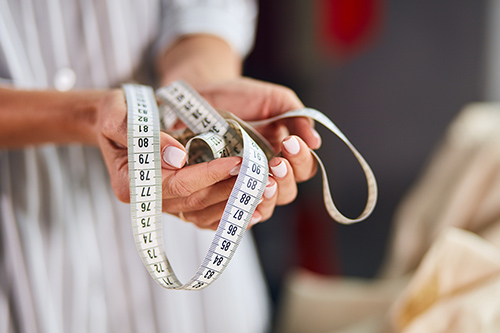
It’s possible that the scale isn’t moving because your body composition is changing. You may still be losing fat, but the scale may not be reflecting it because you’re gaining muscle at the same time. Author of our Body Composition article, Deanna Mercurio, explains that a more accurate way to track your progress is not with the scale but with body measurements and pictures.
If you haven’t felt the need to track your calories, it might be a good time to start. Too many calories could be the culprit behind your plateau. Your body is smart, and it knows you’ve been depleting those precious fat stores. A study on weight gain found that the body’s internal protection against starvation encourages eating just so you will regain lost weight! Keeping track of what you’ve eaten can help you outsmart this natural response to weight loss.
You might be hitting the right calorie count but turning a blind eye to the nutritional content of your food. Your body needs a variety of macro- and micro-nutrients to keep functioning at its best. Our dietitian recommends that you focus on real, whole foods and that you avoid processed food products.1
Sugar is the enemy in the battle with weight loss, partly because it’s easy to consume too much. The World Health Organization recommends that sugars comprise no more than 10% of your daily calories; that’s about 50 grams per day.2 A single beverage can easily contain more than that. Yes, that also means cutting back on healthier beverages like fruit juice. Our dietitian also warns against seemingly healthy smoothies that contain sherbet or fruit syrups. Those sweet additions, she explains, contain refined sugars that are easily absorbed and metabolized into fat.3
Switching things up can help kickstart your weight loss again. Again, we’ll lean on our dietitian’s recommendation. To switch things up, she suggests adding to or intensifying your existing fitness routine with weight training/resistance, cardio, or HIIT workouts, while adding some nutritious calories to those workout days. Those calories can take the form of vegetables, legumes, and pre-workout shakes or recovery drinks.4
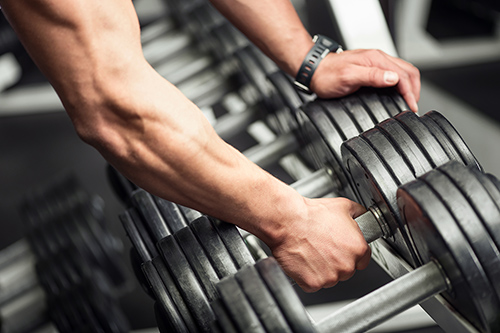
As you gain muscle, your energy needs change as well. You’ll need more nutritious calories (from lean proteins, vegetables, whole grains and healthy plant fats)5 and more protein than the average person because your body needs them to repair and build the muscles you’re working. Read our Protein article to learn how to calculate what your body needs (based on your weight and activity level) to help you bulk.
Just like your metabolism, your muscles can adapt to your routine. This is why workout routines should be anything but “routine.” You’ll need to do things differently to break your body out of its comfort zone. Remember when you first started a certain type of workout and you really had to push yourself through your sets? If you no longer feel challenged by your workout, your body has adjusted. Try increasing your working weight or incorporating some more intense training, like drop sets, to get your muscles back into build-mode. Sticking to the same routine may help you maintain muscle, but progressive overload is crucial to building muscle.
When your body doesn’t have enough water, your muscles must compete with other organs that are also demanding it. As you lose water through sweat, your blood volume is reduced. This slows oxygen delivery to and carbon dioxide removal from your muscle tissue.6 Essentially, you won’t be able to work as hard during training if you’re not giving your body enough water to cope with the physical exertion. It’s important to hydrate before, during, and after exercise.5
As we mentioned earlier, progressive overload and variety in your workout is very important to building muscle. Now you have to make sure you’re consistent about how you train. Your body needs to know that this type of exertion isn’t a once-in-a-while thing; that your muscles need to do this job often! Consistency, paired with progressive overload, prompts your body to build muscle because the physical tasks your body is being asked to do are not going away and they’re getting more difficult.
The right amount of cardio can help you build muscle. Too much can do the opposite. Go back to the first item on this list for a second. To build muscle, you need to eat more calories! Regular cardio can help you consume those extra calories without gaining a lot of fat.7 Cardio also increases your blood flow, which if you remember for item 3, is important for oxygen delivery to and waste removal from your muscle tissue. The increased blood flow also helps deliver fresh nutrients (which your muscles obviously need for recovery and growth)7.
Too much intense cardio, on the other hand, can pull resources away from your muscle tissue. Now instead of those resources going towards building muscle, they’re fueling your cardio. If you’re trying to bulk, keep your cardio at low intensity and low volume.8
Let us know in the comments below if you’ve learned something new! Will you be adjusting your workout or nutrition regimen? Stay in-the-know on trending health and nutrition topics and subscribe to our newsletter to receive monthly highlights from the Living Healthy Blog!

Welcome to the 39th episode of the Living Healthy podcast, presented by LA Fitness.
Today we’re talking about an awesome challenge that we do every year at the LA Fitness corporate office. It’s become a way to get active during the workday and to meet people throughout the company we otherwise would never have known!
Our hope is that, in sharing a bit about our corporate culture, we can shed some light on our passion for what we do and help you find new ways to add more activity to your workplace as well!
Tune in now to hear how we get up, get moving, and get acquainted at the office.
How Are We Doing?
This podcast should not replace any exercise program or restrictions, any dietary supplements or restrictions, or any other medical recommendations from your primary care physician. Before starting any exercise program or diet, make sure it is approved by your doctor.
Intro
0:01
Sneak Peek into the Corporate Volleyball Tournament
1:33
Introduction of Today’s Guest: Deanna Mercurio
2:27
Deanna’s Fitness Background
6:08
What is the Corporate Fitness Challenge?
8:37
What are Some of the Events That Make Up the Challenge?
10:37
Which are the Crowd Favorites?
18:09
What Kind of Issues Does Sedentary Living Cause?
20:44
What are Some Examples of Week-Long Challenges?
25:46
What are a Few Exercises That People Can Do at Their Desk?
28:10
Are People Competitive with the Challenge?
32:25
How the Challenge Helps Develop Friendships
34:42
Actionable Advice – How to Start a Fitness Challenge at Your Workplace
39:35
Outro
42:38
We don’t just talk about living an active lifestyle, we do our best to live it! Today we’re giving you a peek into corporate life with LA Fitness.


I am a 59-year-old male who is still playing competitive soccer. – 2 x 45 minute halves each game. Any suggestions for a halftime snack to boost my 2nd half energy level?
– Joe B.

Bravo for keeping up your game! Many athletes experience a decline in energy level toward the end of a match, especially those lasting nearly 2 hours. Hopefully you are consuming a balanced meal a couple of hours prior, then a sports drink 5 to 10 minutes before kickoff. A halftime snack helps to postpone fatigue, stabilize blood sugar and keep up the pace during the second half.
Items with significant fat, fiber or protein — which slow digestion and thus blood glucose replenishment – should be avoided at this time. For that reason, even a flavored yogurt cup or granola bar may not be suitable.
A halftime snack should be comprised of carbohydrates, fluids and electrolytes. Examples include: watermelon slices, orange wedges, grapes, applesauce packet, half fruit bar + water, coconut water, and a sports hydration drink. Carbohydrate gels are another (more expensive) option.
Sources:
– Debbie J., MS, RD
This article should not replace any exercise program or restrictions, any dietary supplements or restrictions, or any other medical recommendations from your primary care physician. Before starting any exercise program or diet, make sure it is approved by your doctor.
Some questions have been edited for length and/or clarity.
 Have a nutrition question? Our registered dietitian is ready to help!
Email nutrition@lafitness.com or submit your question below and it may be featured in an upcoming article!
Debbie James, RDN, helps answer a question about energizing snack options to pull athletes through the second half of a high energy workout.

Registered Dietitian, Debbie James, talks about the right recovery drink for your workout based on type, intensity, and duration.

Looking for the right foods to maintain a healthy and balanced diet for pre and post workout nutrition? Look no further than this list of 11 must-include foods!
What is the best type of recovery drink that can help my muscles recover quicker from exercising?
– David A.
The optimum content of your recovery drink depends on the type of exercise, intensity and duration.
Stop by your club’s juice bar to see what’s likely to fit into your recovery nutrition. No matter what you choose, remember to consider portion/energy since some shakes can contain over 300 calories and may surpass what was burned during the exercise!
– Debbie J., MS, RD
This article should not replace any exercise program or restrictions, any dietary supplements or restrictions, or any other medical recommendations from your primary care physician. Before starting any exercise program or diet, make sure it is approved by your doctor.
Some questions have been edited for length and/or clarity.
Have a nutrition question? Our registered dietitian is ready to help!
Email nutrition@lafitness.com or submit your question below and it may be featured in an upcoming article!
Debbie James, RDN, helps answer a question about energizing snack options to pull athletes through the second half of a high energy workout.
Registered Dietitian, Debbie James, talks about the right recovery drink for your workout based on type, intensity, and duration.
Looking for the right foods to maintain a healthy and balanced diet for pre and post workout nutrition? Look no further than this list of 11 must-include foods!

The start of the winter season is on Saturday, December 21st this year and we’re gearing up for a cold season. Many states have already seen record lows! If, like us, you don’t plan to slow down your fitness endeavors, you need to be prepared for working out in the cold.
We’ll be covering the warning signs of frostbite and hypothermia and giving you some useful information for your next winter workout!

Frostbite occurs when your skin and the underlying tissue are damaged by freezing. Exposed skin (especially on your nose, ears, and fingers) is most vulnerable, but you can still get it even if you’re covered up. If you plan to be out in cold weather, especially where the wind temperature is below 5° Fahrenheit (or -15° Celsius), these are some important precautions recommended by the Mayo Clinic:
Additionally, they identify these symptoms as warning signs of frostbite:
If you go out prepared and know the signs, you can head into your workout with confidence. Frostbite, however, is not the only worrisome condition you have to watch out for in cold weather. While the former can lead to loss of limb, hypothermia can cause death. Here is what you should know about hypothermia:
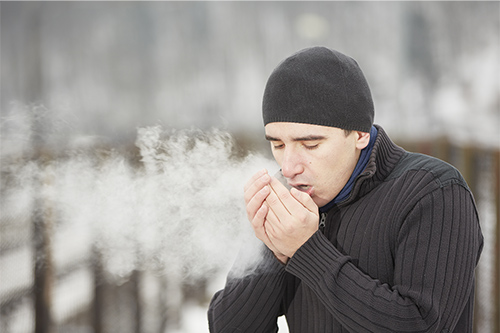
Your body’s normal temperature is 98.6° F (or 37° C). According to the Mayo Clinic, Hypothermia starts when your body loses heat faster than it can produce it; and, will start to show its effects once your temperature falls to 95° F (35° C) or lower.
In their article on Hypothermia, the Mayo Clinic identifies the following symptoms you should look out for:
Perhaps the easiest way to enter a hypothermic state is if you are wet from rain, snow, or if you fell into a body of water. Wind, on its own, whisks away your body heat. Add the fact that your clothes are wet, and the effect is amplified. It’s extremely important to change out of wet clothes and find a warm dry place when you are caught in cold weather.

Warm the Air Before You Breathe It – Breathing heavily in cold weather can make your lungs feel like they’re about to freeze over. Wearing a face scarf over your nose and mouth can help warm the air you’re breathing and make your workout more comfortable.
Map Your Route – You should know if you’re likely to encounter flooded areas, frozen patches of water, slick icy roads, or fallen plant life and debris. Stick to areas you’re familiar with so you can re-route if needed and still find your way. Choosing areas with more cover (like buildings, trees, etc.) will also help protect you from wind and other sporadic weather conditions.
Plan by Time of Day – Leave for your workout when you know the temperature will be at its warmest for the day. Going too early in the morning or too late in the evening will expose you to colder temperatures and, if it’s cold enough, icy roads and frozen slush.
Keep Hydrated – Hydrate before you leave and bring some with you if you plan to be out for a while. You may not notice that you’re sweating, but you probably are. Putting back what your body loses is important to a safe cold weather workout.
Protect Your Skin – Sunblock is still important in the wintertime, and the brisk winter air can dry out anything that’s exposed to it. Moisturize your lips, your face, and your hands if you don’t plan to wear gloves.
You can read up on the calorie burn of cold weather workouts by reading our post on Thermogenesis. For information on how to protect your eyes from the dryness of winter air, check out our blog on Eye Health. To access our monthly blog post highlights, subscribe to our newsletter today!