
How Much Sugar Should You Have in a Day? | Q+A

How Much Sugar Should You Have in a Day? | Q+A

How much sugar do you consume in a day?

Find out nutrition tips below about sugar intake and where to get the best sugars from.


Question:

What is the high and low for a healthy daily sugar consumption?

-Michael B.


Answer:

“Sugar” includes small carbohydrate compounds, both natural and added. Let’s start with natural…

Natural sugars such as fructose and lactose comprise 50-100% of the calories from fruit and non-fat milk and 25% calories from some vegetables, so they make up a small base portion of the diet. There are minimal sugars in protein sources (egg, meat, fish, poultry) and most unprocessed starches (e.g. rice, oats), while none in pure fats. Natural sugars are not restricted – there are healthy fruitarians – although I will say that traditional strained juices are not recommended, and only endurance/pro athletes can probably balance out their diet while still eating 5+ servings of fruit.

The word sugar written into a pile of white granulated sugar

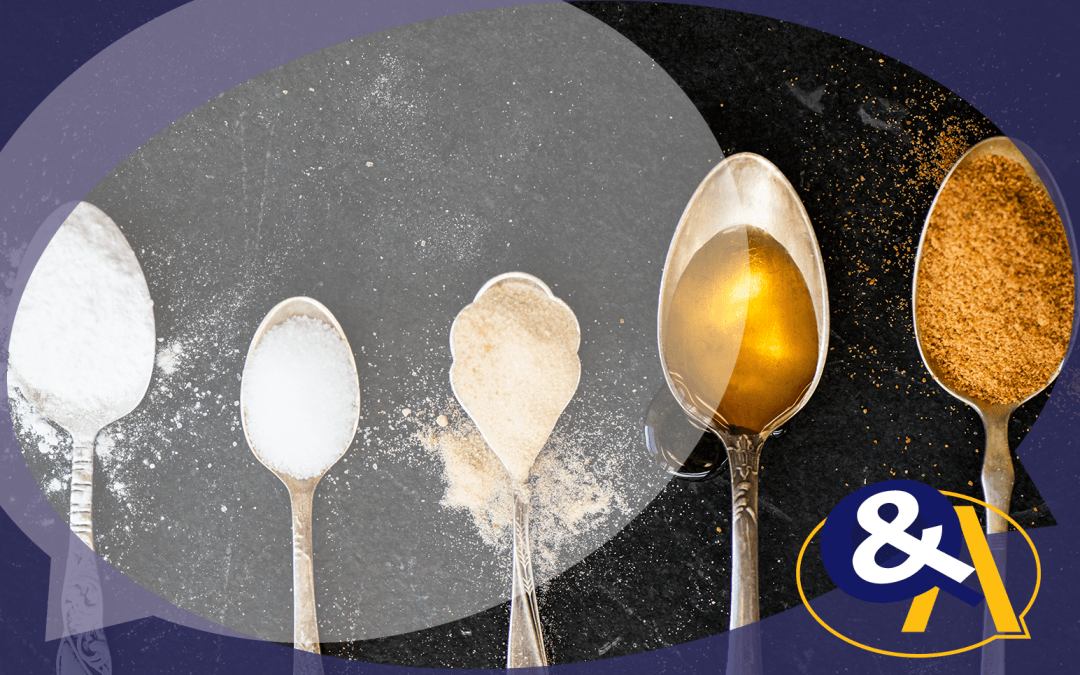
Added sugars, either for flavor or structure, are what we are concerned with. Corn syrup, table sugar, beet or cane sugar, honey, molasses, agave syrup and concentrated fruit juice are from natural sources, but used as sweeteners in food products and recipes. There are many diets that may reflect the newest 2015 US Dietary Guidelines for sugar consumption, including vegetarian, Mediterranean, higher-protein/modest carbohydrate, and medically prescribed patterns. Each one can affect an energy balanced diet with no more than 10% of daily calories coming from added sugars. This would be the high that you refer to in your question.

The limit is not a free license to eat ‘clean’ for a week then splurge on a dessert buffet, sending your body into a blood sugar spike. We’re talking about daily balance. A teaspoon of jam on toast, a drizzle of caramel in coffee, a splash of honey mustard dressing on a salad, and a tablespoon of sweet Thai chili sauce on salmon could hit the 10% mark for added sugar in a smaller diet. The idea is to consume your needed amounts of healthy protein, carbohydrate and fats, then only add sugars to meet your remaining calorie goals if not already met.

On the low end, you can survive without any sugar whatsoever if you eat enough other carbohydrates, but you’d be missing all the benefits from fruits, milk products and several vegetables which would NOT be healthy. No added sugar is certainly possible, though! It just means avoiding most condiments (think ketchup, teriyaki, marinara, BBQ sauce, dressings), sport or soft drinks, and processed foods, while eating wholesome mostly home-prepared foods. The result would not necessarily be bland. For example, oatmeal could be sweetened with dried fruit and cinnamon, meats can be marinated in vinegar or dry-rubbed, plain yogurt can be jazzed up with berries and nuts, and pasta can be dressed with diced tomatoes, garlic and olive oil.

Let us know the successes you’ve had in reducing added sugars by commenting below!

– Debbie J., MS, RD

This article should not replace any exercise program or restrictions, any dietary supplements or restrictions, or any other medical recommendations from your primary care physician. Before starting any exercise program or diet, make sure it is approved by your doctor.


LA Fitness Living Healthy subscribe button

Want more? SUBSCRIBE to receive the latest Living Healthy articles right in your inbox!

Suggested Articles

What to Know about Protein Powder and Supplements

What to Know about Protein Powder and Supplements

Navigating the world of protein powders and supplements can indeed feel daunting, with countless options lining store shelves and online marketplaces. As you consider adding a scoop to your post-workout smoothie or exploring new ways to boost your nutrition, it’s easy...
Celebrate Yoga Awareness Month This September

Celebrate Yoga Awareness Month This September

September is Yoga Awareness Month, a perfect time to explore the incredible benefits of yoga and how it can enhance your life. Whether you’re a seasoned yogi or a beginner, this month is all about embracing the practice and discovering its transformative power.  The...

Ask our Dietitian

QA_icon

Have a nutrition question? Our registered dietitian is ready to help!

Email nutrition@lafitness.com or submit your question below and it may be featured in an upcoming article!

9 + 11 =

How Can I Realistically Count Calories for Weight Loss?

How Can I Realistically Count Calories for Weight Loss?

Question:

How can I realistically count calories for weight loss?

Hello, My name is Ani, I am a member of L.A. Fitness. I’ve decided to lose weight, I need realistic guidelines from you.  I am 59 years old, Height 5′ 4″, Weight 139 lbs.  Goal: go down to 133 lbs by Dec. 27, 2016 Plan?  To lose 6 lbs in 3 months, how many calories may I ingest per day, and how many calories should I burn per day?  I have not counted calories before; would you have an easy way to count calories?

-Ani K.


Answer:

Ani, as you are not currently counting calories and do not know how much you are consuming, I would first suggest that you determine your current intake.  Use a diet analysis software with a broad range of foods (30K+) based on the USDA National Nutrient Database for Standard Reference* to average at least 3 typical days of your diet – everything you eat and drink, including condiments.

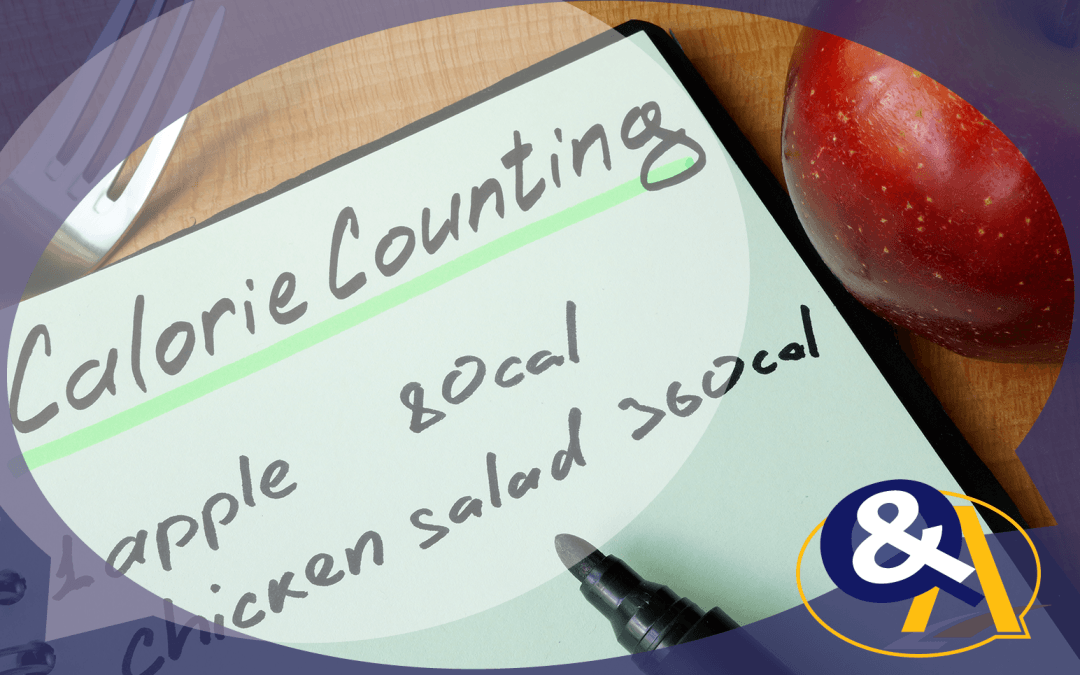
An estimated range of calorie needs to promote weight loss in females based on calculations using your age, height and weight is 1200 to 1600 calories per day.  The actual amount you need depends on your activity level and individual metabolism.  For effective weight loss, your intake should be about 500 calories less than your expenditures per day.  If you increase your activity by 200 calories and trim 300 calories off your intake daily, you’d create the desired 500 calorie deficit.

I wish there was an easy way to accurately count calories!  A simple bean and cheese burrito could be a 300 calorie frozen item or a whopping 800 calorie restaurant half-pounder.  If you could break combination foods down to their base components and approximate the portion of each, you can add up each ingredient using a diet analysis program based on the USDA Food Composition Database.  For example, doing so might provide this information: 10” flour tortilla (211 cals) + ¼ C shredded Colby Jack cheese (108 cals) + ½ C. refried beans in oil (182 cals) = 501 calories.

*as of the writing of this post, the newest version is Release 28.

– Debbie J., MS, RD

This article should not replace any exercise program or restrictions, any dietary supplements or restrictions, or any other medical recommendations from your primary care physician. Before starting any exercise program or diet, make sure it is approved by your doctor.

 

Suggested Articles

Kick into High Gear: Kickboxing Classes at LA Fitness

Kick into High Gear: Kickboxing Classes at LA Fitness

Are you searching for “kickboxing near me”? Stop the search party because you’ve struck fitness gold with Kickbox Cardio classes at LA Fitness. These classes aren’t just a workout, but an experience. With classes designed to kick, punch, bob, and weave your way to a...

Ask our Dietitian

QA_icon

Have a nutrition question? Our registered dietitian is ready to help!

Email nutrition@lafitness.com or submit your question below and it may be featured in an upcoming article!
9 + 9 =

LA Fitness Living Healthy subscribe button

Want more? SUBSCRIBE to receive the latest Living Healthy articles right in your inbox!

What’s the Best Way to Eat Healthy With Little Prep Work?

What’s the Best Way to Eat Healthy With Little Prep Work?

Question:

Do you recommend any meal replacement shakes, like invigor8?  How about any home meal delivery services?  I’m trying to reduce shopping time and prepping time since I work 11 hours a day and have an 11 month old.

-Angie A. 


Answer:

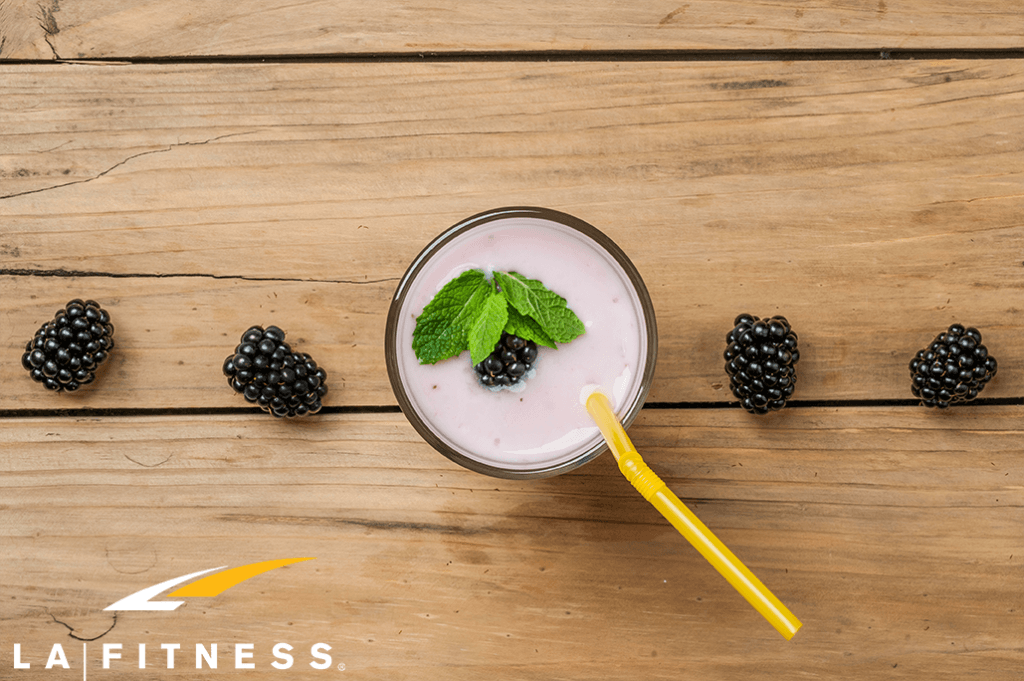
Meal replacement shakes work great as an emergency backup for on-the-go or last minute meal alternatives. Look for ones with 10-15 grams protein, 5-10 grams fat, and 20-30 grams carbohydrate (no more than half sugar) that provide at least 200 calories. Plan on a snack such as peanut butter and celery for more fiber and solids to keep you full longer.

shake

Home meal delivery services are a wonder for those that can afford them.  Most have a heart-healthy or calorie-controlled option. Perhaps a dinner-only delivery twice a week in the ‘family’ quantity will guarantee enough leftovers to reheat so that you’d only need to worry about weekend dinners. For quick lunches, a cold vegetable/pasta/protein dish from the service deli counter at your grocer might fit the bill. Consider, too, utilizing frozen skillet meals for two that can be enhanced with fresh ingredients on hand — only one pan to clean!

– Debbie J., MS, RD

This article should not replace any exercise program or restrictions, any dietary supplements or restrictions, or any other medical recommendations from your primary care physician. Before starting any exercise program or diet, make sure it is approved by your doctor.

Suggested Articles

How Laughter Improves Your Health

How Laughter Improves Your Health

Laughter can encourage blood flow, heighten your immunity, increase your intellectual performance, and even improve your quality of sleep.

Ask our Dietitian

QA_icon

Have a nutrition question? Our registered dietitian is ready to help!

Email nutrition@lafitness.com or submit your question below and it may be featured in an upcoming article!

15 + 13 =

LA Fitness Living Healthy subscribe button

Want more? SUBSCRIBE to receive the latest Living Healthy articles right in your inbox!

Turn Back Time With an Anti-Aging Diet

Turn Back Time With an Anti-Aging Diet

This article was contributed by – Debbie J., MS, RD

Turn Back the Clock

 If you enjoy gaining an “extra” hour when Daylight Savings Time ends, how about gaining some extra quality years on your life? Slowing the aging process is more than a dream or fictional fountain of youth. Theoretically, it can be done by reducing cell division and promoting cell rejuvenation and regrowth. Beyond the cellular level, aging is also about the health status of your mind and body.

You Are What You Eat

What you eat significantly impacts your body. American diets are generally too high in omega-6 fatty acid sources (pastries, beef, chicken, fried foods) and high refined sugar foods (sodas, candy, cake, doughnuts), while low in omega-3 fatty acid sources (salmon, soybeans, walnuts, flax seeds). This imbalance may trigger inflammation (think irritation, not swelling). Over the years, inflammation negatively impacts nearly all body functions, which can trigger chronic diseases, such as diabetes, obesity, neurodegenerative diseases and autoimmune disorders.1

Brain deterioration may result from insufficient or too much trace minerals. The main causes of brain deterioration are tissue damage, cell death and the influence of certain enzymes. Brain cell DNA is also susceptible to damage by oxidation. This damage to DNA plays a role in Alzheimer’s dementia.2

Additionally, oxidative stress decreases nitric oxide (NO), which normally increases blood flow to skeletal muscle, enhances glucose uptake and impacts insulin action. Increased oxidative damage is a major underlying cause of decreased skeletal muscle strength and mass with age. Furthermore, it is also a contributor to age-accelerated vascular injuries and eye problems.

To summarize, nutritional anti-aging goals are to (1) prevent chronic disease (primarily inflammation), (2) preserve brain function, and (3) maintain muscle tissue.

If your concern with aging is wrinkles, check out these helpful tips.

What Can You Do?

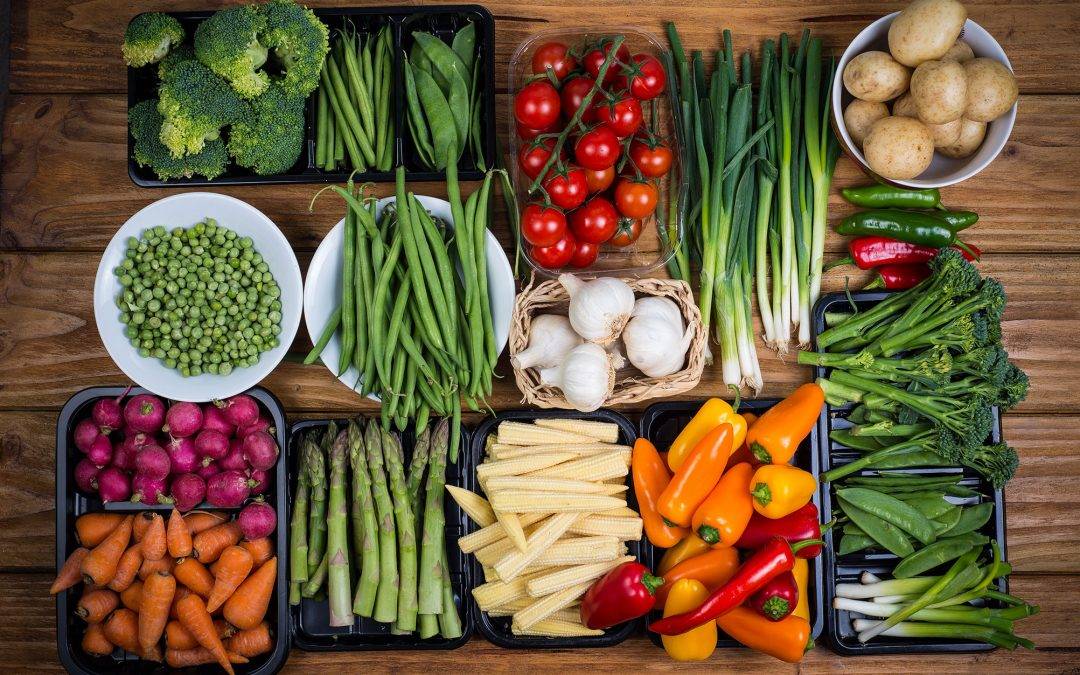
Antioxidants to the rescue! Because of their scavenger activity, some antioxidants are known to be neuroprotective. Eating an ample diet of antioxidant-rich fruits, vegetables, legumes, nuts and seeds, (complemented by whole grains, seafood, lean meats, and milk) will also help protect against other aging effects caused by oxidative damage. To optimize brain function, have adequate but not excessive iron, copper and zinc. To do so, try to eat beans, seeds, mushrooms, dark leafy greens, whole grains, lean meats and oysters.

While you may want to seek out a sole dietary gem, don’t focus on individual foods, but on your overall diet pattern. 

Heart Healthy

It’s suspected that healthy diets help improve cardiovascular health by reducing inflammation3.  The biggest impact on inflammation is from a Mediterranean-style diet with an abundance of fruits, vegetables, legumes, grains, and which includes high monounsaturated fatty acids and omega-3 fats.4  This type of diet has a lower glycemic load, and is higher in fiber, magnesium, carotenoids, and flavonoids, which help reduce inflammation.4 Ginger, curry and other spices also have an anti-inflammatory effect.

Research suggests that replacing meat with legumes several times a week can have a positive impact on longevity, diabetes, cardiovascular disease and weight management. This beneficial impact may be due to the favorable effects on the gut microbiome. Additionally, mild calorie restriction is somehow associated with longer lifespans, though the mechanism is unclear. Perhaps because it slows the rate of cell division by limiting building materials. 5

What About Supplements?

Supplemental fish oil has health benefits for specific age-related diseases, but doesn’t slow aging or impact lifespan. Additionally, supplemental conjugated linoleic acid (CLA) has been shown to prevent the development of atherosclerosis, reduce body fat while improving lean body mass, and regulate immune and/or inflammatory responses. 6

What Types of Food Do You Normally Eat?

Leave a comment below with your favorite types of anti-oxidant or omega-3 rich foods! Or share a favorite lifestyle tip that helps you eat healthy!

subscribe-button

Want to hear more? Subscribe to get Living Healthy right to your inbox!

Disclaimer: This blog post should not be construed as medical advice. Do not attempt to change your diet, fitness routine, or any other activity related to your health without first obtaining the advice of a medical professional.

References:1) Diet and Inflammation: Possible Effects on Immunity, Chronic Disease, and Life Span. C Ricordi, M Garcia-Contreras, S Farnetti. 2015 Journal of the American College of Nutrition. 34 Supple 1:10-13. 2) Repair of oxidative DNA damage, cell-cycle regulation and neuronal death may influence the clinical manifestation of Alzheimer’s disease. AR Silva, et al. 2014 PLoS One. Jun 17: 9(6): e99897.  3) Diet and Inflammation: a Link to Metabolic and Cardiovascular Diseases. K Esposito, D Giugliano. 2006 European Heart Journal 27, 15-20.  4) Diet and Inflammation. L Galland. 2010 Nutrition in Clinical Practice Dec; 25(6): 634-640. 5) Essential Role for Autophagy in Life Span Extension. F Madeo, et al. 2015 The Journal of Clinical Investigation. Jan 2; 125 (1): 85-93.What Are the Roles of Calorie Restriction and Diet Quality in Promoting Healthy Longevity? W Rizza, et al. 2014 Ageing Research Reviews. Jan; 13: 38-45. 6) Conjugated Linoleic Acid: Potential Health Benefits as a Functional Food Ingredient. JH Kim, et al. 2016 Annual Review of Food Science and Technology 7: 221-244.

Should I Drink 8 Glasses of Water a Day?

Should I Drink 8 Glasses of Water a Day?


Question:


Hi Nutrition Folks,

I’ve heard the mantra about 8 glass of water/day. I have a hard time getting excited about drinking so much plain water every day. I mean, it’s just so plain. I love drinking unsweetened iced tea and can easily kick back 8 glasses of that every day or a mix of tea and water. I don’t notice any negative effects from the caffeine in the tea.

If I stick to iced tea am I really losing out on the health benefit?

-Todd W.


Answer:

You’re not losing out! A person’s fluid needs can be met in various ways and with little straight water. Beverages on average provide 95% free water, but thick smoothies or shakes have less – maybe 75% water.

As a habitual consumer of iced tea, you probably have a tolerance to the diuretic effects of caffeine. Plus, the volume is spread throughout the day so your beverage choice is fine. Remember your ice cubes are water, too!

To determine how much liquid you should be drinking, multiply your weight in pounds by 0.5 to get the recommended fluid ounces. Then divide by 8 (the # of fluid ounces per cup) to figure out how many cups that equates to.

– Debbie J., MS, RD


This article should not replace any exercise program or restrictions, any dietary supplements or restrictions, or any other medical recommendations from your primary care physician. Before starting any exercise program or diet, make sure it is approved by your doctor.

Suggested Articles

Kick into High Gear: Kickboxing Classes at LA Fitness

Kick into High Gear: Kickboxing Classes at LA Fitness

Are you searching for “kickboxing near me”? Stop the search party because you’ve struck fitness gold with Kickbox Cardio classes at LA Fitness. These classes aren’t just a workout, but an experience. With classes designed to kick, punch, bob, and weave your way to a...

Ask our Dietitian

QA_icon

Have a nutrition question? Our registered dietitian is ready to help!

Email nutrition@lafitness.com or submit your question below and it may be featured in an upcoming article!

10 + 8 =

LA Fitness Living Healthy subscribe button

Want more? SUBSCRIBE to receive the latest Living Healthy articles right in your inbox!