

In today’s fast-paced world, finding balance and maintaining mental and physical health can be challenging. However, combining exercise and mindfulness offers a powerful approach to achieving holistic well-being. Let’s explore how these practices complement each other...
What do Macro and Micronutrients Have to do with Weight Loss?

Question:
So I wanted to know what are macro and micro nutrients and what do they have to do with weigh loss?
-Irving B.

Answer:
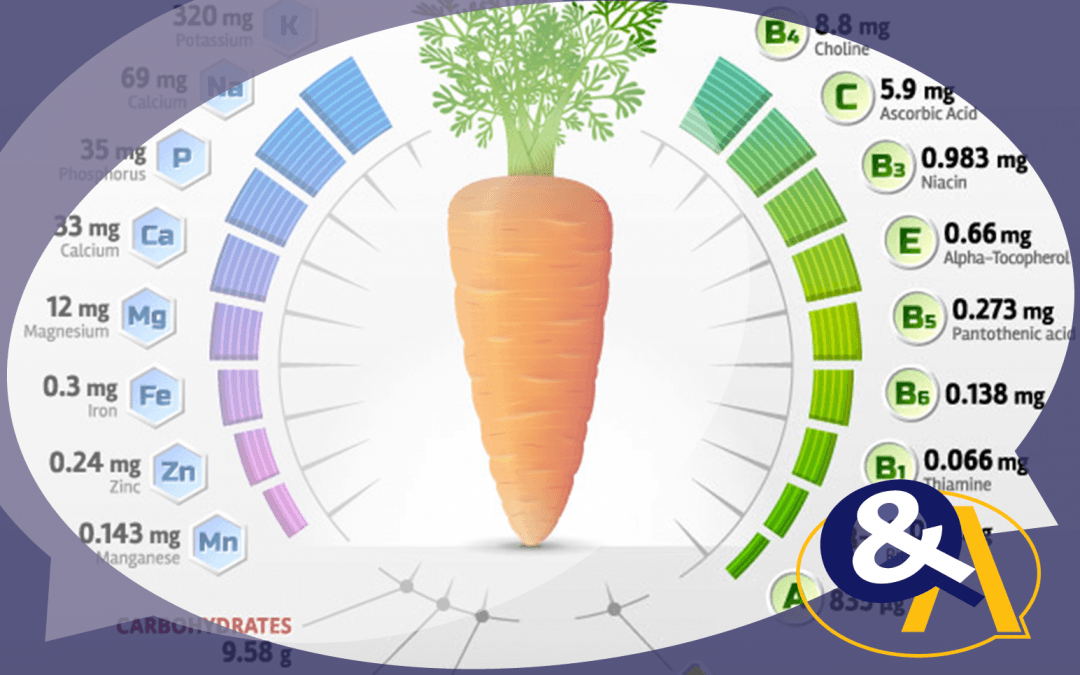
Great question, Irving! Nutrients are the compounds in food that are vital to human life. Macronutrients are nutrients that are needed in quantities greater than a gram – carbohydrate, protein, fat and water. Micronutrients are nutrients that we need in much smaller milligram or microgram quantities – vitamins and minerals.
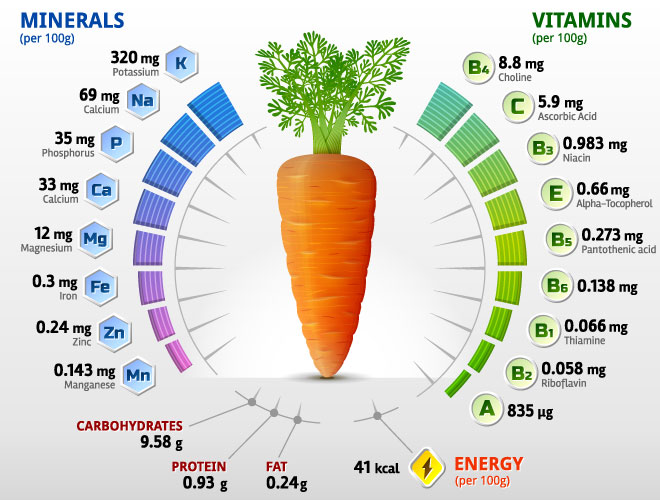
It happens that the macronutrients, except water, contain carbon atoms and therefore can provide us energy through our cellular breakdown of these carbon bonds. This energy fuels our nervous system, organs and muscles and can contribute to body fat stores. Water takes part in metabolic reactions and helps cells’ efficiency. The micronutrients have many functions, several of which are to support metabolism – the body’s chemical processes — including the ability to make energy from food. So to get the most from macronutrients, the proper amount of micronutrients are required.
Weight loss occurs when the body burns more calories than it uptakes into cells after digestion and absorption. Too much energy from carbohydrate, fat, and protein combined can lead to weight gain. Insufficient vitamins and minerals compound the problem, but are unlikely to cause weight gain directly.
– Debbie J., MS, RD
This article should not replace any exercise program or restrictions, any dietary supplements or restrictions, or any other medical recommendations from your primary care physician. Before starting any exercise program or diet, make sure it is approved by your doctor.
Suggested Articles

September Wellness: Prioritizing Your Mental Health
As we transition from the warmth of summer to the crispness of autumn, September offers a perfect opportunity to refocus on our health and mental well-being. Here’s a guide to help you embrace wellness this month. Physical Health: Building a Strong Foundation Stay...

What to Know about Protein Powder and Supplements
Navigating the world of protein powders and supplements can indeed feel daunting, with countless options lining store shelves and online marketplaces. As you consider adding a scoop to your post-workout smoothie or exploring new ways to boost your nutrition, it’s easy...
Ask our Dietitian

Have a nutrition question? Our registered dietitian is ready to help!
Email nutrition@lafitness.com or submit your question below and it may be featured in an upcoming article!

Want more? SUBSCRIBE to receive the latest Living Healthy articles right in your inbox!